Chef in Residence
Daniel Pi
Winemaker

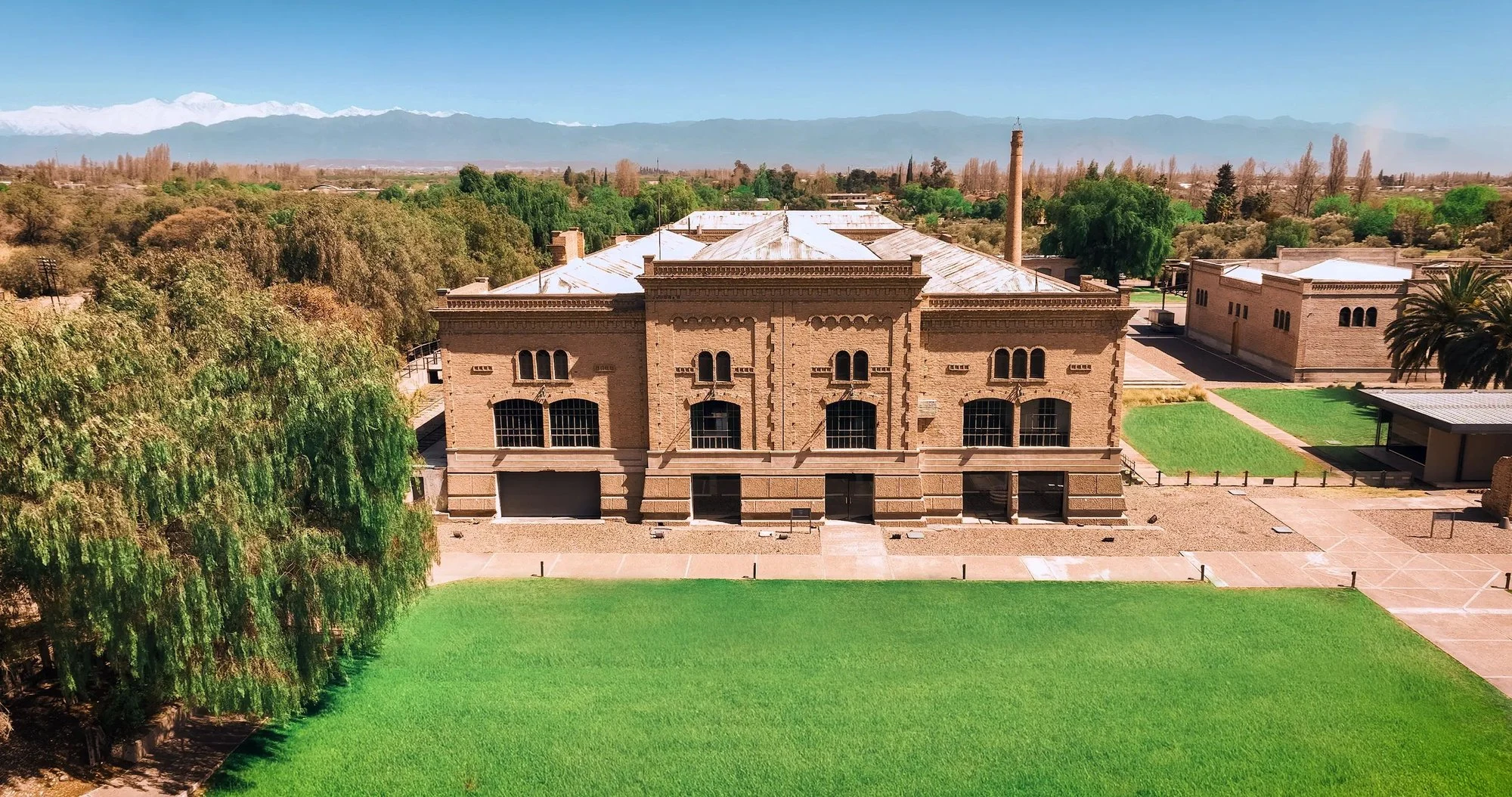
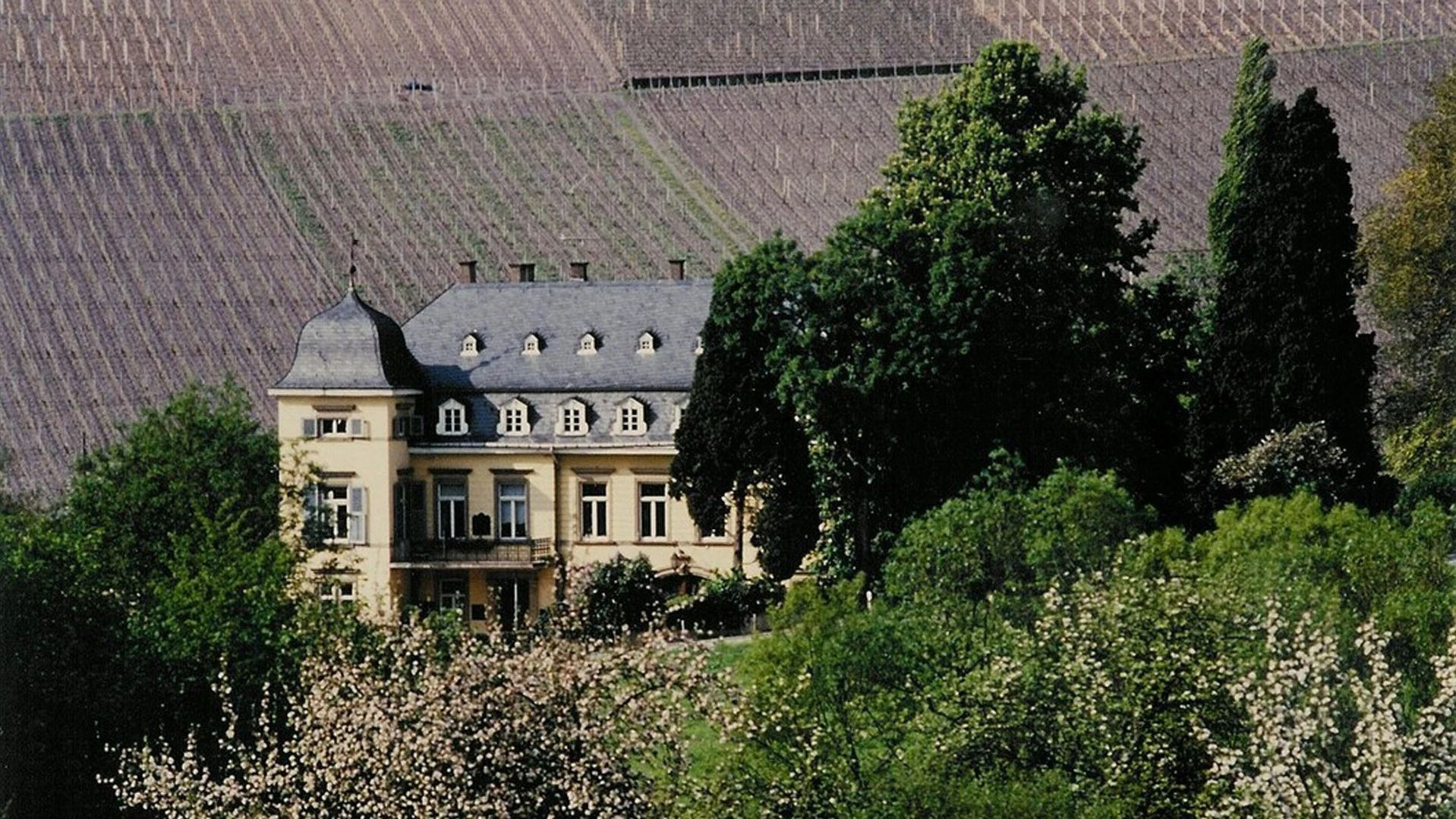
One of Mendoza's most architecturally distinct wineries, Bodega Trapiche sits in Maipú with an Italian Renaissance building that reads as deliberately out of place against the Andean backdrop. Its Bordeaux-varietal program has earned a Pearl 3 Star Prestige rating in 2025, placing it among the region's most recognised houses. For visitors to Argentina's wine country, this is a property that rewards time.
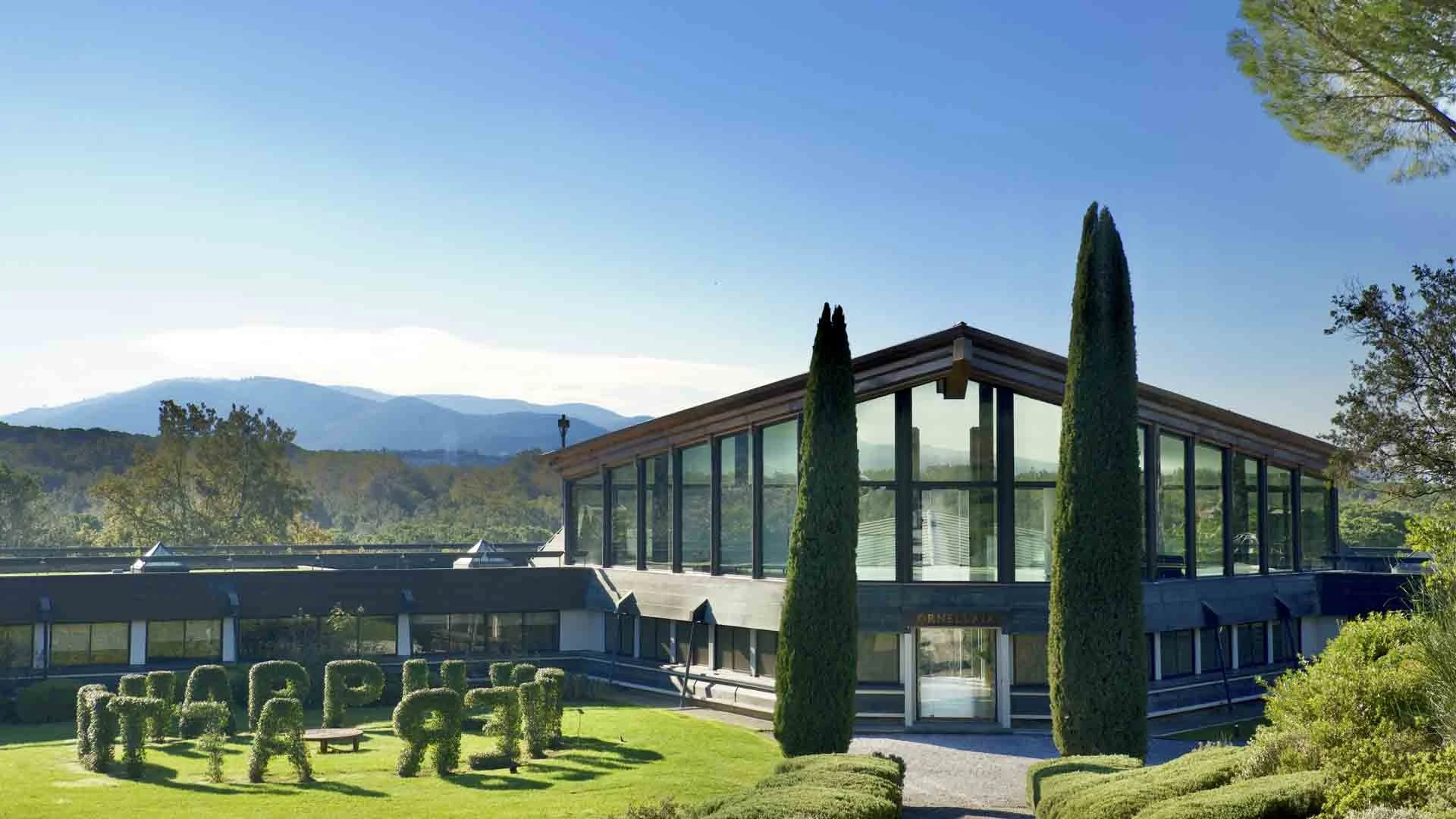
<h2>Where Italian Architecture Meets Andean Terroir</h2><p>Bodega Trapiche is a winery in Maipú, Mendoza, Argentina, ranked 17th on the World’s 50 Best list and priced at about $65 per person. The approach to Bodega Trapiche in Maipú announces itself before a single glass is poured. Italian Renaissance architecture in the middle of Mendoza's high-desert wine belt is not an accident of history or a decorative whim, it is a statement about where this house has positioned itself for well over a century. The stonework and arched facades carry a formal European sensibility that stands in deliberate contrast to the raw, sun-baked landscape surrounding it, with the Andes rising in the background as a permanent reminder of the altitude and aridity that define what ends up in every bottle.</p><p>Mendoza's Maipú district sits at an elevation that gives viticulture here a specific climatic character: intense daytime sun offset by cold nights, low humidity, and alluvial soils that drain quickly and force vines to work for their water. These are conditions that suit structured, age-worthy reds, and they are conditions that Bordeaux varietals, Cabernet Sauvignon, Malbec (adopted into the Argentine canon largely through Bordeaux influence), Merlot, Cabernet Franc, have shown a consistent ability to translate into wine with definition and depth. <a href="https://www.enprimeurclub.com/wineries/bodega-norton-lujan-de-cuyo-winery">Bodega Norton in Luján de Cuyo</a> and <a href="https://www.enprimeurclub.com/wineries/terrazas-de-los-andes-mendoza-winery">Terrazas de los Andes in Mendoza</a> operate within a similar Bordeaux-varietal framework, but each subzone within greater Mendoza imprints differently on the fruit, and Maipú's lower altitude compared to Luján's higher-elevation vineyards produces a warmer, riper signature that runs through Trapiche's core range.</p><h2>What the Land Puts in the Glass</h2><p>Argentina's wine identity is inseparable from its geography. The Andes function not just as a visual backdrop but as an active participant in every growing season: they block Pacific moisture, creating the arid continental climate that reduces disease pressure and allows long, slow ripening. The variation across Mendoza's subregions, from the sandy, iron-rich soils of Maipú to the calcareous soils higher up at Cruz de Piedra or the refined plantings in the Uco Valley, produces meaningfully different wine profiles even when the same varieties are planted. Trapiche's Bordeaux-varietal program draws on this geographic range, and the 2025 Pearl 3 Star Prestige recognition reflects an assessment that the winery deploys that range to measurable effect.</p><p>For context on what a Pearl 3 Star Prestige rating signals, it places Bodega Trapiche in a category defined by consistent quality at a prestige level, aligning it with houses where provenance, winemaking discipline, and terroir expression are all functioning in the same direction. Comparable operations in the Argentine premium tier include <a href="https://www.enprimeurclub.com/wineries/bodega-colome-molinos-winery">Bodega Colomé in Molinos</a>, which operates at altitude in Salta, and <a href="https://www.enprimeurclub.com/wineries/bodega-diamandes-tunuyan-winery">Bodega DiamAndes in Tunuyán</a>, which brings a French winemaking lineage to the Uco Valley. Each of these addresses a different expression of Argentine terroir; Trapiche's Maipú base places it within the original heartland of Mendoza viticulture.</p><h2>Bordeaux Varietals in a South American Context</h2><p>The decision to anchor a production program around Bordeaux varietals is not unusual in Mendoza, it reflects the region's winemaking history, shaped significantly by French and Italian immigrant influence in the late nineteenth and early twentieth centuries. What the leading producers have done with that inheritance is adapt the varieties to a climate that is warmer and drier than Bordeaux itself, producing wines with riper fruit profiles, softer tannin structures, and greater alcoholic concentration than their European counterparts. The architectural choice at Trapiche, Italian Renaissance styling on Argentine soil, mirrors exactly that cultural translation.</p><p>Malbec, though technically a Bordeaux variety, has become so thoroughly identified with Argentina that it now operates as a separate category in the market. Trapiche's history with the grape runs deep, and the variety's success in this latitude comes down to a simple terroir alignment: Malbec's thick skin, which makes it prone to rot in Bordeaux's damp climate, becomes an asset in Mendoza's arid sun, building phenolic concentration without the disease risk. The altitude-driven UV exposure intensifies that effect, pushing colour, structure, and aromatic complexity in ways that low-altitude growing cannot replicate. <a href="https://www.enprimeurclub.com/wineries/bodega-chacra-mainque-winery">Bodega Chacra in Mainqué</a>, working in Patagonia, approaches the variety from a completely different climate premise, cooler, later-ripening, which illustrates how dramatically Argentine terroir varies across latitudes.</p><h2>Visiting Bodega Trapiche</h2><p>The winery is located at Nueva Mayorga s/n in Maipú, a district that sits immediately east of Mendoza city and is accessible as a half-day trip from the provincial capital. Maipú has a denser concentration of wineries than many other Mendoza subregions, which makes it practical for visitors planning multiple visits in a single day. <a href="https://www.enprimeurclub.com/wineries/bodega-antigal-maipu-winery">Bodega Antigal in Maipú</a> is among the other estates operating in the same subzone, though the scale and architectural character of each property differ considerably.</p><p>Wine tourism in Mendoza tends to bifurcate between large-footprint production facilities that absorb bus-tour volumes and smaller design-led estates with tighter capacities and more controlled tasting formats. Trapiche's scale and its recognition at the prestige tier suggest an experience calibrated above the entry-level tourist circuit, though The property's Italian Renaissance architecture gives the visit a visual dimension that smaller, newer estates cannot match, the building itself is worth examining as a document of Argentine wine history.</p><p>For those building a broader Mendoza itinerary, the region's premium winery circuit extends from Maipú through Luján de Cuyo and into the Uco Valley. <a href="https://www.enprimeurclub.com/wineries/escorihuela-gascon-godoy-cruz-winery">Escorihuela Gascón in Godoy Cruz</a> operates another historic Argentine bodega with comparable institutional depth, while <a href="https://www.enprimeurclub.com/wineries/rutini-wines-la-rural-tupungato-winery">Rutini Wines (La Rural) in Tupungato</a> extends the Bordeaux-varietal tradition into the higher-altitude Uco Valley. Beyond Mendoza's borders, <a href="https://www.enprimeurclub.com/wineries/bodega-el-esteco-cafayate-winery">Bodega El Esteco in Cafayate</a> and <a href="https://www.enprimeurclub.com/wineries/familia-schroeder-san-patricio-del-chanar-winery">Familia Schroeder in San Patricio del Chañar</a> represent the Salta and Neuquén expressions of Argentine terroir, respectively, useful comparisons for understanding how dramatically the country's wine geography varies.</p><p> For those whose wine itineraries extend beyond Argentina, <a href="https://www.enprimeurclub.com/wineries/bodega-bressia-agrelo-winery">Bodega Bressia in Agrelo</a> and <a href="https://www.enprimeurclub.com/wineries/accendo-cellars">Accendo Cellars in St. Helena</a> occupy comparable prestige positions in their own markets, as does the historic <a href="https://www.enprimeurclub.com/wineries/aberlour-aberlour-winery">Aberlour</a> in Scotland and <a href="https://www.enprimeurclub.com/wineries/fratelli-branca-distillery-buenos-aires-winery">Fratelli Branca Distillery in Buenos Aires</a> for those interested in the wider Argentine spirits and wine landscape.</p>
Trapiche sits firmly at the considered, heritage-focused end of the spectrum. The Italian Renaissance architecture and the 2025 Pearl 3 Star Prestige rating both signal a property built around depth rather than spectacle. Visitors come for the wine program and the architectural context, not for a festival atmosphere.
Bodega Trapiche has received recognition including: Pearl 3 Star Prestige (2025); Italian Renaissance architecture is not the only thing to mark out the Trapiche winery from its Andean surroundings – its exemplary Bordeaux varietals have long; Italian Renaissance architecture is not the only….
Trapiche's reputation has long been anchored in Bordeaux varietals, and the 2025 Pearl 3 Star Prestige recognition reflects sustained quality in that category. Wines from this range are the logical starting point for any visit to the Maipú estate.
Bodega Trapiche is located at Nueva Mayorga s/n, 5515 Maipú, Mendoza, Argentina, El trapiche.
Few wineries in Mendoza combine architectural distinction with a serious wine pedigree in quite the same way. The Italian Renaissance building alone sets Trapiche apart from the standard Maipú estate visit, and the 2025 Pearl 3 Star Prestige award confirms the wines hold their own against that setting.
Nueva Mayorga s/n, 5515 Maipú, Mendoza, Argentina
Maipú