Bodegas del Palacio de Fefinanes
In Residence
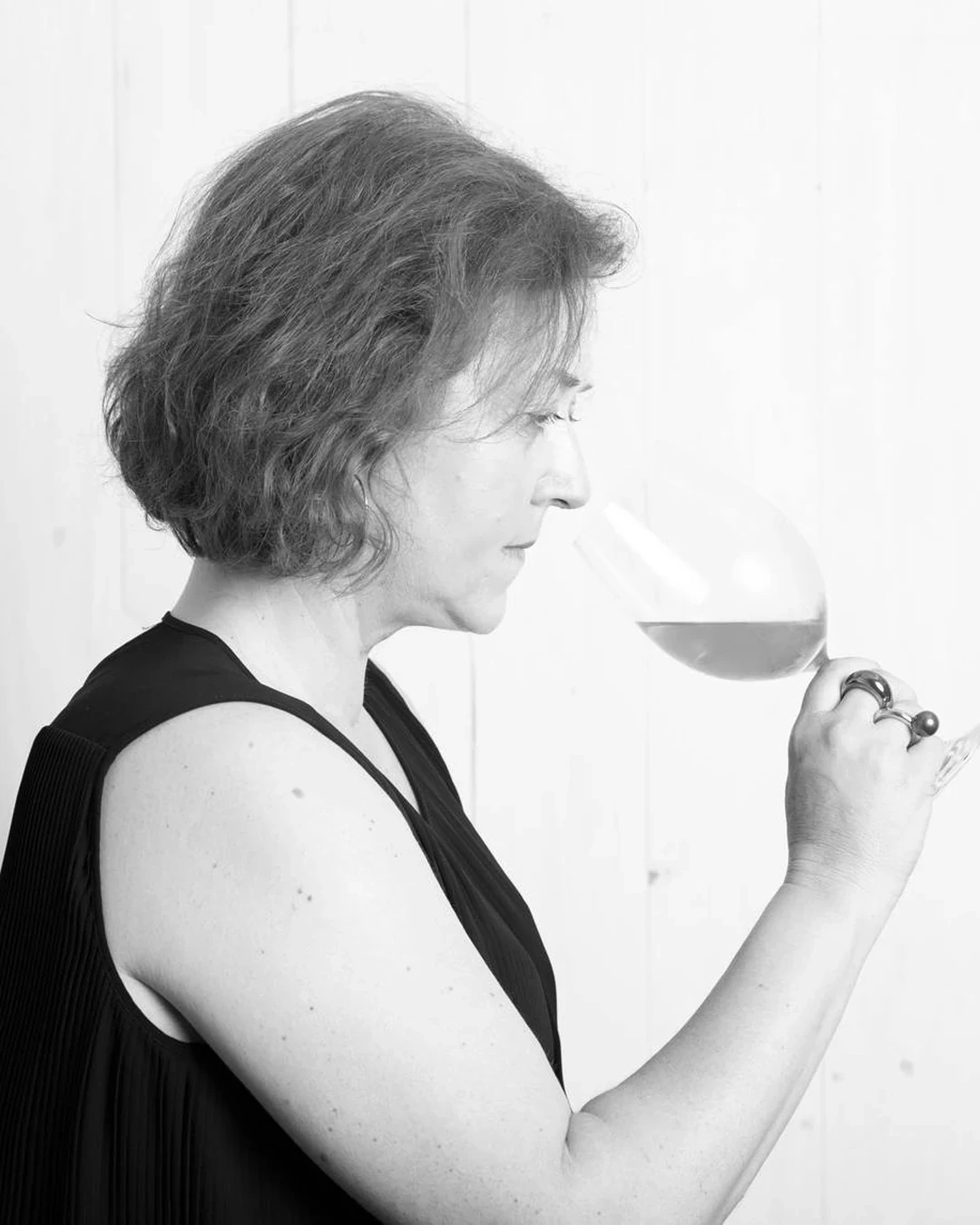
Cristina Mantilla
Winemaker
- 01CityCambados Pontevedra, Spain
Albariño shaped inside palace walls
- Falstaff Winery - 1 Stars · 2026
Training held at the cellar door
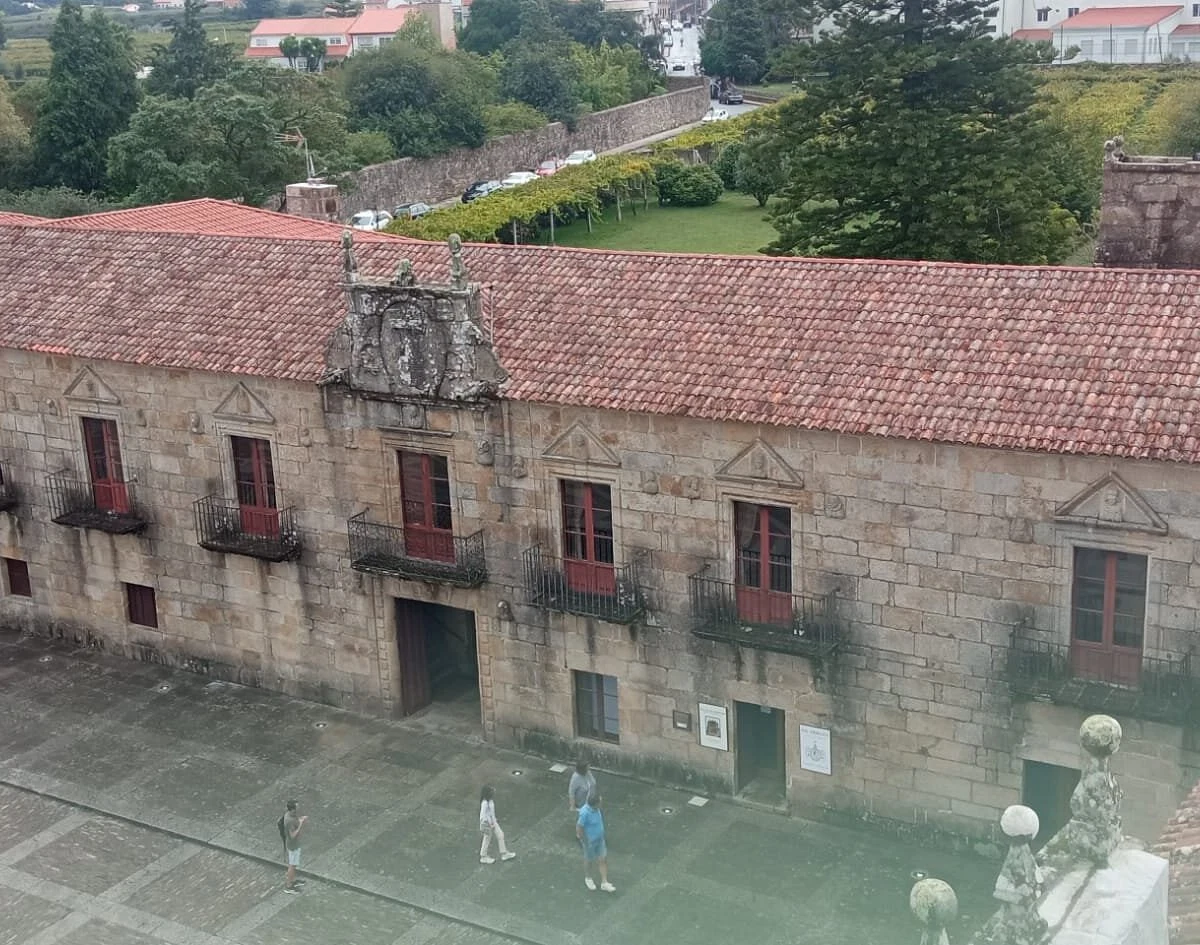
Cristina Mantilla checks Albariño as winemaker at Bodegas del Palacio de Fefinanes in Cambados, where the cellar sits inside a palace built in 1647. Her work here is not a matter of ornament. It is a daily discipline of fruit, timing, vessel, and judgment, carried out in a house whose commercial life began in 1904 and whose reputation rests on a single grape. Mantilla’s route to the bench came through the University of Santiago de Compostela and the Technical University of Madrid’s Agricultural Engineering School, then through bodega work and consulting in Vigo. That sequence matters in this cellar because the wines ask for control without erasing origin. The post places her between contracted growers, palace history, and the D.O. Rías Baixas frame that made Fefiñanes one of Galicia’s early bottled references. She has described training plainly: “I strongly believe that training is the best foundation for quality work.” The sentence fits the room. At Fefiñanes, apprenticeship is not only inherited from a predecessor; it is also academic, seasonal, and tested each harvest against Albariño from Val do Salnés.
Albariño by steel, oak, and lees
The program stays with Albariño, and the method changes according to the wine. The estate has only 0.5 hectares within its walls, trained on pergolas and rooted in sandy soils with some limestone and clay, so the cellar also depends on long-term growers who supply fruit under technical guidance from the winery’s enologist. The vines named for production average over 40 years old, with some over 100 years old, a fact that gives the winemaking a different pressure from simple freshness. Albariño de Fefiñanes ferments in stainless steel vats, preserving the grape’s citrus and stone-fruit line. The 1583 Albariño de Fefiñanes moves through French oak barrels, then three-month lees aging, then steel. III Año takes the longer cellar path, with extended lees aging and a resting period before release. Armas de Lanzós, from 2013, went through vats, then oxidation in 500-liter barrels, and was bottled on Saint Andrew’s Day 2016. The house can make Albariño feel coastal, textured, or age-worthy without leaving the grape.
Granite around the tasting room
The place keeps its own pace. The cellar, vineyard, and tasting room belong to the Palacio de Fefiñanes, a baronial Renaissance building on the main square of Cambados, with granite doing the work that signage never could. The atmosphere is quiet, more architectural than theatrical. A guided tasting here carries the weight of the courtyard and the old walls, but the glass still has to answer for itself. The label makes that connection explicit: Enrique Mayer designed the engraving of the palace in 1928, and the design has remained unchanged. Mantilla’s station sits within that long visual memory, yet the decisions remain immediate, harvest by harvest, vat by vat. The concrete thing to hold at the end is not the palace alone, but the line between Albariño de Fefiñanes and 1583 Albariño de Fefiñanes.
Questions
Frequently asked
Who makes the wines at Bodegas del Palacio de Fefiñanes?
Cristina Mantilla is the winemaker at Bodegas del Palacio de Fefiñanes in Cambados. Her background includes study at the University of Santiago de Compostela and the Technical University of Madrid’s Agricultural Engineering School, followed by work in bodegas and consulting in Vigo.
What is Bodegas del Palacio de Fefiñanes known for?
The house is known for Albariño, and its reputation rests on that single grape. The cellar sits inside a palace built in 1647, and the winery was one of Galicia’s early bottled references in the D.O. Rías Baixas frame.
What kind of wines does the cellar make?
Bodegas del Palacio de Fefiñanes makes Albariño in several styles. Albariño de Fefiñanes is fermented in stainless steel, 1583 Albariño de Fefiñanes uses French oak barrels and lees aging, III Año spends longer in the cellar, and Armas de Lanzós went through vats and oxidation in 500-litre barrels.
Do visits need to be booked in advance?
Reservation is recommended.
What is the setting like?
The cellar, vineyard, and tasting room belong to the Palacio de Fefiñanes, a baronial Renaissance building on the main square of Cambados. The place is described as quiet and more architectural than theatrical.
The field
How it compares
| Place | Notes | Awards |
|---|---|---|
| Bodegas del Palacio de Fefinanes | Cambados, $$ | · |
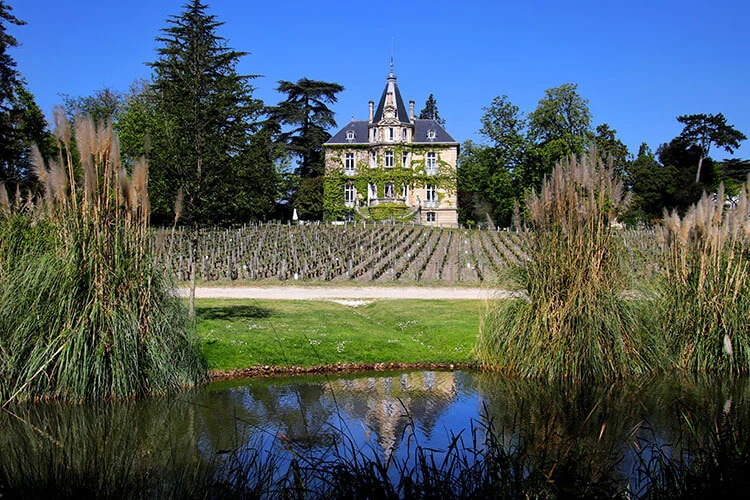
| Château Les Carmes Haut-Brion | Bordeaux | · |
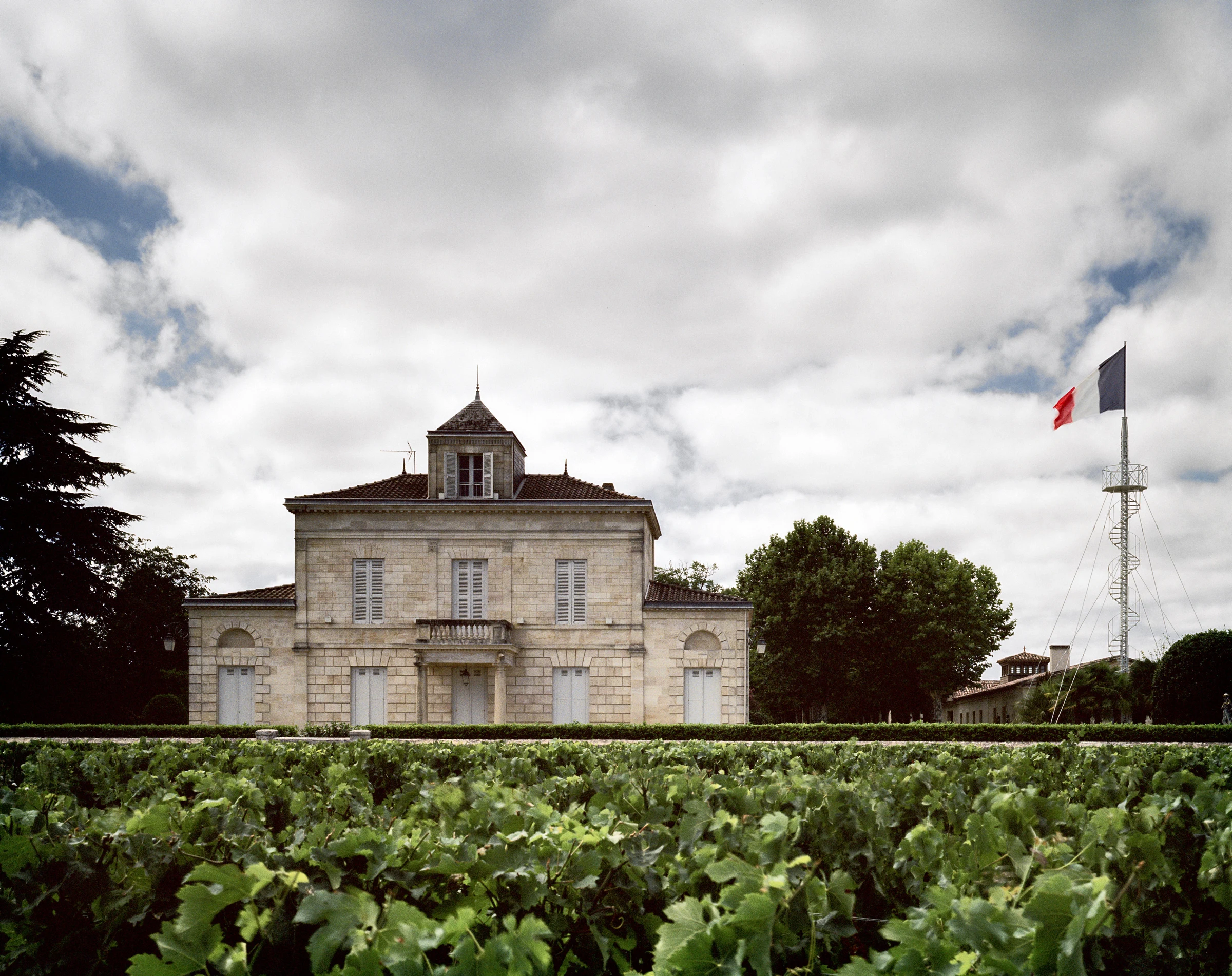
| Château Montrose | Saint-Estèphe | · |
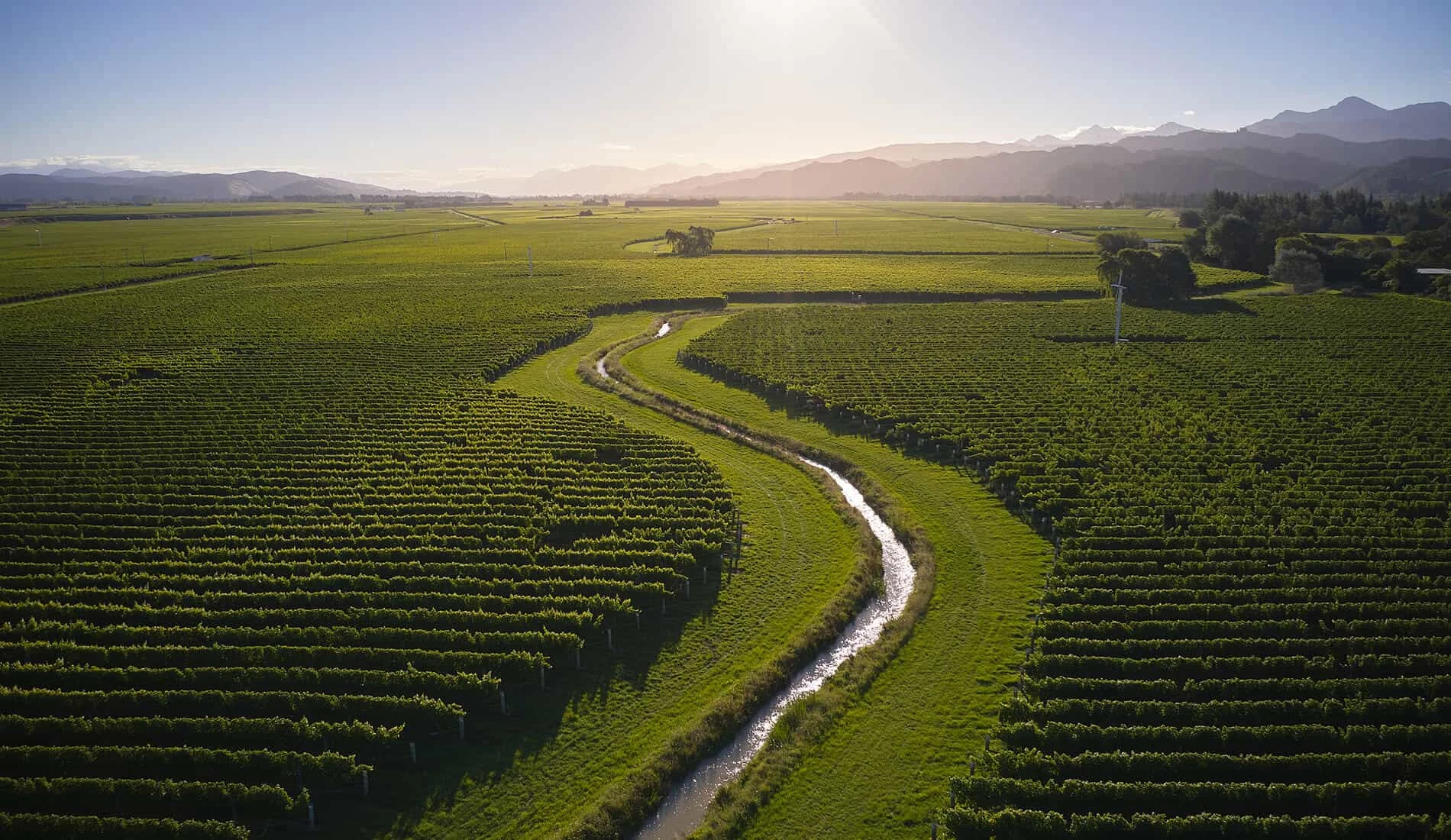
| Cloudy Bay Vineyards | Blenheim | World's 50 Best |
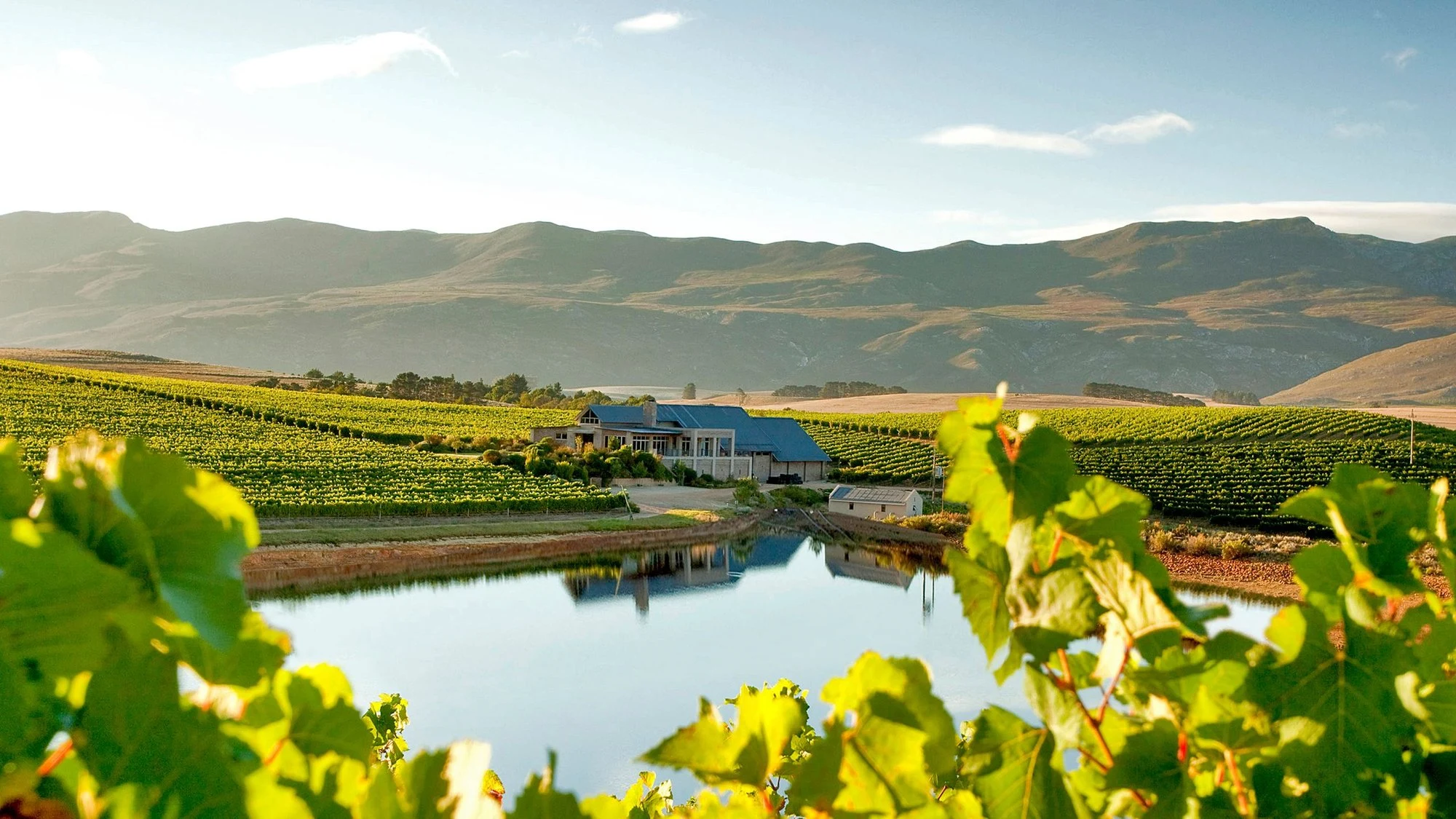
| Creation Wines | Hermanus | World's 50 Best |
| La Rioja Alta | Haro | · |
| Nyetimber | Horsham | World's 50 Best |