Bodegas Rioja Vega
- 01CityViana, Spain
- Falstaff Winery - 2 Stars · 2026
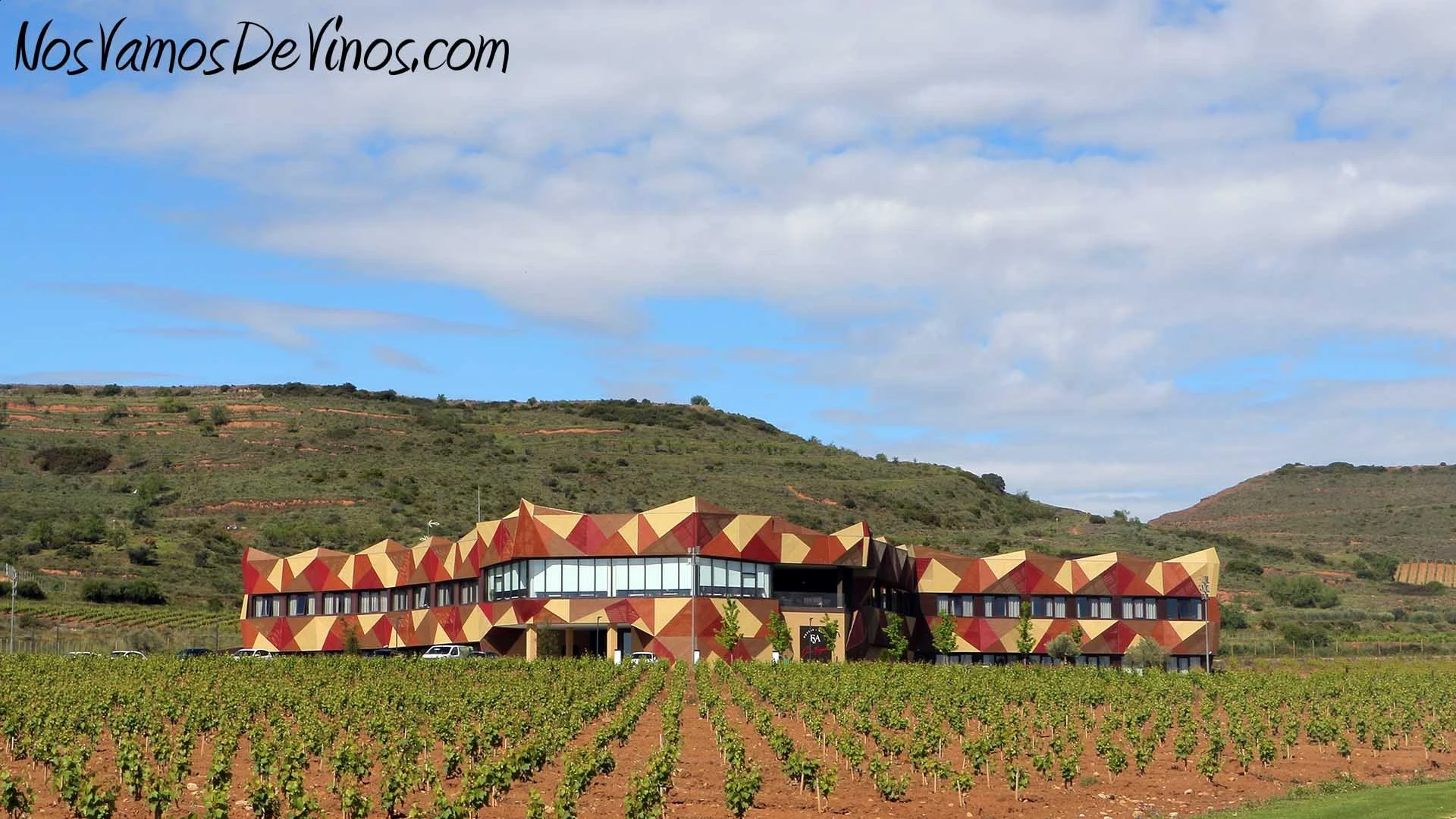
Approaching the estate outside Viana, the first read is agricultural rather than theatrical: rows of vines, mountain line, river influence, and the quiet scale of a Rioja property built for production as much as hospitality. Bodegas Rioja Vega belongs to the older layer of Rioja, founded in 1882, yet its current identity is not a museum piece. The point of the visit is the conversation between history and site: a DOCa Rioja estate working with more than 70 hectares of vineyards, set between the Ebro River and the Sierra de Cantabria, and using tours and tastings to explain why that geography matters.
Rioja tourism often splits between monumental cellar architecture and tasting-room commerce. This address sits closer to the educational estate model. The atmosphere is calm, conversational, and structured around guided tastings, seated formats, cellar tours, vineyard context, and workshops rather than bar-style sampling. For travelers building a wine-focused itinerary, the useful city-wide starting point is Our full Viana wineries guide; those pairing cellar time with meals, hotels, bars, or cultural stops can also use Our full Viana restaurants guide, Our full Viana hotels guide, Our full Viana bars guide, and Our full Viana experiences guide.
Rioja terroir explained through estate vineyards
The strongest reason to pay attention here is the estate’s position in the Rioja DOCa conversation. Tempranillo remains the regional grammar, but the surrounding conditions give the lesson its specificity: the Ebro moderates the growing zone, while the Sierra de Cantabria frames the broader climatic story that has long shaped Rioja’s red-wine identity. Bodegas Rioja Vega uses that setting as the backbone of its hospitality, with vineyard and cellar formats that make more sense for visitors who want context before the glass is poured.
The vineyard base gives the tour substance. The estate works across more than 70 hectares and focuses on Tempranillo, Garnacha, Graciano, and Maturana Tinta, with still red, white, rosé, and sparkling wines in the broader range. In Rioja terms, that combination matters: Tempranillo gives the region its familiar structure, Graciano brings acidity and tension, Garnacha broadens the palette, and Maturana Tinta points toward the renewed interest in local varieties beyond the standard Crianza and Reserva template. The estate’s organic production philosophy adds another layer, especially for travelers tracking how historic Spanish wineries are adapting their farming language without discarding classic Rioja categories.
Format also suits groups and families better than many small, counter-style wine rooms. Tastings are guided and seated, the noise level is conversational, outdoor areas are part of the setting, and the visit can extend into vineyard-tour and food-pairing territory. That makes the estate useful for mixed-interest parties: one guest may care about DOCa classifications and grape recovery, another about the view and pacing, another about a structured tasting that does not require specialist vocabulary.
Historic Rioja without the dusty-cellar cliché
A founding date of 1882 gives the property a serious trust signal, but the more interesting story is how an old Rioja name has been translated into a contemporary visitor experience. The region has spent decades balancing barrel-aged tradition with modern cellar control, and this estate reflects that split: historic identity on one side, organized tour infrastructure and organic production on the other. The result is not avant-garde Rioja, nor is it a purely nostalgic stop. It is a clear, estate-led reading of the appellation.
For travelers comparing Spanish wine regions, Viana offers a useful contrast to regions where the estate visit is built around spectacle or scarcity. Here the value is slower and more instructional. The winery’s setting between river and mountains lets guides connect geography to grape choice, while the cellar visit gives structure to what can otherwise become a sequence of similar pours. Those building a broader Iberian cellar route might place it alongside regional contrasts such as 3 Ases Bodegas y Viñedos in Quintanilla De Arriba, 4Kilos Vinícola in Felanitx, Aalto Bodegas y Vinedos in Quintanilla De Onesimo Valladolid, Abadia de Aribayos in Moraleja Del Vino, Abadía Retuerta in Sardón de Duero, Abel Mendoza Monge in San Vicente de la Sonsierra, and Acústic Celler in Els Guiamets.
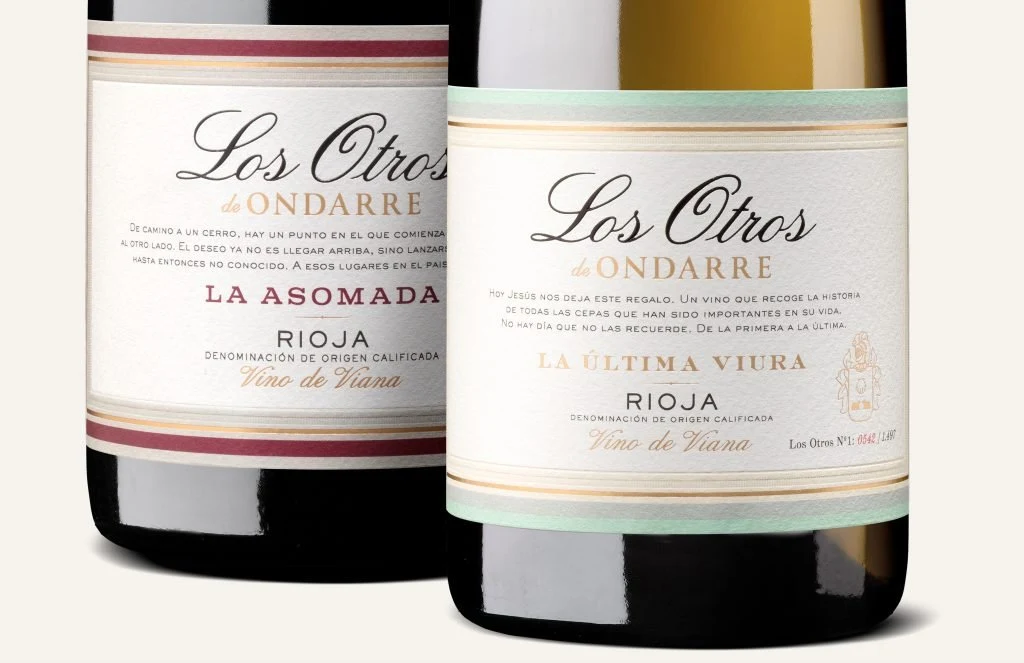
Within Viana, the more useful comparison is not a ranked hierarchy but a question of itinerary style. Bodegas Rioja Vega works for visitors who want a guided, medium-scale estate experience with vineyard views and a strong Rioja DOCa frame. Travelers looking to understand the local winery circuit can also look at Bodegas Ondarre, while those mapping wider European cellar references may find useful contrast in »der Steiner« Hans Steiner in Podersdorf am See and & Handwein in Mannheim.
Who should choose this Viana cellar visit
This is a strong fit for travelers who prefer a winery visit with explanation, scenery, and a defined tasting rhythm. The estate is appointment-led, casual in tone, and suited to group outings, celebrations, wine education, corporate events, and family visits. Spanish and English tours are part of the offer, and the usual visit runs in the 60- to 90-minute range, which makes it easy to fold into a wider day around Viana rather than treating it as a full-day commitment.
The editorial case is simple: choose this estate when the purpose is to understand Rioja through place, not merely to collect labels. The historic date gives credibility, the DOCa context gives structure, the vineyard setting gives the visit its visual logic, and the grape mix keeps the conversation from stopping at Tempranillo. In a region where tradition can sometimes be reduced to oak and age statements, Bodegas Rioja Vega is better read as a working explanation of why Rioja’s land, climate, and old-new tension remain worth the detour.
Questions
Frequently asked
How expensive is Bodegas Rioja Vega?
Bodegas Rioja Vega is listed at a price level of $$.
The field
How it compares
| Place | Notes | Awards |
|---|---|---|
| Bodegas Rioja Vega | Viana, $$ | · |
| Bodegas Ondarre | Viana | · |
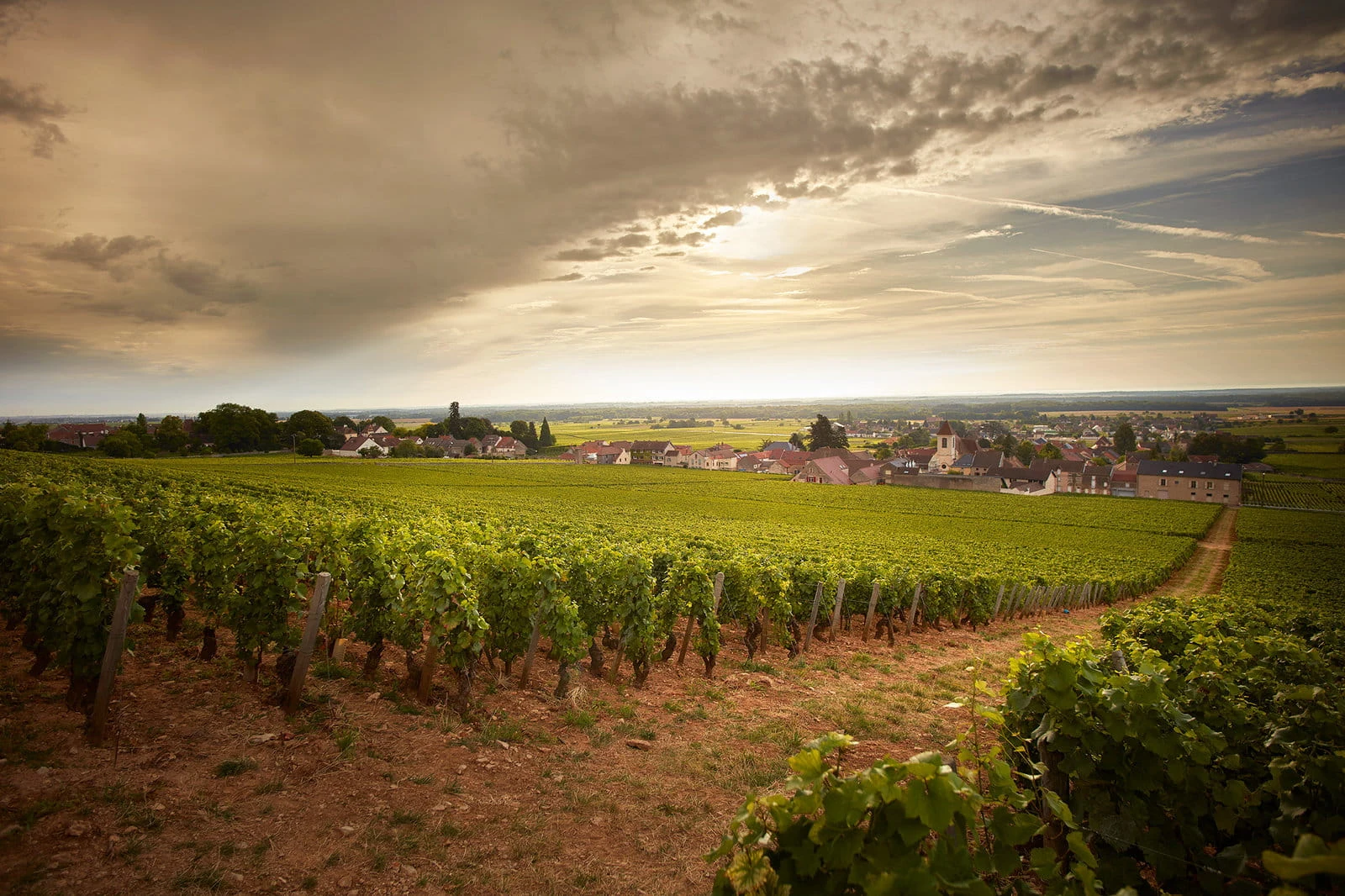
| Domaine du Clos de Tart | Morey-Saint-Denis | · |
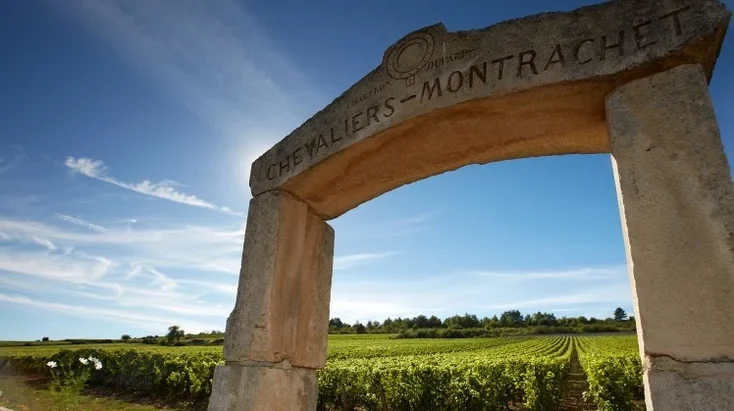
| Domaine Leflaive | Puligny-Montrachet | · |
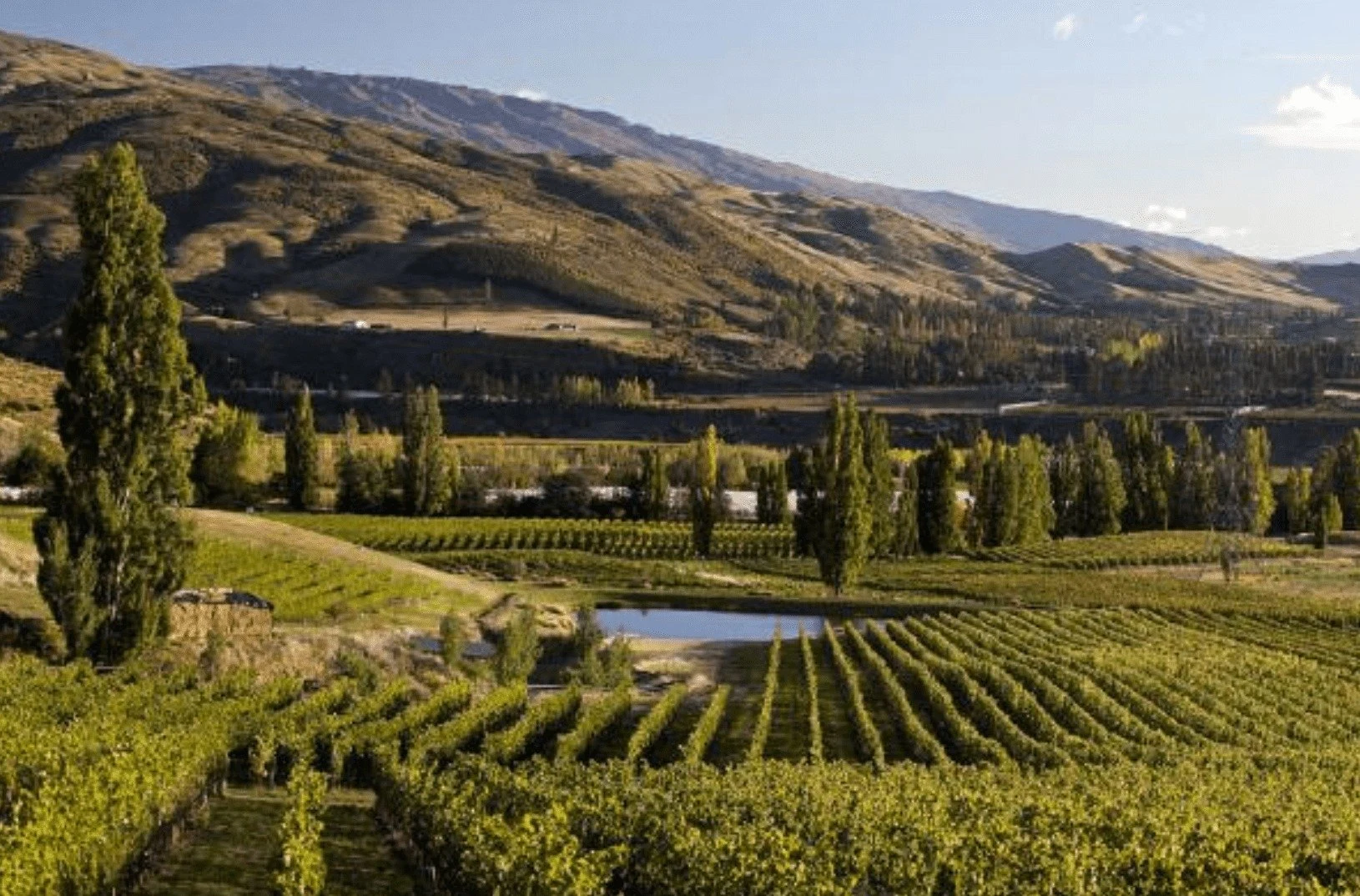
| Felton Road Wines | Bannockburn | World's 50 Best |
| Masseto | Castagneto Carducci | · |
| Vieux Château Certan | Pomerol | · |