- Falstaff Winery - Listed · 2026
The approach to Canneto Pavese changes the scale of Lombardy wine: the city gives way to folded hills, vineyard rows and the quieter agricultural rhythm of Oltrepò Pavese, a region long overshadowed by better exported Italian names yet producing wines with a dialect of their own. Here, Bruno Verdi belongs to the small-estate tradition: a family cantina in Vergomberra, rural in tone, translating hillside parcels into Croatina, Barbera, Uva Rara, Pinot Nero, Riesling Renano and Pinot Grigio rather than spectacle.
Oltrepò Pavese rewards attention to site over label prestige. Its identity sits between Lombard practicality and Apennine-influenced vineyard complexity, with red blends, sparkling traditions, aromatic whites and sweet vivace reds in the same regional conversation. Bruno Verdi gives that conversation compact, family-run form. The estate dates its modern bottling identity to 1945, while the Verdi agricultural story reaches back seven generations to the 18th century. That continuity matters: this is not an imported luxury format in the countryside, but a cellar shaped by local grapes, local slopes and incremental postwar modernization.
Oltrepò Pavese in four hillside plots
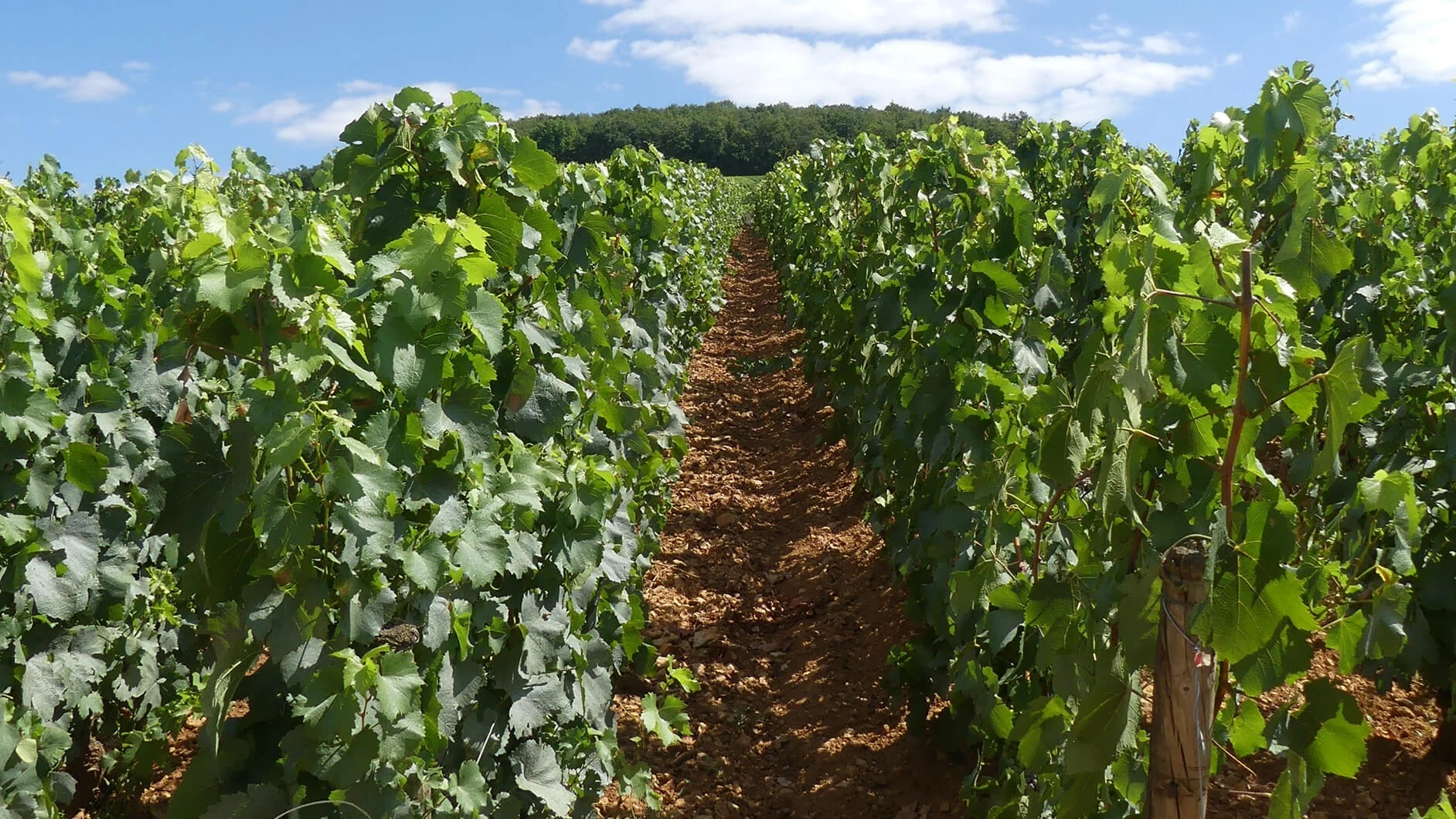
The estate’s strongest argument is parcel specificity. Bruno Verdi works vineyard sites around Canneto Pavese rather than flattening the region into one house style. Cavariola, a west-facing slope with sandy clay soils, carries the red-wine weight of the portfolio, with Croatina, Uva Rara, Barbera and Ughetta di Canneto feeding the Cavariola Oltrepò Pavese Rosso Riserva. That bottling is a 60% Croatina-led blend with Barbera, Ughetta di Canneto and Uva Rara, reaching 15.5% alcohol, a useful signal of ripeness and structure in this Lombard corner.
Other parcels shift the register. Campo del Marrone, closer to the winery, has sandier soils and Barbera. Vigna Costa’s limestone influence suits Riesling Renano, while Paradiso supports the local sweet red tradition through Sangue di Giuda, made here from Croatina, Uva Rara and Barbera. Casa Zoppini adds Pinot Nero on steep, northeastern-facing slopes, reminding visitors that Oltrepò Pavese is broader than rustic reds. The through-line is not variety collecting, but a regional habit of matching grape and slope with practical precision.
This puts the winery in the educational end of countryside tasting, where the value is understanding why adjacent plots produce different wines. Hand-harvesting into small lugs, estate fruit supplemented by grapes from local growers and family members, and a cellar language combining classic methods with modern oenology all point to a producer retaining regional character without treating tradition as museum work. For readers mapping the area, Our full Canneto Pavese wineries guide is the better starting point for the wider circuit.
Local grapes, not international shorthand
The portfolio reads best through Oltrepò Pavese’s mixed identity. Croatina gives the region its darker, more tannic local accent; Barbera brings acidity and drive; Uva Rara and Ughetta di Canneto carry the older blending culture that survives in Lombard hill country. The Cavariola Riserva sits at the serious red end. Buttafuoco Oltrepò Pavese Rosso keeps the traditional blended-red conversation alive, while Paradiso Sangue di Giuda can surprise visitors expecting Italy’s premium wine regions to speak only in dry, cellar-friendly reds.
The whites are equally useful. Pinot Grigio is fermented and aged in stainless steel at low temperature to preserve freshness rather than add oak weight. Riesling Renano from Vigna Costa points to limestone and acidity rather than aromatic excess. Pinot Nero from Casa Zoppini broadens the frame, aligning the estate with one of Oltrepò Pavese’s serious cool-climate possibilities. The interest is how many regional threads a small family estate can hold without losing its Lombard grammar.
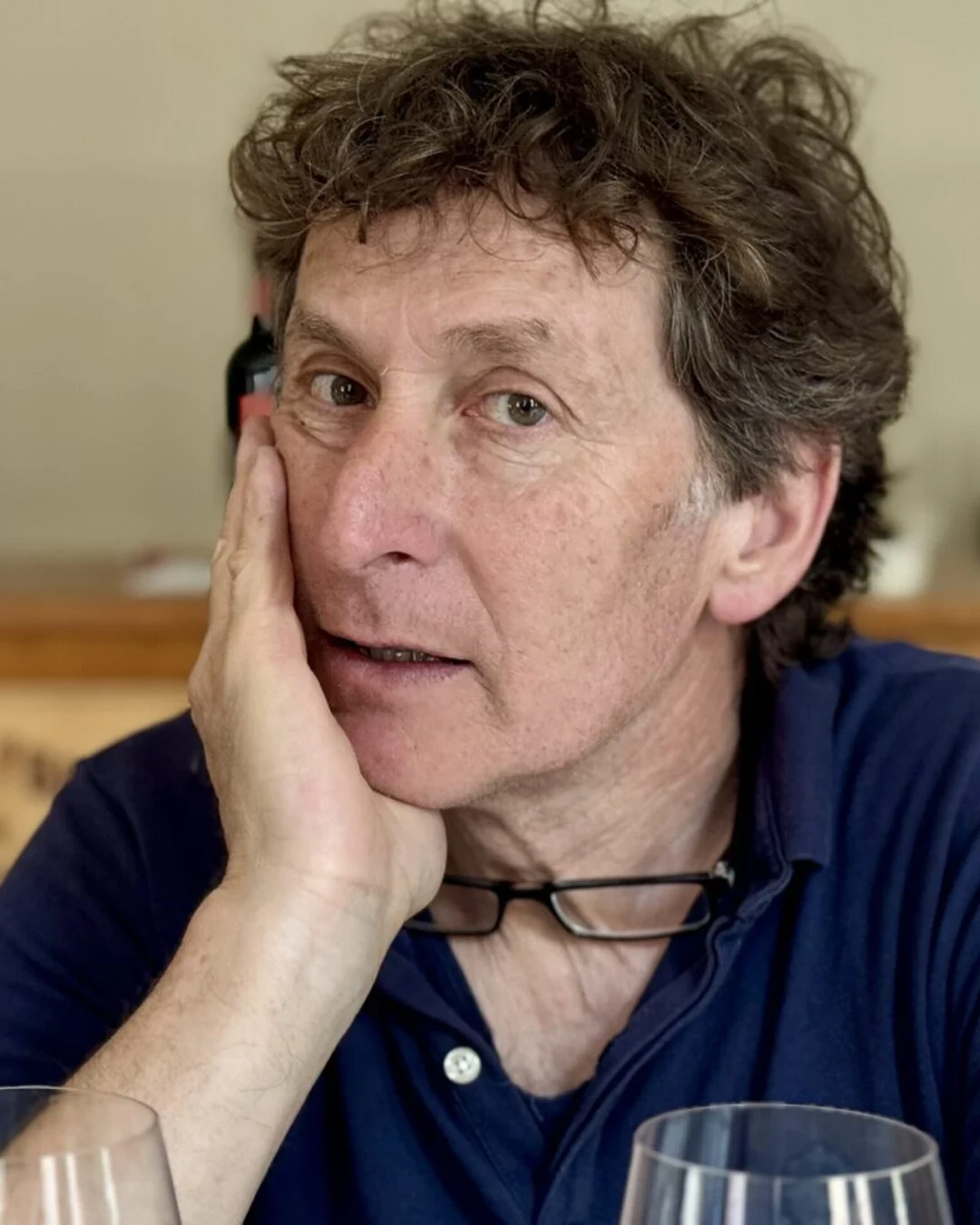
Family history gives context without dominating. Luigi Verdi moved from grape growing into winemaking; Bruno Verdi’s postwar bottling under the family name fixed the modern identity; Paolo Verdi now represents the current cellar voice, with more than thirty years of winemaking experience. Those credentials show the slow modernization typical of serious Oltrepò Pavese producers: better cellar control, clearer parcel expression and stronger focus on local varieties that deserve attention.
How to place it in a Canneto Pavese wine day
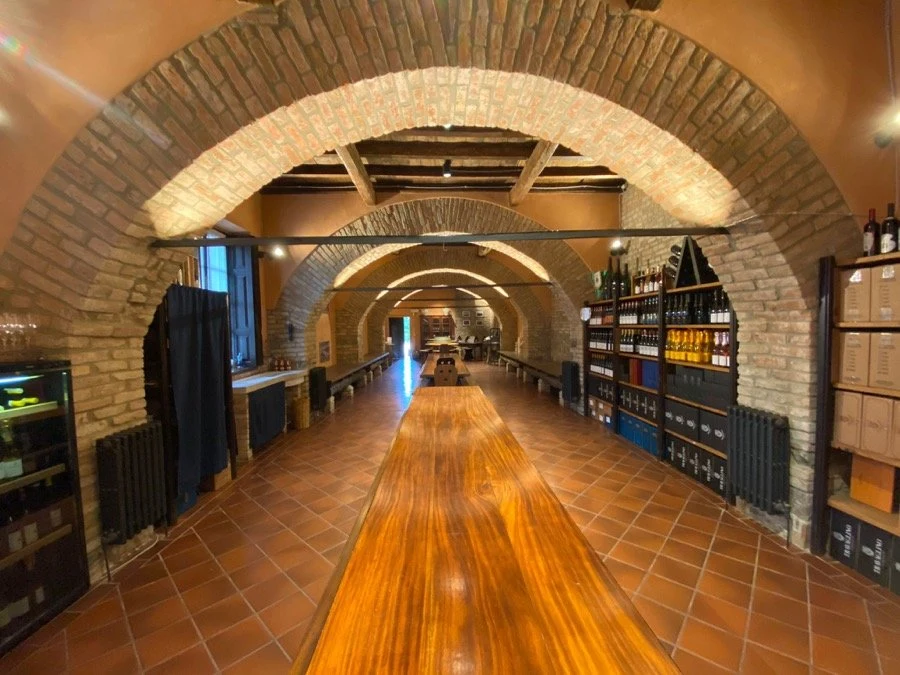
Bruno Verdi suits travelers seeking a quieter, vineyard-led reading of Canneto Pavese rather than high-volume hospitality. The setting is rural, the capacity tier small, the atmosphere quiet, and visits appointment only, with Italian listed for tours. Tastings are estate- and vineyard-focused, typically 60 to 90 minutes. Outdoor seating and vineyard views support the countryside mood, while no food-pairing program keeps emphasis on wines and parcels rather than a staged lunch.
Practically, it fits wine education, a small group outing, solo exploration or a romantic countryside stop better than families with children or travelers seeking a drop-in bar. Street parking is listed, the wine club is not part of the model, and shipping is not listed, so plan around the estate visit and bottles available at the source rather than a membership pipeline. The price level is $$, matching the small-estate, regional-wine proposition rather than luxury resort hospitality.
For a fuller Canneto Pavese itinerary, use nearby category guides rather than asking the winery to carry the whole day: Our full Canneto Pavese restaurants guide, Our full Canneto Pavese hotels guide, Our full Canneto Pavese bars guide and Our full Canneto Pavese experiences guide fill gaps around a tasting appointment. Within the local winery map, read the area through producers such as Cantine Giorgi, Fiamberti Vini and Quaquarini Francesco, each helping explain why Canneto Pavese has more depth than its quiet profile suggests.
Travelers building a broader European wine route can compare the format with other small-estate pages, from 3GP SRL in Treviso, 47 Anno Domini in Trebaseleghe, A Mano Wine in Noci, a6mani in Fragagnano and Abbadia Ardenga in Torrenieri to »der Steiner« Hans Steiner in Podersdorf am See and & Handwein in Mannheim. Bruno Verdi’s place is clear: not a grand hospitality stage, but a compact Lombard cellar where the hills around Canneto Pavese remain the main event.
Questions
Frequently asked
Who works at Bruno Verdi?
Made By profiles Paolo Verdi (Winemaker) at Bruno Verdi.
How expensive is Bruno Verdi?
Bruno Verdi is listed at a price level of $$.
The field
How it compares
| Place | Notes | Awards |
|---|---|---|
| Bruno Verdi | Canneto Pavese / Vergomberra, $$ | · |
| Cantine Giorgi | Canneto Pavese | · |
| Domaine Bonneau du Martray | Pernand-Vergelesses | · |
| Fiamberti Vini | Canneto Pavese | · |
| Quaquarini Francesco | Canneto Pavese | · |
| Ridge Vineyards | Cupertino | World's 50 Best |
| The Macallan | Aberlour | · |