Cantine Giorgi
- 01CityCanneto Pavese, Italy
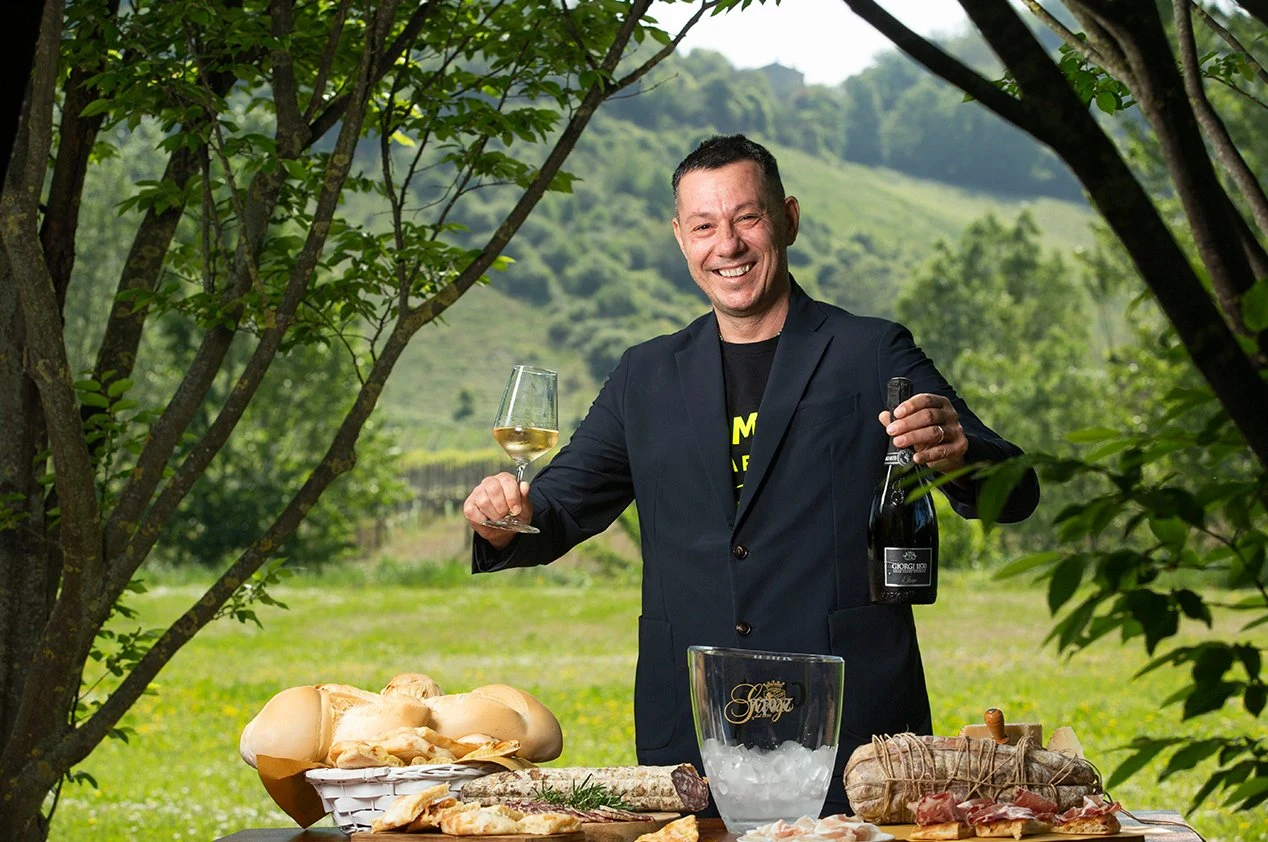
- Falstaff Winery - Listed · 2026
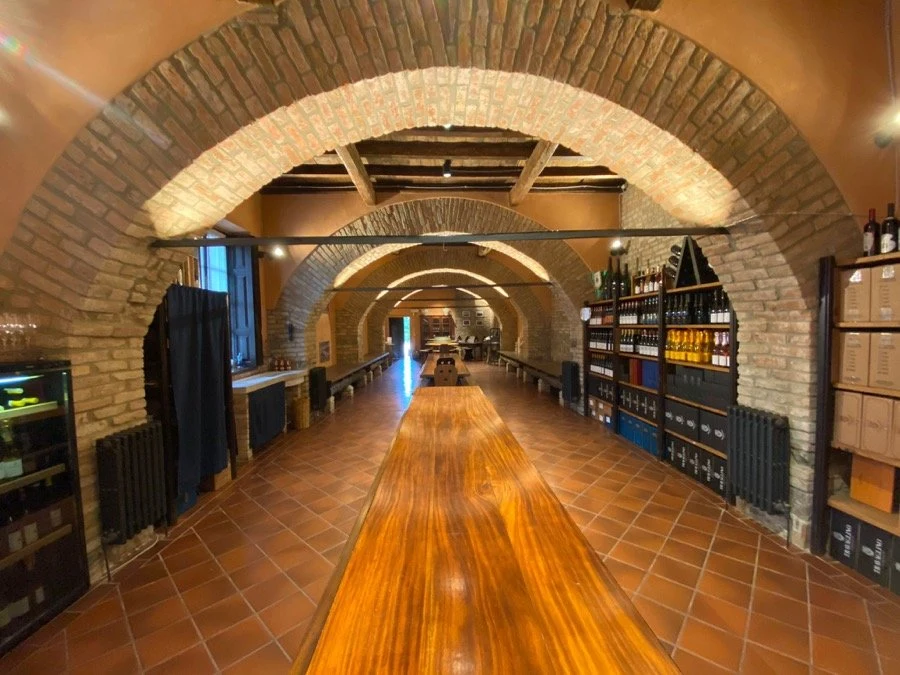
In Canneto Pavese, the winery experience is defined less by polished spectacle than by the working grammar of Oltrepò Pavese: cellar complexes, vineyard slopes, family names repeated across generations, and a regional identity built around Pinot Nero and local red varieties. Cantine Giorgi fits that tradition at a larger scale than the quiet atmosphere might suggest. The house dates to 1875, and its present shape combines historic family stewardship with a technologically advanced cellar added in 1970.
Oltrepò Pavese occupies a specific place in Italian wine culture. It is Lombardy rather than Piedmont or Tuscany, but its hills carry a serious claim on Pinot Nero, with the region accounting for roughly 75 percent of Italy’s national production of the grape. That fact matters in the glass: the local conversation is not only about still reds, but also about Metodo Classico sparkling wines, frizzante styles, rosé, and the way Pinot Nero behaves on clay-limestone soils at hill elevations.
Pinot Nero country, with Bonarda and Croatina close behind
The stronger reading of Cantine Giorgi begins with terroir rather than family myth. Its vineyards include areas such as Montecalvo Versiggia, Santa Maria della Versa and Rocca de’ Giorgi, with elevations between 250 and 400 meters. Clay and limestone form the structural base, giving the estate a natural fit for Pinot Nero while leaving space for regional grapes including Bonarda, Barbera and Croatina.
The portfolio reflects that split identity. Spumante GIORGI 1870 Metodo Classico DOCG is built from 100 percent Pinot Noir, placing the house inside Oltrepò Pavese’s sparkling-wine argument rather than the more familiar still-red narrative attached to many Italian regions. The cellar also works with Pinot Nero Frizzante vinified in white, rosé sparkling wine, and Bonarda La Brughera DOC from Croatina. For travelers used to reading Lombardy through Milan dining rooms or Franciacorta labels, Canneto Pavese offers a more agricultural, less choreographed view of the region’s wine culture.
Scale is part of the story. Cantine Giorgi works 35 hectares and produces about 1,000,000 bottles annually, with exports reaching 59 countries and more than 160 agents in Italy. That is not the tiny-grower model many visitors associate with rural wine tourism. It is a family enterprise operating with national and international distribution while retaining a regional vocabulary: Pinot Nero, Metodo Classico, Bonarda, Croatina, and cellar-led continuity.
A family cellar where technology changed the house without erasing the region
The modern turn came in 1970, when Gianfranco and Antonio Giorgi built a second, technologically advanced cellar in Canneto Pavese. That date is useful because it marks a broader shift in Italian wine: family estates moving from local village supply toward controlled production, wider distribution, and clearer brand identity. At Giorgi, the division of labor followed that logic, with enological direction on one side and commercial expansion on the other.
Today, Fabiano Giorgi directs the company, with Eleonora Giorgi in administration and Ileana Giorgi handling international relations. Andrea Bonfanti is named as winemaker, and the production approach is conventional rather than biodynamic or natural-wine coded. Vineyard work includes the castigata pruning method, natural-product soil fertilization, selected harvests, and controlled fermentation. Those details put the winery in a pragmatic Italian category: tradition presented through managed technique, not through rusticity as performance.
Recognition gives the cellar a credible signal beyond local affection. The wines have received Gambero Rosso Tre Bicchieri and Five Bunches from the Sommelier association, two awards that matter in the Italian context because they travel across restaurant lists, enoteche and collector conversations. For readers building a wider itinerary, nearby Canneto Pavese wine addresses include Bruno Verdi, Fiamberti Vini and Quaquarini Francesco, each useful for understanding how concentrated this small wine area is.
How to read the visit in Canneto Pavese
The atmosphere is classic, rustic, quiet and polished rather than theatrical. The useful expectation is a historic family winery and cellar complex, with guided and private tasting formats available by appointment. Italian and English are listed for tours, which makes the address workable for international travelers who want more than a cellar-door purchase but do not need a resort-style wine estate.
The experience is strongest for wine education, group outings, family visits and special occasions where the point is to understand Oltrepò Pavese through a producer with long continuity and broad reach. The house is good for groups and children, but the format is still wine-led; this is a place to connect grape, soil, cellar and region rather than to treat the visit as general countryside entertainment.
Canneto Pavese also rewards planning beyond a single tasting. For the wider local map, use Our full Canneto Pavese wineries guide alongside Our full Canneto Pavese restaurants guide, Our full Canneto Pavese hotels guide, Our full Canneto Pavese bars guide and Our full Canneto Pavese experiences guide. Travelers comparing Italian and European winery formats can also look at 3GP SRL in Treviso, 47 Anno Domini in Trebaseleghe, A Mano Wine in Noci, a6mani in Fragagnano, Abbadia Ardenga in Torrenieri, »der Steiner« Hans Steiner in Podersdorf am See and & Handwein in Mannheim.
The editorial case for Cantine Giorgi is clear: it offers Oltrepò Pavese through scale, history and Pinot Nero rather than through rarity. In a region where the grape carries national weight, the winery’s 1875 origin, 1970 cellar expansion, large production base and Italian awards make it a practical lens on how Lombardy’s less touristed wine hills present themselves in 2026.
Questions
Frequently asked
How expensive is Cantine Giorgi?
Cantine Giorgi is listed at a price level of $$.
The field
How it compares
| Place | Notes | Awards |
|---|---|---|
| Cantine Giorgi | Canneto Pavese, $$ | · |
| Bruno Verdi | Canneto Pavese | · |
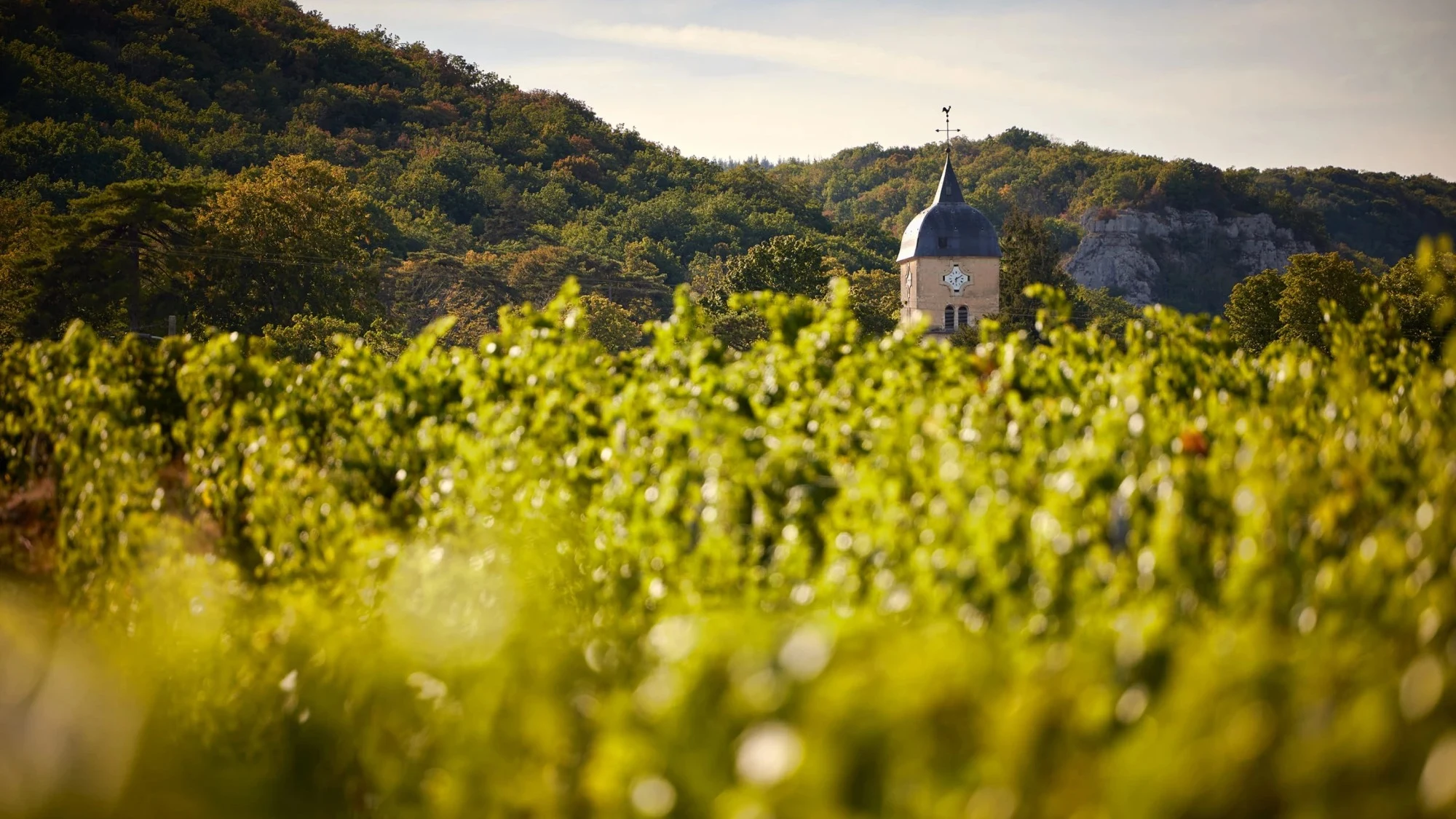
| Domaine Georges Roumier | Chambolle-Musigny | · |
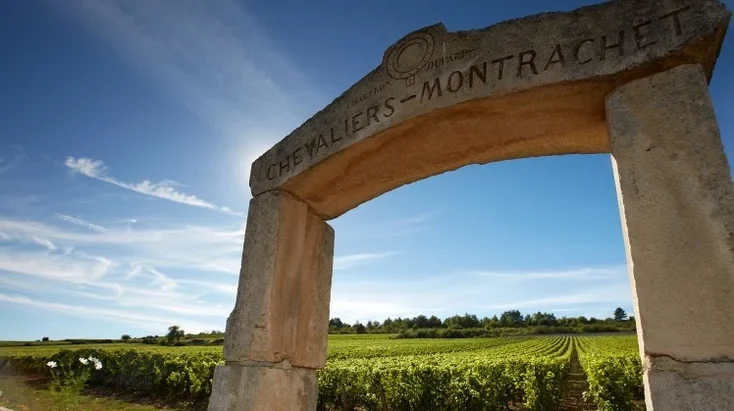
| Domaine Leflaive | Puligny-Montrachet | · |
| Fiamberti Vini | Canneto Pavese | · |
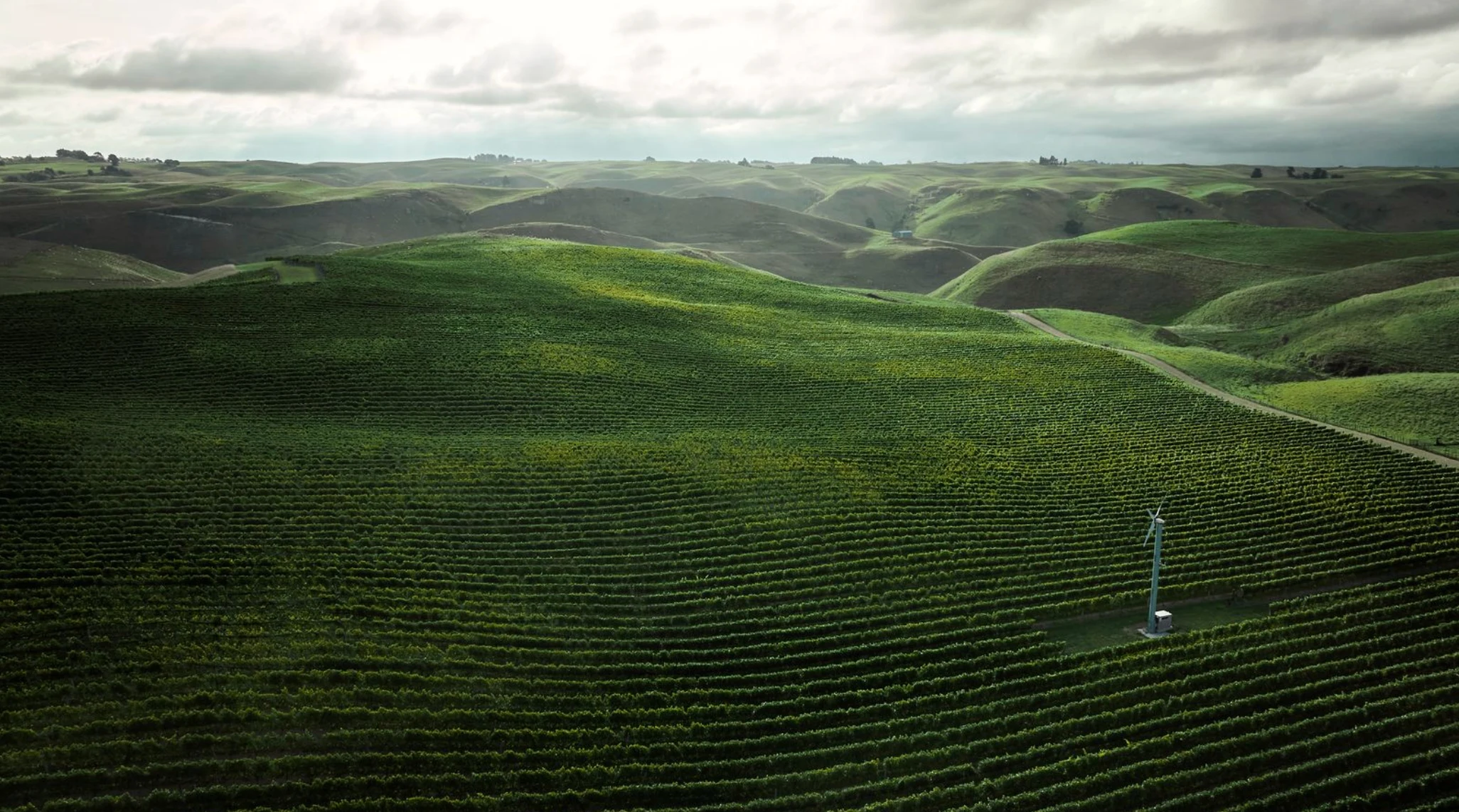
| Kumeu River Wines | Kumeu | World's 50 Best |
| Quaquarini Francesco | Canneto Pavese | · |