Can Jubany
In Residence
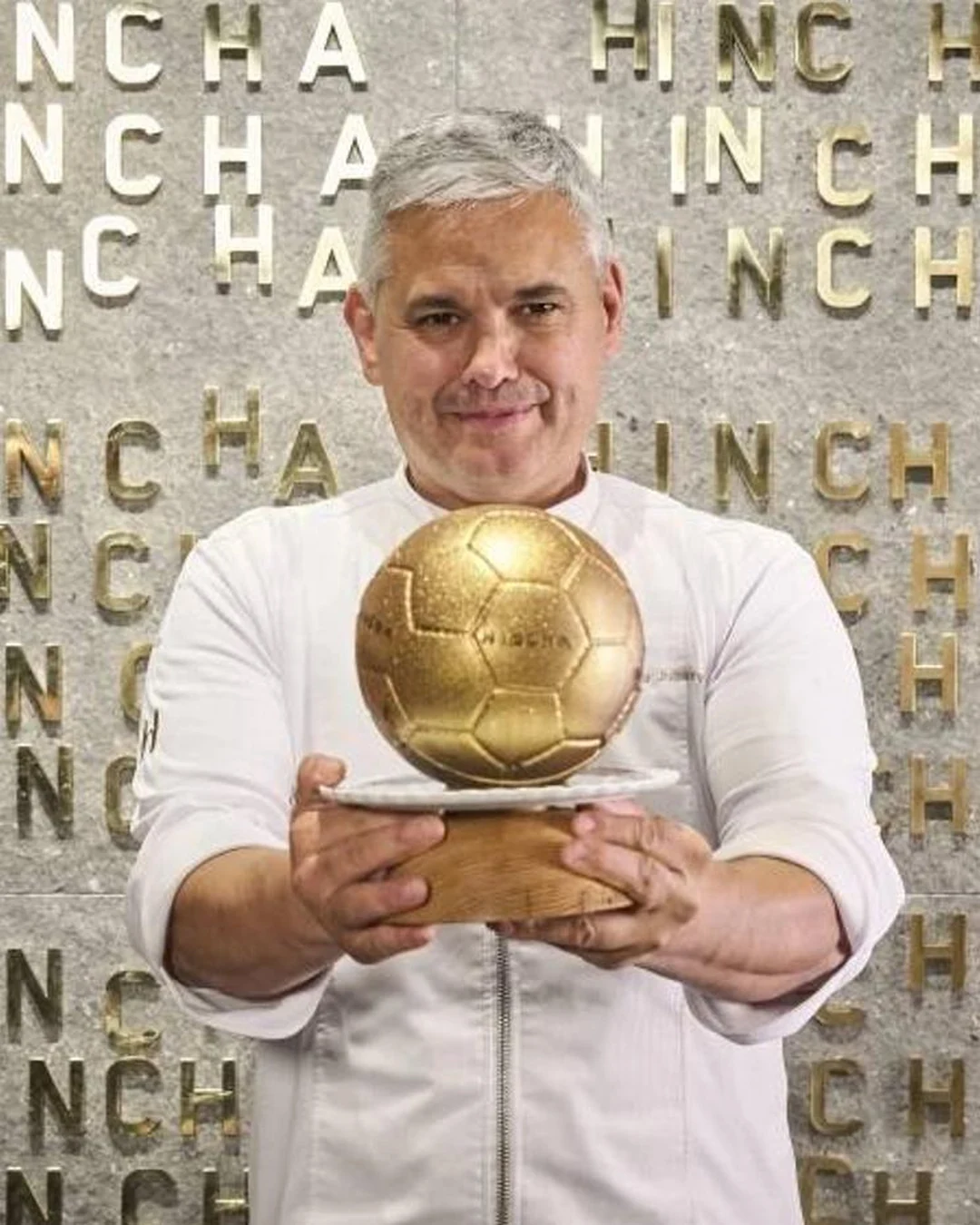
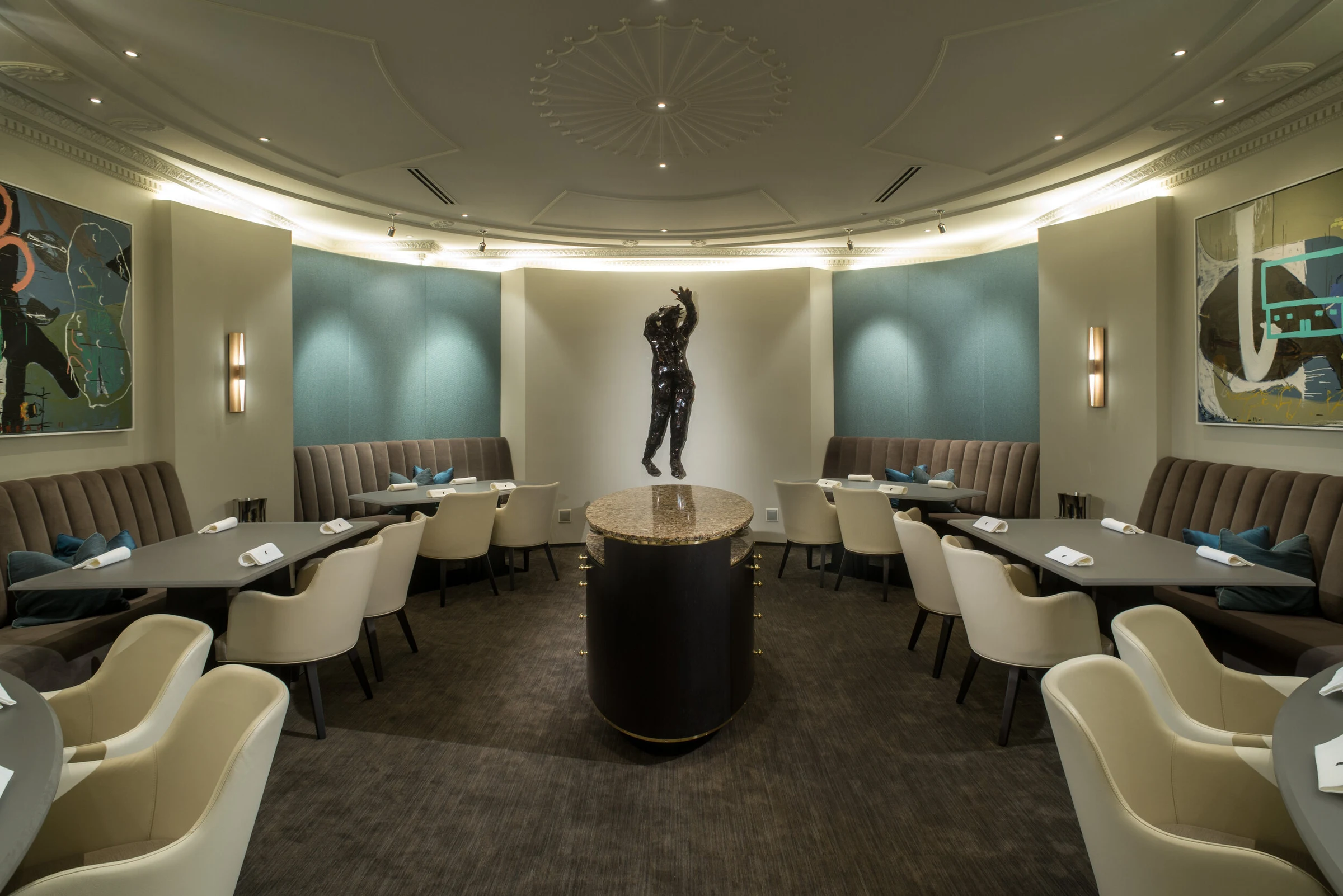
Nando Jubany
Chef
- 01CuisineRefined Traditional Catalan
- 02CityCalldetenes, Spain
- 03RecognitionOne Michelin Star
- 1 Michelin Star · Michelin Guide
- Macarfi 9.4 Food Rating · 2026
- Guía Repsol 3 Soles · 2026
- Michelin 1 Star · 2026
- La Liste Top Restaurants: 92pts · 2026
- We're Smart World 3 Radishes · 2025
- Opinionated About Dining Top Restaurants in Europe Ranked #177 · 2025
- La Liste Top Restaurants: 92.5pts · 2025
- Michelin 1 Star · 2025
- Opinionated About Dining Top Restaurants in Europe Ranked #202 · 2024
- Michelin 1 Star · 2024
- Opinionated About Dining Top New Restaurants in Europe Ranked #147 · 2023
A Farmhouse Table in the Osona Countryside
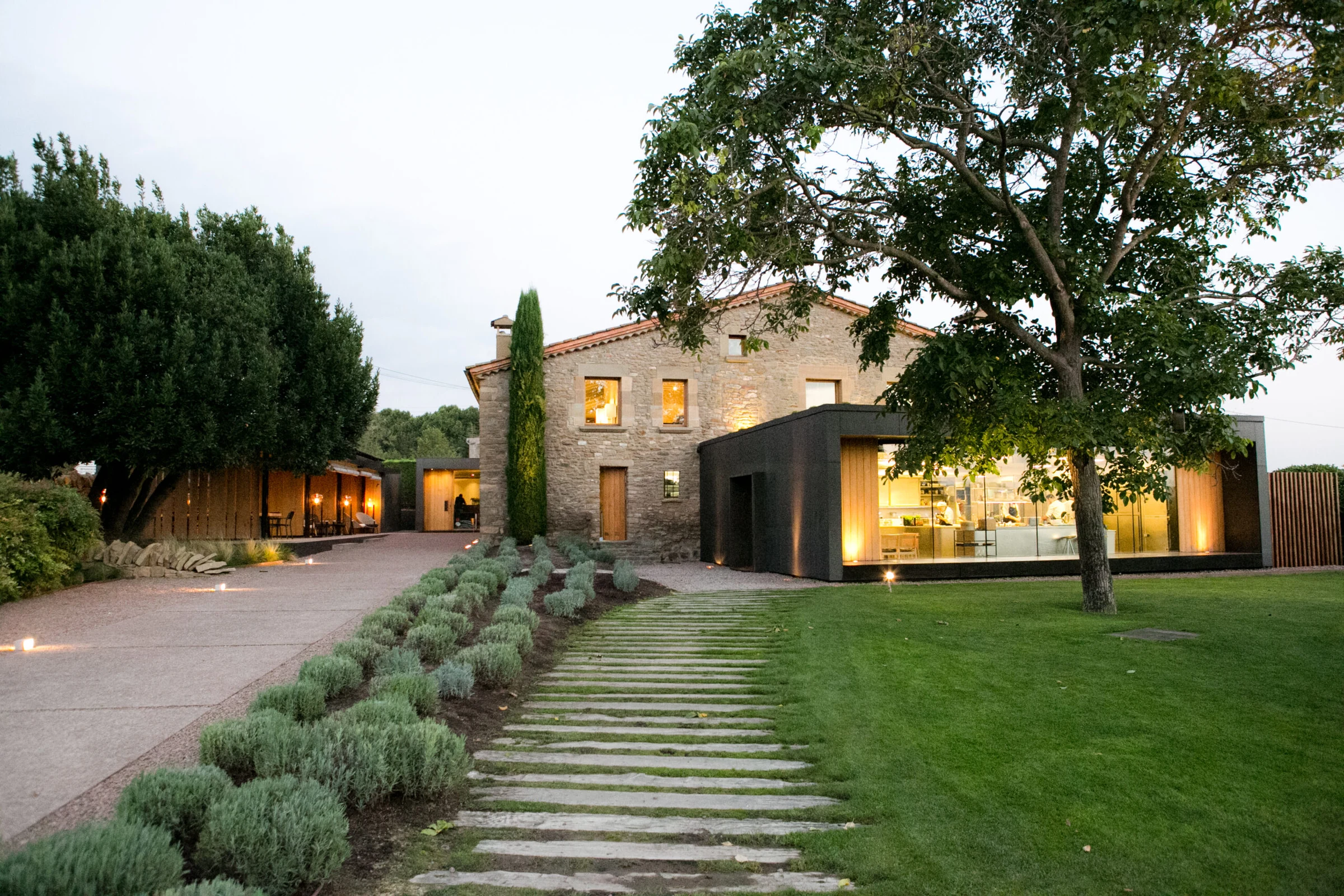
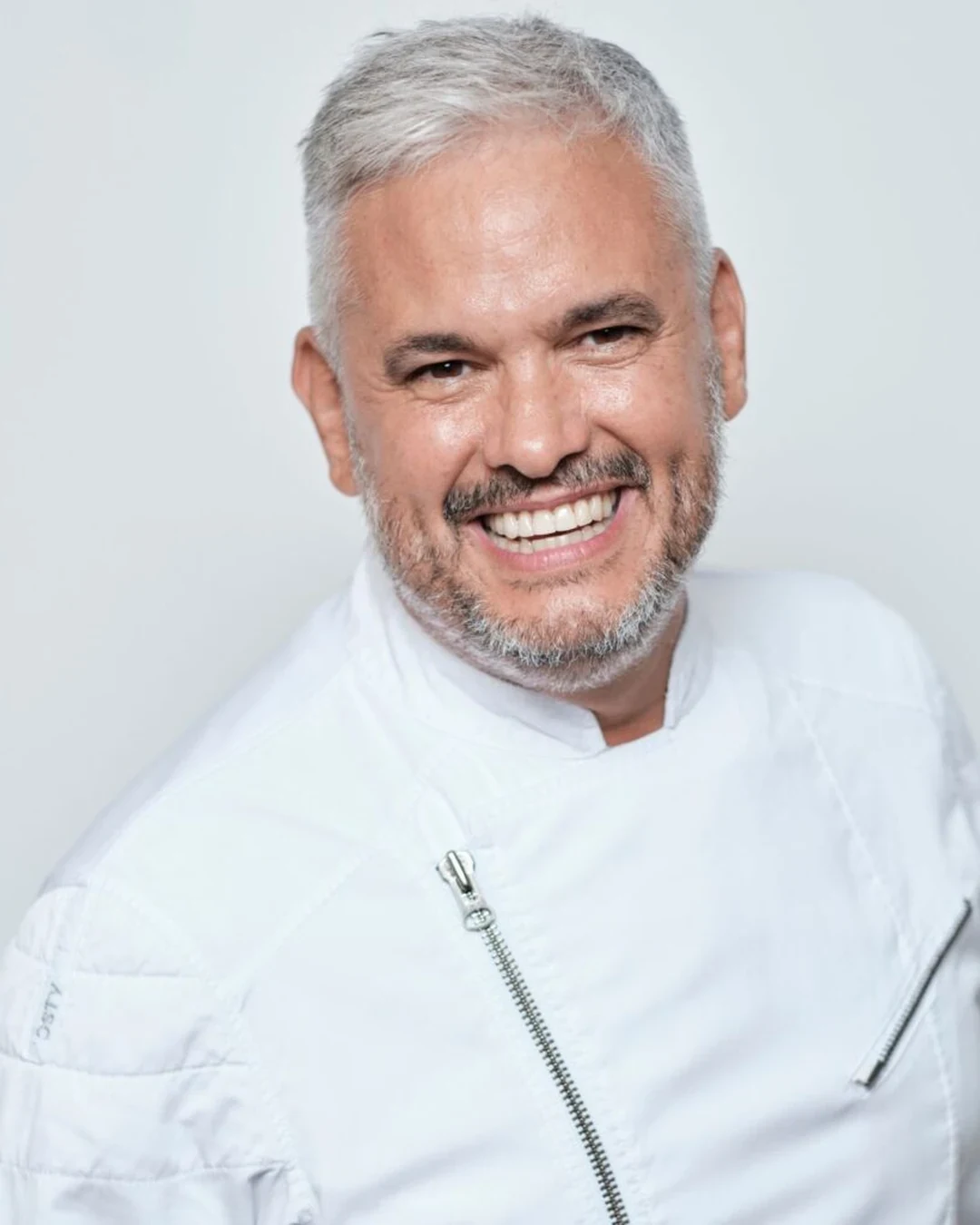
Can Jubany is a one-star restaurant in Calldetenes, Barcelona, serving refined traditional Catalan cuisine from a working farmhouse, at about $175 per person. The approach to Can Jubany sets expectations before you reach the door. The road from Vic into Calldetenes deposits you at a Catalan farmhouse, a masia, flanked by a working vegetable garden that visibly supplies the kitchen. This is not decorative ruralism. The garden sits between the car park and the entrance deliberately, as both a statement of sourcing philosophy and a practical primer on what the kitchen is working with that season. Inside, the rooms move between exposed stone, warm timber, and contemporary detailing: a rustic-contemporary register that reads more considered than accidental.
In the broader geography of Catalan fine dining, Can Jubany occupies a specific and somewhat unusual position. Most of the region's destination restaurants cluster either in Barcelona or along the Costa Brava near Girona. Can Jubany sits in the Osona comarca, inland, away from both tourist circuits, in a town with fewer than 2,000 residents. That placement has consequences for the dining experience. The clientele is largely purposeful, people who have driven from Barcelona, Vic, or further, and the atmosphere reflects that: attentive without being performative, focused without being hushed. For a comparison point closer to the coast, El Celler de Can Roca in Girona operates within the same Catalan tradition but in an urban setting with a very different energy and a three-star tier above.
The Sunday letter
Find new places through the people who run them.
Our Sunday email brings you the chefs, winemakers and hoteliers behind our newest stories. See a sample before you subscribe.
See a sample of the Sunday emailOne email a week. Unsubscribe from any issue.
The Menu Architecture: Tradition as a Starting Point
Can Jubany offers three routes into the cooking: an à la carte and two set menus, one named "A stroll around Catalunya" and the other "The Great Can Jubany Feast." The distinction between the two menus in length and ambition is clear enough from the names, but both are structured around the same underlying logic, Catalan ingredients, seasonal produce from the estate garden, and a cooking approach that treats regional technique as a foundation rather than a constraint.
The editorial angle worth noting is how the menu structure differs from the tasting-only format common at Spain's highest-profile restaurants. At Disfrutar in Barcelona, the menu is fixed and non-negotiable. At Mugaritz in Errenteria, the proposition is conceptually demanding and explicitly anti-choice. Can Jubany retains the à la carte, which is a meaningful decision at the €€€€ price tier. It signals a different relationship with the guest, one that accommodates the table that wants to compose its own meal rather than submit to a single authorial sequence.
The dishes cited in La Liste's documentation give a useful cross-section of the kitchen's range: dry rice with sea cucumber and crayfish broth, grilled tuna belly with fruit and salt from bacalhau, sea cucumber with grilled bacon and onion from Figueres, cannelloni of roast chicken with creamy mussels, roasted suckling pig with seasonal garden vegetables, and vanilla brioche rum baba with ice cream. The list spans land and sea, references specific Catalan producers and ingredients (onion from Figueres is a deliberate regional marker), and covers a register from slow-roasted main courses to technically refined rice dishes. The bacalhau reference is a nod to the Catalan relationship with salt cod, which runs deep in the regional kitchen and continues to appear in contemporary form at restaurants across the territory.
This approach places Can Jubany in the same broad current as Ricard Camarena in València, where the emphasis is also on local produce and regional anchoring within a contemporary cooking framework, rather than the more internationally inflected creativity of DiverXO in Madrid or the conceptual extremity of Azurmendi in Larrabetzu.
Sharing, Sequence, and the Catalan Table
The editorial angle here is worth pressing on. The small-plates tradition, the instinct to share, to order broadly, to compose a table meal through several rounds of dishes rather than a single personal sequence, is not native to the formal Catalan restaurant in the way it is to the Barcelona tapas bar or the pintxos counter in San Sebastián. But the à la carte format at a restaurant like Can Jubany creates conditions where a table of two or four can approximate that logic if they choose to. The rice dishes and the sharing-friendly starters on the menu lend themselves to a style of eating where the table participates in composition, even within a white-tablecloth service structure.
This is not the same thing as the sharing formats you encounter in more casual Catalan cooking. The masia setting and Michelin-starred kitchen set a different register entirely. But the retention of choice, the ability to build a meal from à la carte rather than submitting to a fixed sequence, keeps alive something of the social architecture of the Catalan table, where the act of eating together involves collective decision-making rather than parallel individual journeys through the same menu. At restaurants like Arzak in San Sebastián or Aponiente in El Puerto de Santa María, that option has largely disappeared in favour of total menu control. Can Jubany occupies a position where the guest retains more agency.
Credentials and Recognition
Can Jubany's recognition is consistent across multiple sources. The restaurant holds one Michelin star and scored 92.5 points on La Liste in 2025. The Google rating of 4.8 across 2,577 reviews is unusually high for a restaurant at this price and formality tier. Taken together, these signals indicate sustained performance rather than a single year of recognition.
The La Liste placement puts Can Jubany in the same scoring bracket as a range of European one-star and two-star restaurants. It is not operating at the level of Martin Berasategui in Lasarte-Oria or Quique Dacosta in Dénia in terms of Michelin tier, but the OAD ranking and La Liste score suggest a restaurant that the informed dining community rates above its single-star status might imply. For reference, internationally tracked restaurants at similar price points, such as Le Bernardin in New York City or Atomix in New York City, operate in competitive markets where recognition accumulates differently. Can Jubany's rural Osona placement means it reaches its scores without the amplification that urban location and international tourist flow would provide. That context matters when reading the numbers. And for a broader picture of Spanish fine dining at the highest tier, Atrio in Cáceres offers an interesting parallel as another destination restaurant operating at serious level outside Spain's major cities.
Planning a Visit
Can Jubany closes on Sundays and Mondays. Lunch service runs from 1:15 PM to 3:30 PM Tuesday through Saturday. Dinner runs from 8:30 PM to 10:00 PM Wednesday through Saturday, with no dinner service on Tuesdays. The restaurant sits at Ctra. de Sant Hilari, s/n, in Calldetenes, approximately ten kilometres from Vic and around 70 kilometres north of Barcelona. The drive from Barcelona takes roughly an hour, making it a viable lunch destination from the city if you time the journey against traffic. Calldetenes itself offers little beyond the restaurant as a destination, so the meal is the point of the trip rather than part of a wider programme. Pairing it with time in Vic, a city with a serious Saturday market and a well-preserved medieval centre, makes logistical sense if you are travelling from Barcelona or further afield.
Questions
Frequently asked
What recognition does Can Jubany hold?
Can Jubany holds 1 Michelin star.
Who works at Can Jubany?
Made By profiles Nando Jubany (Chef) and Nandu Jubany (Chef) at Can Jubany.
How expensive is Can Jubany?
Can Jubany is listed at a price level of $$$$.
Where is Can Jubany and what does it serve?
Can Jubany is in Calldetenes, Calldetenes, serving Refined Traditional Catalan.
The field
How it compares
| Place | Awards | Cuisine | Notes |
|---|---|---|---|
| Can Jubany | Michelin 1 Star | Refined Traditional Catalan | Calldetenes, $$$$ |
| Alinea | Michelin 3 Stars, World's 50 Best | Avant-Garde Molecular Gastronomy | Chicago |
| Daniel | Michelin 1 Star, World's 50 Best | Modern French Fine Dining | New York City |
| DiverXO | Michelin 3 Stars, World's 50 Best | Avant-Garde Spanish Tasting Menu | Madrid |
| Kabawa | World's 50 Best | Modern Caribbean Prix Fixe | New York City |
| Quintessence | Michelin 3 Stars | Modern French Fine Dining | Tokyo |
| The Inn at Little Washington | Michelin 3 Stars | Contemporary American Fine Dining with French Influence | Washington |
In residence
Similar places
Avant-Garde Molecular Gastronomy
Alinea
Chicago, United States
★★★ · 50 Best
Modern French Fine Dining
Daniel
New York City, United States
★ · 50 Best
Avant-Garde Spanish Tasting Menu
DiverXO
Madrid, Spain
★★★ · 50 Best
Modern Caribbean Prix Fixe
Kabawa
New York City, United States
50 Best
Modern French Fine Dining
Quintessence
Tokyo, Japan
★★★
Contemporary American Fine Dining with French Influence
The Inn at Little Washington
Washington, United States
★★★

The Sunday letter
Get the next Made By story in your inbox.
We send one email every Sunday morning with the places and people we covered that week.
See a sample of the Sunday emailOne email a week. Unsubscribe from any issue.