Cantina Tollo
- 01CityTollo, Italy
- Falstaff Winery - 3 Stars · 2026
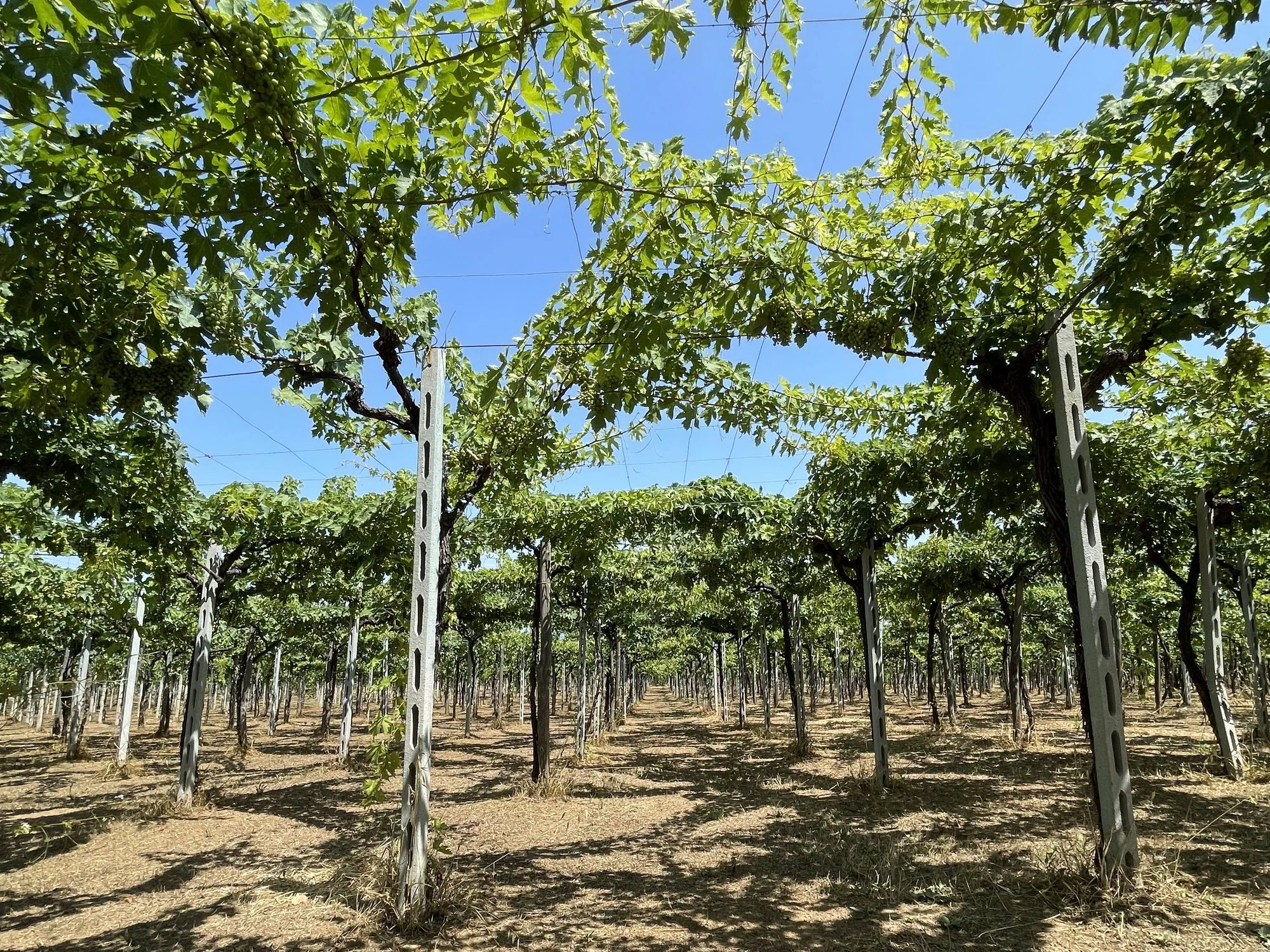
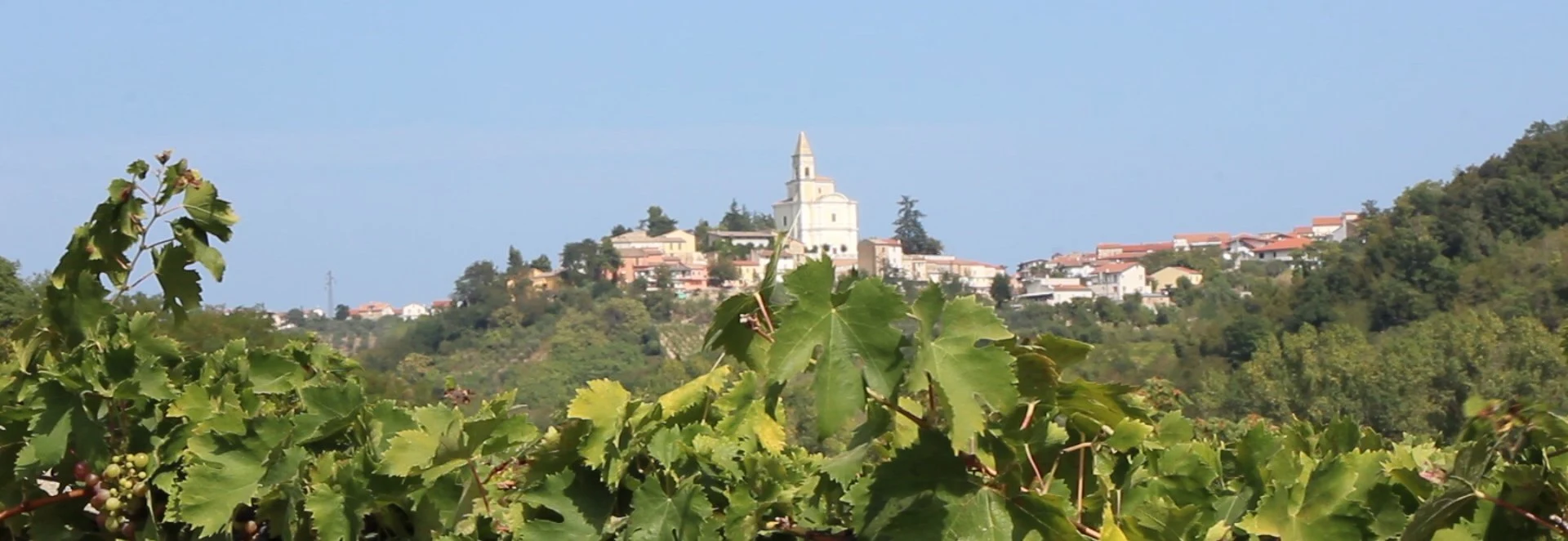
Cantina Tollo in Tollo is presented here with only the details available: it is a large, professional cooperative winery with a modern yet rooted-in-tradition feel, surrounded by Abruzzo countryside. Visitors highlight a beautiful, well-kept cellar, exhibitions of ancient wine jars, and an atmosphere focused on showcasing the local wine setting rather than a restaurant-style dining experience. That distinction is important: the appeal described is not built around a long meal, a chef-led format, or a list of hospitality extras, but around the sense of entering a working wine environment that is organised, polished, and visibly connected to its territory.
The clearest reason to consider Cantina Tollo is its cooperative-winery character in Tollo and its countryside setting. It reads as a place where scale and local identity sit side by side: professional enough to feel structured and purposeful, but still presented through the lens of Abruzzo’s rural surroundings and the area’s wine culture. For visitors who like to understand a destination through its producers and landscapes, that combination gives the stop its practical value.
Abruzzo terroir seen through a cooperative lens
Cantina Tollo is best understood as a professional cooperative winery rather than a small private cellar. The description points to a modern operation that still presents itself as rooted in local tradition, with the surrounding Abruzzo countryside forming part of the visit’s appeal. This cooperative frame matters because it shapes expectations: the experience is less about the intimacy of a tiny family room and more about seeing wine culture expressed through a larger, more organised local institution.
That does not make the visit impersonal. On the contrary, the available details suggest that the atmosphere is carefully maintained and deliberately connected to place. A modern feel can sometimes imply something detached from local history, but here the emphasis remains on tradition, cellar presentation, and the broader setting of Tollo. The countryside is not just background scenery; it helps explain why the winery belongs where it is and why the visit is tied to Abruzzo rather than to a generic tasting-room model.
The cellar setting is a key part of the experience. Visitors note a beautiful, well-kept space with exhibitions of ancient wine jars, which gives context to the area’s wine culture without requiring unsupported claims about specific production methods or named wines. Those jars add a historical texture to the visit, giving guests something to look at and think about beyond bottles and counters. They help make the cellar feel like a place of continuity, where contemporary organisation sits alongside visible reminders of older wine traditions.
For travelers, that means the visit should be framed around place, atmosphere, and regional wine context. The price level is listed as $$, suggesting a moderate positioning, but no specific tasting prices or bottle prices are here. It is therefore safest to treat the listing as an orientation point rather than a detailed booking brief. The confirmed picture is broad but useful: a large cooperative winery, a maintained cellar, displays linked to wine history, and a setting shaped by the Abruzzo countryside.
What the cellar experience tells you about Tollo
In Tollo, Cantina Tollo offers a grounded way to encounter the area’s wine identity through a large cooperative setting. The atmosphere is modern, professional, and connected to tradition, with the countryside and cellar presentation doing much of the storytelling. Rather than relying on spectacle, the experience appears to communicate through order, scale, and a sense of local continuity.
This makes the venue especially easy to understand as a contextual stop. A traveler does not need a confirmed restaurant component or a list of named services to grasp its basic role: it is a place where the wine identity of Tollo can be approached through a cooperative cellar environment. The exhibitions of ancient wine jars help reinforce that role, offering a simple bridge between past and present and making the cellar feel more interpretive than purely commercial.
What is not confirmed matters too. This guide does not verify a specific address beyond Tollo, named services, tour schedules, lunch service, delivery, dietary accommodations, seat counts, or awards. Travelers should check current practical details directly before planning a visit. That is particularly important for anyone trying to organise a timed itinerary, arrange a tasting, confirm access, or understand whether the experience available on a given day matches what they have in mind.
The strongest appeal is the combination of scale, cooperative character, and a well-kept cellar environment with historical wine-related displays. It is a fit for visitors who want a contextual winery stop in Tollo rather than an experience defined by luxury markers. The pleasure here is in seeing a professional local wine setting presented with care, not in assuming extras that are not stated. Approached that way, Cantina Tollo offers a clear and grounded sense of place.
Where Cantina Tollo fits into a wider Italy wine itinerary
Travelers building time around Tollo can treat Cantina Tollo as a central local winery reference point. Its usefulness comes from the way it gathers several confirmed elements in one place: a cooperative structure, a modern professional feel, a rooted relationship with tradition, a maintained cellar, and the surrounding Abruzzo countryside. For an itinerary, that makes it a sensible anchor for understanding Tollo through wine without needing to frame it as a luxury destination or a restaurant stop.
For comparison, keep the focus on Cantina Tollo itself and on other Tollo options generically rather than relying on named venues or unsupported regional rankings. The most accurate way to place it is as one expression of the local wine landscape: large, cooperative, and presented with attention to cellar atmosphere and historical context. Visitors can then decide whether that profile matches the kind of wine experience they want in Abruzzo, especially if they value setting, tradition, and a clear sense of local production culture over a more elaborate hospitality narrative.
Questions
Frequently asked
How expensive is Cantina Tollo?
Cantina Tollo is listed at a price level of $$.
The field
How it compares
| Place | Notes | Awards |
|---|---|---|
| Cantina Tollo | Tollo, $$ | · |
| Bollinger | Aÿ | World's 50 Best |
| Domaine Clarence Dillon | Pessac | · |
| Domaine du Comte Liger-Belair | Vosne-Romanée | · |
| Domaine Georges Roumier | Chambolle-Musigny | · |
| Edmond Vatan | Vatan | · |
| Feudo Antico | Tollo | · |