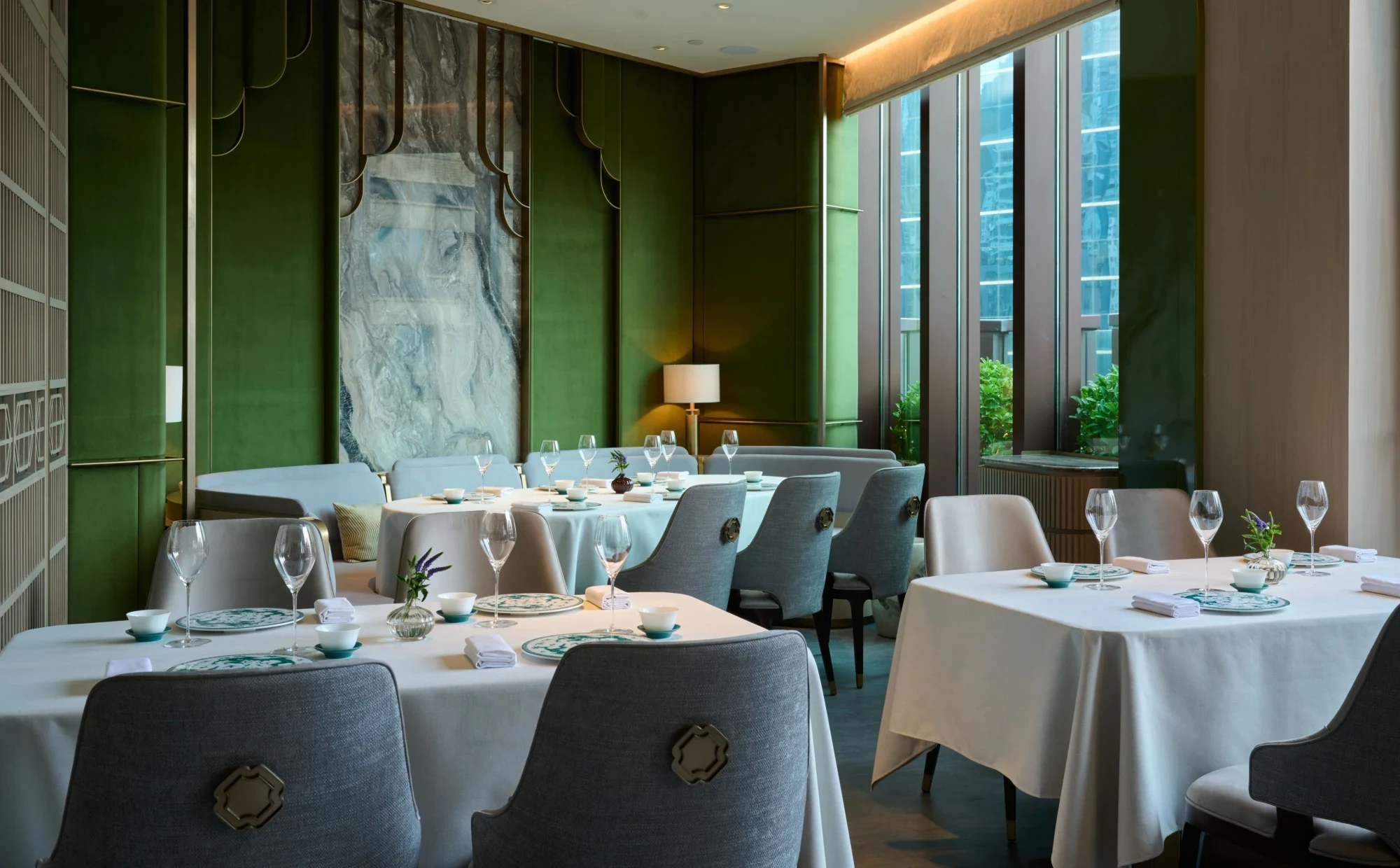
Castellana
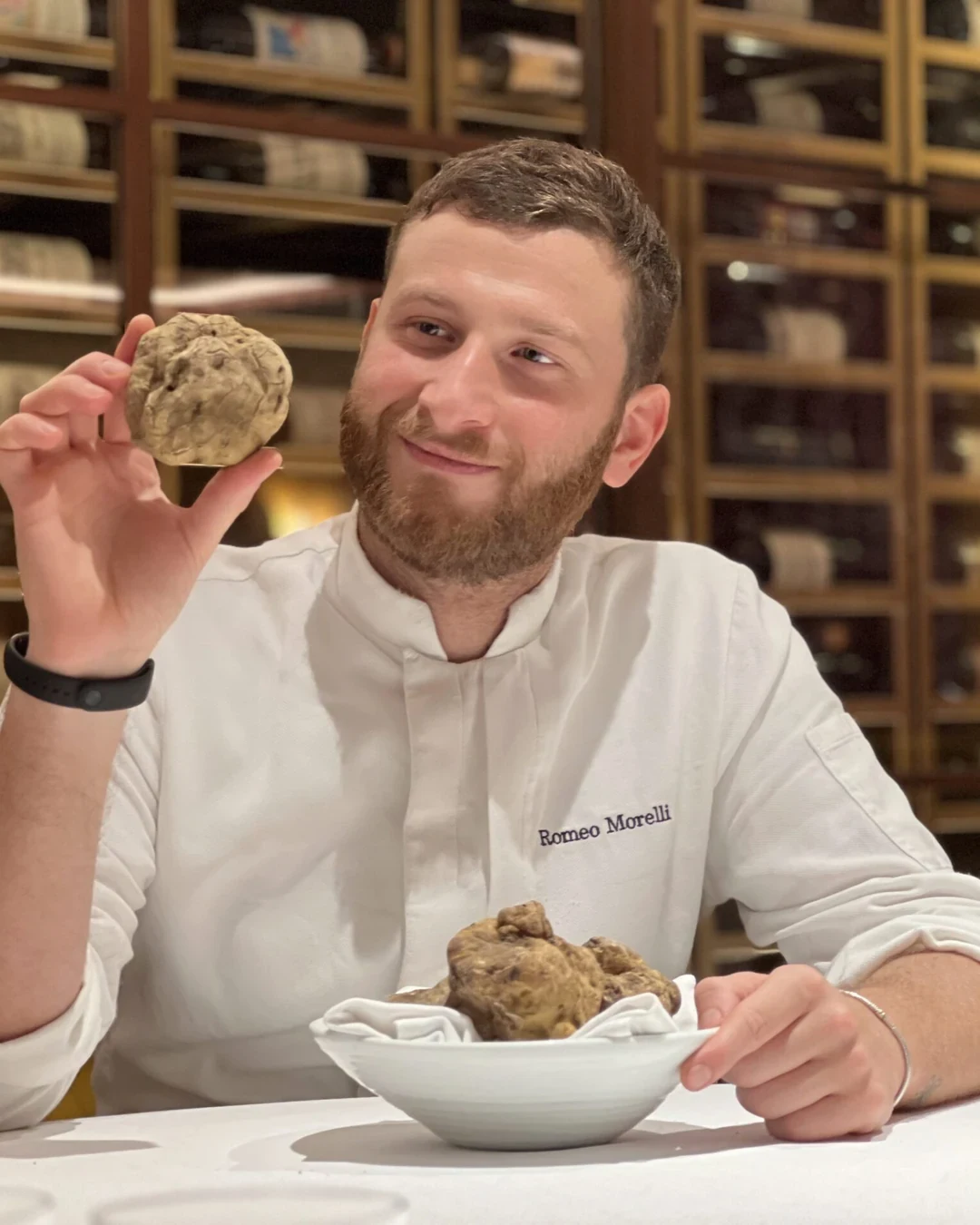
In Residence
Romeo Morelli
Chef
- 01CuisineModern Piedmontese Italian
- 02CityHong Kong, Hong Kong
- Wine Spectator · Tier 2
- Wine Spectator Best of Award of Excellence · 2025
- Opinionated About Dining Top Restaurants in Asia Ranked #378 · 2024
- Opinionated About Dining Top Restaurants in Asia Highly Recommended · 2023
Central's Italian Tier: Where Castellana Sits
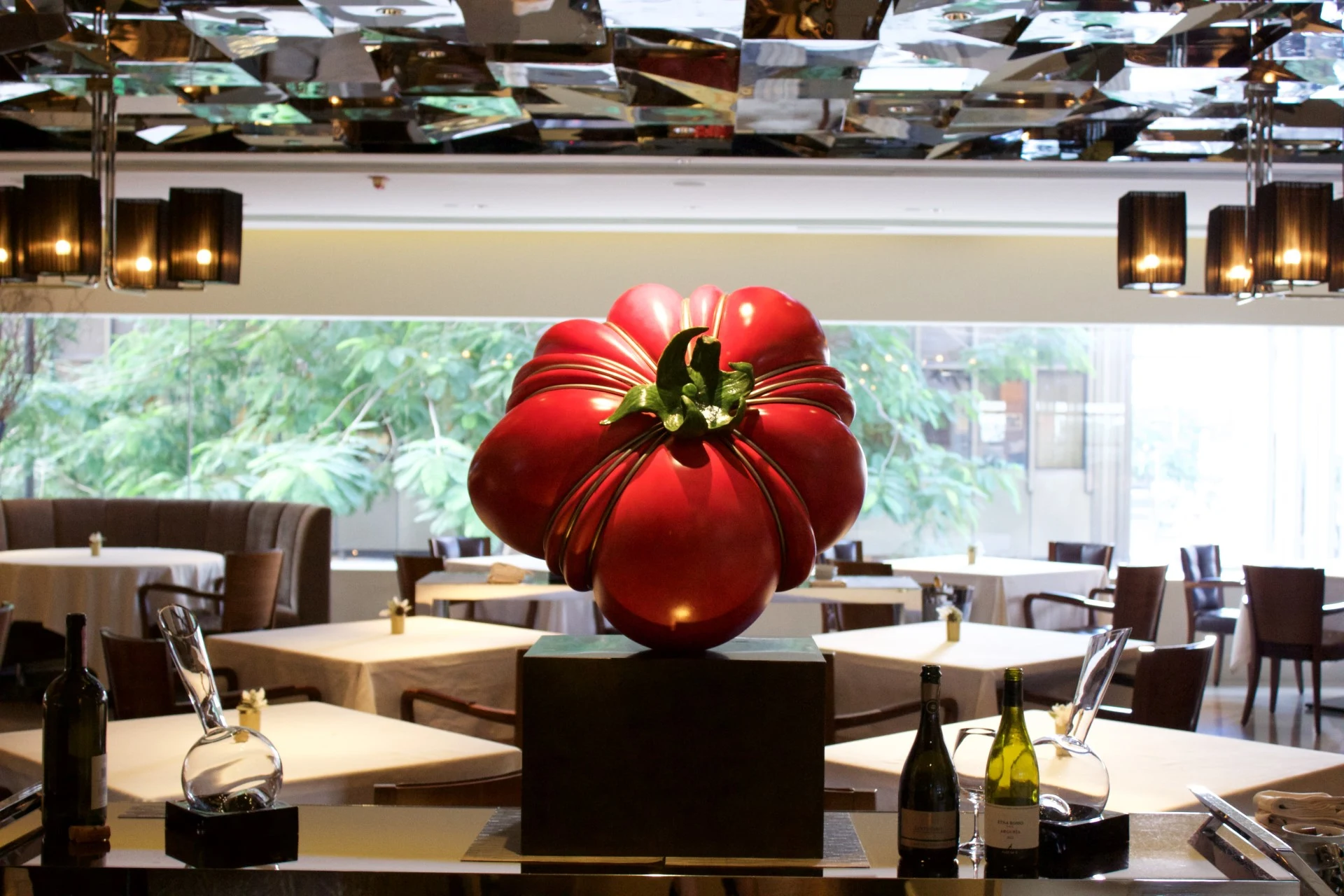
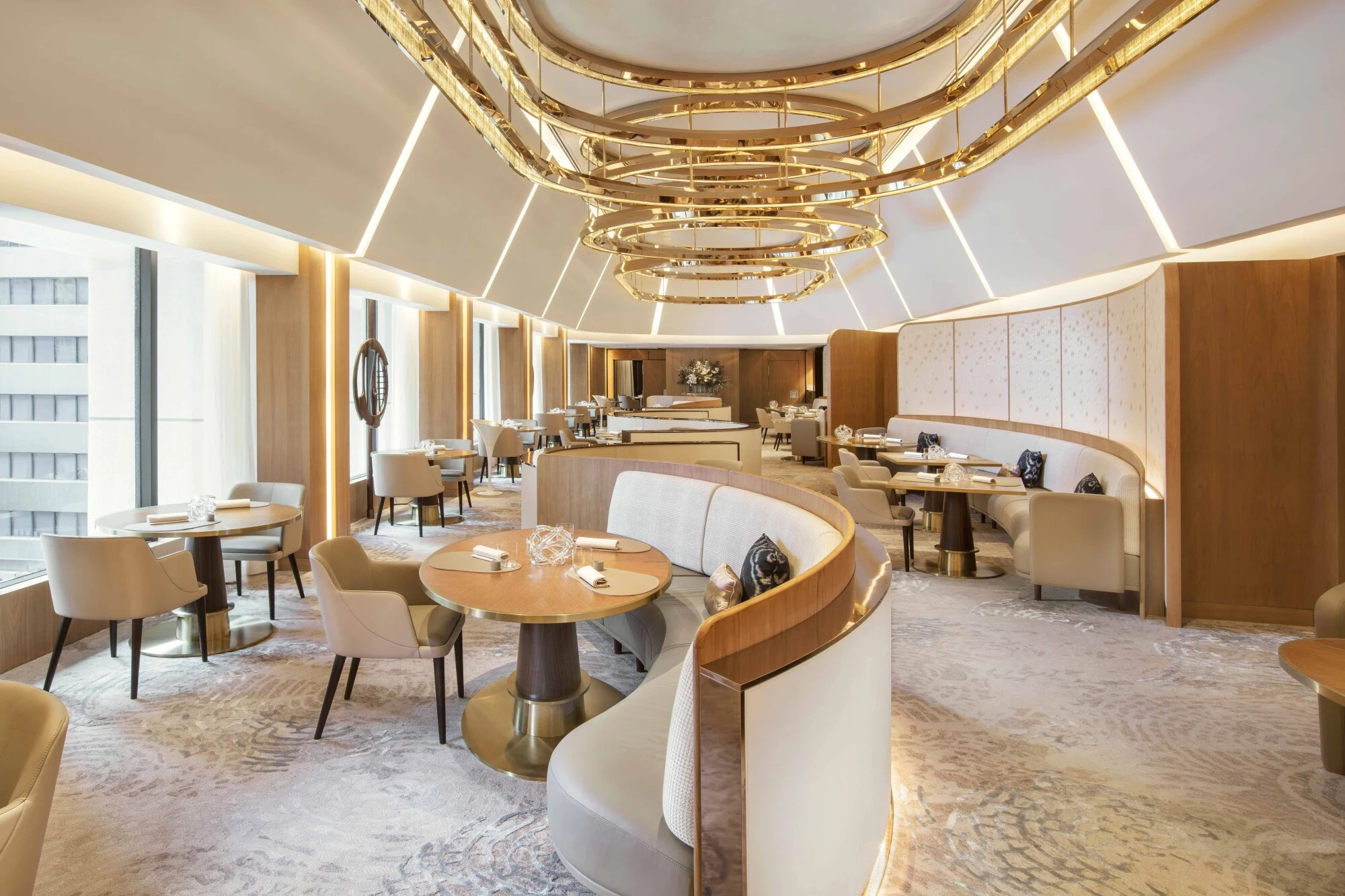
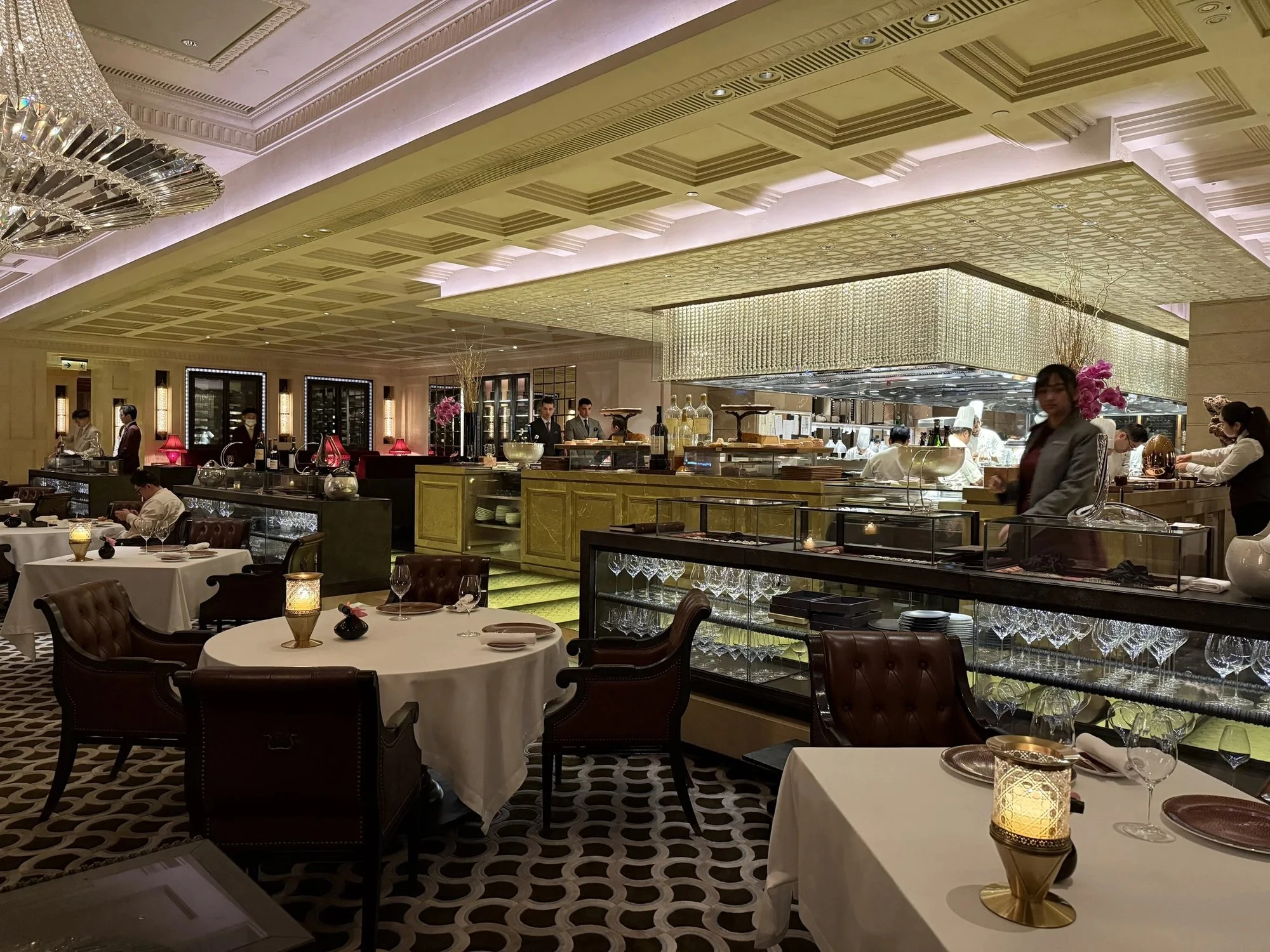
Castellana is a restaurant in Central, Hong Kong serving Modern Piedmontese Italian cuisine under chef Romeo Morelli, at a $$$$ price tier. 8 1/2 Otto e Mezzo Bombana occupies the best of that hierarchy with three stars, while Tosca di Angelo and Octavium each represent distinct interpretations of the Italian fine-dining format. Castellana, operating from the Club Lusitano Building on Ice House Street in Central, occupies a quieter position in that hierarchy, one that has drawn sustained attention from serious diners rather than headline coverage. Its Opinionated About Dining ranking of #378 in Asia for 2024, following a Highly Recommended designation in 2023, places it within a credible tier of recognised regional restaurants rather than the city's loudest tables.
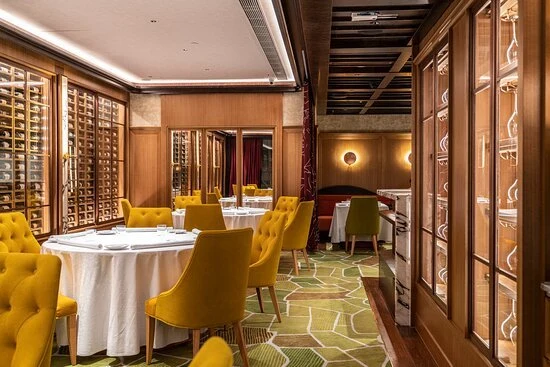
The Club Lusitano Building is itself a telling address. One of Hong Kong's oldest private clubs, its building carries a different register than the hotel dining rooms and glass-tower venues that house many of the city's Italian restaurants. The approach through Central, among the finance district's mid-rise density, frames the experience before you reach the door. Inside, the room operates at a remove from the spectacle end of the market, which is consistent with the cooking style and the seriousness of the wine program.
The Logic of the Wine List
Italian restaurants in Asia frequently treat wine as a secondary consideration, leaning on a short, recognisable list to satisfy the room without committing to genuine depth. Castellana's approach runs in the opposite direction. The list carries 665 selections across an inventory of 2,050 bottles, with declared strengths in France and Italy, two categories that, across a serious program, tend to signal either breadth or depth. At this scale, both are likely in play. Wine pricing lands at the $$$ tier, meaning the list includes a meaningful concentration of bottles above the HK$800 equivalent threshold, which is consistent with the broader $$$ cuisine pricing and positions the experience at the upper-middle range of the Hong Kong Italian market without reaching the $$$$ floor occupied by Bombana and Tuber Umberto Bombana.
Wine Director Alan Tse Chi Heng, who also serves as General Manager, is the architect of that list. The dual role is not unusual in smaller fine-dining formats, it allows front-of-house coherence between service and wine selection, and it tends to produce lists that reflect operational priorities rather than purely curatorial ones. A corkage fee of HK$75 is available for guests who bring their own bottles, which is a relatively accessible entry point by Central standards and suggests the restaurant is willing to accommodate wine-focused diners on their own terms.
Sourcing and the Italian Kitchen Abroad
Italian cooking's central tension when practised outside Italy is one of sourcing fidelity versus local adaptation. The peninsula's cuisine is built on ingredients that carry specific geographical identity: the DOP and IGP framework protects hundreds of products whose character is inseparable from their origin. Truffles from Umbria, aged Parmigiano-Reggiano, 'nduja from Calabria, and bottarga from Sardinia are not interchangeable with approximations. Kitchens that take this seriously invest in import relationships and accept the cost and logistical friction that comes with them. Those that don't tend to drift toward a generalised version of Italian cooking that satisfies the format without the substance.
At Castellana, Chef Romeo Morelli operates within this context. The kitchen serves both lunch and dinner, a schedule that demands a certain operational range and suggests the restaurant is not limiting itself to the weekend fine-dining bracket. What the menu delivers in terms of sourcing specificity is not detailed in public records available to us, but the credentialing signals, OAD recognition, the price tier, the wine program's seriousness, are consistent with a kitchen that is not cutting corners on ingredient quality. This is the pattern among the restaurants in its comparable set globally: cenci in Kyoto, Frasca Food and Wine in Boulder, and PRISMA in Tokyo each operate Italian programs in non-Italian cities where sourcing discipline distinguishes the serious operators from the approximators.
The broader Italian-in-Asia category has expanded considerably, with addresses like 8 1/2 Otto e Mezzo Bombana in Shanghai, Il Ristorante-Niko Romito in Dubai, and Armani Ristorante in Paris each representing different formats and ownership structures. What separates the restaurants that hold long-term critical recognition from those that rely on brand association is almost always the sourcing discipline in the kitchen combined with a wine program that can match it. Castellana's dual OAD recognition across consecutive years suggests that combination is present here.
Comparing the Central Italian Field
At the $$$$ price tier, Castellana sits in a different competitive band than the three-star Michelin addresses or Estro, which operates at $$$$ with a wine-bar Italian format. A closer peer within Hong Kong's Italian field is CIAK - In The Kitchen, which occupies a more casual register. The gap between Castellana and the top tier is as much about format and visibility as about quality: the Michelin $$$$ restaurants in this category carry the overhead of hotel real estate and international marketing machinery. Castellana, operating from a private club building, runs a tighter structure that shows up in the price point and the intimacy of the experience.
For guests working through Hong Kong's Italian options, the decision tree is relatively clear. The three-star Bombana experience is a specific kind of formal occasion dining. Castellana offers a more contained, wine-serious format with consistent critical recognition and a room that doesn't announce itself. That positioning will suit some diners more than others, and it's worth being deliberate about which experience you're booking.
Planning Your Visit
Castellana is located at the Club Lusitano Building, 16 Ice House Street, Central, a short walk from the Central MTR station and the cluster of finance-district dining that defines the neighbourhood at lunch. The restaurant serves both lunch and dinner, making it accessible for business dining as well as evening reservations. Wine pricing at the $$$ tier and a corkage fee of HK$75 mean guests with a specific bottle in mind can bring it without significant additional cost. Given the 665-selection list and 2,050-bottle inventory, there is enough depth to drink well from the house program without bringing your own. Booking in advance is advisable; for Hong Kong's more recognised OAD-listed tables, demand tends to concentrate around the same pool of diners. For comparison with the Italian format at the Armani brand level, Armani Ristorante Dubai and Osteria Mozza in Los Angeles represent useful reference points across different price tiers and city contexts.
Questions
Frequently asked
Who works at Castellana?
Made By profiles Romeo Morelli (Chef) at Castellana.
How expensive is Castellana?
Castellana is listed at a price level of $$$$.
Where is Castellana and what does it serve?
Castellana is in Central, Hong Kong, serving Modern Piedmontese Italian.
The field
How it compares
| Place | Cuisine | Notes | Awards |
|---|---|---|---|
| Castellana | Modern Piedmontese Italian | Central, $$$$ | · |
| 8 1/2 Otto e Mezzo Bombana (Hong Kong) | 3 Michelin-Star Italian Fine Dining | Hong Kong | Michelin 3 Stars, World's 50 Best |
| Amber | Contemporary French Fine Dining | Hong Kong | Michelin 3 Stars, World's 50 Best |
| Caprice | Contemporary French Fine Dining | Hong Kong | Michelin 3 Stars, World's 50 Best |
| The Chairman | Traditional Cantonese | Hong Kong | Michelin 1 Star, World's 50 Best |
| Vea | Modern Chinese-French Fusion | Hong Kong | Michelin 1 Star, World's 50 Best |
| WING Restaurant | Modern Chinese Fine Dining | Hong Kong | World's 50 Best |
In residence
Similar places
3 Michelin-Star Italian Fine Dining
8 1/2 Otto e Mezzo Bombana (Hong Kong)
Hong Kong, Hong Kong
★★★ · 50 Best
Contemporary French Fine Dining
Amber
Hong Kong, Hong Kong
★★★ · 50 Best
Contemporary French Fine Dining
Caprice
Hong Kong, Hong Kong
★★★ · 50 Best
Traditional Cantonese
The Chairman
Hong Kong, Hong Kong
★ · 50 Best
Modern Chinese-French Fusion
Vea
Hong Kong, Hong Kong
★ · 50 Best
Modern Chinese Fine Dining
WING Restaurant
Hong Kong, Hong Kong
50 Best