- Falstaff Winery - Listed · 2026
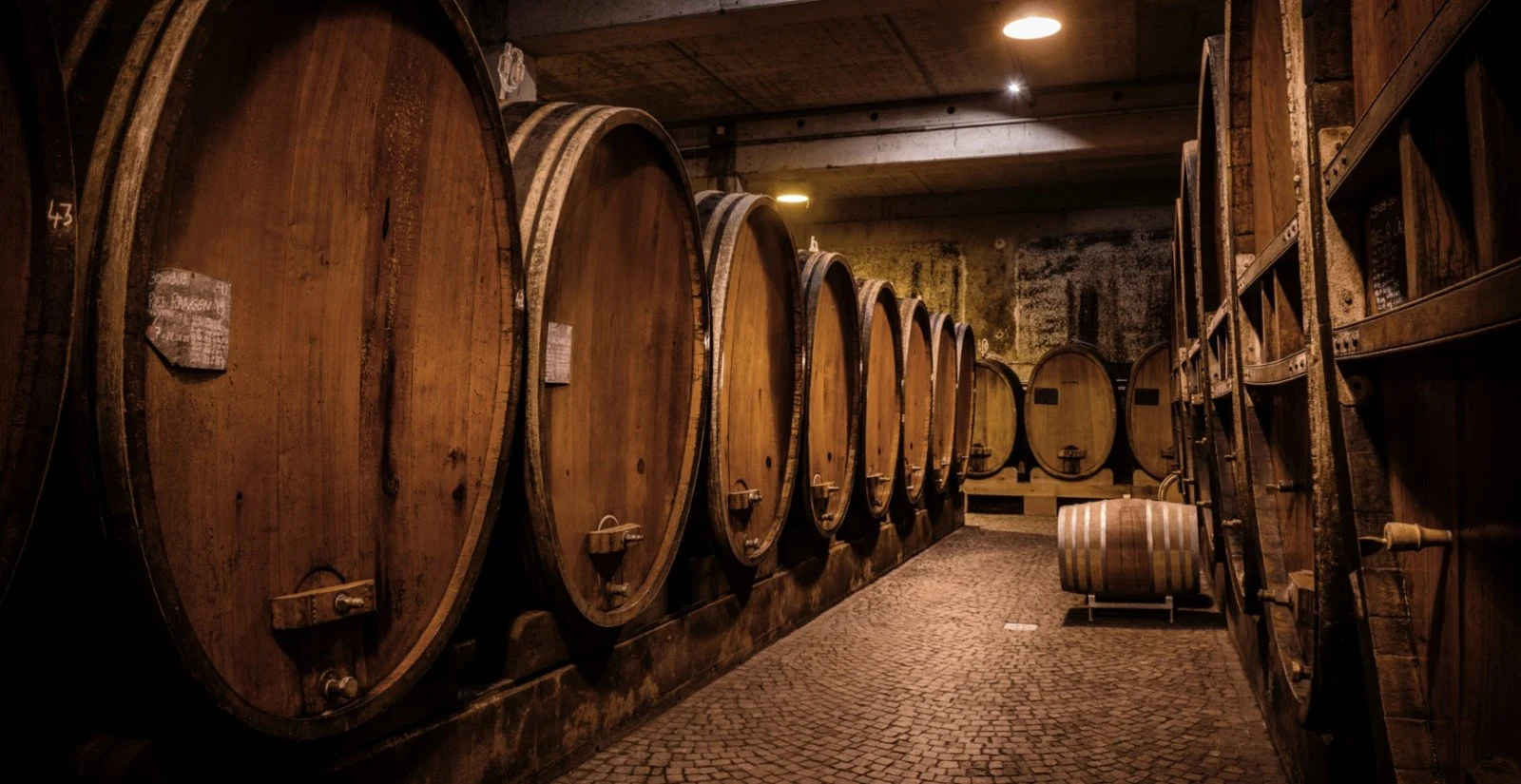
Cave de Turckheim is best understood as a cooperative cellar in Turckheim, with the emphasis on Alsace wine, terroir and a practical tasting environment rather than elaborate design. The picture is direct: a functional, air-conditioned space, a scenic setting overlooking the medieval town of Turckheim, and a broad range of Alsace wines presented in a classic, rustic cellar context. For visitors, the appeal is not an ornate room or a restaurant-style experience, but a focused stop that uses the cellar setting to make the region’s wines easier to read.
It is a cooperative cellar; it is in Turckheim; it offers a broad range of Alsace wines; and its atmosphere is classic, scenic and rustic, with an air-conditioned tasting space designed for clarity rather than spectacle. That makes it useful for travelers who want a grounded introduction to the local wine landscape without needing the visit to be theatrical.
Granite, flint and cooperative scale shape the tasting
The core idea at Cave de Turckheim is terroir. The cellar is described as focused on showcasing terroir rather than elaborate design, which gives the visit a practical educational character. Rather than presenting itself primarily through luxury cues, the experience is built around tasting, comparison and a sense of place. In a wine region where site, soil and local identity matter, that restrained approach is part of the point.
The cooperative identity also shapes expectations. A cooperative cellar can offer a broader regional view than a small single-estate visit, and the description of Cave de Turckheim points to a broad range of Alsace wines. That breadth is the main grounded hook: visitors can expect the experience to be about Alsace wine in range, not about a single narrow specialty or a highly designed hospitality concept.
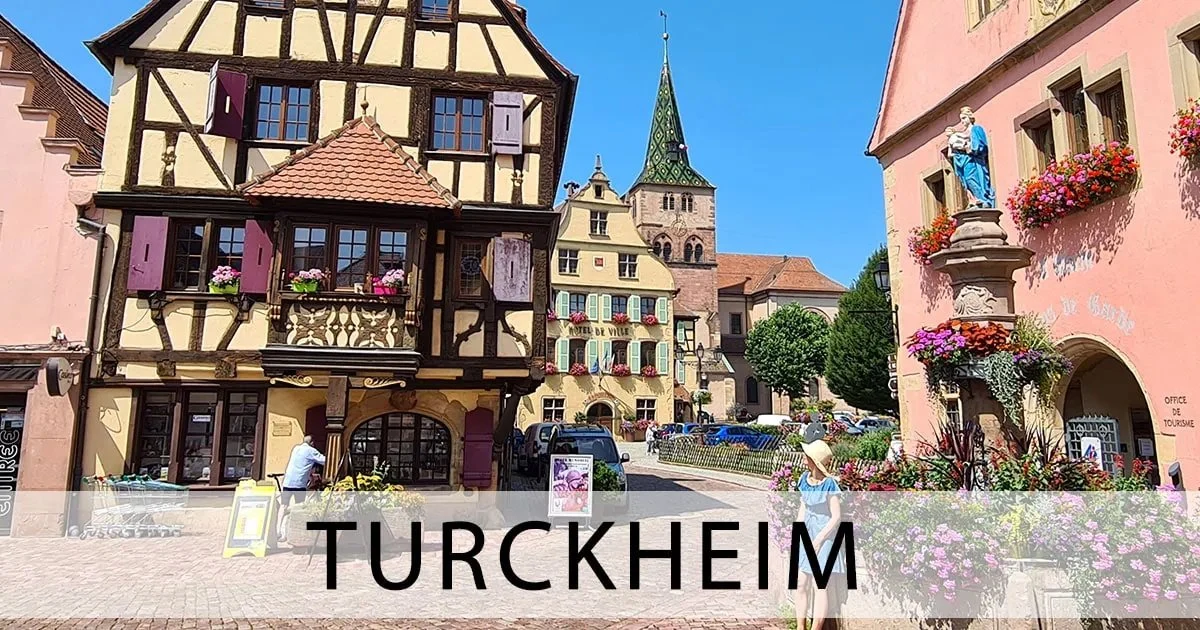
Setting matters as much as the room. Cave de Turckheim overlooks the medieval town of Turckheim, giving the cellar a scenic quality even while the tasting space itself remains functional. That balance is important: the place is not described as austere, but it is also not framed as design-led. It sits in a classic, rustic register, with the practical comfort of air conditioning and a focus on the wines.
What the range teaches about Alsace
Strength of Cave de Turckheim is range. The cellar offers a broad selection of Alsace wines, which makes it a sensible stop for visitors who want to orient themselves before choosing what styles, producers or bottles to explore further.
That kind of tasting is especially valuable when the goal is learning rather than collecting a trophy experience. A broad cellar range can help visitors notice contrasts across wines, even when the page does not confirm exact labels, grapes, tiers or tasting formats. The honest editorial framing is therefore simple: go for a practical overview of Alsace wine in Turckheim, not for a confirmed food program, chef-led concept, formal restaurant service or named prestige format.
For planning, Cave de Turckheim should be treated as a wine-focused venue rather than a dining room. The information supports a cellar visit centered on Alsace wines in an air-conditioned, functional tasting space. It does not verify lunch service, dinner service, takeout, delivery, dietary accommodations, a specific menu, seat count, opening hours or booking policy. Travelers should confirm operational details directly before building a schedule around the visit.
A cellar for study rather than theatre
The strongest grounded description is “study rather than theatre.” Cave de Turckheim’s appeal lies in its cooperative-cellar identity, its broad Alsace wine range and its scenic position in Turckheim. The room is described as functional and air-conditioned, which suggests comfort and clarity without pretending to be a highly staged hospitality environment. For many wine travelers, that is exactly the advantage: fewer distractions, more attention to what is in the glass.
The atmosphere can reasonably be described as classic, scenic and rustic. Those terms fit a cellar that looks toward the medieval town and presents itself around terroir rather than decoration. The price level is listed as $$, so expectations should be calibrated accordingly: approachable enough to be considered a practical stop, but still positioned as a premium guide entry because of its relevance to Alsace wine travel.
Within Turckheim, Cave de Turckheim stands as a direct, wine-centered option. Other dining or hospitality choices in Turckheim may serve different needs, but this venue’s confirmed role is narrower and clearer: a cooperative cellar for tasting Alsace wines in a setting that prioritizes regional identity over elaborate design. That narrower framing is a strength when handled honestly.
The editorial case is simple: Cave de Turckheim is a useful Turckheim stop for visitors who want a broad, terroir-focused view of Alsace wine in a classic, rustic and scenic cooperative cellar. What they do support is still meaningful: a practical, air-conditioned cellar experience overlooking medieval Turckheim, with the wines and the region kept at the center.
Questions
Frequently asked
Who works at Cave de Turckheim?
Made By profiles Michel Lihrmann (Winemaker) at Cave de Turckheim.
How expensive is Cave de Turckheim?
Cave de Turckheim is listed at a price level of $$.
The field
How it compares
| Place | Notes | Awards |
|---|---|---|
| Cave de Turckheim | Turckheim, $$ | · |
| Château Lafleur | Pomerol | · |
| Château Latour | Pauillac | · |
| Domaine Bruno Clair | Marsannay-la-Côte | · |
| Domaine Jacques-Frédéric Mugnier | Premeaux-Prissey | · |
| Domaine Zind Humbrecht | Turckheim | · |
| Quinta do Noval | Pinhão | World's 50 Best |