Biodynamic Alsace Grand Cru work
- Falstaff Winery - 5 Stars · 2026
- Pearl 3 Star Prestige · 2025
A vineyard read before the cellar
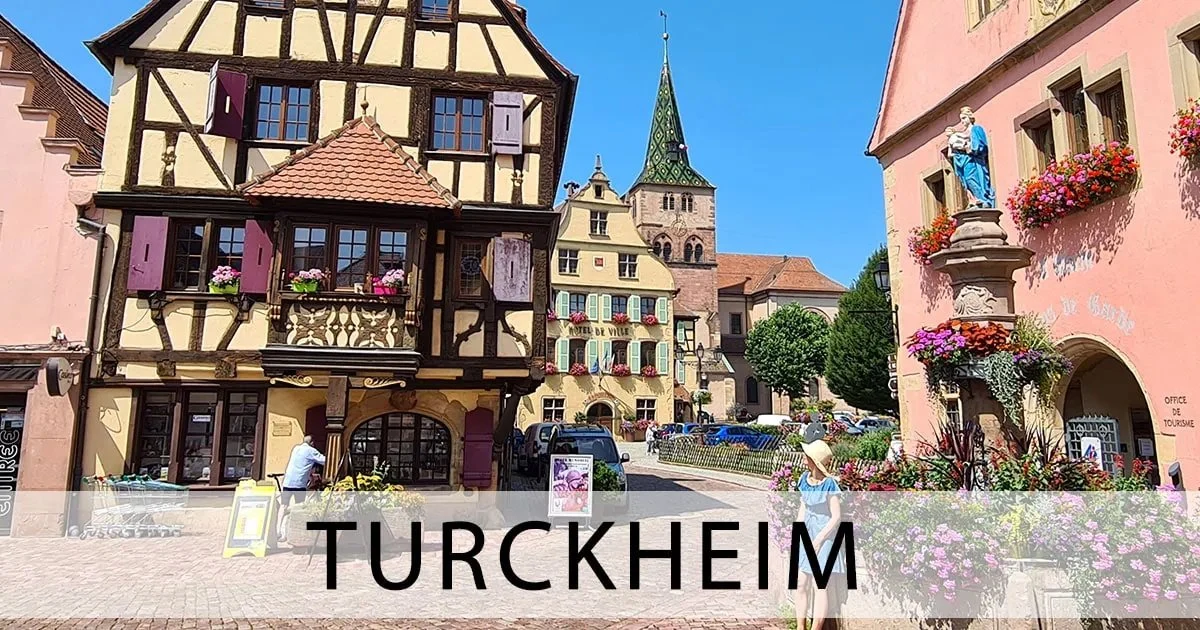
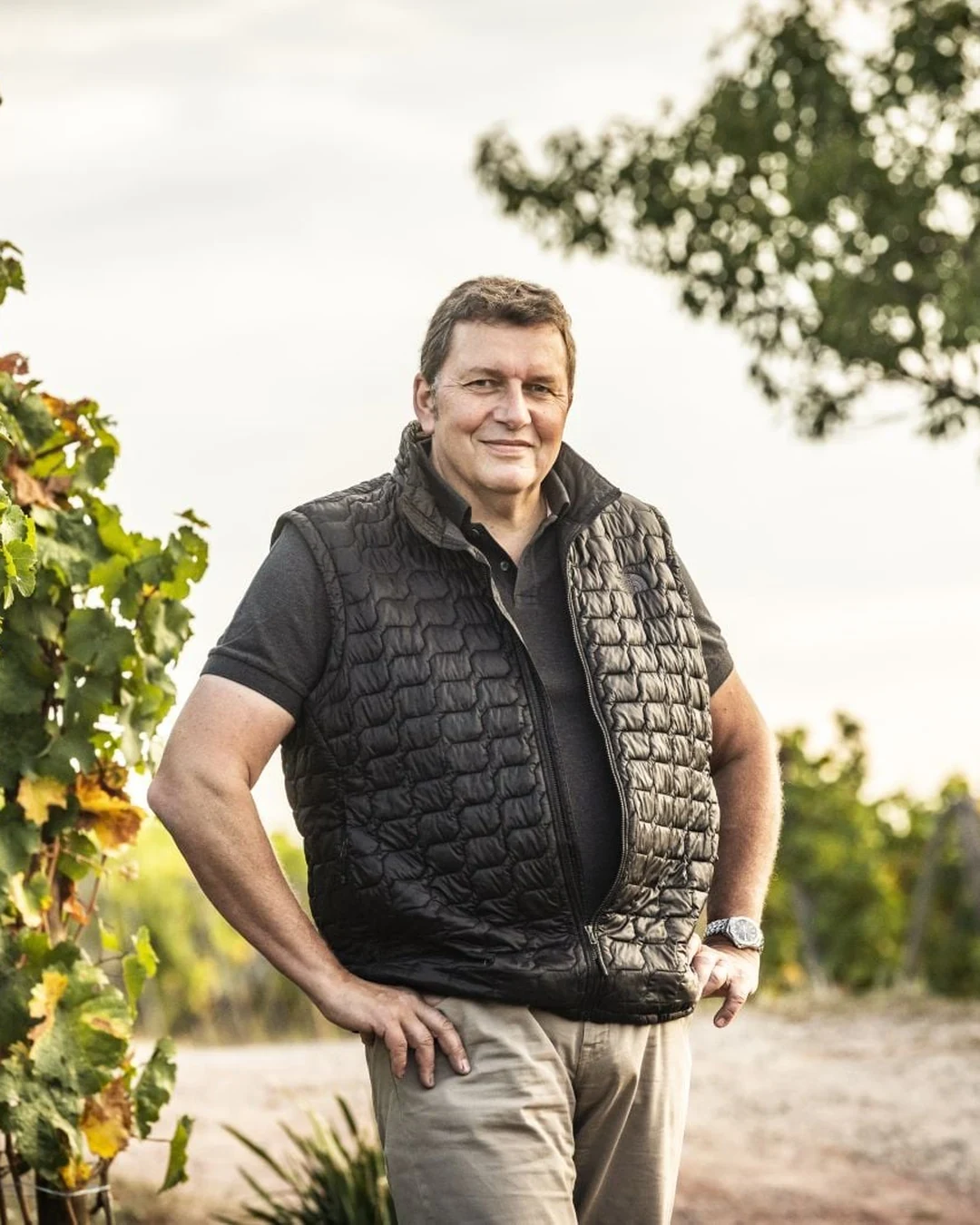
Olivier Humbrecht reads the vineyard before the cellar; as winemaker at Domaine Zind Humbrecht in Turckheim, he keeps farming and élevage in the same sentence. The estate works from Turckheim in Alsace, with vineyards in the foothills and Grand Cru sites carrying the pressure of place into the cellar. Humbrecht’s technical base was set at Purpan-Toulouse, where he studied in 1987 and earned the Diplome National d'Oenologie. In 1989, he became winemaker and co-owner here, the same year he was honored as a Master of Wine.
That credential matters less as ornament than as discipline. It puts tasting, cellar judgment, and agricultural consequence under one roof, which is how the estate asks to be understood. Humbrecht has described the vine in plain terms: “The vine is a liana. It teaches us to observe.” At this house, observation is not a soft idea. It is the method by which soils, microclimates, picking decisions, and cellar work are made to answer one another.
Forty hectares under biodynamic practice
The estate’s scale is small, with 40 hectares worked through a biodynamic frame. Riesling, Gewurztraminer, Pinot Gris, Muscat, Pinot Blanc, and Pinot Noir move through that frame, but the governing subject is not variety alone. It is the relation between Alsace Grand Cru land, farming rhythm, and still white wine made to carry site without being detached from the season that formed it.
Humbrecht’s work here is cited through continuity: ecological farming in the vines, cellar decisions made with oenological training behind them, and wines described through purity and complexity rather than cellar intervention as spectacle. The house does not need a public language of novelty for that. Its claim is older and more exacting: farming method and winemaking judgment are read together. The result is a program in which the hand of the winemaker is present, but not asked to stand in front of the vineyard.
The cellar and the tasting room stay quiet
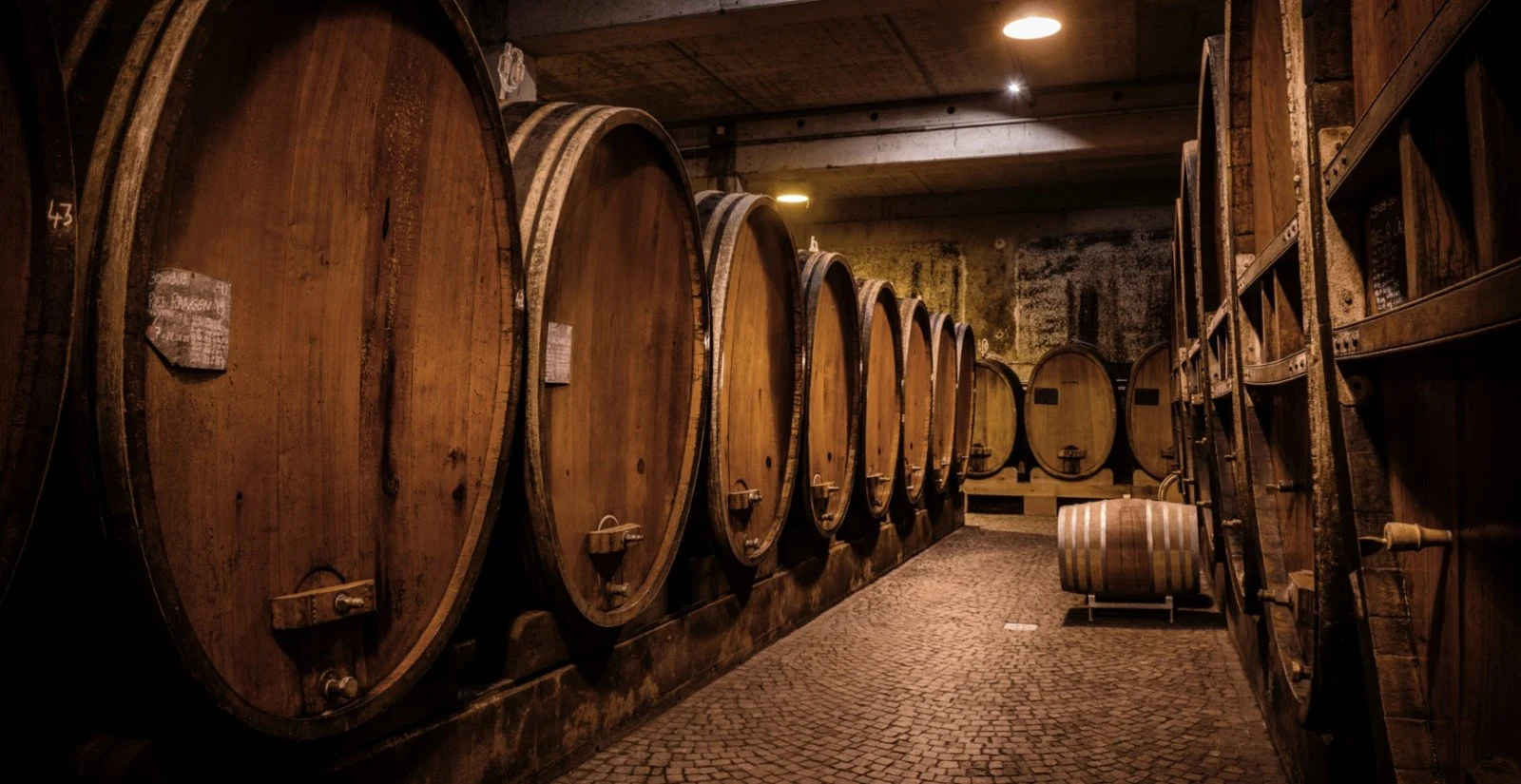
The mood around the estate is quiet enough for detail to carry. In private tastings, the room turns toward terroir storytelling, not performance; the vineyard name, the soil, the microclimate, and the year do the work. Outside, the Alsace foothills set the line of the estate. Inside, the cellar belongs to a house whose history reaches back to 1620, but the present tense remains practical: vines farmed, fruit brought in, wines made to register where they began.
That restraint suits the place. Domaine Zind Humbrecht does not read as a monument to inheritance so much as a working cellar where inheritance keeps asking for decisions. A glass of Riesling or Pinot Gris can return the conversation to one of those Grand Cru vineyards.
Questions
Frequently asked
What kind of wines does Domaine Zind Humbrecht make?
Domaine Zind Humbrecht makes biodynamic Alsace wines, including Riesling, Gewurztraminer, Pinot Gris, Muscat, Pinot Blanc, and Pinot Noir.
Who is behind the estate?
Olivier Humbrecht is the winemaker and co-owner at Domaine Zind Humbrecht. He studied at Purpan-Toulouse in 1987, earned the Diplome National d'Oenologie, and was honoured as a Master of Wine in 1989.
How does the estate work in the vineyard and cellar?
The house treats farming and élevage as part of the same process. Its vineyard work, including biodynamic practice across 40 hectares, is read alongside cellar decisions, with the aim of letting soils, microclimates, and picking decisions answer one another.
What is a visit like?
Visits are by appointment only, and the setting is described as quiet, with private tastings focused on terroir, the vineyard name, the soil, the microclimate, and the year.
Where is it and what should visitors know before going?
The winery is at 2 Rte de Colmar, 68230 Turckheim, in Alsace. Parking is on the street, and the dress code is smart casual.
The field
How it compares
| Place | Notes | Awards |
|---|---|---|
| Domaine Zind Humbrecht | Turckheim, $$$$ | · |
| Ata Rangi | Martinborough | World's 50 Best |
| Cave de Turckheim | Turckheim | · |
| Champagne Salon | Le Mesnil-sur-Oger | · |
| Château La Mission Haut-Brion | Talence | · |
| Krug | Reims | · |
| Michter's | Louisville | · |