Cave des Hautes-Côtes
- 01CityBeaune, France
- Falstaff Winery - Listed · 2026
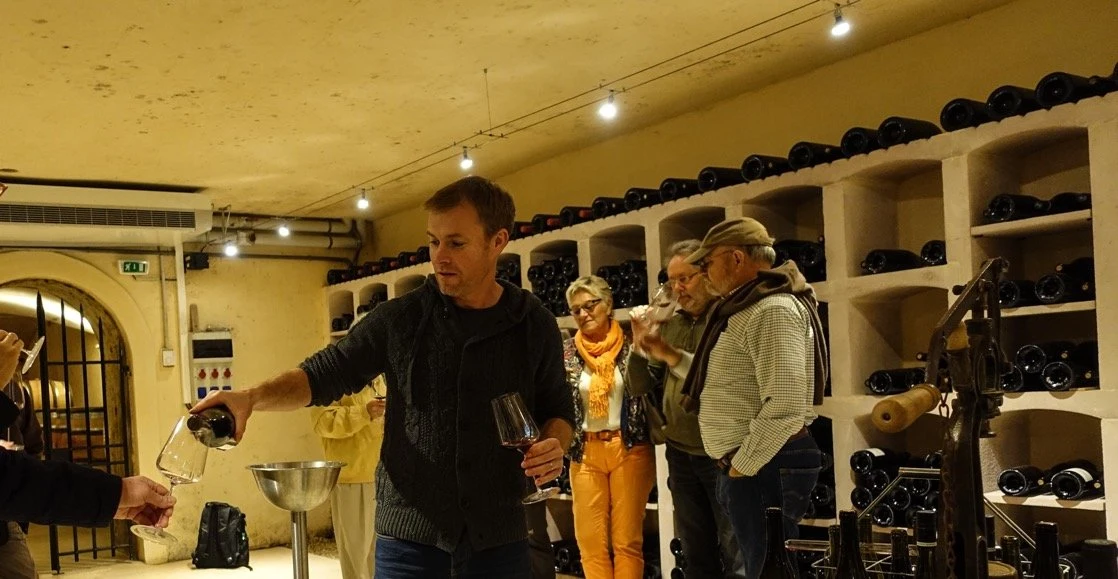
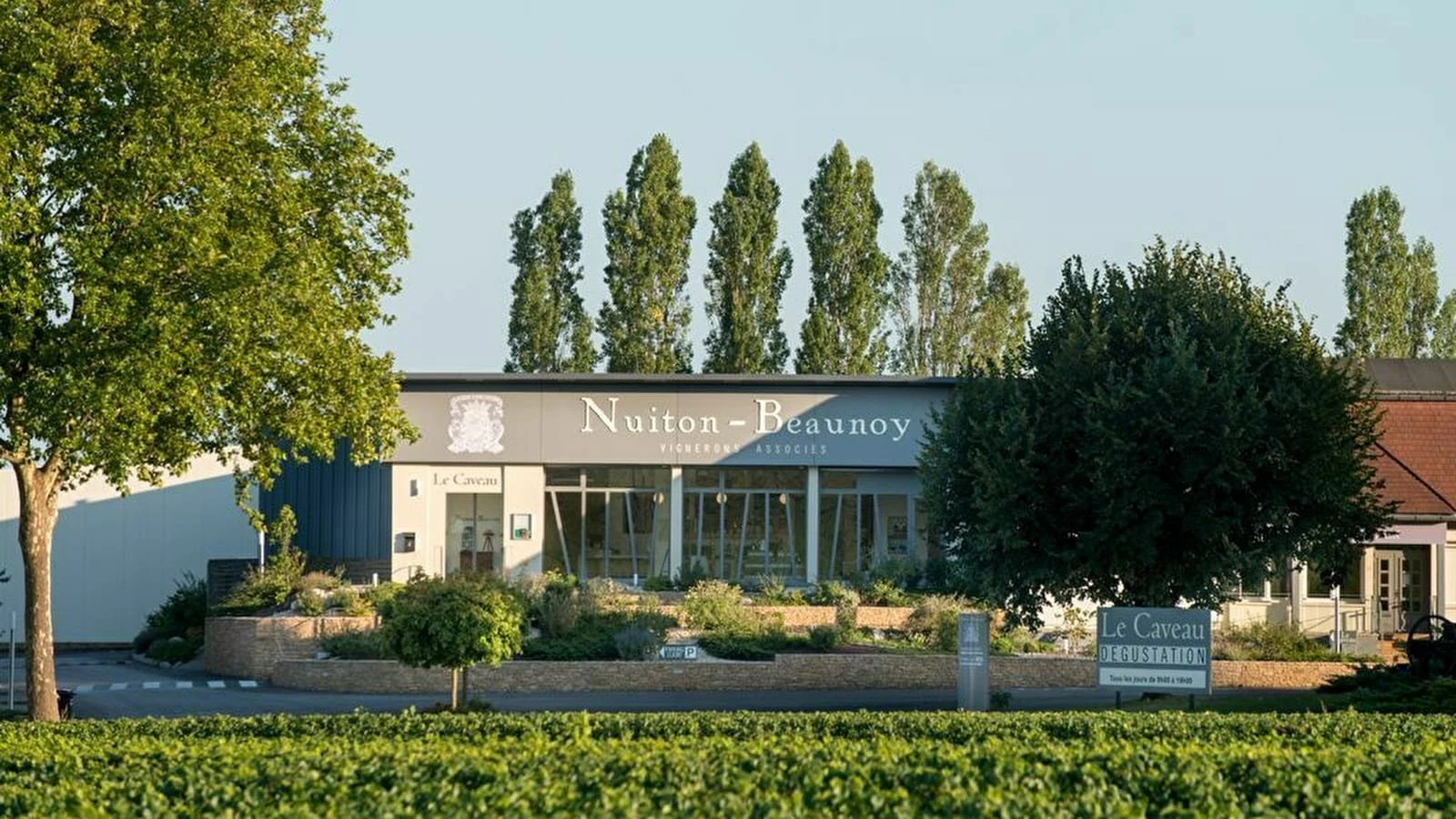
Cave des Hautes-Côtes is a cooperative cellar in Beaune, offering an immersive yet informal introduction to Burgundy wines. The emphasis is educational rather than ceremonial: guided tastings are framed around storytelling, with a functional cellar environment that keeps the focus on understanding the region in a welcoming way. Rather than asking visitors to arrive with specialist vocabulary or deep prior knowledge, the experience is positioned around explanation, context and accessibility.
It is best understood as a place for visitors who want a clear, approachable introduction to Burgundy through guided tasting and explanation. In that sense, its value lies less in spectacle and more in orientation: it helps make a complex wine region feel easier to enter, especially for travellers who want to listen, taste, ask questions and leave with a stronger sense of how Burgundy can be understood.
Hautes-Côtes Burgundy without the domaine mythology
The appeal of Cave des Hautes-Côtes is its cooperative-cellar context. Instead of presenting Burgundy through a single restaurant, bar or luxury-hospitality lens, it introduces the region through a more functional and accessible tasting setting in Beaune. That distinction matters because Burgundy is often encountered through stories of individual domaines, reputations and highly specific bottles; here, the frame is broader and more practical.
For travellers, that makes it useful as a starting point: a place to build basic Burgundy confidence before moving on to other wine, dining or sightseeing plans in Beaune. The positioning is not about rare bottles, named dishes, formal service or a specific menu; it is about storytelling-led wine education in an informal cellar environment. The experience is therefore less concerned with performance and more concerned with giving visitors a workable understanding of what they are tasting and why it belongs in the wider Burgundy conversation.
This cooperative setting also helps set expectations. Visitors should not approach it as a grand ceremonial tasting built around exclusivity, nor as a dining venue where the food programme defines the visit. Its role is more grounded: to provide a structured but approachable encounter with Burgundy wines, supported by guidance and narrative rather than by luxury staging.
The price level is listed as $$, which places it in a moderate bracket for planning purposes. Beyond that, specific tasting prices, bottle ranges, opening hours and detailed formats should be checked directly before visiting. Keeping those details flexible is important, because the core reason to consider the venue is not a fixed menu or a precisely described package, but the broader promise of an educational tasting in a cooperative cellar context.
A tasting room built for learning, not performance
Cave des Hautes-Côtes is best described as welcoming and educational. The setting is functional rather than theatrical, and the tone is suited to visitors who want Burgundy explained clearly rather than presented as an intimidating specialist subject. That makes it especially useful for people who enjoy wine but do not necessarily want a formal or highly technical atmosphere to dominate the experience.
The description points to guided tastings focused on storytelling. That makes the venue especially relevant for travellers who prefer context, explanation and an informal atmosphere over a purely transactional tasting stop. A storytelling-led tasting can help connect what is in the glass to the place, the style and the broader identity of the region, without requiring the visitor to already know the hierarchy and language of Burgundy before they arrive.
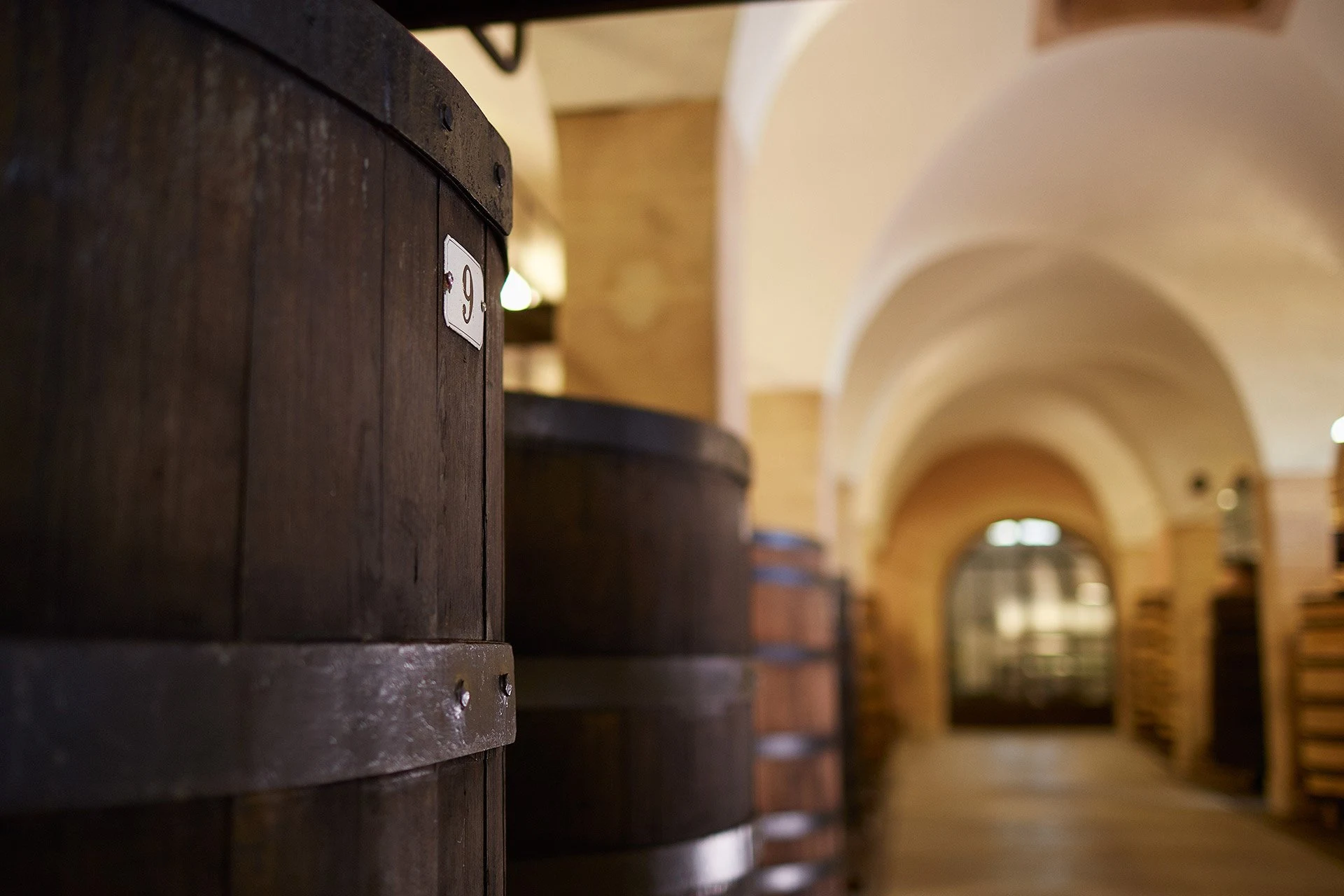
The strength of this format is that it can make learning feel natural. Instead of treating the cellar as a stage set or the tasting as a test of expertise, the venue prioritise a more relaxed exchange. The practical environment reinforces that point: the cellar is part of the character, not an ornate backdrop. It supports the sense that the focus remains on wine education, regional introduction and visitor confidence.
In Beaune, it can sit naturally alongside other local dining and wine plans, particularly for visitors who want one approachable Burgundy-focused experience in the city. Specific comparisons with named restaurants, producers or other venues are not needed to understand its role: Cave des Hautes-Côtes is the reference point here. It functions as a grounded, explanatory stop for those who want Burgundy to become more legible before continuing with the rest of their time in Beaune.
How to place it in a Beaune itinerary
Cave des Hautes-Côtes is strongest as an introductory Burgundy stop in Beaune. It is a sensible choice for travellers who want a guided, story-led tasting in a relaxed cooperative-cellar setting, including visitors looking for an atmosphere that is suitable for families. The appeal is not that it promises a rarefied or highly formal encounter, but that it offers a way into Burgundy that feels clear, welcoming and manageable.
For many visitors, that makes it a useful early stop rather than a final flourish. Placing it near the beginning of a Beaune itinerary can help establish some basic reference points before later meals, tastings or sightseeing. Because the experience is framed around explanation, it can give shape to the rest of a visit without requiring the day to revolve entirely around wine expertise.
For planning, keep the confirmed details simple: the venue is Cave des Hautes-Côtes in Beaune, the price range is $$, and the experience is an informal, educational introduction to Burgundy wines in a cooperative cellar environment. For anything more specific, such as exact hours, booking requirements or tasting options, confirm directly with the venue before making plans. The safest expectation is a practical, story-led Burgundy introduction rather than a highly scripted luxury experience.
Questions
Frequently asked
How expensive is Cave des Hautes-Côtes?
Cave des Hautes-Côtes is listed at a price level of $$.
The field
How it compares
| Place | Notes |
|---|---|
| Cave des Hautes-Côtes | Beaune, $$ |
| Domaine Bouchard Père et Fils | Beaune |
| Lucien Le Moine | Beaune |
| Maison Albert Bichot | Beaune |
| Maison Benjamin Leroux | Beaune |
| Maison Louis Jadot | Beaune |
| Maison Louis Latour | Beaune |