Traditional method in Douro cellars
- Falstaff Winery - Listed · 2026
Decades held to one cellar
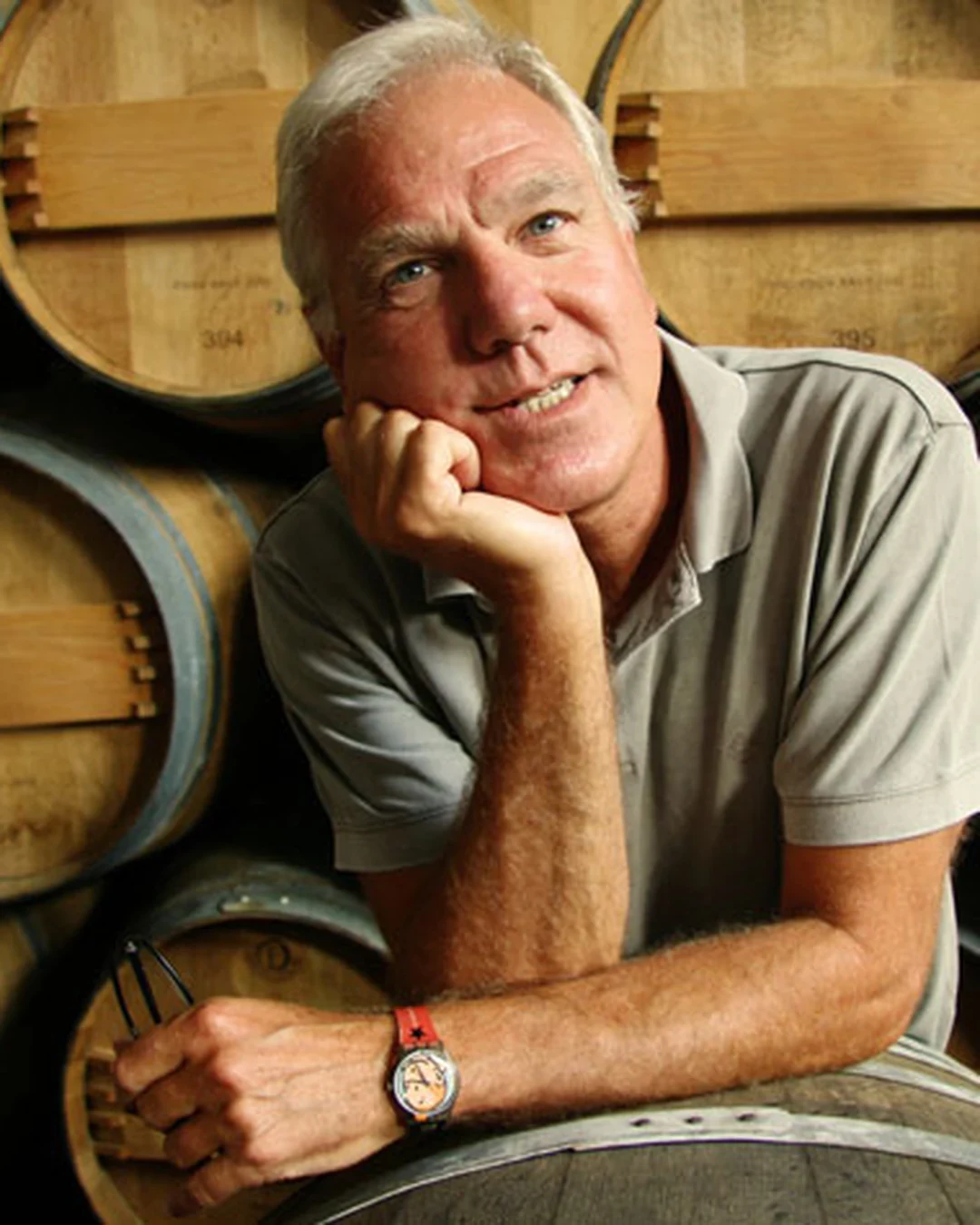
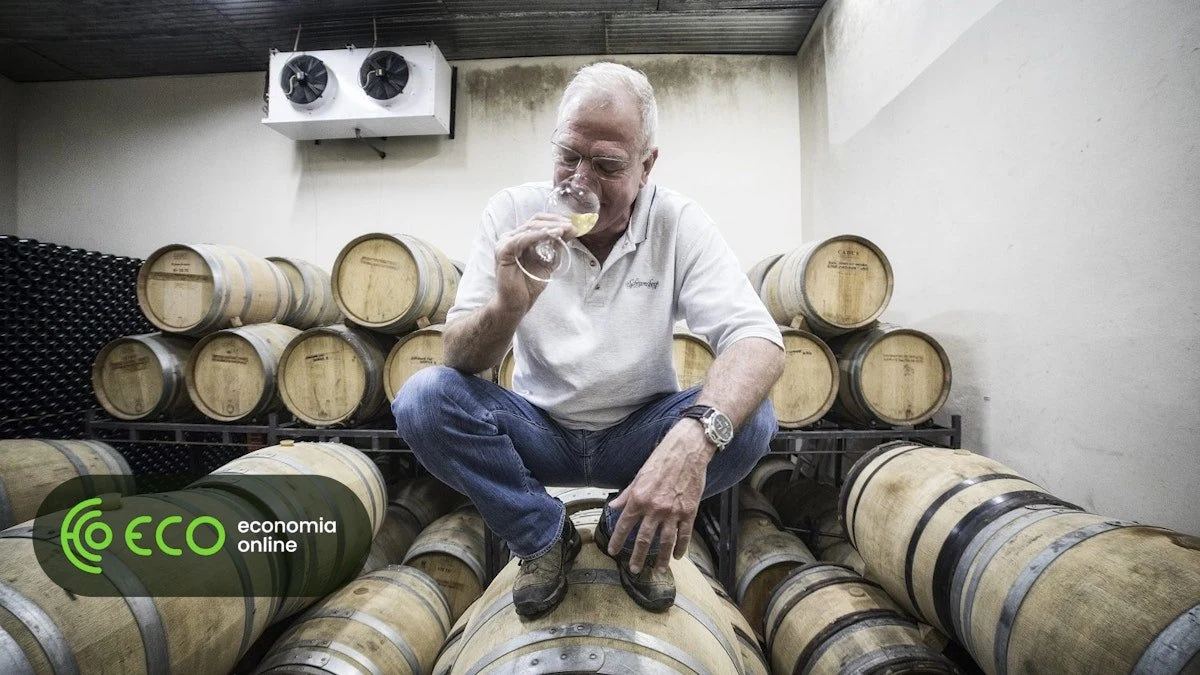
The bottles rest on their lees while Celso Pereira, winemaker at Caves Transmontanas in Alijo, keeps the sparkling program moving by method rather than haste. His head winemaking at the house runs from 1988 to the present, and the producer itself was established in 1989. That near-total overlap matters here. In a Douro house built around traditional-method sparkling wine, the job is not a sequence of seasonal gestures but a long discipline of base wines, tirage, pressure, and release.
Pereira’s tenure has stayed anchored to Alijó and to the same cellar brief: make sparkling wine in a region better known for Port and still reds, and do it with enough consistency for Vértice to become the house’s central signature. The range includes Vértice Alto Douro Vinho Espumante do Douro Brut and Gouveio Bruto, with reference bottlings from 2013 and 2014. The throughline is not reinvention. It is repeatability, the harder craft when the same name remains on the label and the same cellar has to answer every year.
Traditional method in Douro fruit
Caves Transmontanas works in Douro DOC, with sparkling wine at the center and smaller still red and dessert threads around it. The grape language is local and precise: Gouveio, Malvasia Fina, Rabigato, Viosinho, Códega, and Touriga Franca. For sparkling, the timing begins early. Grapes are harvested in late August or early September, by hand in the early morning, then carried in 20 kg cases so the fruit reaches the winery with less bruising.
In the cellar, the fruit is cooled to 8°C and held for 12 hours before pressing. A pneumatic press takes the juice with limited skin contact, and base wines are vinified separately by variety and plot before blending. The second fermentation happens in bottle, the traditional-method step that gives the wines their pressure and bead. Lees ageing varies by cuvée; Vértice RD Sparkling 2007 spent 84 months on its lees. The house produces around 100,000 bottles of sparkling wine annually, a scale large enough to demand systems and small enough for the bench-side decisions to remain visible.
A production house above the Douro
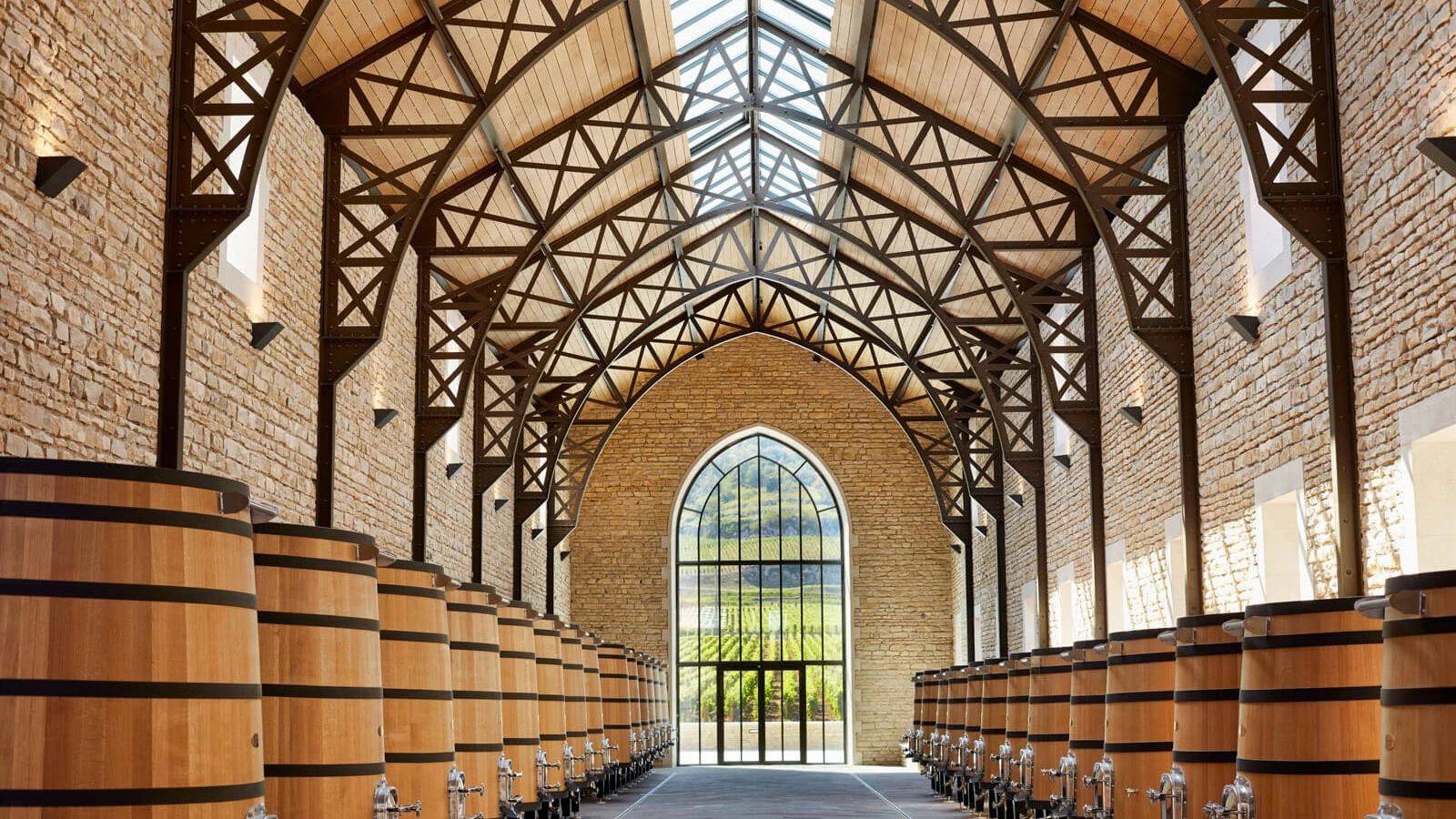
The setting is the Cimo Corgo highlands near Alijó, a working Douro place shaped more by cellar and bottling work than by polish. The quiet suits the wine. This is a functional house, with the rhythm of refrigeration, pressing, bottle fermentation, and storage setting the room’s pace. The focus stays on the cellar rather than the tasting-room performance around it.
That restraint fits the role Caves Transmontanas took on from the beginning as the first producer of traditional-method sparkling wines in the Douro demarcated region. Vértice carries that argument in the glass, not as a museum label but as an active program of acidity, time, and pressure. In 2021, Symington Family Estates acquired a 50% stake in the company, while Pereira’s work continued at the same address. The next measure of the house remains the patient release of bottles from the Vértice cellar.
Questions
Frequently asked
Who leads the winemaking at Caves Transmontanas?
Celso Pereira is the winemaker at Caves Transmontanas, and his head winemaking there runs from 1988 to the present.
What is Caves Transmontanas known for?
The house is known for Vértice, its central sparkling wine signature, made in the traditional method in the Douro.
What kind of wines does Caves Transmontanas make?
Caves Transmontanas works in Douro DOC, with sparkling wine at the centre and smaller still red and dessert threads around it. The grape language includes Gouveio, Malvasia Fina, Rabigato, Viosinho, Códega, and Touriga Franca.
How does the sparkling wine production work here?
For sparkling wine, grapes are harvested by hand in the early morning in late August or early September, carried in 20 kg cases, cooled to 8°C for 12 hours, and then pressed with limited skin contact. Base wines are vinified separately by variety and plot before blending, and the second fermentation happens in bottle.
Can visits be booked at Caves Transmontanas?
The reservation policy is appointment only.
The field
How it compares
| Place | Notes | Awards |
|---|---|---|
| Caves Transmontanas | Cimo Corgo (Duriense sub-region), $$$ | · |
| Champagne Salon | Le Mesnil-sur-Oger | · |
| Companhia de Vinhos dos Profetas e dos Villões | Alijo | · |
| Domaine Faiveley | Nuits-Saint-Georges | World's 50 Best |
| Folias de Baco | Alijo | · |
| Quinta da Romaneira | Alijo | · |
| Quinta do Estanho | Alijo | · |