Eight plots, low-extraction Uivo wines
- Falstaff Winery - Listed · 2026
Rootstock first, grafting later
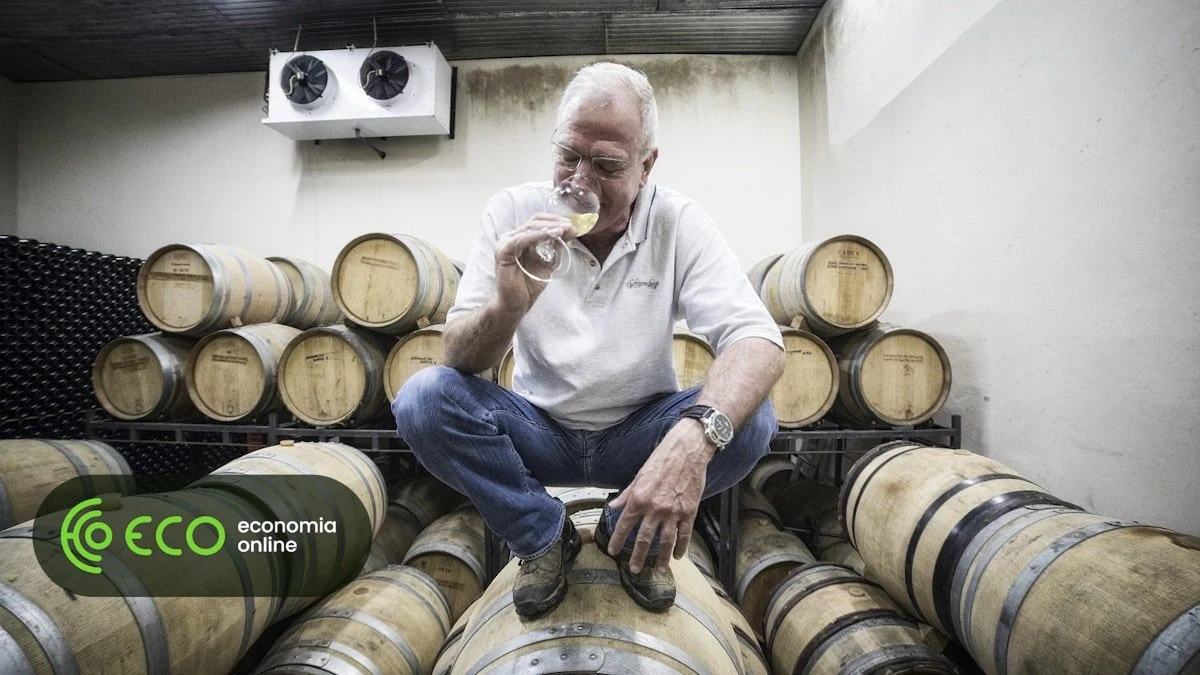
Rootstock goes into the ground before the graft. Tiago Sampaio, Winemaker at Folias de Baco near Alijo, works that way from Sanfins do Douro, where the cellar sits inside family ground rather than an acquired estate. Agricultural engineering came before the cellar for Sampaio: local agricultural school, college in Vila Real, then Oregon State University, where his work followed rootstocks and vine physiology. At Folias de Baco, founded in 2007, that training has not hardened into distance. He is described around the project as winemaker, viticulturist, farmer, and commercial lead, a set of roles that keeps the bench close to the vine row. His mother’s family is from Alijó, his father’s from Sanfins, and both sides held vineyards before family winemaking stopped in the late 1950s and 60s. The return here is not nostalgic. Sampaio has kept the project tied to inherited parcels, to the high planalto of the Cima Corgo, and to Uivo, the label through which he works the Douro with freshness, low extraction, and a natural-wine discipline that begins in the soil.
Twenty hectares in eight nearby plots
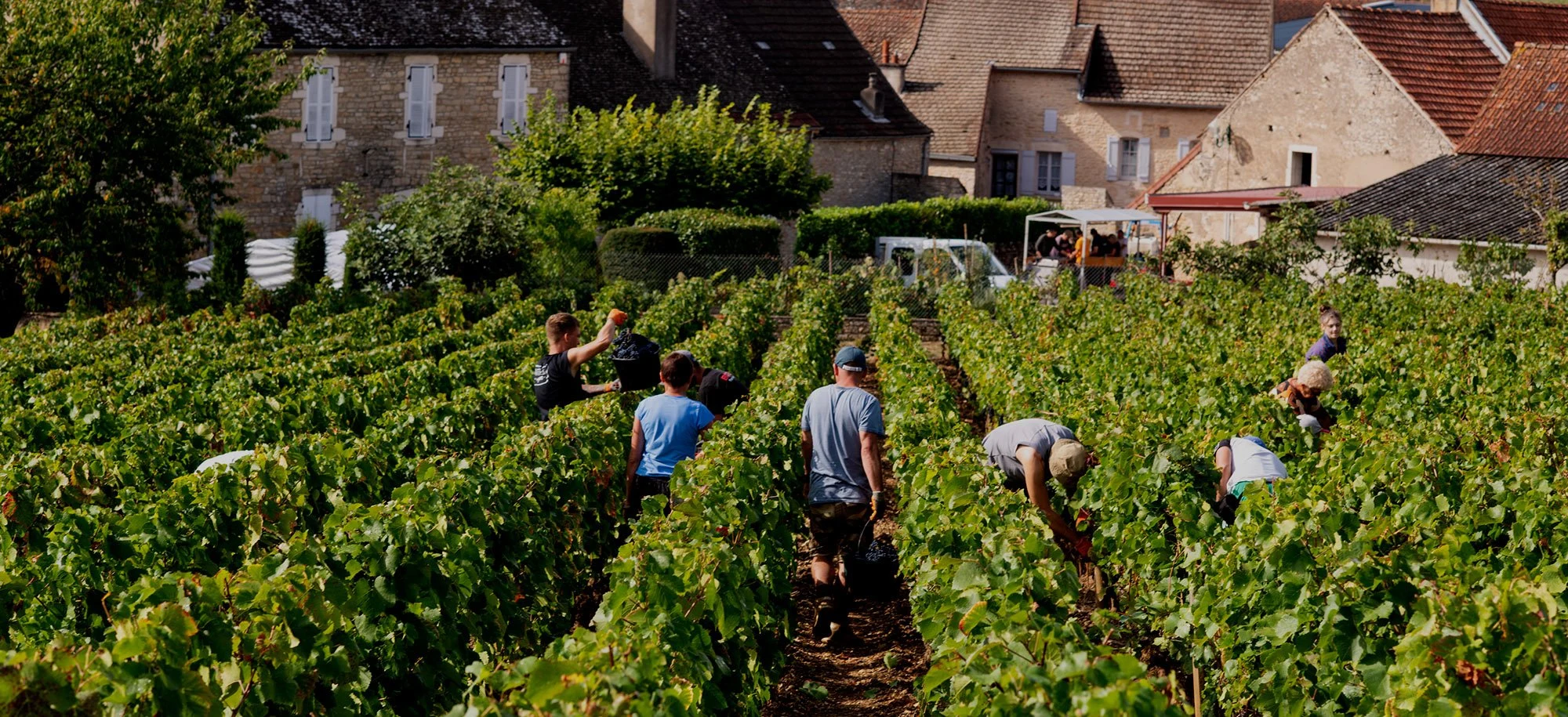
The estate works 20 hectares of family vineyards in eight plots within about a 5 km radius, at roughly 500-700 m in the high country near Alijó and Sanfins do Douro. That altitude matters in the glass, but Sampaio treats it first as farming condition: exposure, fungal pressure, rooting depth, and the pace at which fruit keeps its acidity. He uses cover crops including legumes and barley, with barley valued for the way its root exudates may suppress Armillaria. Kaolin sprays help with sun protection and pest mitigation. Low-vigor management becomes part of disease control. He has also used yeast-derived elicitors such as Romeo to prime vine defenses. In the cellar, the method follows the vineyard rather than correcting it. Uivo wines include Branco, Renegado, PT NAT, Curtido, and Renegado Vinhas Velhas 2017. One Moscatel Galego cuvée is hand-picked from 40-year-old vines, whole-cluster loaded into cement tanks, macerated on skins for four months, then pressed at the end of January with no added SO2, no fining, and no filtration.
A quiet cellar above the Douro
The room at Sanfins do Douro reads more as a working winery than a visitor theatre. The attention sits in the vineyard map, the tanks, the press dates, the choices that keep extraction low and texture present. Around the cellar, the place is rural and technical: high-altitude parcels, old vines including a plot around 90 years old, replantings from the 1950s, pine pressure at the margins, and farming decisions made close enough to be revised by hand. The tasting room is not the center of gravity here. The cellar is. Folias de Baco also has a Porto taberna for natural wines and Douro-inspired petiscos, but the work that gives Uivo its line begins on the planalto, among those eight plots near Sanfins do Douro.
Questions
Frequently asked
Who is behind Folias de Baco?
Folias de Baco is led by Tiago Sampaio, who works as winemaker, viticulturist, farmer, and commercial lead. His family vineyards are in Sanfins do Douro and Alijó, and the cellar sits on family ground rather than on an acquired estate.
What is Folias de Baco known for?
The winery is known for the Uivo label, with wines made for freshness and low extraction. Its range includes Branco, Renegado, PT NAT, Curtido, and Renegado Vinhas Velhas 2017.
How does the winery work?
Folias de Baco works 20 hectares of family vineyards across eight plots within about a 5 km radius, at roughly 500 to 700 metres in the high country near Alijó and Sanfins do Douro. The cellar follows the vineyard rather than trying to correct it.
Can visits be arranged freely?
Visits are by appointment only.
Is there parking on site?
There is an on-site lot for parking.
The field
How it compares
| Place | Notes | Awards |
|---|---|---|
| Folias de Baco | Sanfins do Douro, $$ | · |
| Bollinger | Aÿ | World's 50 Best |
| Caves Transmontanas | Alijo | · |
| Companhia de Vinhos dos Profetas e dos Villões | Alijo | · |
| Domaine Hubert Lamy | Saint-Aubin | · |
| Quinta da Romaneira | Alijo | · |
| Quinta do Estanho | Alijo | · |