- Falstaff Winery - Listed · 2026
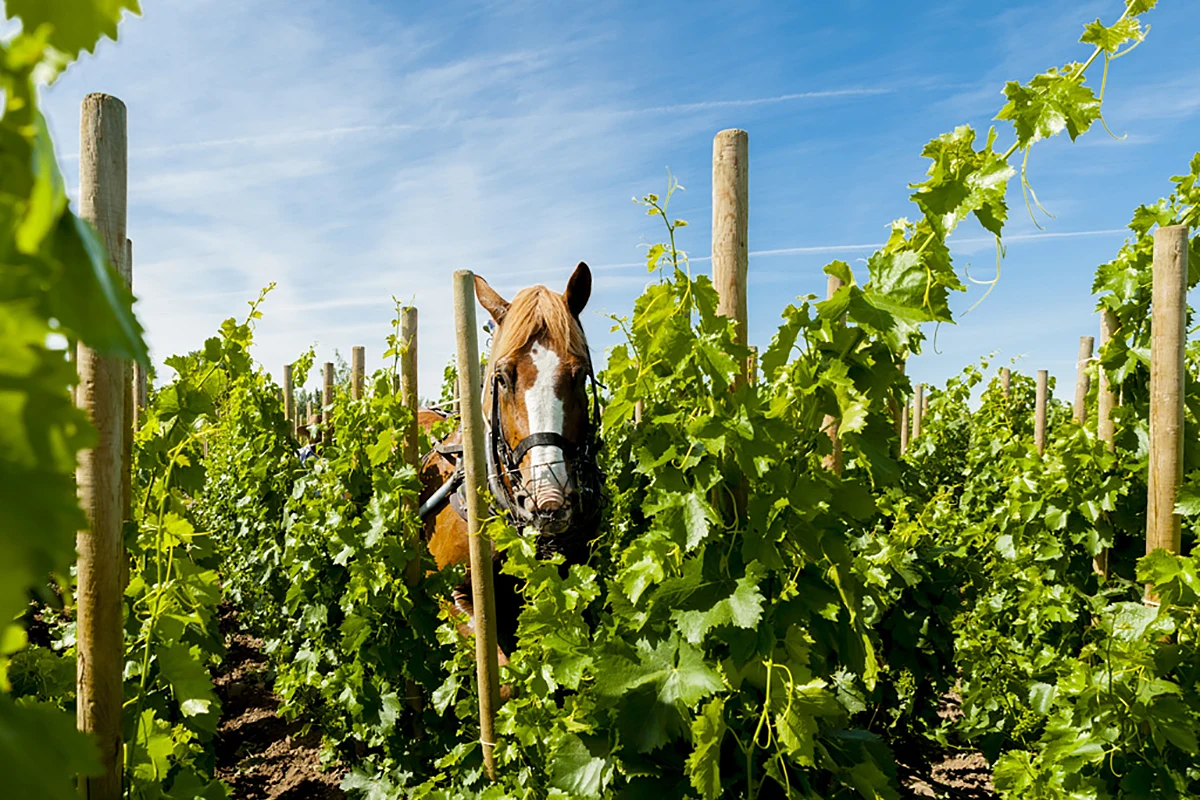
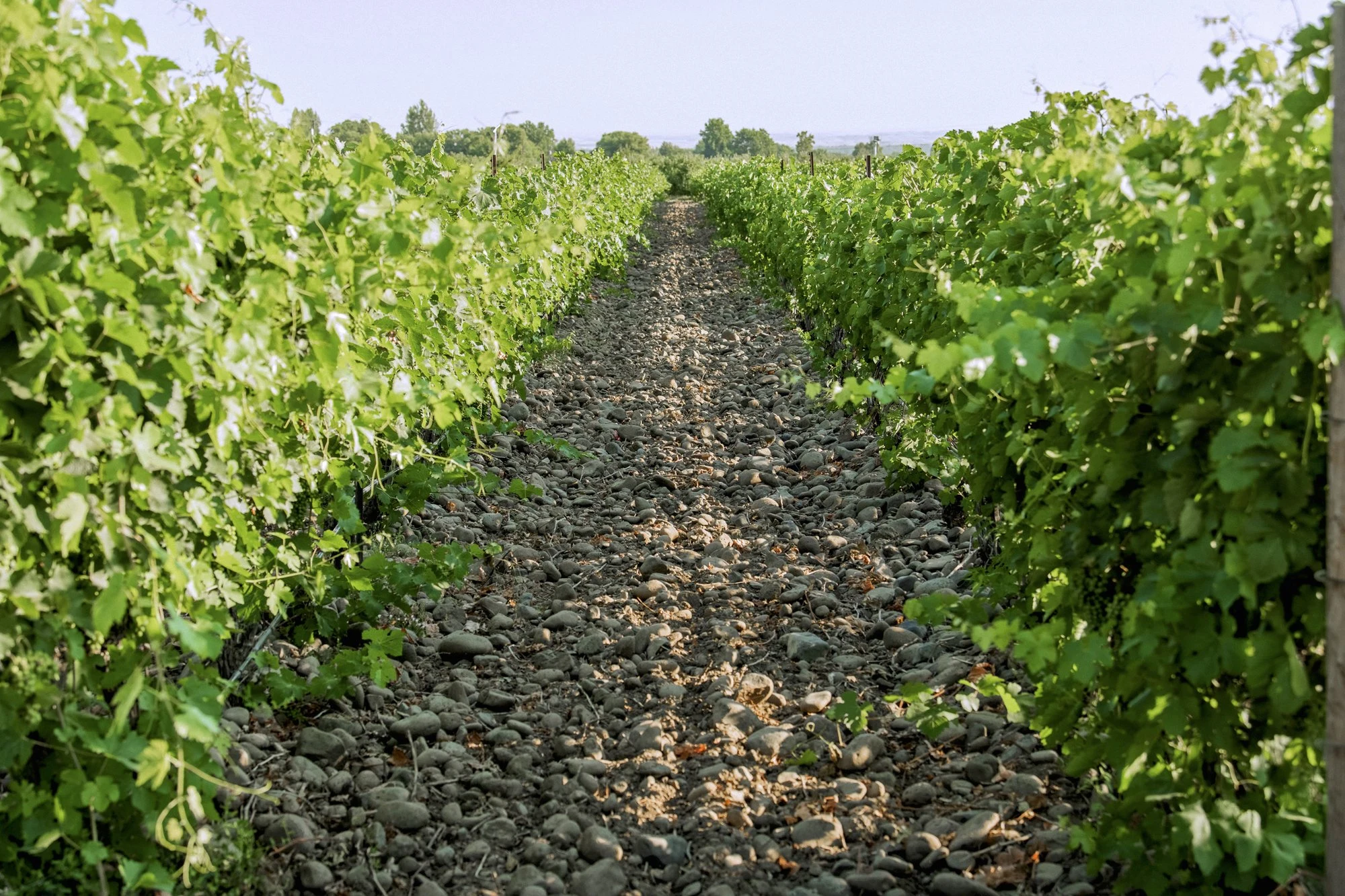
Approach Cayuse Vineyards through its defining narrative: stone-covered vineyards, low-yield biodynamic farming, and critically acclaimed, food-friendly wines. In Walla Walla, the estate is best framed less as a broad hospitality stop and more as a singular wine-country address with a highly cultivated sense of place. The useful way to read it is through the vineyard first: the stones, the farming choices, and the resulting impression of wines that are meant to be considered closely rather than treated as incidental pours.
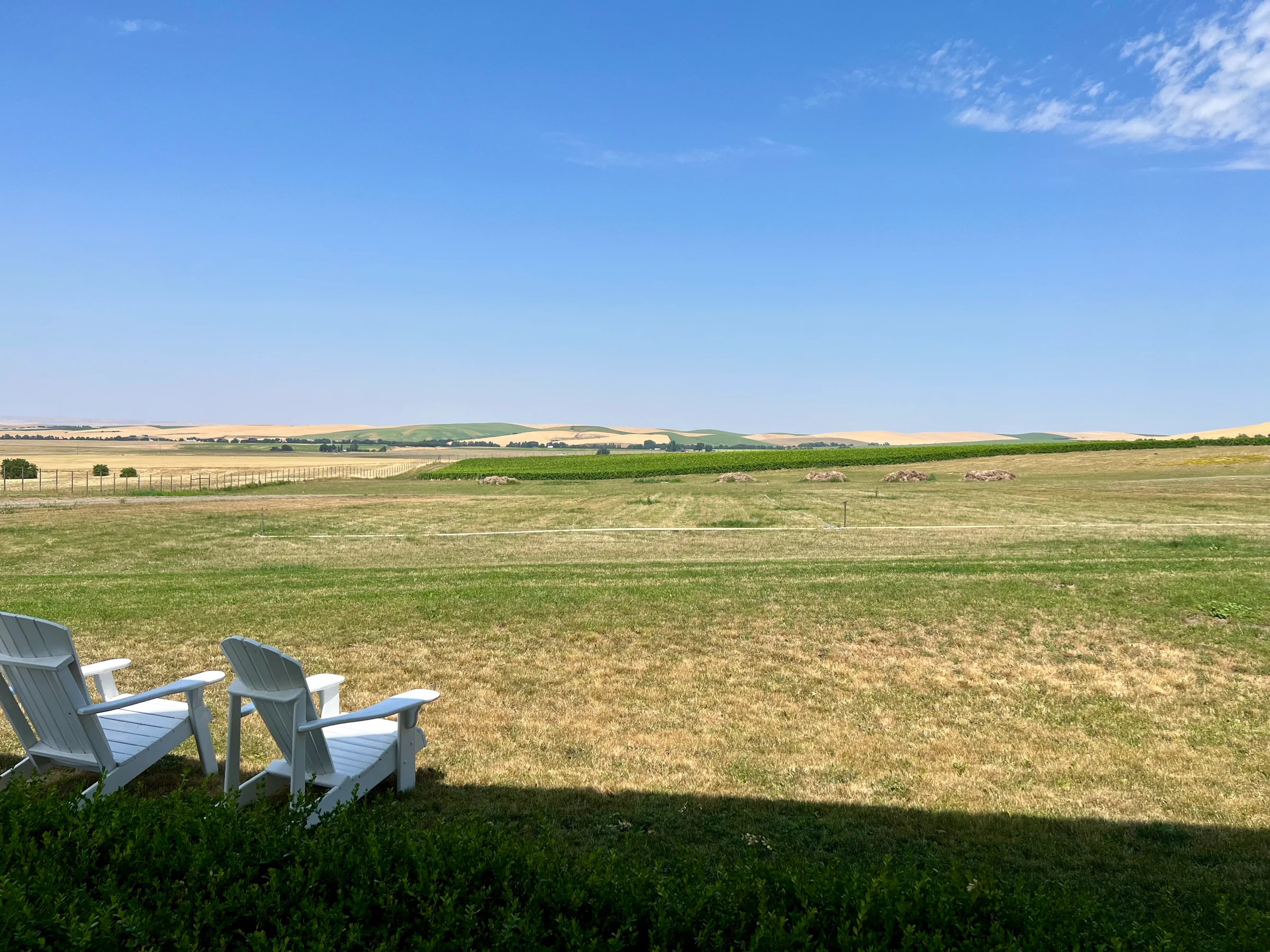
The picture is intentionally spare but distinctive. Cayuse Vineyards is associated with a remote, rustic, intimate, and sophisticated character. Its appeal rests on the contrast between hidden-gem discretion and an iconic reputation built around farming, stones, and wines meant to work well with food. That tension gives the venue much of its editorial power: it can be understood as both quietly set apart and firmly established in the Walla Walla imagination.
Stones, biodynamics, and the Walla Walla argument
Cayuse Vineyards is grounded in a vineyard story rather than a generic tasting-room pitch. The brand narrative emphasizes stone-covered vineyards and low-yield biodynamic farming, which gives the estate its strongest editorial identity in Walla Walla. Those details matter because they keep attention on site and method, not on ornament or broad lifestyle language. The stones are not just scenery in this framing; they are part of the way the estate communicates seriousness, distinctiveness, and a close relationship between land and wine.
That farming-led framing is central to how travelers should understand the venue. Cayuse is not best approached as a place to check off casually between more conventional stops, but as a producer whose meaning is bound up in cultivation, restraint, and the patience implied by low-yield farming. The biodynamic reference reinforces that sense of intention. It suggests a venue whose identity is built from practices in the vineyard and from a consistent argument about place.
The wines are described as critically acclaimed and food-friendly, which makes the venue especially relevant for travelers who think about wine alongside meals, texture, and setting. The draw is not spectacle; it is focus, restraint, and the impression of a producer with a clear point of view. For visitors planning around dining as much as drinking, that food-friendly emphasis is important. It positions Cayuse within a broader experience of Walla Walla, where a wine’s character can be understood in relation to the table, the landscape, and the slower rhythm of a considered itinerary.
Why scarcity is part of the experience
Cayuse Vineyards carries a hidden-gem quality even while being widely regarded as an iconic Walla Walla name. The editorial tone is remote, singular, rustic, intimate, and sophisticated, suggesting a venue whose appeal is more contemplative than casual. That combination is part of the appeal: the estate does not need to feel expansive or broadly accessible in order to feel important. Instead, its identity is concentrated, with a sense that the experience is shaped by selectiveness, quiet confidence, and a strong internal logic.
What can be stated confidently is that Cayuse Vineyards is known for a highly cultivated identity shaped by stone-covered vineyards, low-yield biodynamic farming, and acclaimed wines. Those are the facts that should carry the description. They are also enough to explain why the venue reads as distinctive within Walla Walla: it has a recognizable story, a disciplined agricultural frame, and a reputation that makes its discretion feel intentional rather than incomplete.
For planning purposes, the most useful grounded detail is the price: Cayuse Vineyards is listed at $50 per person. Beyond that, travelers should avoid assuming service details and should confirm any practical arrangements directly before building an itinerary around the visit. That caution suits the venue’s overall profile. A place defined by scarcity, farming, and a focused point of view should be planned with care, especially by travelers trying to balance wine, meals, and other Walla Walla experiences in a single trip.
Where it fits in a Walla Walla itinerary
Cayuse Vineyards fits best into a Walla Walla itinerary for travelers who care about farming narratives, vineyard character, and wine as part of a broader food-and-place experience. It is not necessary to overstate the specifics: the reliable story is already strong enough, centered on stones, biodynamics, low yields, and a cultivated sense of restraint. In practical editorial terms, it belongs on the shortlist for visitors who are less interested in a generic overview and more interested in a producer with a precise, site-conscious identity.
When comparing options in Walla Walla, keep Cayuse Vineyards in mind as a singular, highly regarded producer rather than as a generic stop. Other Walla Walla dining and wine experiences can round out a trip, but Cayuse itself is the reference point here. Its role is not to provide breadth; it provides focus. The best itinerary placement is therefore one that gives the visit enough mental space to register, rather than treating it as just another appointment in a crowded day.
The editorial case is clear: Cayuse Vineyards is for travelers drawn to Walla Walla at its most focused and site-conscious. Its appeal is narrow in the best sense, iconic, hidden, rustic, intimate, sophisticated, and defined by a vineyard story that puts stone-covered ground and biodynamic farming at the center. For the right traveler, that narrowness is exactly the point. It makes the venue feel specific, grounded, and memorable without needing a broader hospitality narrative to explain its importance.
Questions
Frequently asked
Who works at Cayuse Vineyards?
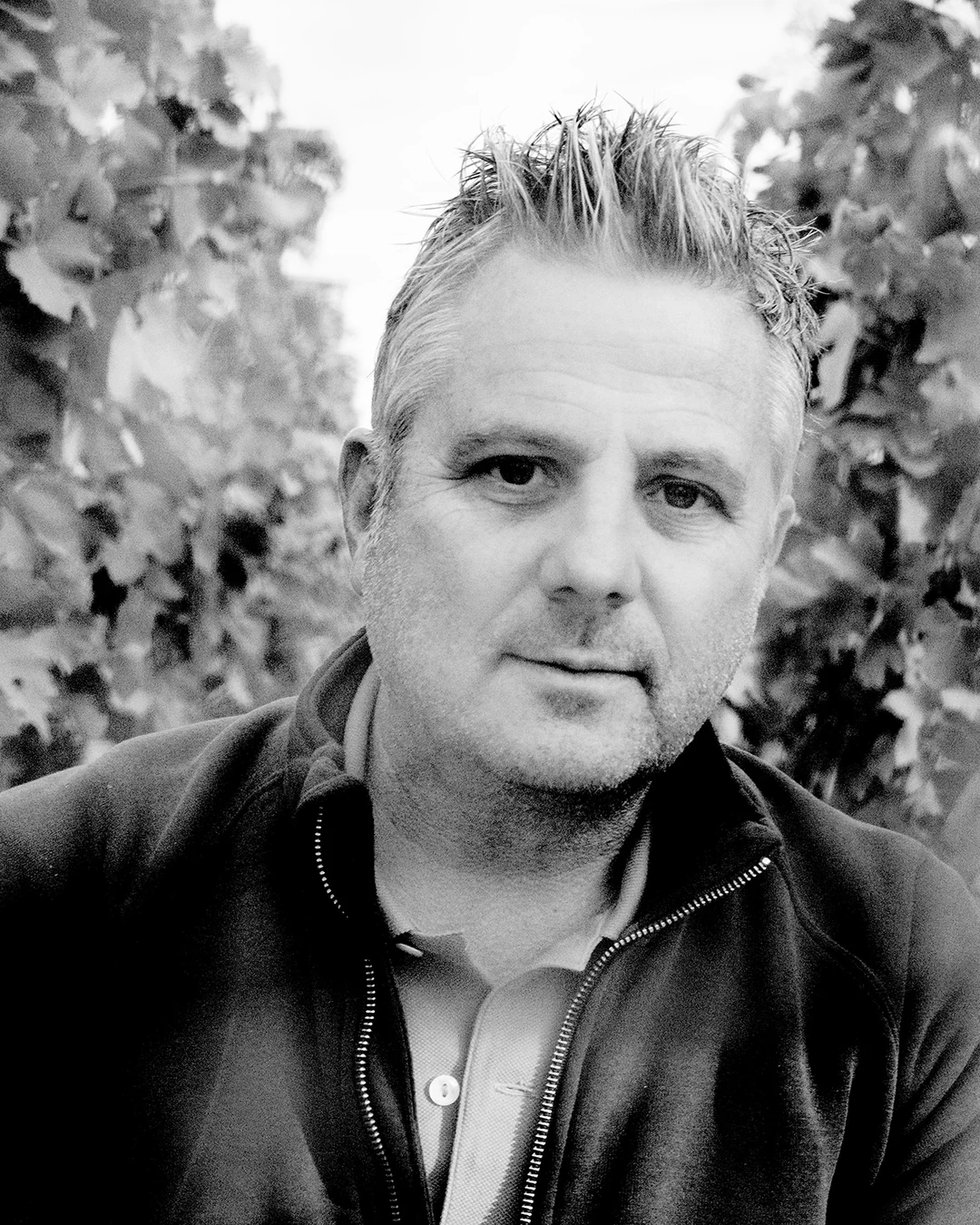
Made By profiles Christophe Baron (Winemaker) at Cayuse Vineyards.
How expensive is Cayuse Vineyards?
Cayuse Vineyards is listed at a price level of $$$$.
The field
How it compares
| Place | Notes |
|---|---|
| Cayuse Vineyards | Downtown Walla Walla, $$$$ |
| Cayuse Vineryards | Walla Walla |
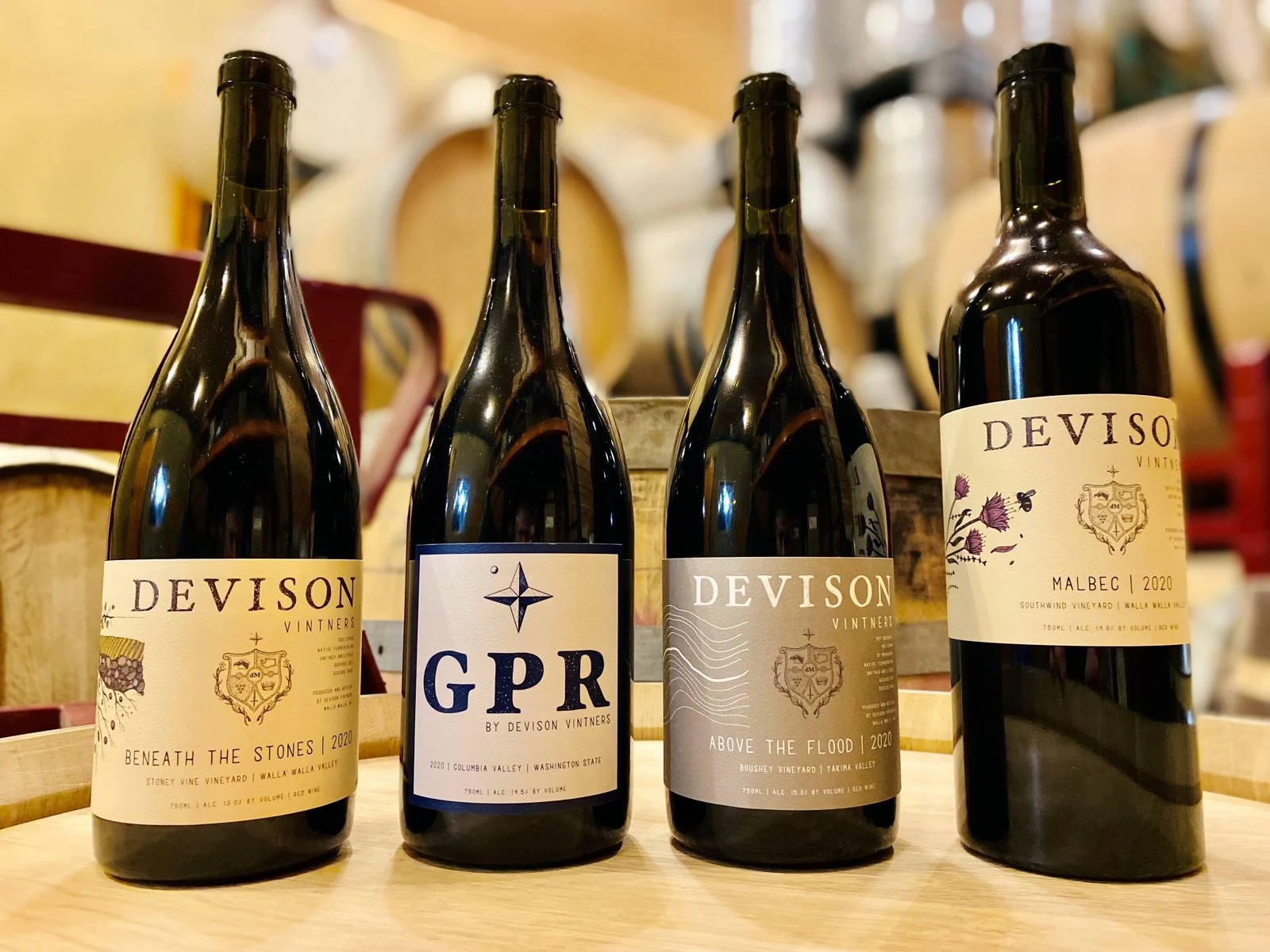
| Devison Vintners | Walla Walla |
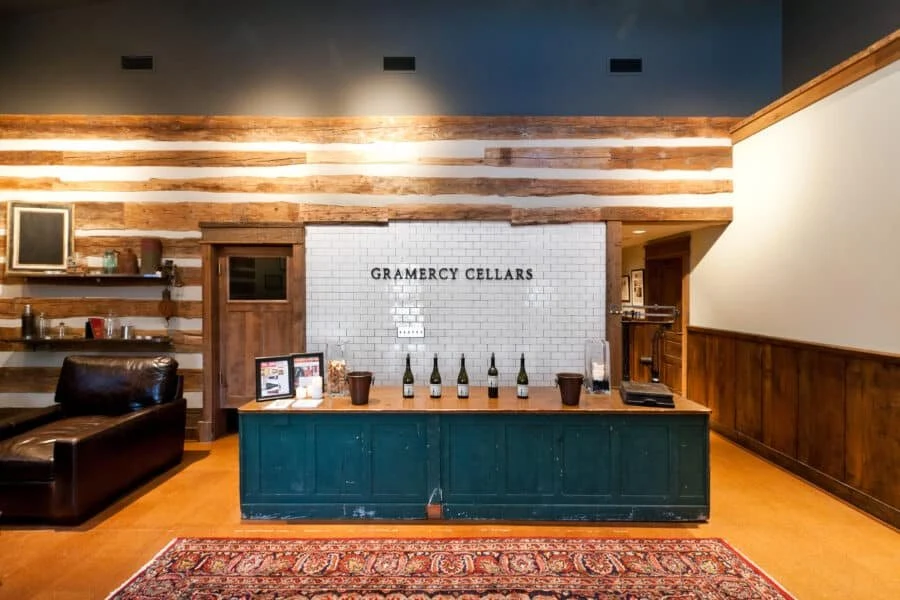
| Gramercy Cellars | Walla Walla |
| Horsepower Vineyards | Walla Walla |
| K Vintners (Charles Smith) | Walla Walla |
| Reynvaan Family Vineyards | Walla Walla |