- Falstaff Winery - Listed · 2026
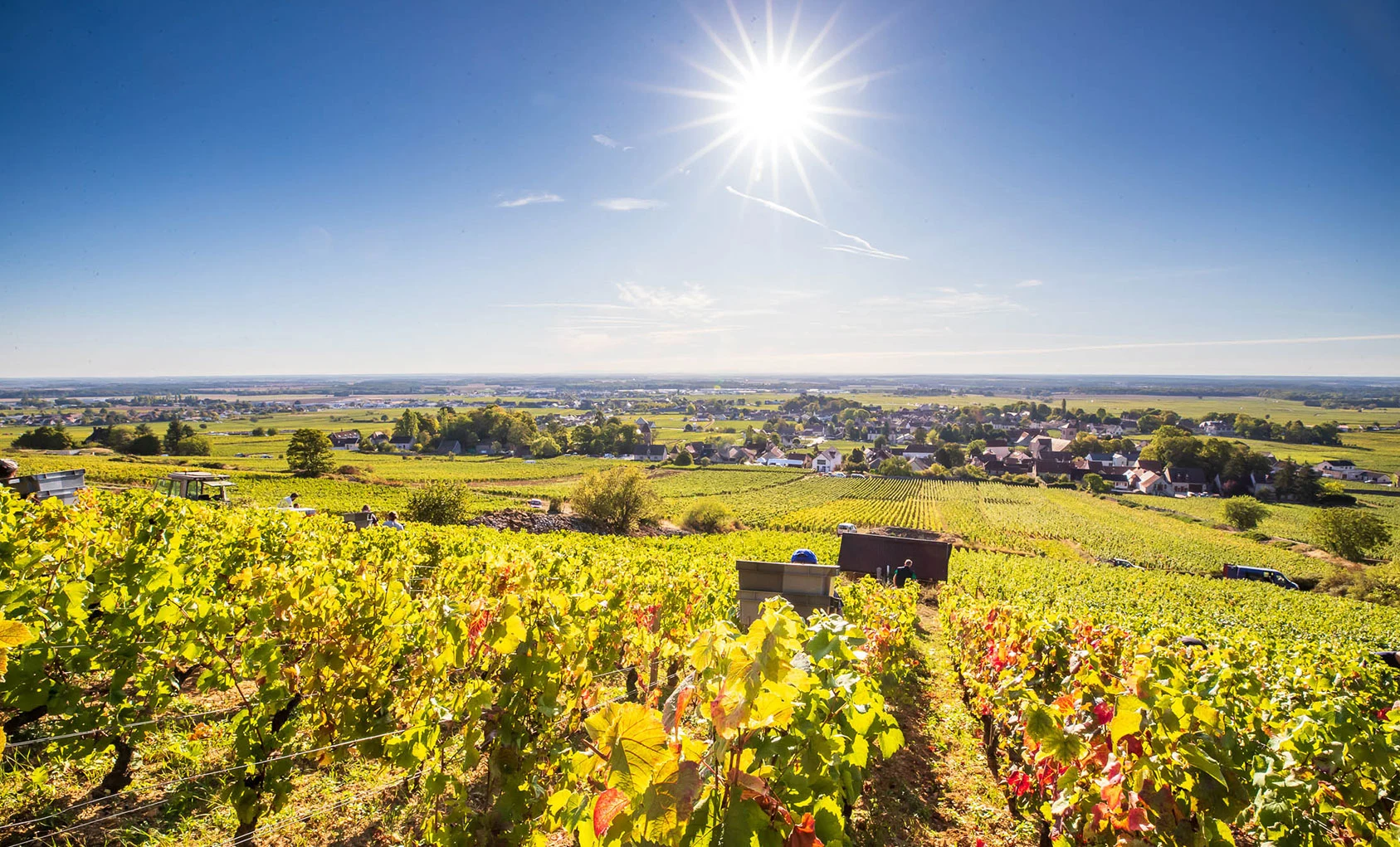
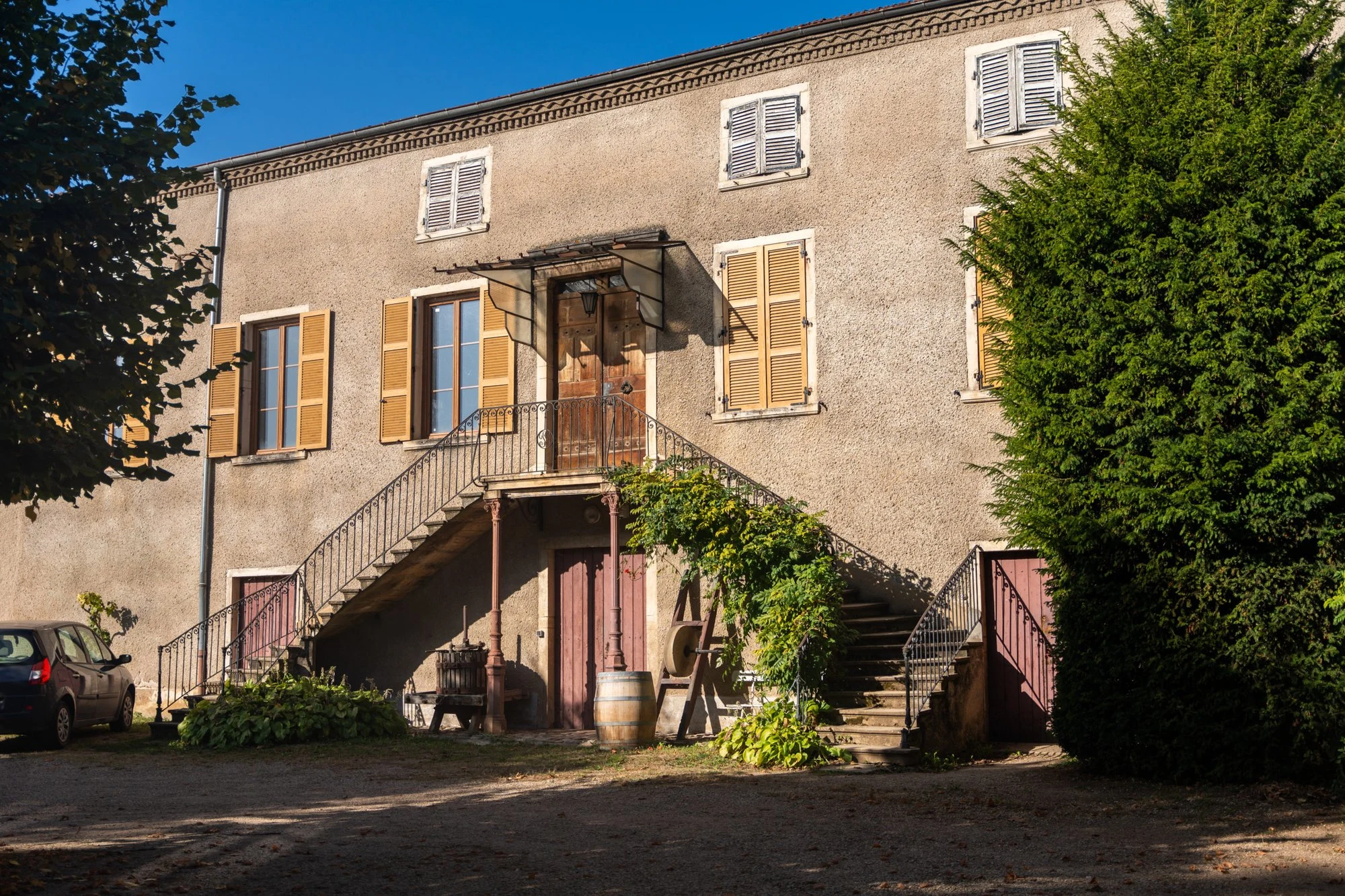
Château Cambon is a quiet Beaujolais estate in Belleville-en-Beaujolais, best approached as a low-key vineyard stop rather than a polished hospitality spectacle. The picture is simple and deliberately unshowy: a sustainable estate with a minimal-intervention, natural-winemaking emphasis, set in a rustic and discreet environment. Its appeal is less about performance and more about a sense of place, the kind of address that feels more closely tied to the landscape around it than to a visitor-facing production.
The most reliable way to frame Château Cambon is as a hidden-gem Beaujolais address where the appeal lies in the estate setting and its natural-wine orientation. It is the sort of place that makes most sense when approached with modest expectations and a genuine interest in the quieter side of Beaujolais, rather than with a checklist of formal experiences or luxury cues.
A quiet Beaujolais estate with a natural-wine focus
Château Cambon’s grounded identity is that of a sustainable Beaujolais estate in Belleville-en-Beaujolais. Its character is described as rustic, quiet, classic, and somewhat hidden away, with a minimal-intervention approach to winemaking. Those descriptors matter because they set the tone: this is not positioned as a glossy showcase, but as an estate whose value sits in restraint, simplicity, and the natural-wine context that shapes its reputation.
That makes it a better fit for travellers interested in the atmosphere of a wine estate than for those looking for a highly choreographed luxury experience. The emphasis should remain on the quiet vineyard setting and the estate’s natural-wine philosophy, rather than on claims about specific cuvées, vineyard holdings, tasting formats, or cellar practices. In practical terms, the draw is the broader identity: sustainable Beaujolais, minimal intervention, and a rustic sense of place. Visitors who appreciate those ideas will likely understand why the address is worth noting, even without surrounding it with exaggerated promises.
Price is listed as $$, which places Château Cambon in a moderate bracket for planning purposes. That rating should be read simply as a broad guide rather than as a substitute for checking current arrangements directly. It supports the overall picture of an address that is accessible in tone and relatively grounded, not one framed around opulence or spectacle.
Natural-wine character without the costume
Château Cambon is best understood through its minimal-intervention and sustainable Beaujolais identity. The estate’s appeal is not built around flash or resort-style amenities; it is rooted in a quieter sense of place and a natural-winemaking orientation. That distinction is important, because natural wine can sometimes be discussed in ways that feel more like branding than substance. Here, the editorial read should stay plain: Château Cambon belongs in the conversation because its profile centers on sustainability, minimal intervention, and the character of Beaujolais.
For visitors, that means expectations should stay grounded. The right approach is to value the estate for what is already clear about it: a calm, rustic environment and a natural-wine focus. The quieter framing is also the stronger one, because it leaves the place room to be what it is.
The strongest editorial case is therefore restrained: Château Cambon represents the quieter, more rustic side of Beaujolais wine culture, with sustainability and minimal intervention at the center of its profile. Its strength is the absence of overstatement. For travellers seeking a lower-key way into Beaujolais, that can be precisely the point.
How to read the visit in Belleville-en-Beaujolais
Château Cambon makes sense for travellers who want a calm Beaujolais estate setting and who are interested in natural winemaking. The tone is quiet and rustic, with a hidden-gem quality that suits visitors looking for something understated rather than theatrical. It is best placed on an itinerary as a reflective vineyard stop, not as a guaranteed centrepiece of structured hospitality. The pleasure, as framed here, lies in the estate’s atmosphere and its alignment with sustainable, minimal-intervention Beaujolais.
For planning, pair Château Cambon with other dining, hotel, bar, winery, and experience options in Belleville-en-Beaujolais only after checking current details directly. This page does not verify opening hours, tasting availability, private tours, group policies, food service, transport details, or accessibility information. That caution is not incidental; it is part of reading the address accurately. Because the most dependable description is broad and atmospheric, any practical visit details should be confirmed before building a day around it.
The clearest reason to keep Château Cambon on a Belleville-en-Beaujolais itinerary is its grounded combination of sustainable Beaujolais estate character, minimal-intervention winemaking, and a quiet vineyard setting. It is an address to consider for its restraint, its rustic profile, and its natural-wine identity, especially for travellers who prefer understated places over polished set pieces.
Questions
Frequently asked
Who works at Château Cambon?
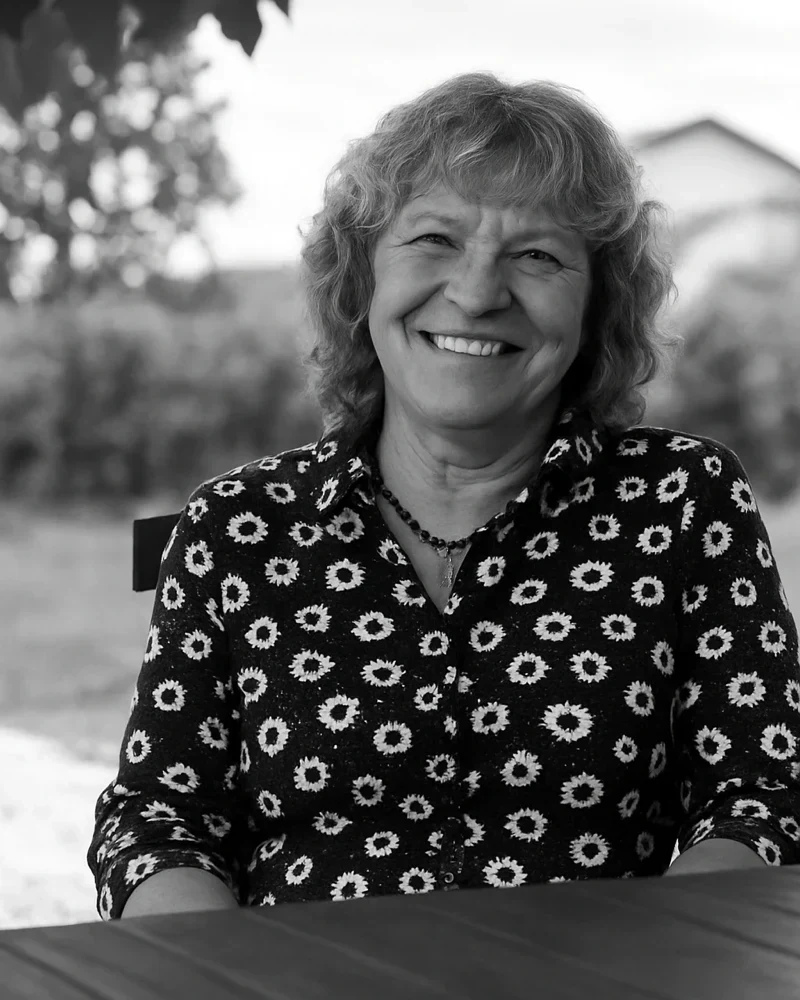
Made By profiles Marie Lapierre (Winemaker) at Château Cambon.
How expensive is Château Cambon?
Château Cambon is listed at a price level of $$.
The field
How it compares
| Place | Notes | Awards |
|---|---|---|
| Château Cambon | $$ | · |
| BOND Winery | Napa | · |
| Château du Pizay | Belleville-en-Beaujolais | · |
| Château Lafleur | Pomerol | · |
| Château Rieussec | Fargues | · |
| Domaine Bruno Clair | Marsannay-la-Côte | · |
| Quinta do Crasto | Sabrosa | World's 50 Best |