Château de Luc
- 01CityLuc-sur-Orbieu, France
- Falstaff Winery - Listed · 2026
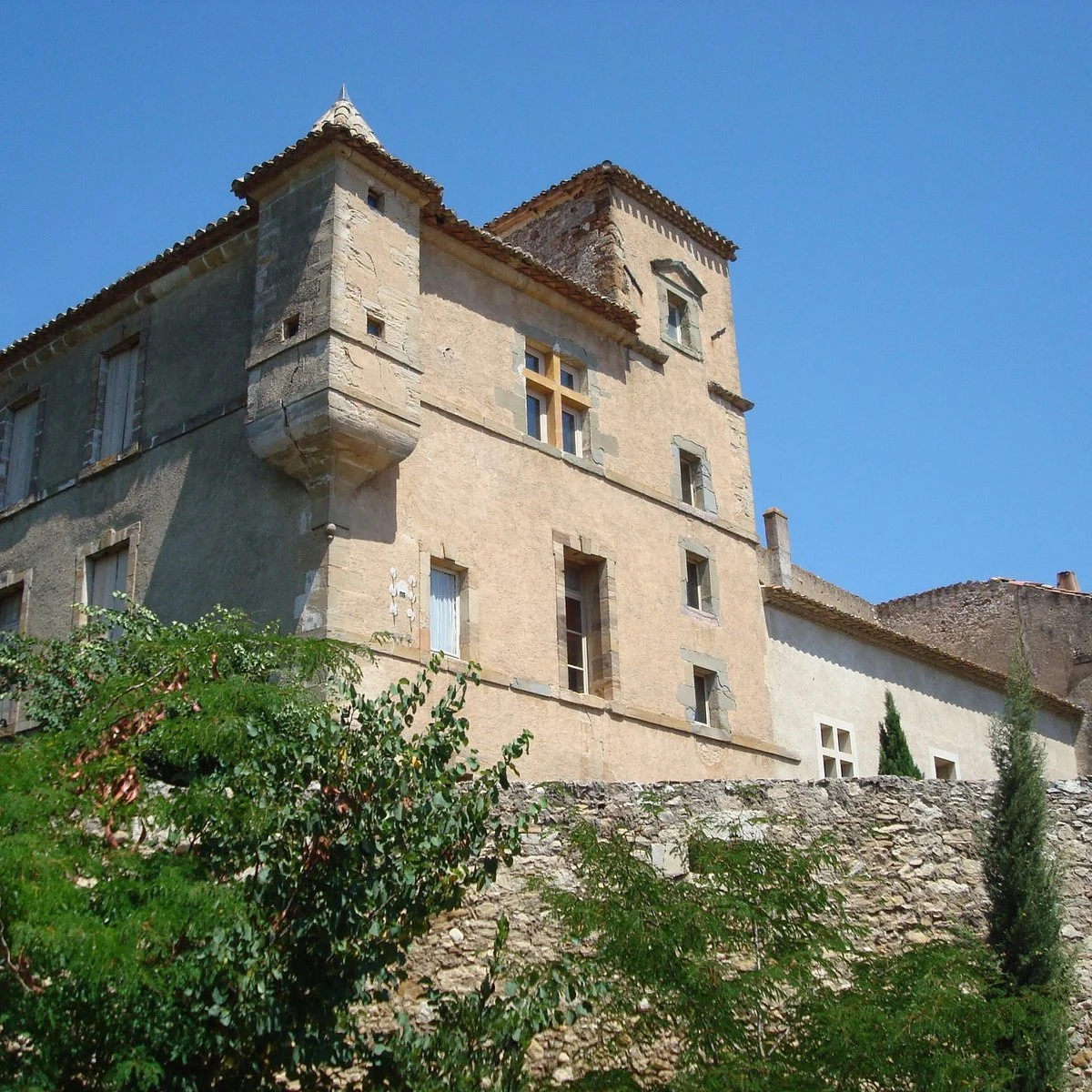
Stone does much of the talking at Château de Luc, a historic Languedoc family estate in Luc-sur-Orbieu where tastings take place in former stables and a 14th-century cellar. Those details define the visit and set expectations before anything is poured. This is not a venue built on elaborate presentation or a long list of claims; its appeal comes from being inside an old working estate, where the building’s texture and the surrounding setting give the tasting its character.
The appeal is direct: old-stone charm, a rustic historic building, and a scenic setting that create a strong sense of place without formality. Château de Luc reads as the kind of stop where the surroundings matter as much as the tasting. The former stables and cellar are not background; they frame the mood, grounding the visit in the estate’s history and the rural character of Luc-sur-Orbieu. Visitors seeking polished luxury may find the emphasis intentionally simpler, while those drawn to atmosphere, age, and a relaxed pace are likely to understand the appeal quickly.
The atmosphere is relaxed, friendly, and educational, suggesting a visit that is approachable rather than intimidating. Château de Luc suits visitors who want a casual tasting experience with historic surroundings rather than a highly staged or luxury-driven visit. The educational side belongs in that same low-key spirit: learning within the estate setting, not a formal class or scripted performance.
Confirmed detail is limited, so the venue is best understood as a welcoming estate stop in Luc-sur-Orbieu, not a page built around claims about specific grapes, awards, menus, tour formats, or service details. The most reliable reasons to consider it are the historic setting, old-stone atmosphere, and relaxed tasting context. Château de Luc is strongest when described plainly: a family estate with memorable historic rooms and an easygoing sense of place.
A historic Languedoc estate setting
Château de Luc’s clearest draw is its setting. Former stables and a 14th-century cellar frame the tasting experience, giving visitors a direct connection to the estate’s historic fabric. A tasting in a former stable or old cellar feels different from one in a neutral contemporary room; the structure’s age, rustic materiality, and sense of continuity shape the visit before any detailed explanation begins.
The tone is rustic and casual rather than polished or theatrical, with the building itself doing much of the work. The point is not to manufacture drama, but to let the estate’s character carry the experience. Old stone, adapted historic spaces, and a scenic Languedoc setting provide quiet richness. For visitors who respond to architecture and place, the tasting can feel grounded and personal without relying on additional claims about production, accolades, or specialized programming.
Because the estate is in Luc-sur-Orbieu, the setting has a clear geographical anchor. The visit belongs to this village context rather than feeling like a generic wine stop. The historic building, family-estate identity, and surrounding scenery create the main impression. Château de Luc is best appreciated as an atmospheric venue first: a place where the surroundings are central, and where the appeal comes from being present in rooms with a visible sense of age.
The confirmed price is $15 per person. Keeping that detail simple is most accurate, since the available information does not support assumptions about inclusions, upgrades, or formats. For planning, the price gives visitors a practical reference, while the decision should rest on the experience described here: relaxed, historic, and rooted in the estate setting.
A relaxed estate visit, not a performance
Château de Luc is best approached as a low-key, educational stop in Luc-sur-Orbieu. Its strengths are the family-estate atmosphere, the historic rooms used for tastings, and the scenic, old-stone character of the property. The experience appears less about spectacle and more about setting, conversation, and time in a place with visible history, making it especially suitable for travelers who prefer a casual pace and a welcoming rather than highly curated environment.
Relaxed does not mean lacking substance. The substance comes quietly through the cellar, former stables, historic estate context, and friendly, educational tone. Visitors who enjoy informal learning may find that balance is the point. The venue does not need to be framed as a luxury showcase to be worthwhile. Its identity is modest and place-led, a strength for anyone seeking an authentic-feeling estate stop without excessive formality.
For travelers building time in Luc-sur-Orbieu, it can be paired with other local dining or lodging options in a general itinerary. That keeps the venue in its proper role: a meaningful stop that adds atmosphere and context to a day in the area, rather than a destination inflated with unsupported details. It can work well for visitors who want to connect a tasting with the village setting and the surrounding Languedoc character.
The key reason to come is simple: a casual tasting at a historic Languedoc estate, set within former stables and a 14th-century cellar. Château de Luc offers old-stone charm, a relaxed and friendly atmosphere, and a sense of place that comes from the building itself. For the right visitor, that is enough: not a performance, not a luxury production, but an accessible encounter with a family estate in Luc-sur-Orbieu.
Questions
Frequently asked
How expensive is Château de Luc?
Château de Luc is listed at a price level of $$.
The field
How it compares
| Place | Notes | Awards |
|---|---|---|
| Château de Luc | Luc-sur-Orbieu, $$ | · |
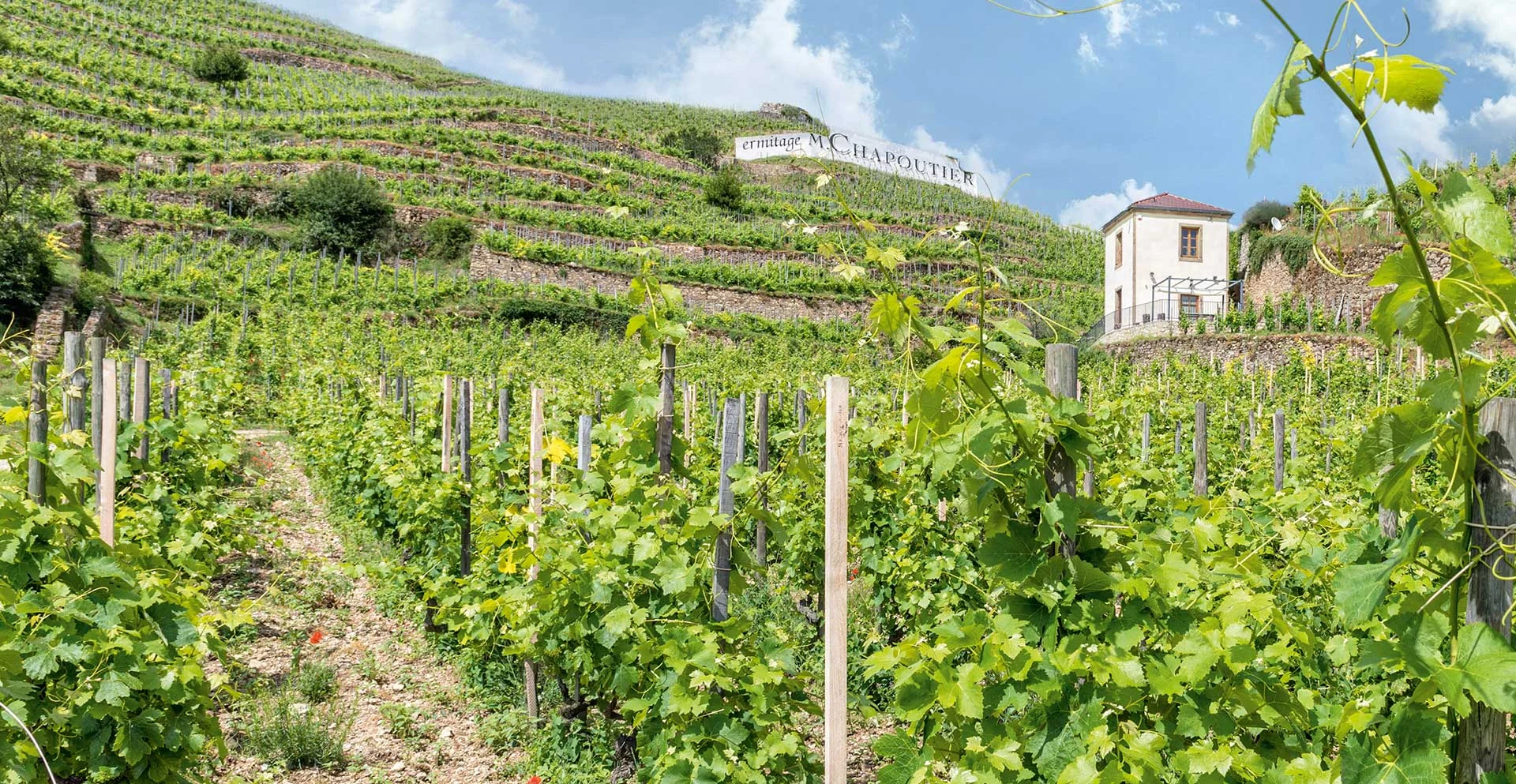
| Chapoutier | Tain-l'Hermitage | World's 50 Best |
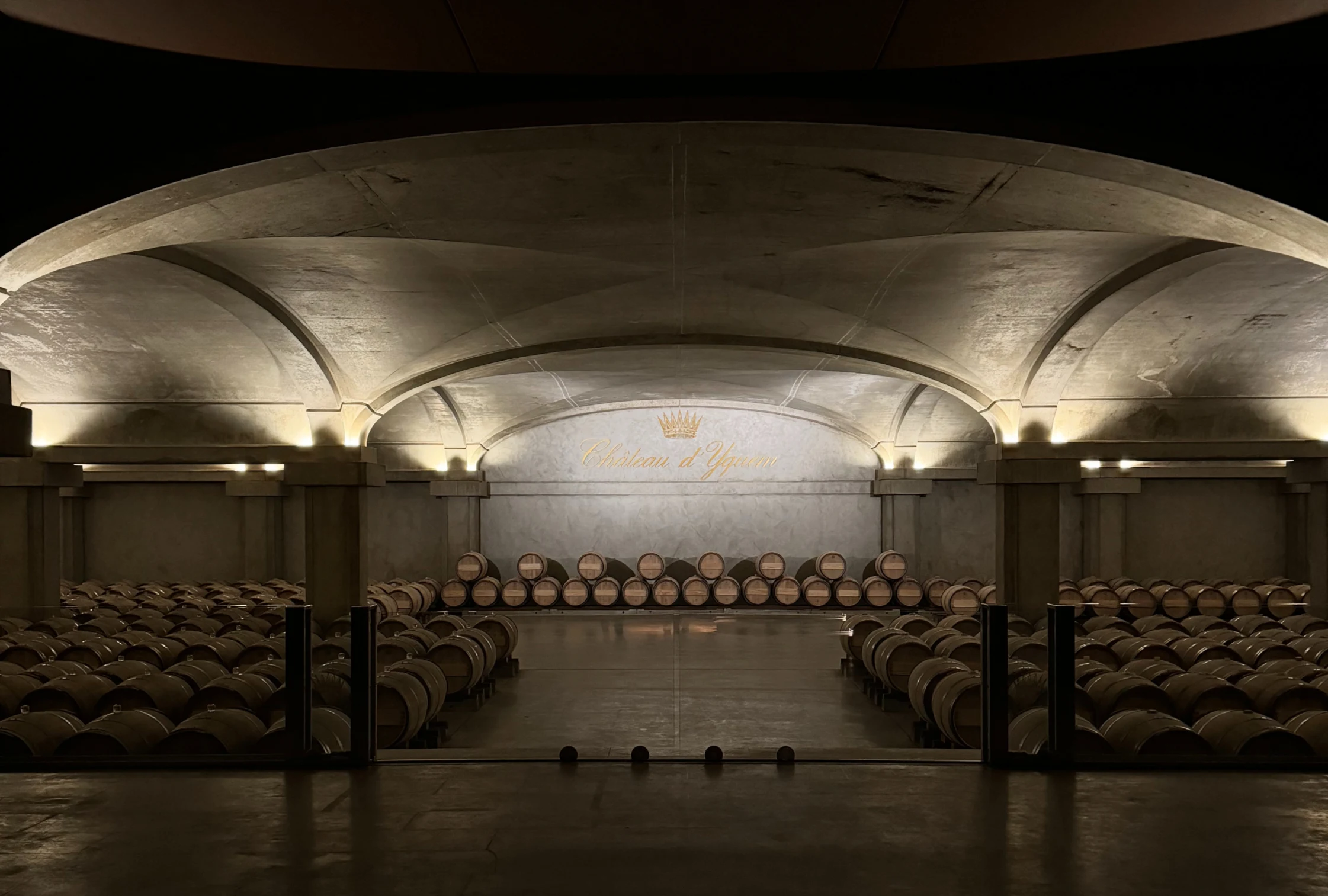
| Château d'Yquem | Sauternes | World's 50 Best |
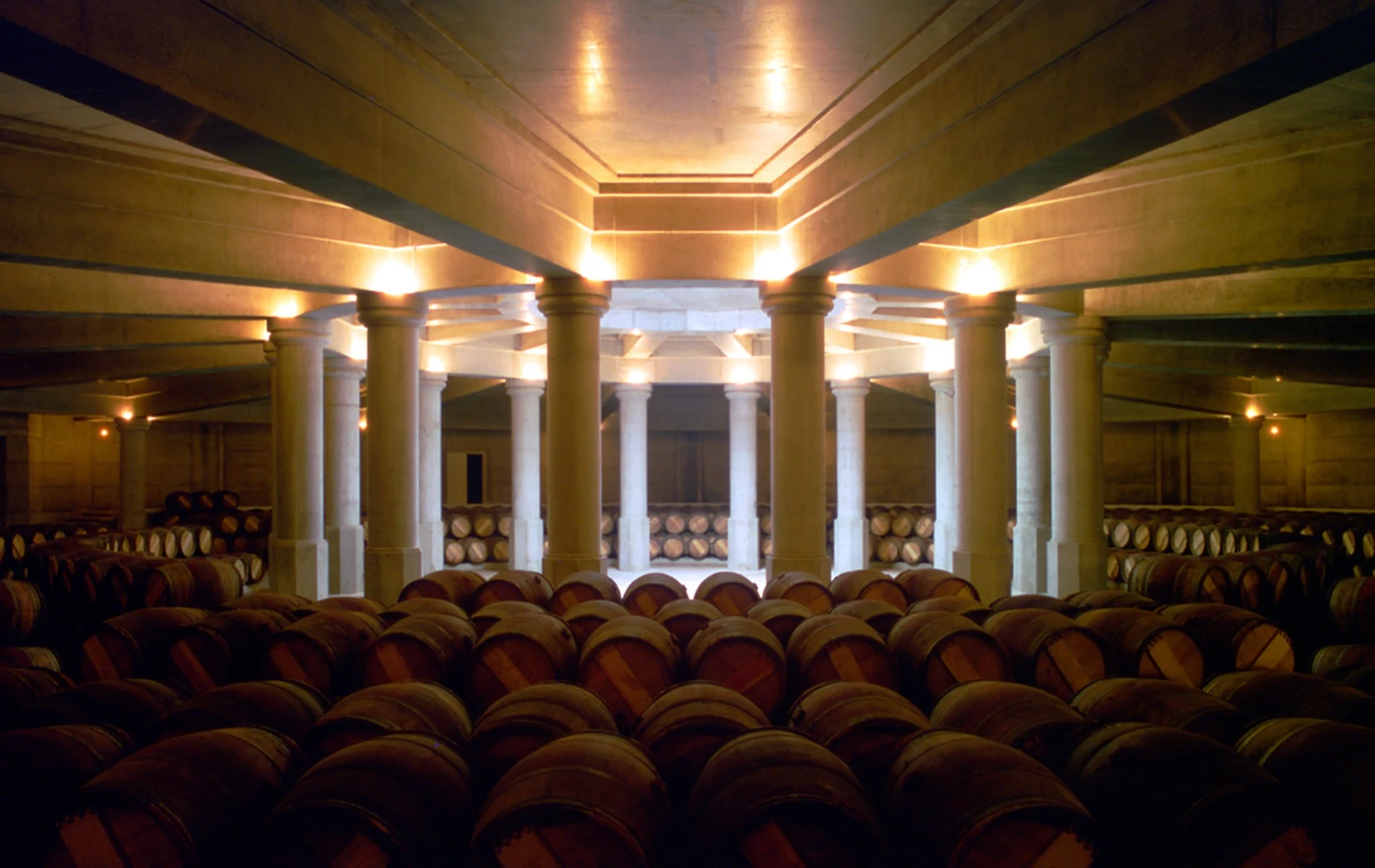
| Chateau Lafite Rothschild | Pauillac | · |
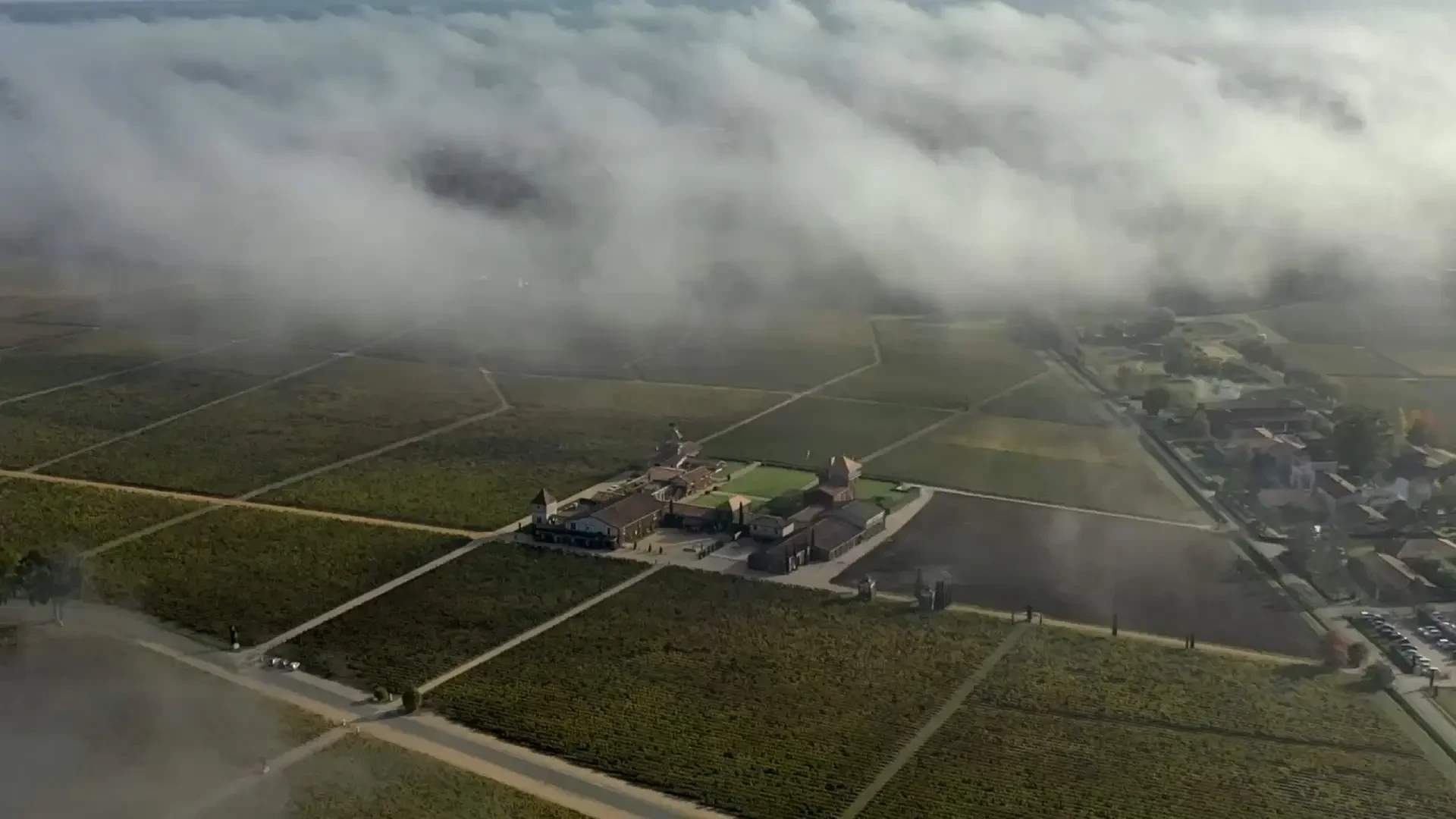
| Château Smith Haut Lafitte | Martillac | World's 50 Best |
| Domaine Coche-Dury | Meursault | · |
| Domaine de Luc | Luc-sur-Orbieu | · |