Juliette d’Assay works as winemaker at Château de Tracy in Tracy Sur Loire, shaping Sauvignon Blanc from flint and limestone slopes.
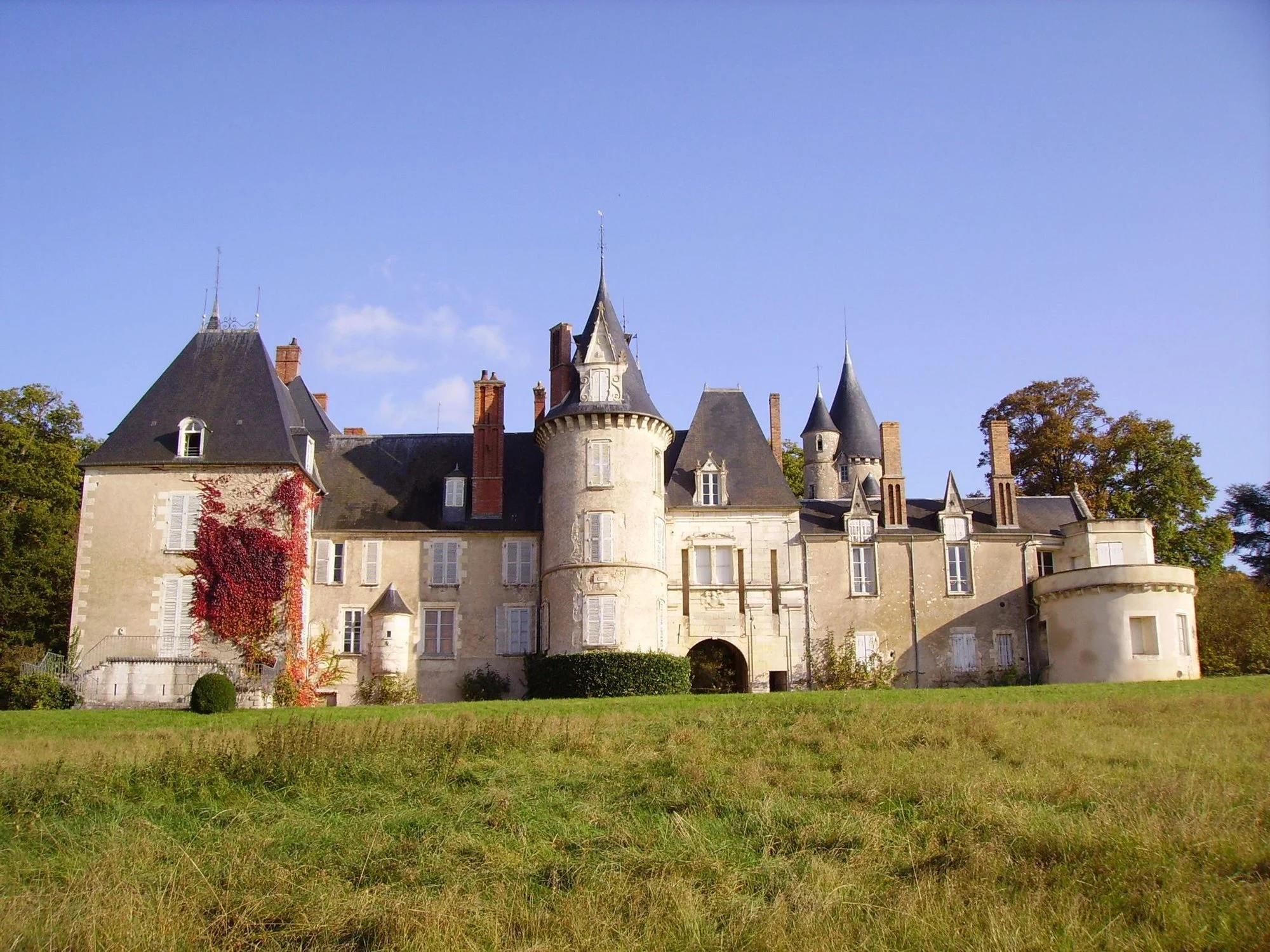
The decision is to keep Sauvignon Blanc close to its ground. Juliette d’Assay, winemaker at Château de Tracy in Tracy Sur Loire, works from a Loire estate where the château sits on a rocky spur above the river and the vines run across flint and limestone. Her own sentence for the work is spare: “We are cultivating a historical vineyard which has been under the influence of the same family since the 15th century.” That scale of inheritance asks for restraint at the bench and in the vineyard. Before Château de Tracy, d’Assay worked as a photographer at Marie-Claire Idées magazine until 2005, a discipline of framing, timing, and looking hard before acting. Since 2012, her role at the domaine has required the same kind of attention, applied to slopes, parcels, cellar decisions, and the long continuity of a family property. The estate’s archive places the purchase of the Champ de Crix vineyard in 1396, and that plot remains part of the domaine’s Sauvignon Blanc story. Count and Countess Alain d’Estutt d’Assay recreated the family business in 1952; Juliette now carries that line as management and craft rather than ornament.
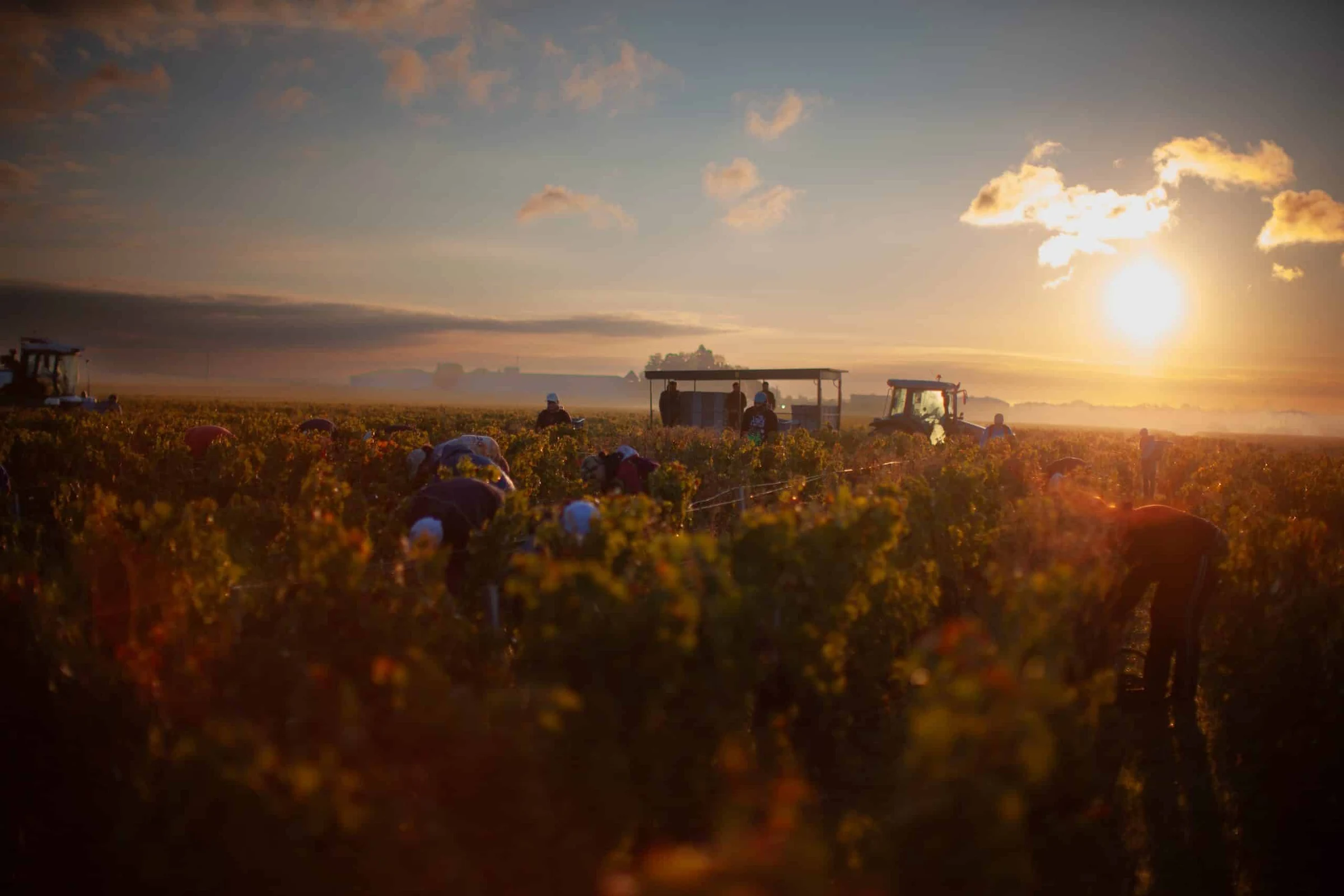
The program at Château de Tracy is narrow by design: Sauvignon Blanc for Pouilly-Fumé AOC, drawn from estate vineyards rather than purchased fruit. The vines cover 33 hectares across two principal grounds, the flinty slopes around the château and the Kimmeridgian limestone of Vilmoy, a few kilometers from Pouilly-sur-Loire. The grand vin assembles those two registers, with pierre à fusil from the flint and a cooler line from the limestone. In the cellar, the main work stays in stainless steel. Primary fermentation takes place in tank, and the wine ages for 6–8 months before bottling, a method that keeps the fruit, acid, and mineral edge in clear relief. The house works under a sustainable philosophy, with High Environmental Value certification and an approach in the vineyard built around non-polluting agricultural practice and the regulatory mechanisms of the ecosystem. Haute Densité and 101 Rangs, named in d’Assay’s signature, read like vineyard thoughts: density, repetition, rank, and the patience of counted rows.
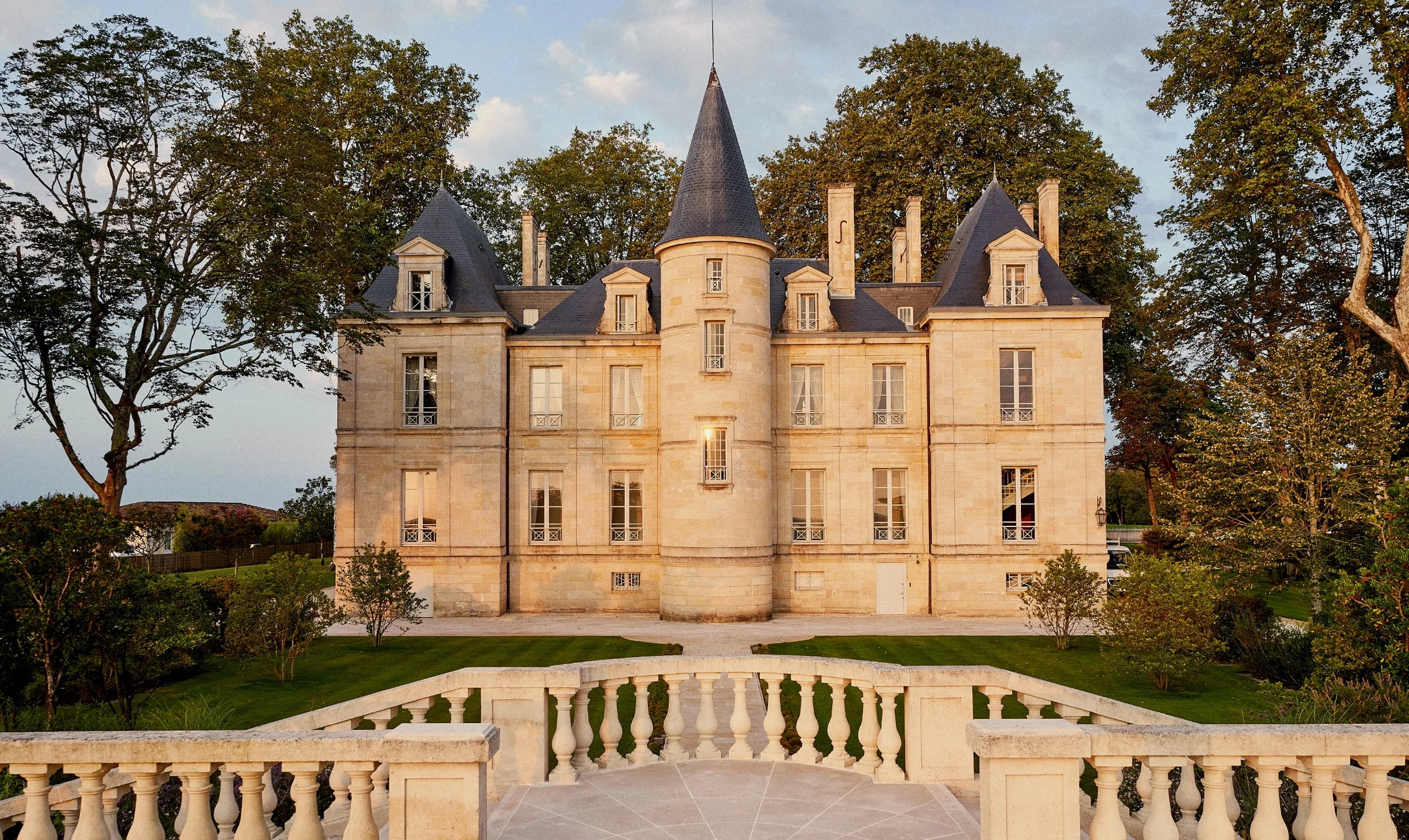
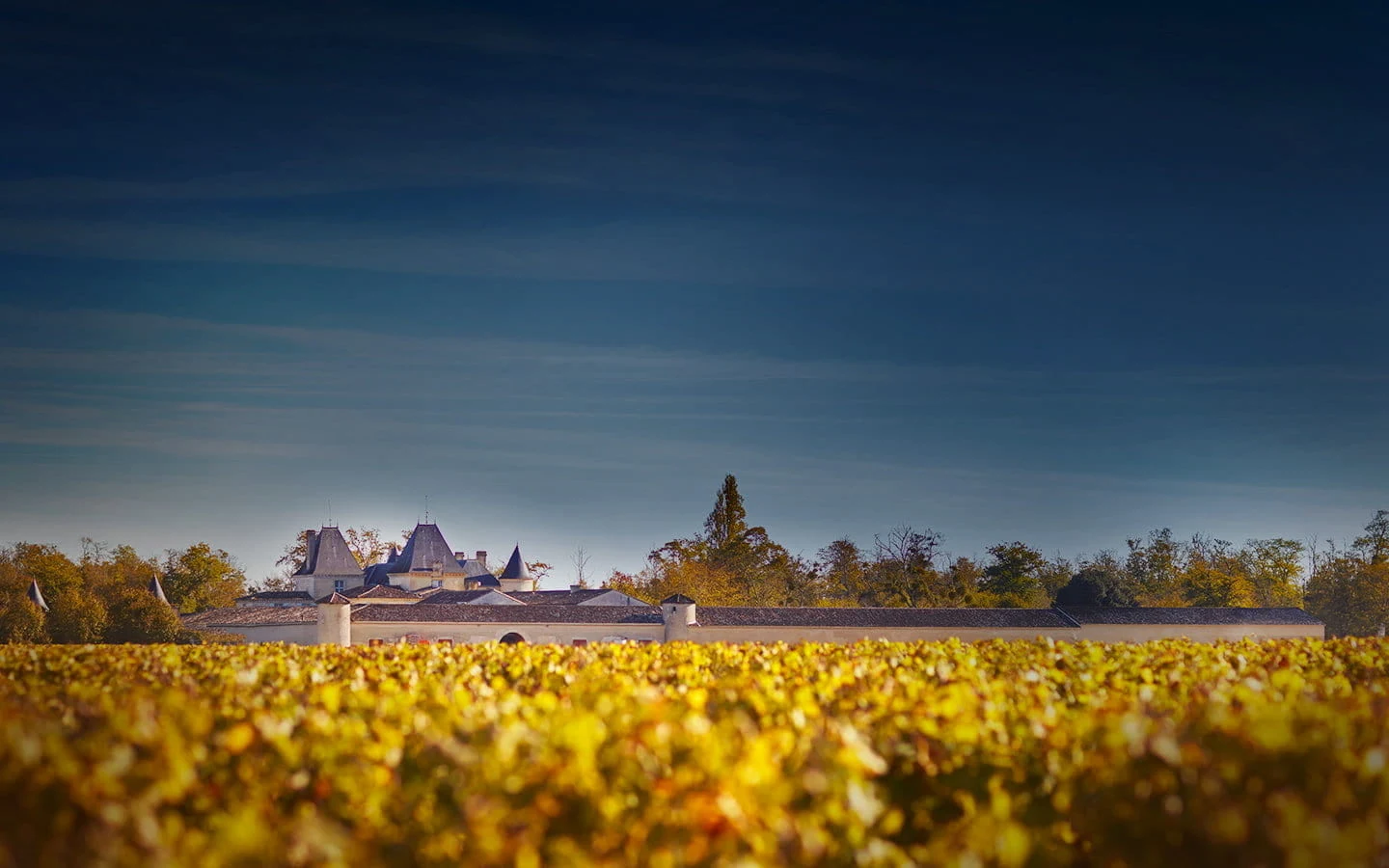
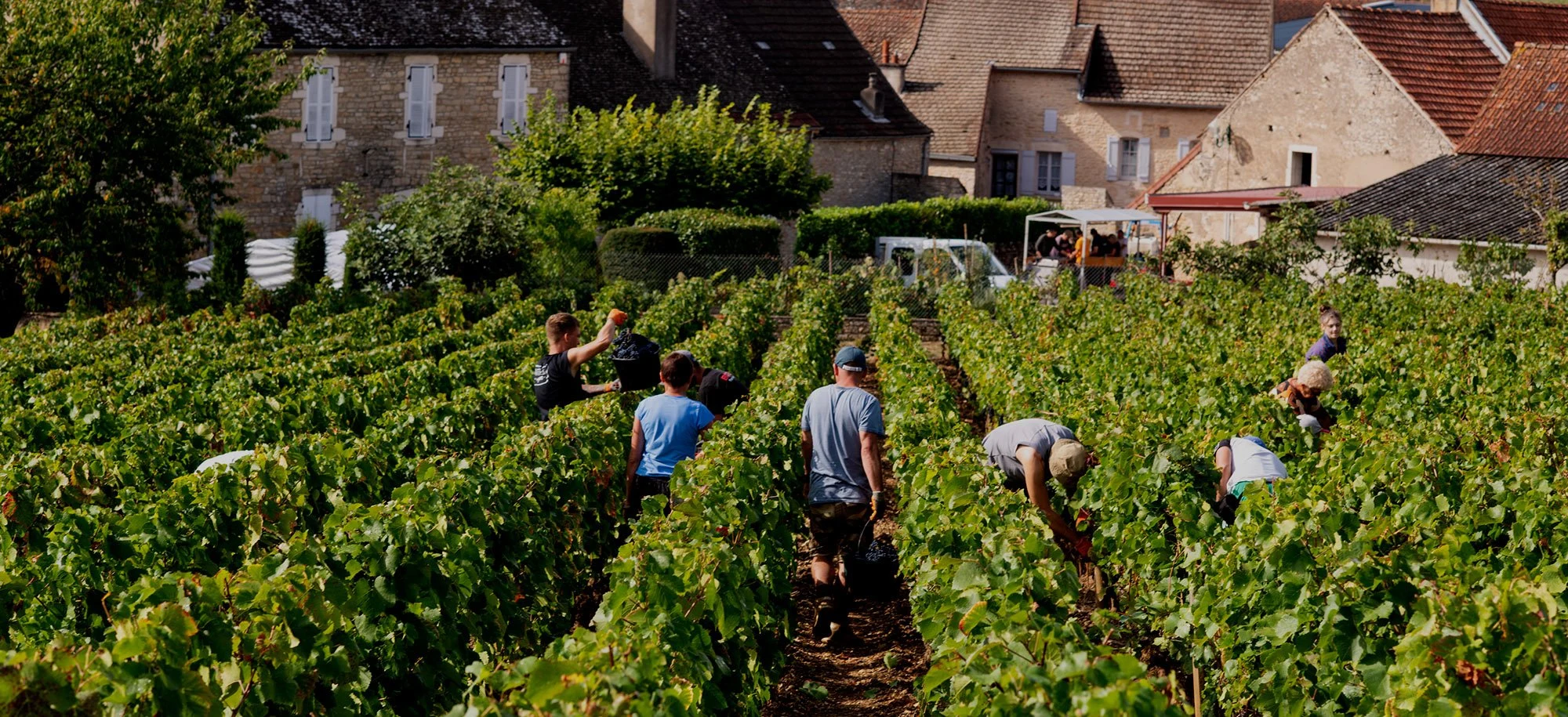
The place does not feel arranged for spectacle. The château rises with Renaissance and Medieval bones, a Renaissance gate, slate towers, and a keep above the Loire; below that architecture, the work returns to tanks, samples, slopes, and the tasting glass. The room is quiet enough for Sauvignon Blanc to do what it does here, carrying citrus, fruit, and the struck-stone note that Pouilly-Fumé drinkers call gunflint. Tours and tastings stay intimate, with the hosts turning attention toward terroir rather than performance. Outside, the hillside vineyards make the method legible: river air, rocky ground, flint near the house, limestone at Vilmoy. Inside, the cellar holds the line.
The importance of Château de Tracy is not held in a single vintage or a single award. It is in the fact that a family estate can keep a narrow craft alive without reducing it to nostalgia. The union of Françoise Stutt and Françoise de Bar in 1586 brought the seigneury of Tracy into the family line, and the modern domaine still works from that accumulated responsibility. If the next movement here is quiet, it is still concrete: the same slopes, the same grape, and Juliette d’Assay returning each season to Champ de Crix.
Tracy-sur-Loire, Pouilly fumé, Bourgogne-Franche-Comté, Frankreich
Tracy-sur-Loire