- Falstaff Winery - Listed · 2026
Approaching a Vaudois château for wine is a different proposition from entering a polished tasting salon. The atmosphere is quieter and more domestic: stone, cellar coolness, family continuity, and the sense that the room was not designed primarily for visitors but adapted to receive them. In the Côtes de l’Orbe, that intimacy matters. This is not a region that trades on grand-scale tourism; its stronger card is specificity, with small estates translating a varied, moderate-climate corner of Vaud into wines that remain closely tied to place.
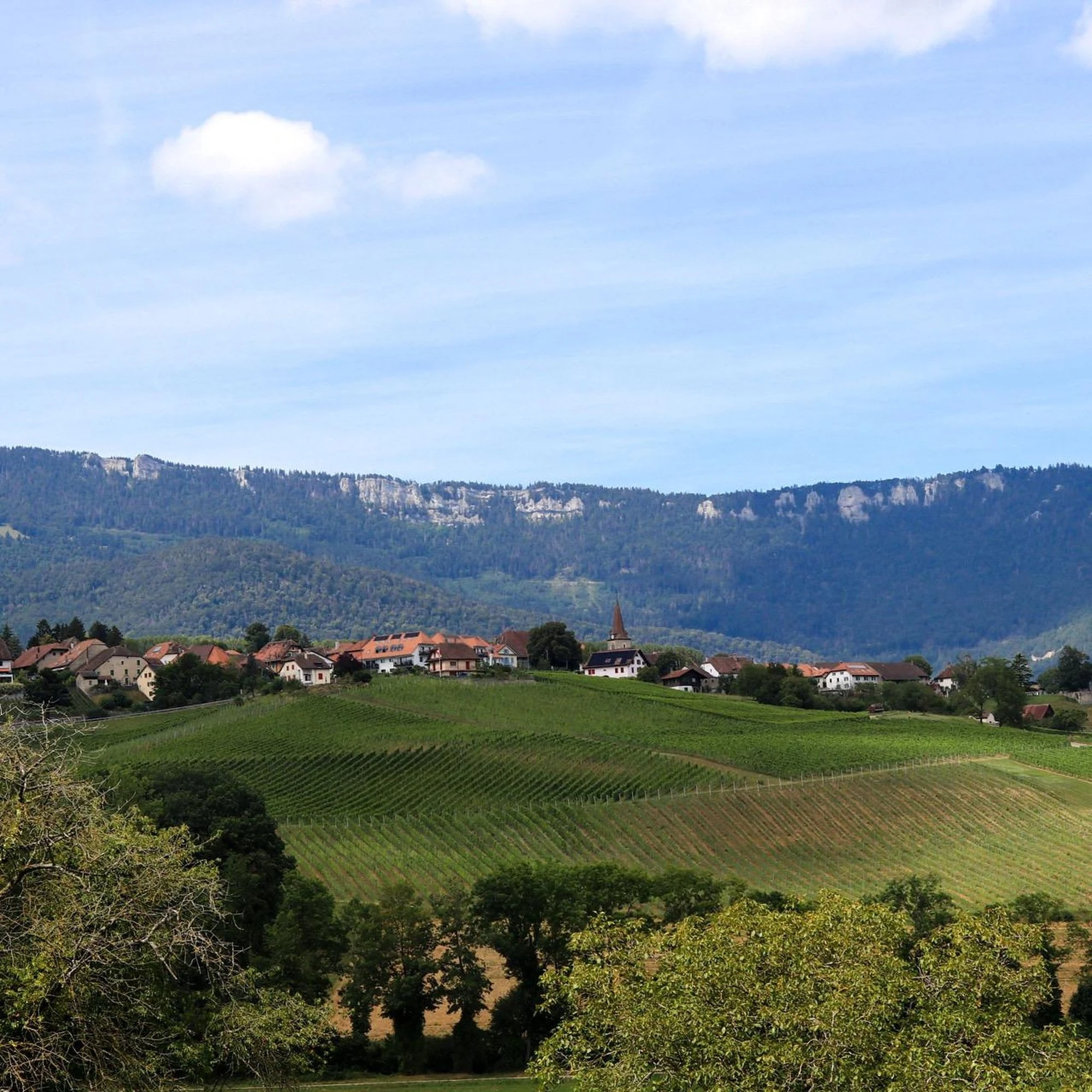
Château de Valeyres sits inside that tradition with a 3-hectare vineyard estate and a Carnotzet tasting room, the Swiss cellar setting that keeps the experience close to the wine rather than to hospitality theatre. The château itself carries national cultural-property status, and its history gives the visit a different frame from a standard cellar stop: the building’s 19th-century neoclassical transformation and long family ownership create architectural context before the first glass is poured. The wine, though, is the point. Côtes de l’Orbe AOC is better understood through range than through a single calling card, and this estate makes that case through Chasselas, Chardonnay, Pinot Noir, Gamay and newer interspecific varieties.
Côtes de l'Orbe in the glass: tradition meeting resistant varieties
Vaud is often flattened in the imagination into Chasselas country, but the Côtes de l’Orbe rewards a wider reading. The zone’s diverse soils and moderate temperatures support both familiar Swiss and Burgundian-leaning varieties, and that breadth is central here. Chasselas gives the portfolio its regional anchor; Pinot Noir, Gamay and Chardonnay connect it to a broader cool-climate vocabulary. The more contemporary story comes through Sauvignac, Divico and Muscaris, interspecific grapes selected for strong resistance to major vine diseases. In a Swiss context, where small holdings face the same mildew pressures as larger European regions but with less room for error, those varieties are not novelty for novelty’s sake. They are a practical argument about how winegrowing may adapt without abandoning local identity.
The estate’s two named ranges sharpen that split. “Confidentiel” focuses on Chardonnay, Pinot Noir and Gamay, made with Frédéric Hostettler, a master winegrower linked to the project. “Germination” moves toward the experimental side, using varieties such as Sauvignac, Divico and Muscaris. That division is useful for visitors because it turns a tasting into a short lesson in Vaud’s present tense: heritage grapes on one side, agronomic adaptation on the other. The Pinot Confidentiel 2020 received recognition in Revue Le Guillon, and the estate was included among four favorites in the 2025 Lauriers de Platine Rouges Terravin selection after a jury of twenty specialists reassessed 16 Terravin gold-label wines. Those signals matter because Swiss wine rarely has the export visibility of France or Italy; domestic recognition often carries more weight than international noise.
A château cellar format, not a luxury performance
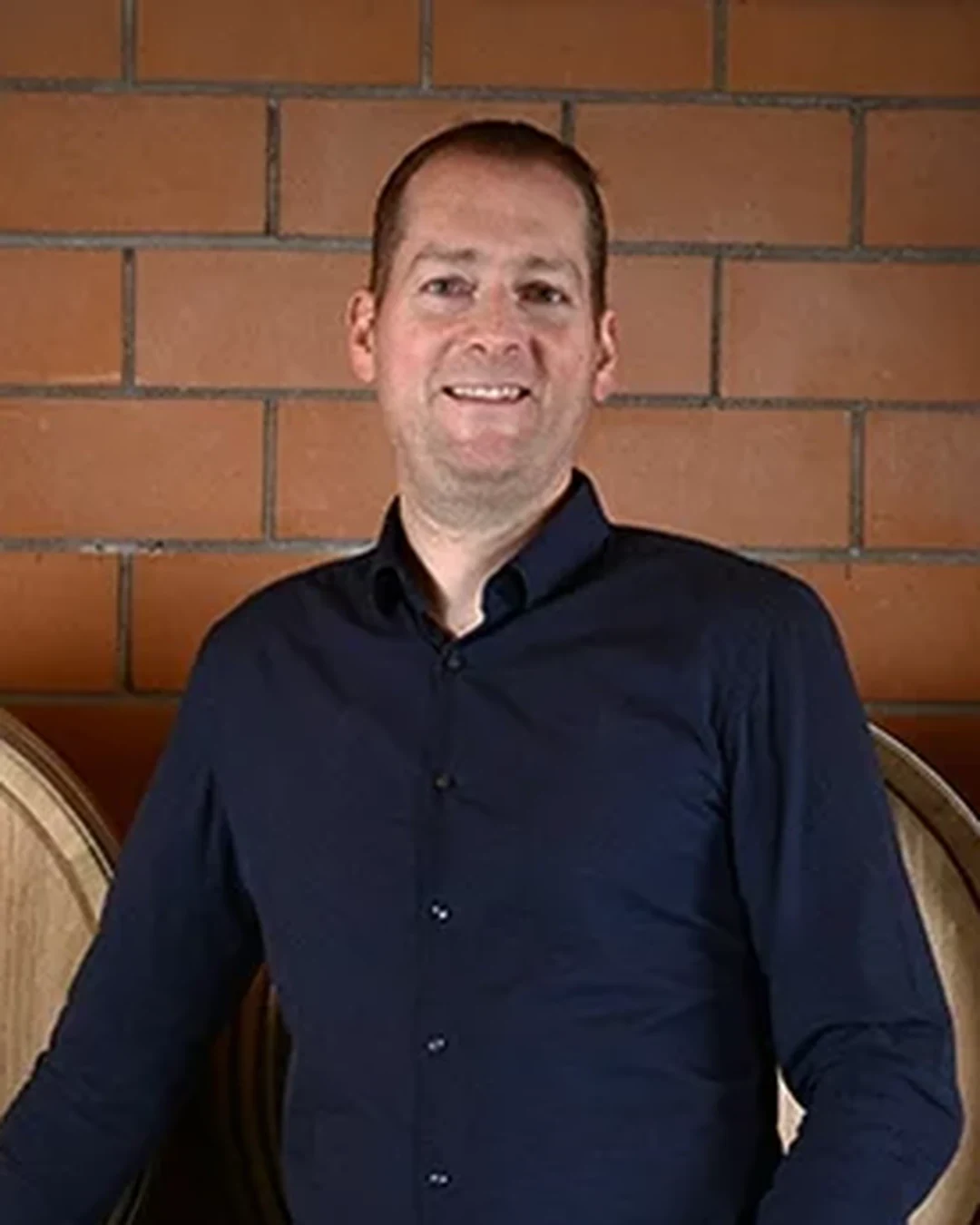
The stronger reason to come is the scale. A small-production château with a Carnotzet changes the rhythm of tasting: fewer layers between visitor, cellar and family operation. The room accommodates up to 30 people, which keeps the format suited to wine education, group outings and private tastings rather than mass tourism. Benjamin Morel, the winemaker, brings formal training from Changins and a federal diploma, credentials that fit the Swiss model of technical precision over self-mythologising. The Morel family has been tied to the estate since 1945, and that date is more than heritage decoration; it explains why the place reads as a working Vaudois property rather than a reconstructed visitor concept.
For a region-by-region Swiss wine itinerary, the point is contrast. Côtes de l’Orbe does not offer the lakefront drama associated with parts of Lavaux, nor the alpine scale of Valais. Its appeal is more granular: village viticulture, small parcels, pragmatic sustainability, and a willingness to place interspecific grapes beside more established varieties. Readers building a broader route can set this stop against nearby and national references through Our full Valeyres Sous Rances wineries guide and the local estate context of Sother – Domaine du Manoir. For wider Swiss comparison by region and style, useful contrasts include A. & C. Chevalley in Lutry, Abbaye de Mont in Mont Sur Rolle, Adrian & Diego Mathier Nouveau Salquenen in Salgesch, aagne weingut in Hallau, A & A Weinbau in Henggart, 180°Süd in Frick and Adriano Kaufmann in Tresa.
How to read the visit
The tasting format is strongest for visitors who want to understand terroir through choices in the vineyard, not just through a lineup of labels. The sustainable production philosophy is clearest in the disease-resistant varieties, where reduced vulnerability to oidium and mildiou becomes part of the agricultural argument. That makes the estate especially relevant for drinkers interested in the future of Swiss wine: not only what Vaud has historically grown, but how a small château estate responds when climate, disease pressure and consumer curiosity shift at the same time.
Valeyres Sous Rances is a compact base, so the estate works better as part of a focused wine day than as a standalone luxury excursion. For the rest of the local planning frame, see Our full Valeyres Sous Rances restaurants guide, Our full Valeyres Sous Rances hotels guide, Our full Valeyres Sous Rances bars guide and Our full Valeyres Sous Rances experiences guide. Longer cross-border wine planning can stretch toward »der Steiner« Hans Steiner in Podersdorf am See and & Handwein in Mannheim, but the editorial logic here remains local: château history, Vaudois cellar culture, and a Côtes de l’Orbe portfolio that treats adaptation as part of terroir expression.
Questions
Frequently asked
Who works at Château de Valeyres?
Made By profiles Benjamin Morel (Winemaker) at Château de Valeyres.
How expensive is Château de Valeyres?
Château de Valeyres is listed at a price level of $$.
The field
How it compares
| Place | Notes | Awards |
|---|---|---|
| Château de Valeyres | Valeyres-sous-Rances, $$ | · |
| Champagne Salon | Le Mesnil-sur-Oger | · |
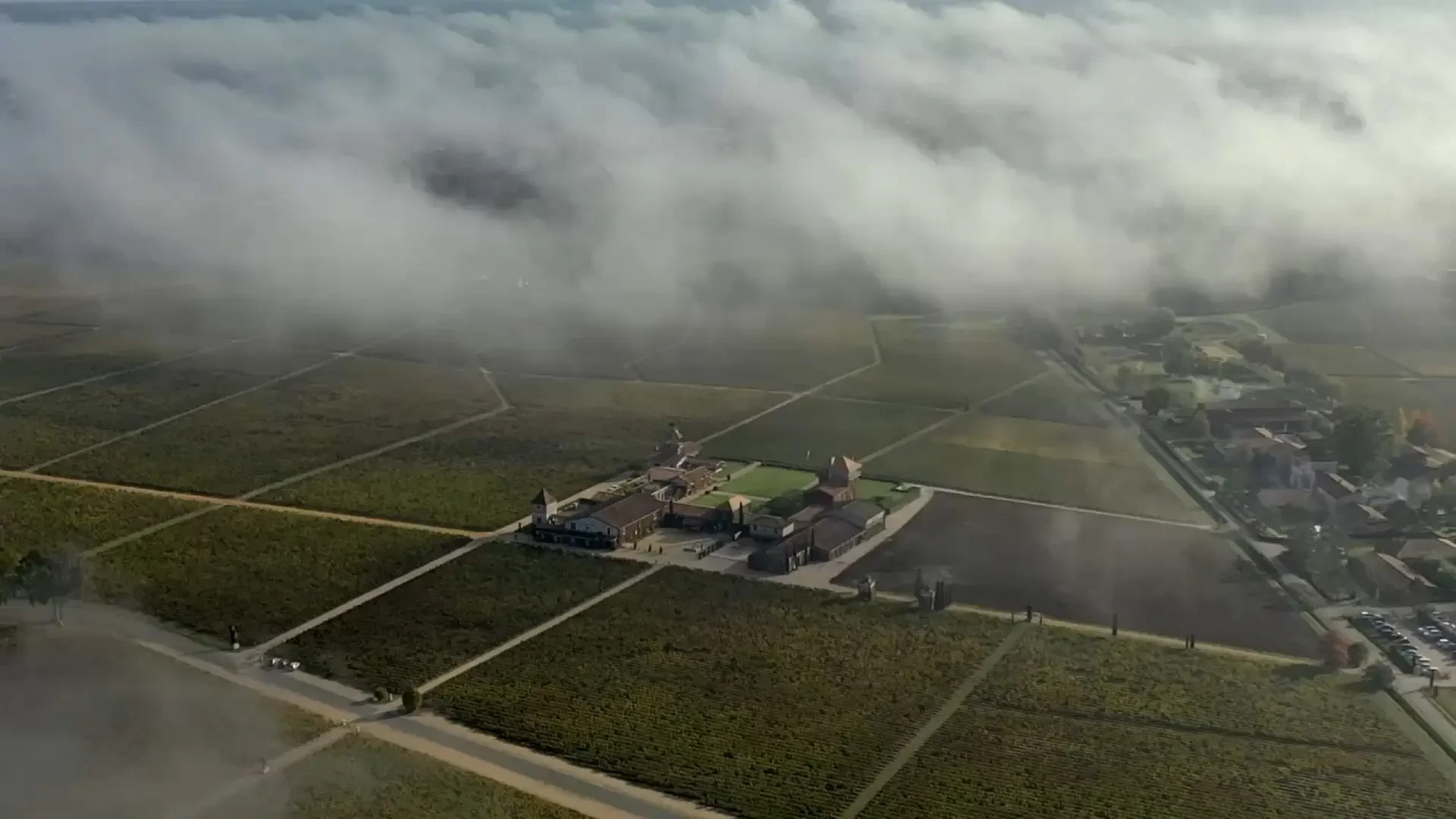
| Château Smith Haut Lafitte | Martillac | World's 50 Best |
| Domaine Dujac | Morey-Saint-Denis | · |
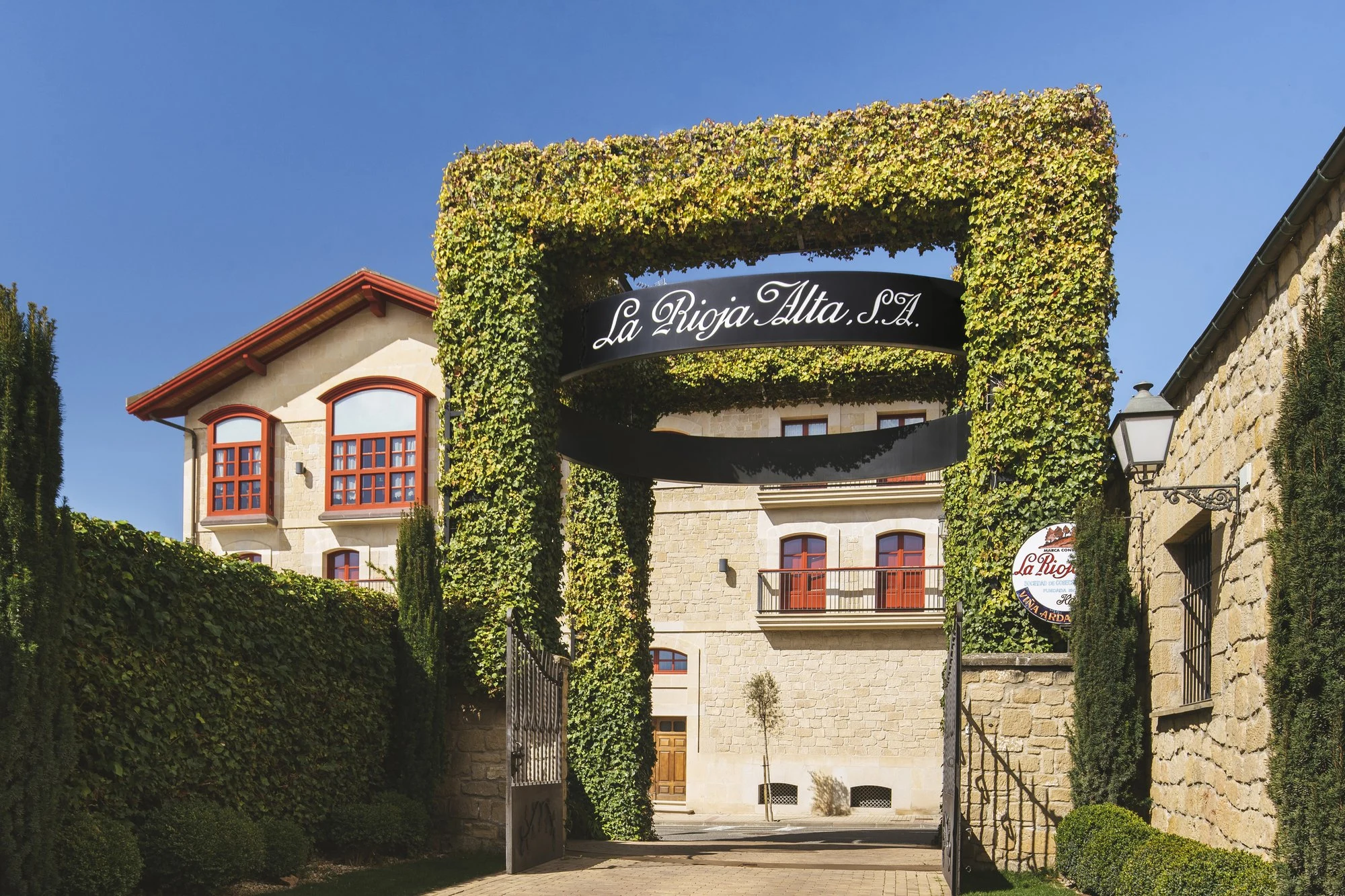
| La Rioja Alta | Haro | · |
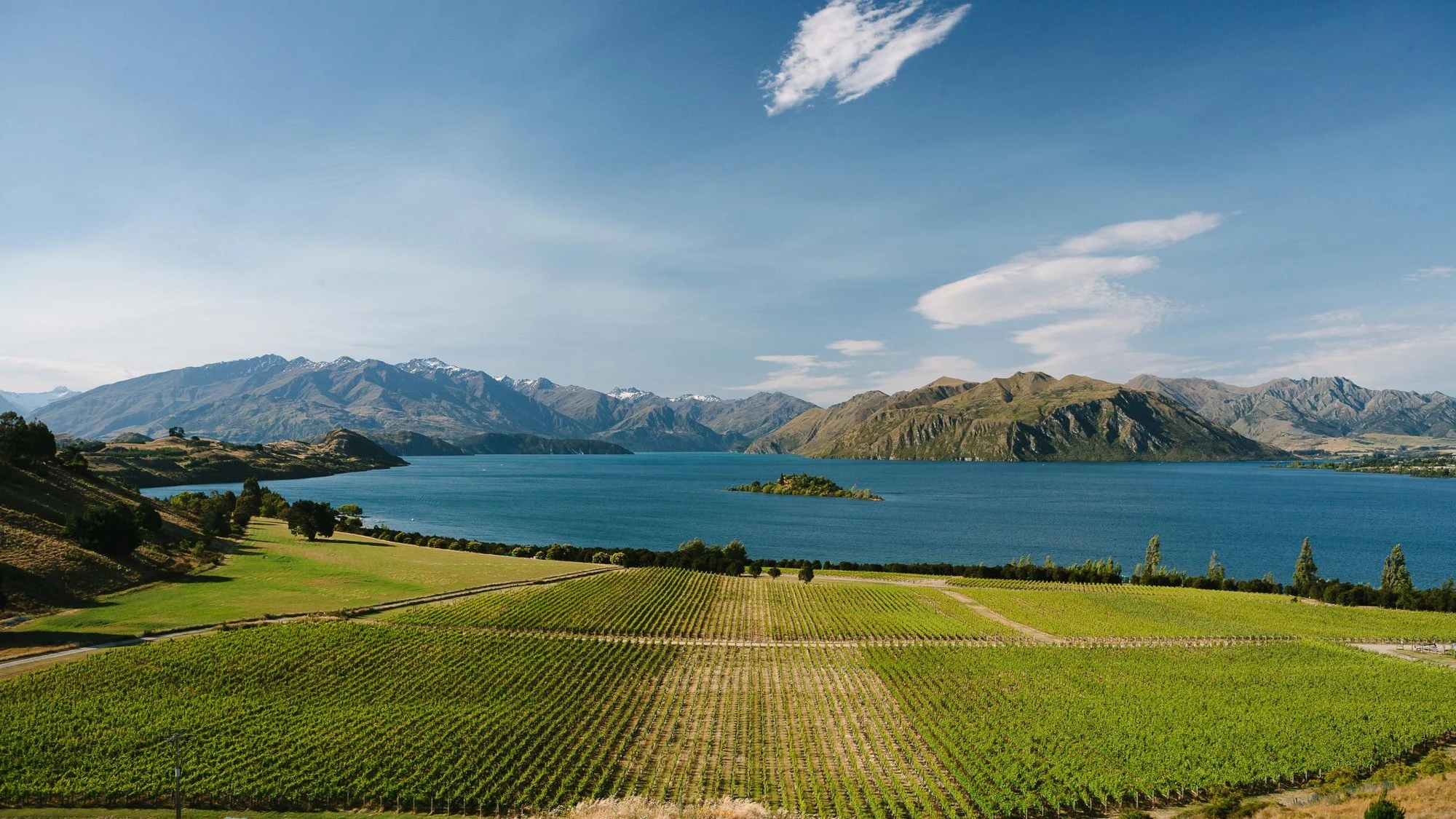
| Rippon Vineyard | Wānaka | World's 50 Best |
| Sother – Domaine du Manoir | Valeyres Sous Rances | · |