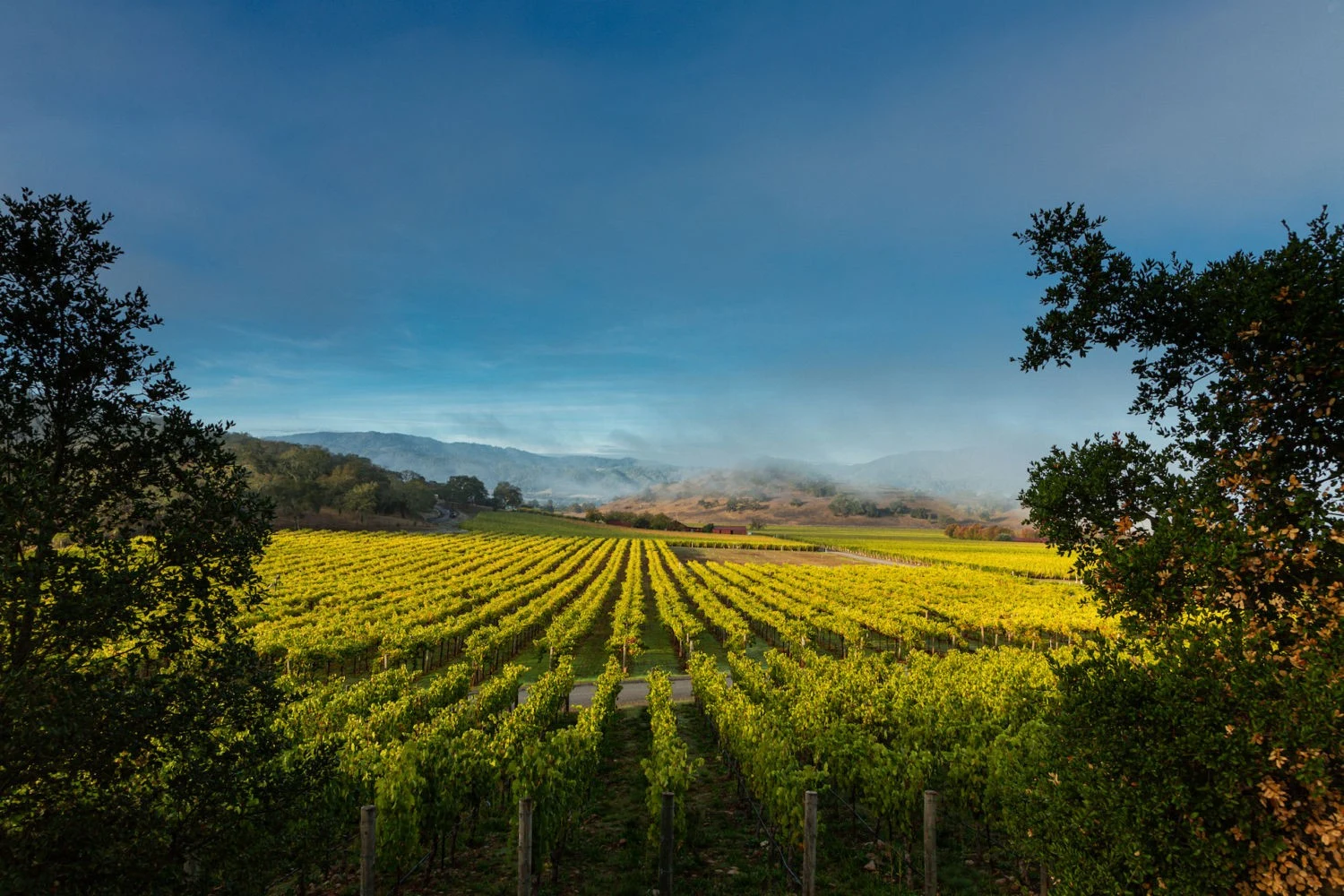
Château du Petit Thouars
In Residence
Sébastien du Petit Thouars
Winemaker
- 01CitySaint Germain Sur Vienne, France
Free-run Cabernet Franc from Chinon
- Falstaff Winery - Listed · 2026
Since 2013 at the estate cellar
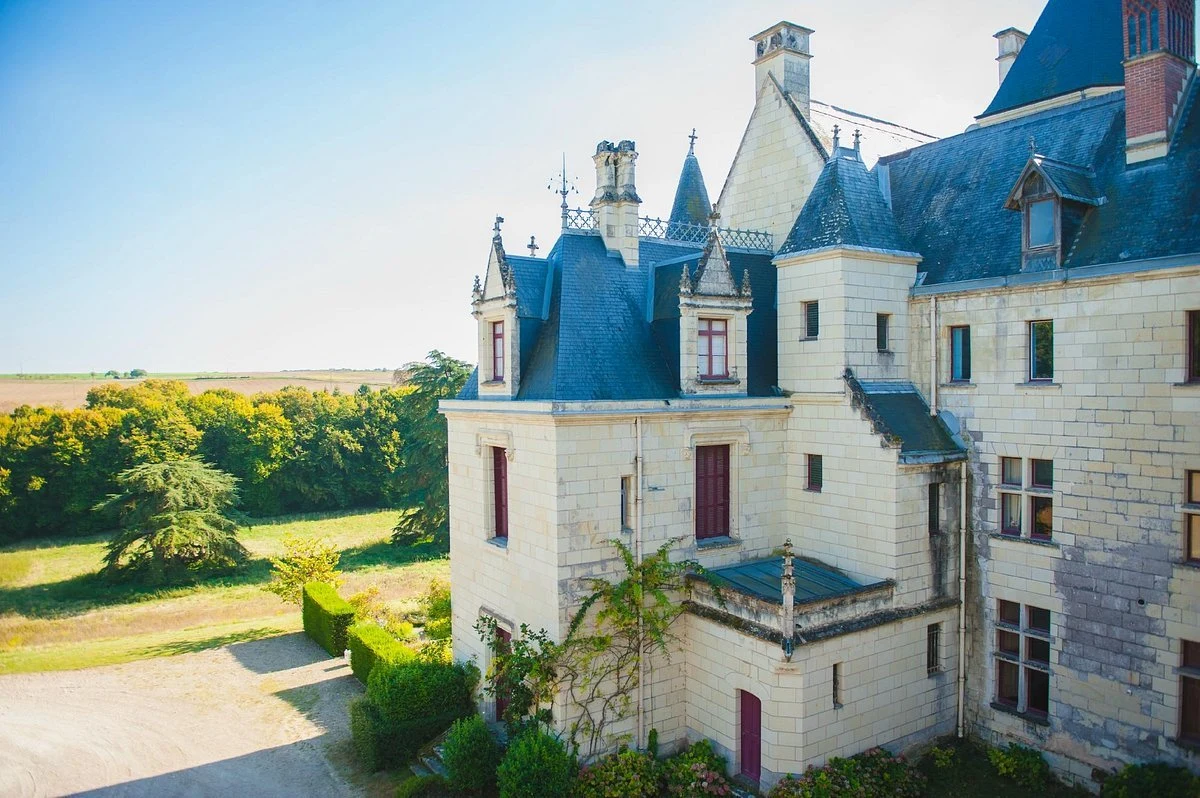
Cabernet Franc comes in from clay-limestone ground before Sébastien du Petit Thouars, winemaker at Château du Petit Thouars in Saint Germain Sur Vienne, decides how much of the fruit should speak in free-run juice and how much through the press. He has held the paired work of winemaker and head of the winery since 2013, with the estate as both family inheritance and daily station. The property has belonged to the du Petit Thouars line since 1636, and the current chapter is the 12th generation’s turn with the vines, the cellar, and the public face of a château that has had to return to wine rather than simply preserve its walls.
The vineyard revival began under Sébastien’s father in the late 1970s, after a long dormancy in wine production on the property. That matters in the glass because the estate is not treated as a museum piece. Sébastien’s work sits inside Chinon AOC, and in 2024 he became Vice President of the appellation, carrying the same questions of identity, standards, and continuity beyond the estate boundary.
Cabernet Franc on clay-limestone
The holding is broad, 150 hectares around the château, with fifteen hectares of vines planted mainly to Cabernet Franc and a smaller parcel of Chenin Blanc. The vineyards sit in the southwest of Chinon, on the south bank of the Vienne River, where clay-limestone gives the reds structure and gives Chenin Blanc a firm mineral frame. The estate works organically, with non-organic treatments held back except when a crop is at risk.
The red program turns on separations that matter at the bench. L’Epée Chinon Rouge uses two-thirds free-run juice and one-third press juice from the oldest Cabernet Franc vines on the property. Les Georges, named as Sébastien’s signature wine, comes from the free-run juice of younger Cabernet Franc. The sparkling rosé, Les Foux Vin Mousseux Rose, is méthode traditionnelle from 100% Cabernet Franc grown on 30-year-old vines around the 16th-century château, with nine months on the lees and a 2.6 g/L dosage.
The cellar beside the château grounds
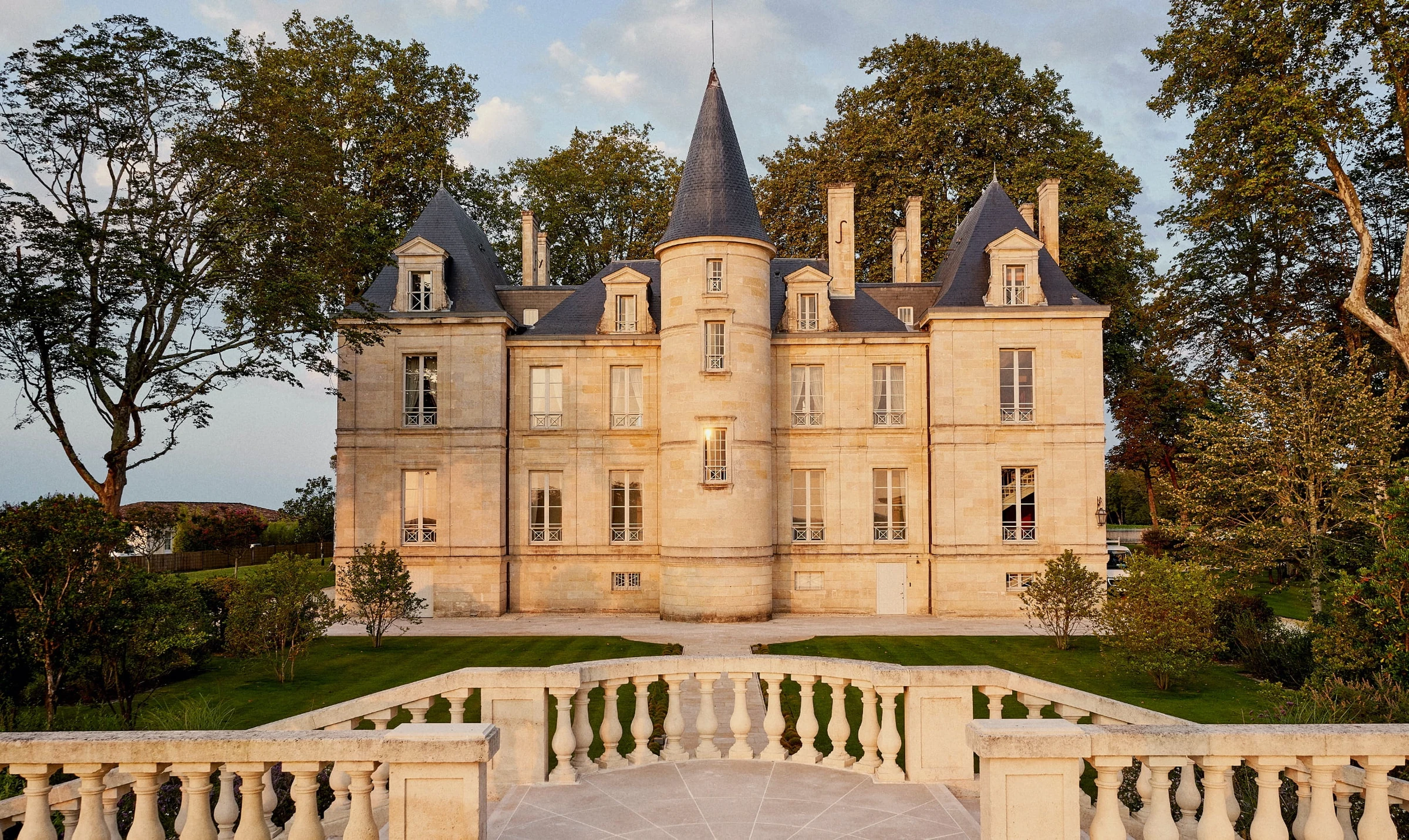
The place moves between cellar, tasting room, gardens, and vineyard grounds without losing the feel of a working family estate. Guests may arrive for a guided tasting, a cellar visit, a walk among the rows, or a picnic, but the center of gravity remains the same: Cabernet Franc and Chenin Blanc grown behind an old house on the edge of Chinon. The room is conversational rather than hushed. The château gives scale; the wine keeps it close to the hands.
From the western holdings, the limit of Saumur-Champigny is part of the landscape, not an abstraction. That border helps explain the estate’s shape: Chinon in name, clay-limestone in feel, with Cabernet Franc carrying the main argument. If the next vintage shifts with weather, the fixed point is still Les Georges in Sébastien du Petit Thouars’s cellar.
Questions
Frequently asked
Who makes the wine at Château du Petit Thouars?
Sébastien du Petit Thouars is the winemaker and head of the winery at Château du Petit Thouars. He has held both roles since 2013.
What is the estate known for?
The estate is centred on Chinon made mainly from Cabernet Franc, with a smaller parcel of Chenin Blanc. Les Georges is described as Sébastien du Petit Thouars’s signature wine.
What is the history of the property?
The property has belonged to the du Petit Thouars family since 1636. Wine production returned in the late 1970s under Sébastien’s father after a long dormancy.
How is the estate farmed?
The vineyards are worked organically, with non-organic treatments held back except when a crop is at risk. The estate has around 150 hectares in total, with fifteen hectares planted to vines.
Can visitors book a tasting or tour?
Guests can visit for a guided tasting, a cellar visit, a walk among the rows, or a picnic. Reservation is recommended.
The field
How it compares
| Place | Notes | Awards |
|---|---|---|
| Château du Petit Thouars | Saint-Germain-sur-Vienne, $$ | · |
| Château Pichon-Longueville-Comtesse-de-Lalande | Pauillac | · |
| Hundred Acre | Napa | · |
| Marqués de Murrieta | Logroño | World's 50 Best |
| Masseto | Castagneto Carducci | · |
| Quinta do Crasto | Sabrosa | World's 50 Best |
| Screaming Eagle | Napa | · |