- Falstaff Winery - Listed · 2026
- Falstaff Winery - 2 Stars · 2026
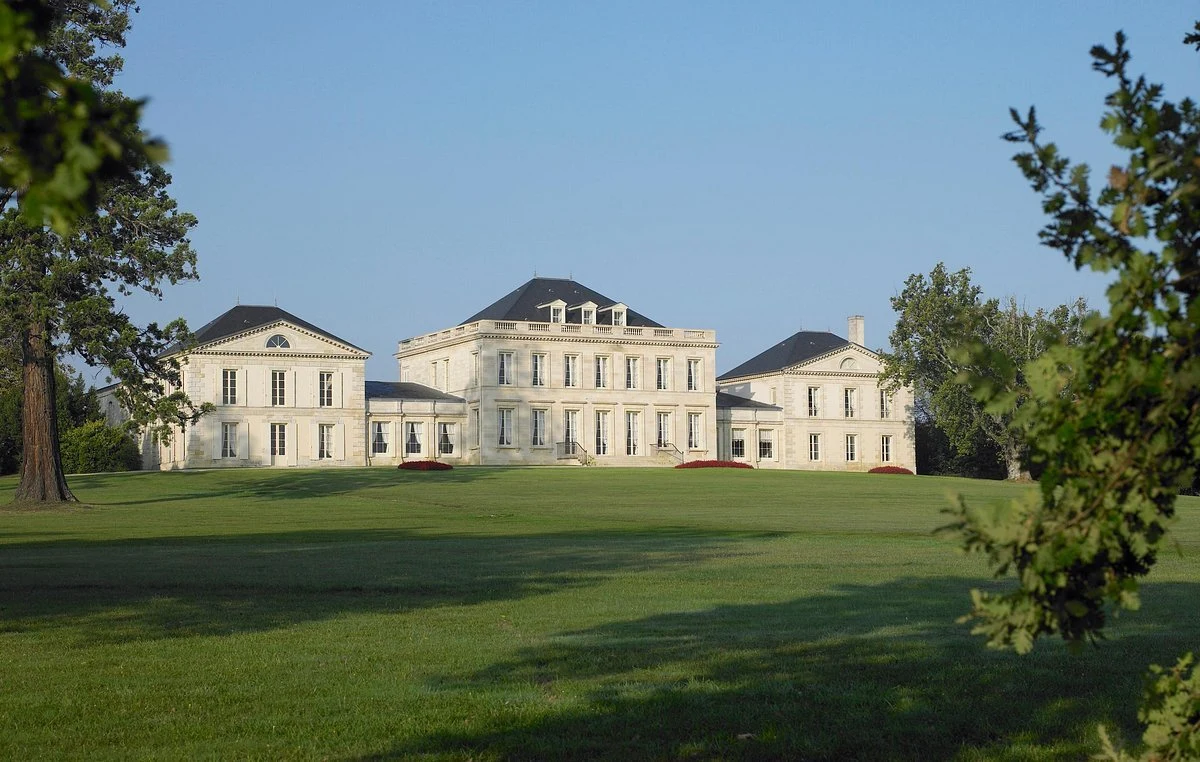
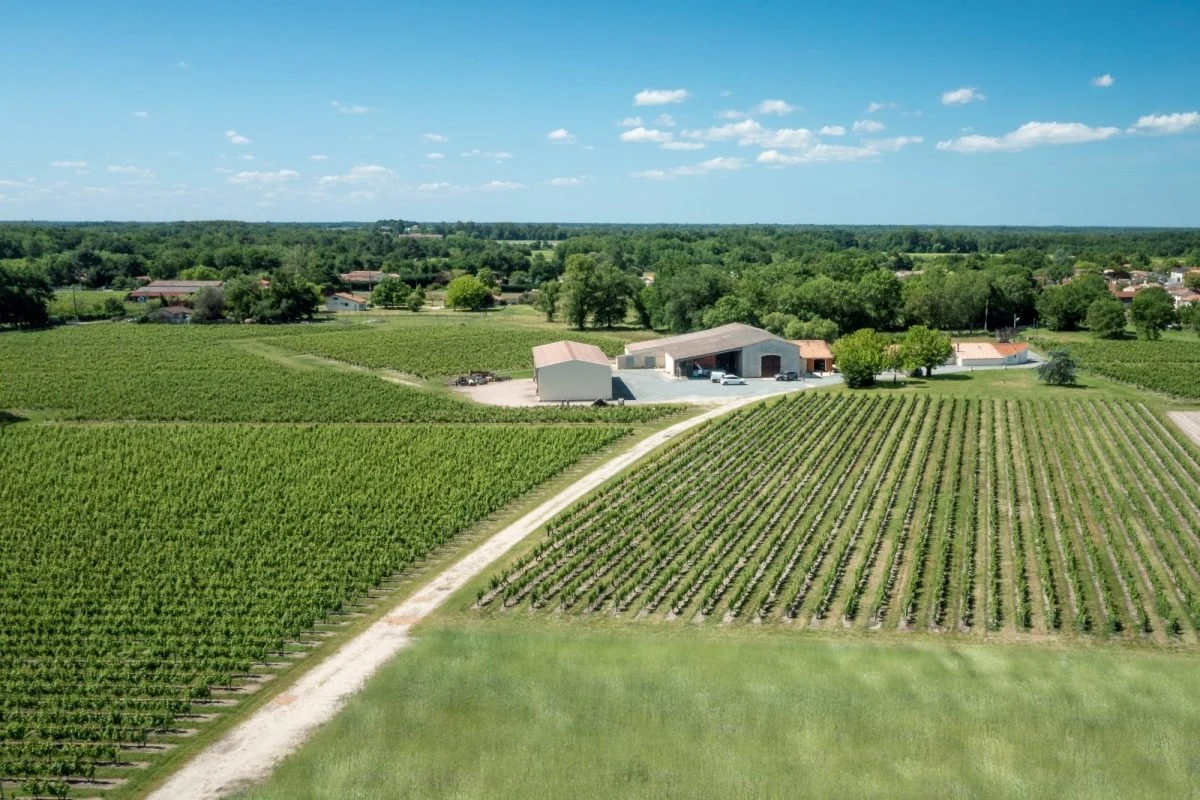
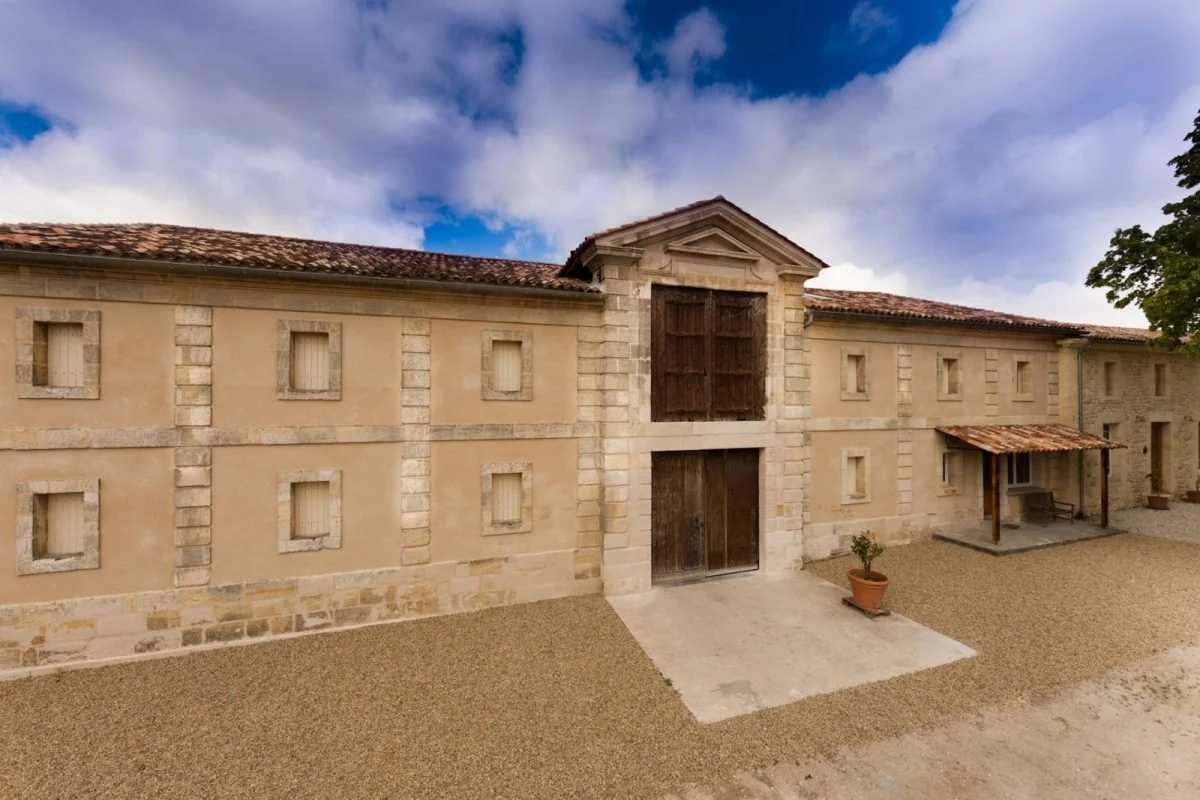
Château Lassus in Begadan is best understood as a rural Médoc estate rather than a polished showpiece. The picture is deliberately simple: working vineyards, cattle meadows, and a classic, down-to-earth winery feel focused on terroir and traditional red Bordeaux. Nothing in that description needs to be overstated. Its character comes from the plainness of the setting and from the sense that wine here belongs to a wider agricultural landscape, not to a self-conscious visitor stage.
That makes it a useful stop for travelers who want a quieter sense of the Médoc. The appeal is not design theatrics or a heavily staged experience, but a scenic, rustic setting where the landscape remains central. In that sense, Château Lassus is best approached with the expectations one would bring to a countryside estate: look for atmosphere, texture, and context, rather than for the formal drama often associated with more monumental Bordeaux addresses.
Médoc red wine without the grand-château theatre
Château Lassus presents a classic Médoc profile in Begadan, with the emphasis placed on terroir and traditional red Bordeaux. That positioning is important because it keeps the focus on the fundamentals: vines, soil, weathered rural surroundings, and the direct identity of red wine from this part of the Médoc. The estate reads less as a grand performance of Bordeaux prestige and more as a local expression of the region’s quieter, working side.
For that reason, the most reliable way to frame the estate is atmospheric rather than technical. Expect a rural, intimate, hidden-gem feel: a working range of vines and cattle meadows, with a direct connection to the surrounding Médoc countryside. The setting suggests a slower rhythm, where the visitor’s attention naturally turns to the land around the wine rather than to any elaborate display. It is a place to understand by looking outward as much as inward: at the rows of vines, the open rural character, and the way the estate sits within Begadan rather than above it.
Its value for visitors comes from that grounded context. Château Lassus is not best described through accolades or detailed winemaking claims; it is best described as a classic, rustic Begadan estate with a traditional red-Bordeaux identity. That restraint is part of the point. Without leaning on credentials or inflated language, the estate still has a clear role: it offers a direct encounter with the Médoc as countryside, where wine remains connected to its agricultural base.
Why the land around the vines matters here
The strongest detail is the estate’s mixed rural setting. Vineyards and cattle meadows shape the impression, giving Château Lassus a broader agricultural feel than a purely showroom-style wine stop. This matters because it changes the mood of a visit. The vines are not isolated as a decorative backdrop; they appear as part of a working environment, surrounded by other rural elements that reinforce the sense of place.
That matters because the estate’s stated character is rooted in terroir. The experience is scenic and low-key, with the emphasis on place rather than spectacle. Terroir can easily become an abstract word, but here it is best understood through the visible landscape: the open countryside, the agricultural setting, and the traditional Médoc frame that gives the estate its identity. The point is not to extract a technical lesson from every detail, but to notice how the land supplies the tone.
Use Château Lassus as a calibration point for a quieter side of Begadan. It is suited to travelers looking for a classic, rustic Médoc atmosphere and a traditional red-Bordeaux frame, without relying on unconfirmed claims about format or credentials. In practical terms, that means valuing the estate for what is clearly present: rural texture, vineyard scenery, cattle meadows, and a sense of wine rooted in its surroundings. It is especially useful for visitors who want to balance any more polished stops with something more restrained and grounded.
How to place it in a Begadan wine day
Begadan rewards travelers who think in terms of the surrounding countryside rather than a single polished stop. Château Lassus can anchor a simple rural wine day focused on vineyards, cattle meadows, and the traditional Médoc feel of the area. It works well when treated not as a box to tick, but as part of a broader attempt to understand the local landscape. The estate’s appeal builds through the accumulation of small impressions: the rural scale, the working feel, and the absence of grand-château theatre.
If you are comparing options, keep the comparison local and general: other dining or wine-related stops in Begadan may offer a different rhythm, but Château Lassus stands out here for its classic, rustic, scenic character and its focus on terroir and traditional red Bordeaux. Its place in a Begadan itinerary is therefore clear. It is the kind of stop that adds countryside depth to the day, giving the Médoc a quieter and more grounded shape without needing to promise more than the setting itself can honestly provide.
Questions
Frequently asked
Who works at Château Lassus?
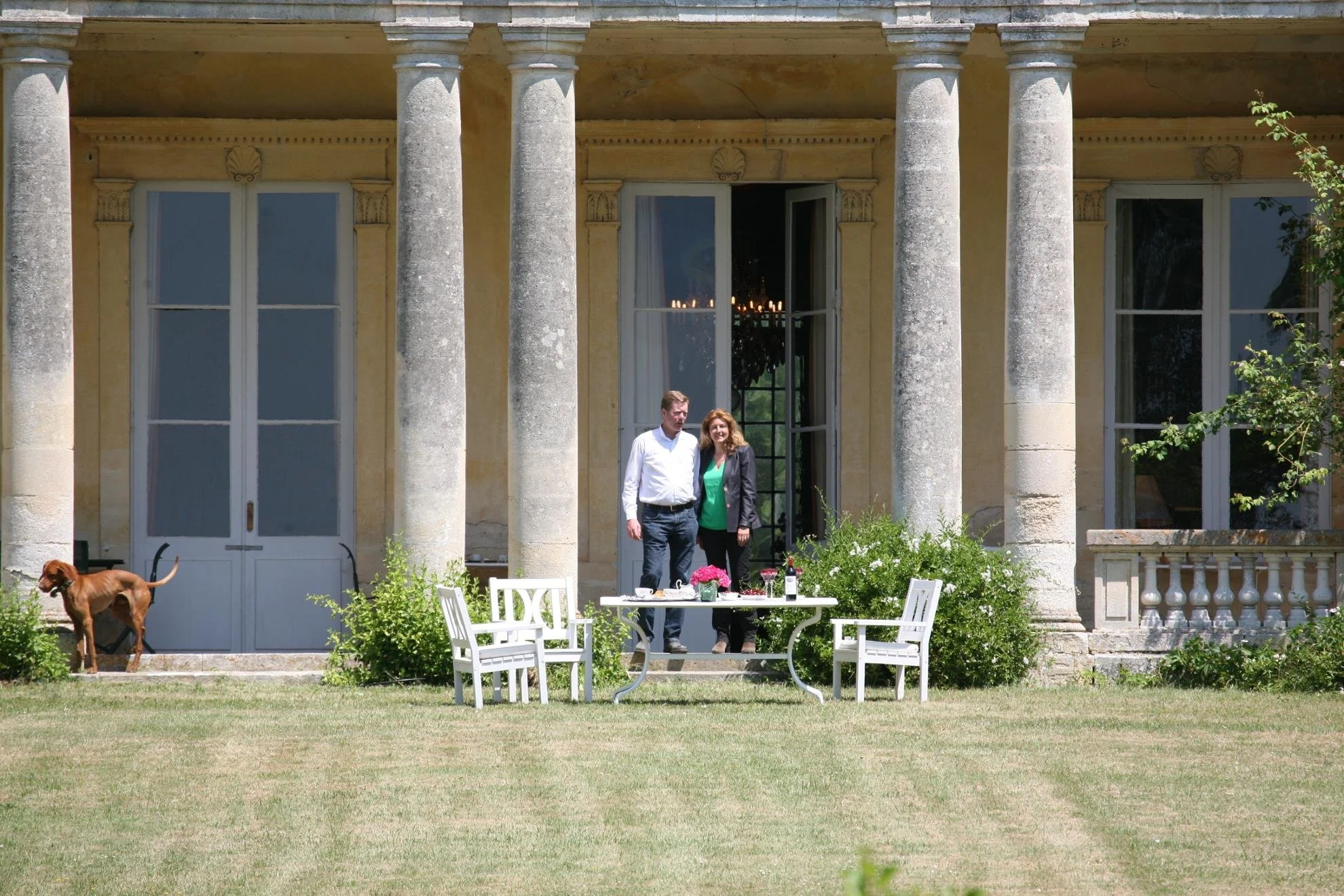
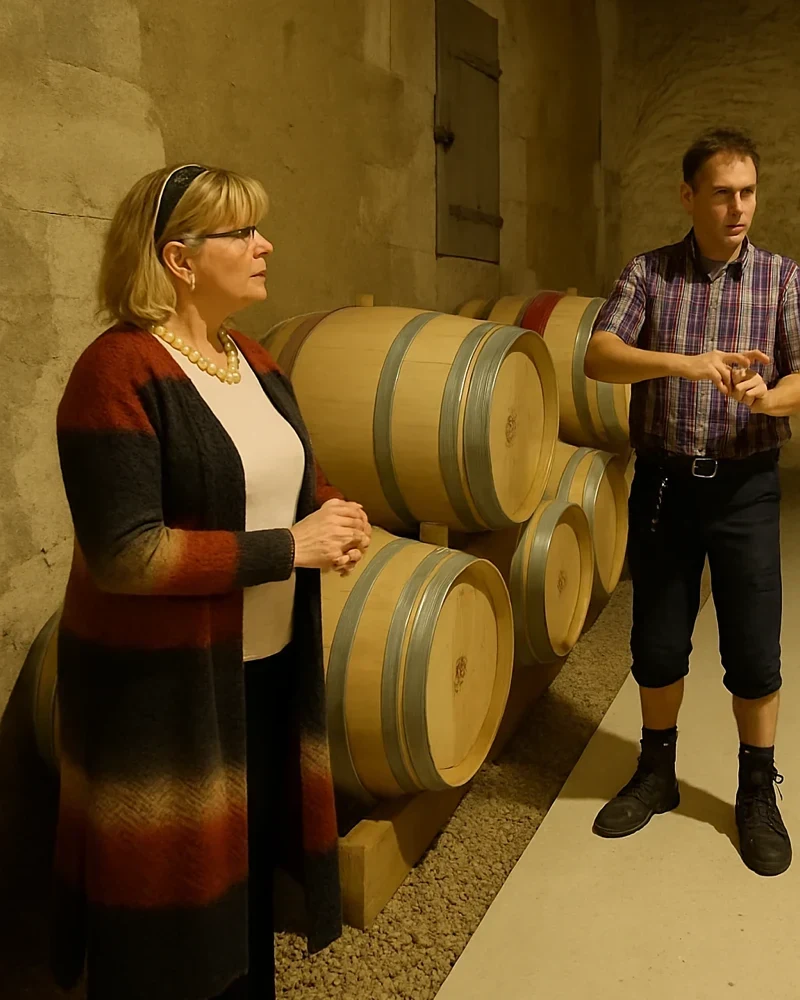
Made By profiles Heike Paeffgen (Winemaker) at Château Lassus.
How expensive is Château Lassus?
Château Lassus is listed at a price level of $$.
The field
How it compares
| Place | Notes |
|---|---|
| Château Lassus | Begadan, $$ |
| Château Clos du Moulin | Begadan |
| Château La Branne | Begadan |
| Château la Roque de By | Begadan |
| Chateau Laujac | Begadan |
| Château Patache d'Aux | Begadan |
| Château Plagnac | Begadan |