Château Monbousquet is a winery in Saint-Sulpice-de-Faleyrens. Explore its production and use its official website for current tasting and visitor details.
- Falstaff Winery - 3 Stars · 2026
Gravel first, ownership in decades
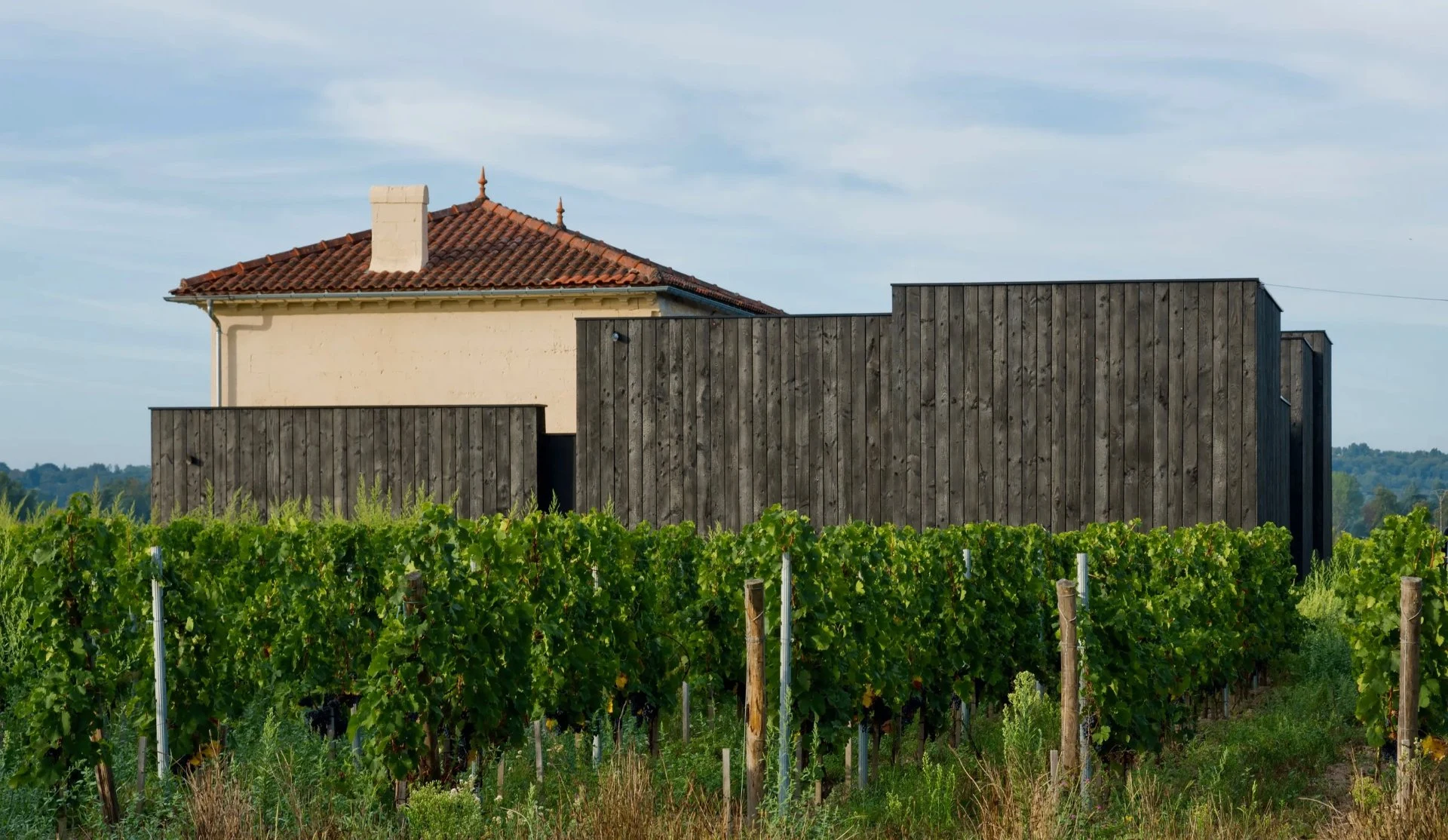
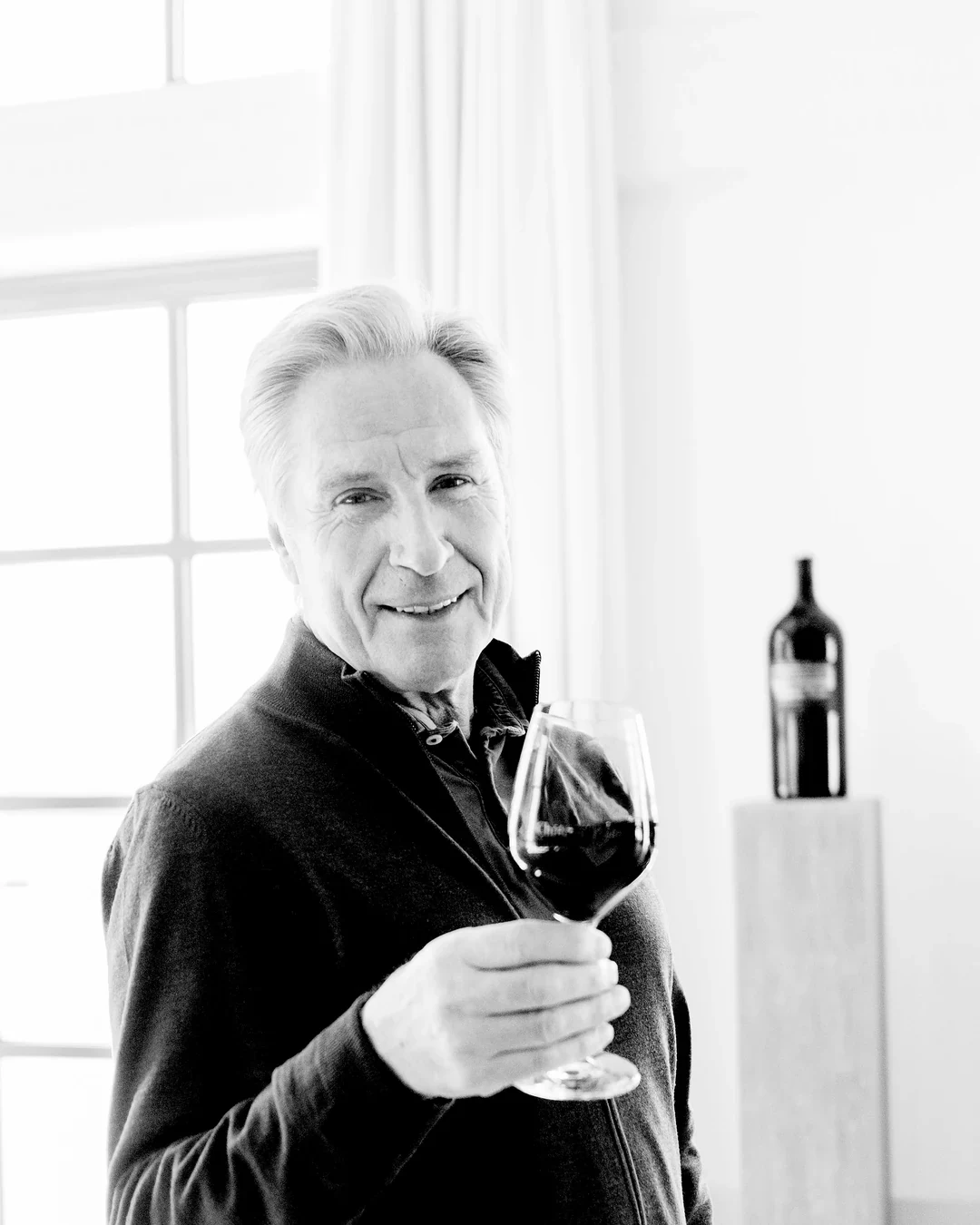
The drainage trenches run 2.4 meters below the vineyard at Château Monbousquet in Saint-Sulpice-de-Faleyrens, where Gerard Perse holds the work as owner. He acquired the estate in 1993, before Château Pavie, and made Monbousquet the first clear statement of his Bordeaux method: buy a place with history, restore the practical fabric, and give the cellar and vineyard enough structure to answer over time. The property itself reaches back to 1540, with a residence built near the Saint-Émilion hill in the late seventeenth century, but its modern identity sits in that Perse period of investment in buildings, cellar facilities, and vineyard equipment. Ownership here is not bench work in the cellar, and the estate does not present Perse as winemaker. His station is the longer one: capital, patience, and control of place. Under Vignobles Perse, Monbousquet became part of a Saint-Émilion portfolio shaped by restoration rather than acquisition alone. The estate’s Grand Cru Classé status came in 2006, after the work had already changed the condition of the property.
Cabernet ripened on Right Bank gravel
Monbousquet’s vineyard covers 33 hectares, with 32 hectares planted for red wine and 1 hectare for white. That proportion matters because the estate sits on an unusual band of warm, deep gravel to the south and sandy-clay soils to the north, with iron-pan cited at depths of 60 to 80 cm. The red planting and blend lean on 60% Merlot, 30% Cabernet Franc and 10% Cabernet Sauvignon, a structure made possible by soils that can carry later-ripening Cabernet varieties in Saint-Émilion. The vines average 42 years of age, and harvest is manual, giving the cellar fruit selected by hand before fermentation in temperature-controlled stainless steel tanks. The barrel program is explicit: 70% new French oak and 30% barrels used for one previous wine. The Grand Vin ages for an average of 20 months, enough time for oak, tannin, and fruit to settle into the estate’s powerful register. The white wine comes from the single white hectare, planted to Sauvignon Blanc, Sauvignon Gris, Sémillon, and Muscadelle. Annual production is given at around 8,300 cases of Grand Vin red and 450 cases of dry white.
The cellar below the quiet château
The place reads first through vineyard ground rather than spectacle. Monbousquet sits about 500 meters from the Saint-Émilion hill, close enough to carry the appellation’s old gravity, but with its own warmer gravel and sandy-clay complexion underfoot. In the cellar, stainless steel and oak make the sequence plain: sorted fruit, controlled fermentation, long élevage, then the patience required of wines built to age. The tasting room belongs to that same register, quiet and focused on the estate wines rather than theatre. Outside, the château and its surrounding vines hold the longer line, from the sixteenth-century origin to the restored working estate Perse chose as his first Bordeaux property. The concrete noun to end on is not a slogan, but the 1 hectare of white vines at Château Monbousquet.
Questions
Frequently asked
Who owns Château Monbousquet?
Gerard Perse owns Château Monbousquet and acquired the estate in 1993. Under Vignobles Perse, it became part of a Saint-Émilion portfolio shaped by restoration and long-term investment.
What kind of vineyard site is it?
The estate sits in Saint-Sulpice-de-Faleyrens on a band of warm, deep gravel to the south and sandy-clay soils to the north, with iron-pan at depths of 60 to 80 cm. The vineyard covers 33 hectares and includes 32 hectares of red vines and 1 hectare of white.
What wines are made there?
Monbousquet makes a Grand Vin red and a dry white. The red blend is led by Merlot, with Cabernet Franc and Cabernet Sauvignon, while the white comes from Sauvignon Blanc, Sauvignon Gris, Sémillon, and Muscadelle.
Is a reservation recommended?
Yes, reservations are recommended. The estate also has an on-site parking lot.
The field
How it compares
| Place | Notes |
|---|---|
| Château Monbousquet | Saint-Sulpice-de-Faleyrens, $$$ |
| Château Grand Destieu | Saint-Sulpice-de-Faleyrens |
| Château L'Hermitage Lescours | Saint-Sulpice-de-Faleyrens |
| Château Lynsolence | Saint-Sulpice-de-Faleyrens |
| Château Messile-Aubert | Saint-Sulpice-de-Faleyrens |
| Château Moine Vieux | Saint-Sulpice-de-Faleyrens |
| Clos Saint-Vincent | Saint-Sulpice-de-Faleyrens |
In residence
Similar places
Château Grand Destieu
Saint-Sulpice-de-Faleyrens, France
Château L'Hermitage Lescours
Saint-Sulpice-de-Faleyrens, France
Château Lynsolence
Saint-Sulpice-de-Faleyrens, France
Château Messile-Aubert
Saint-Sulpice-de-Faleyrens, France
Château Moine Vieux
Saint-Sulpice-de-Faleyrens, France
Clos Saint-Vincent
Saint-Sulpice-de-Faleyrens, France