Château Pibran
- 01CityPauillac, France

- Falstaff Winery - 2 Stars · 2026
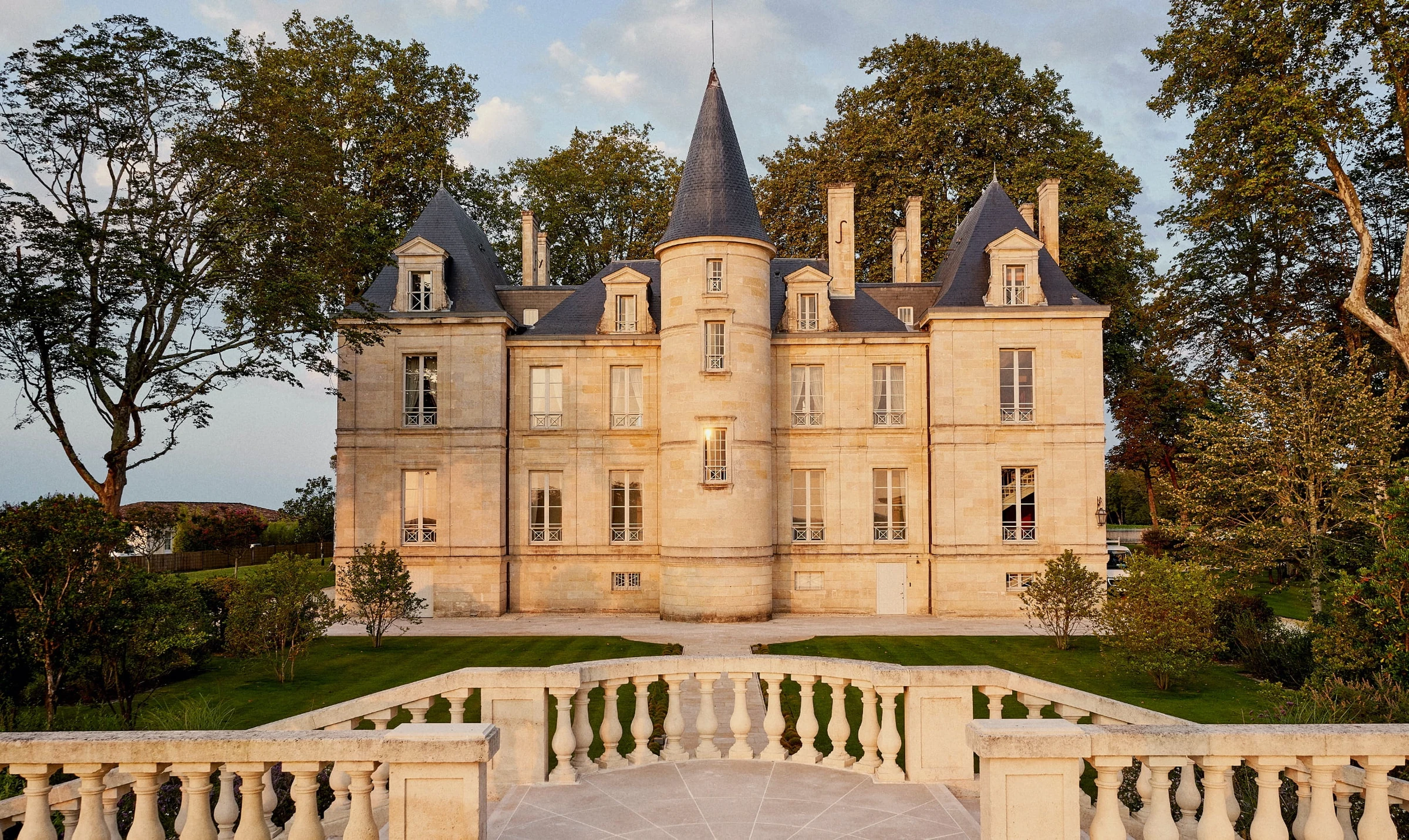
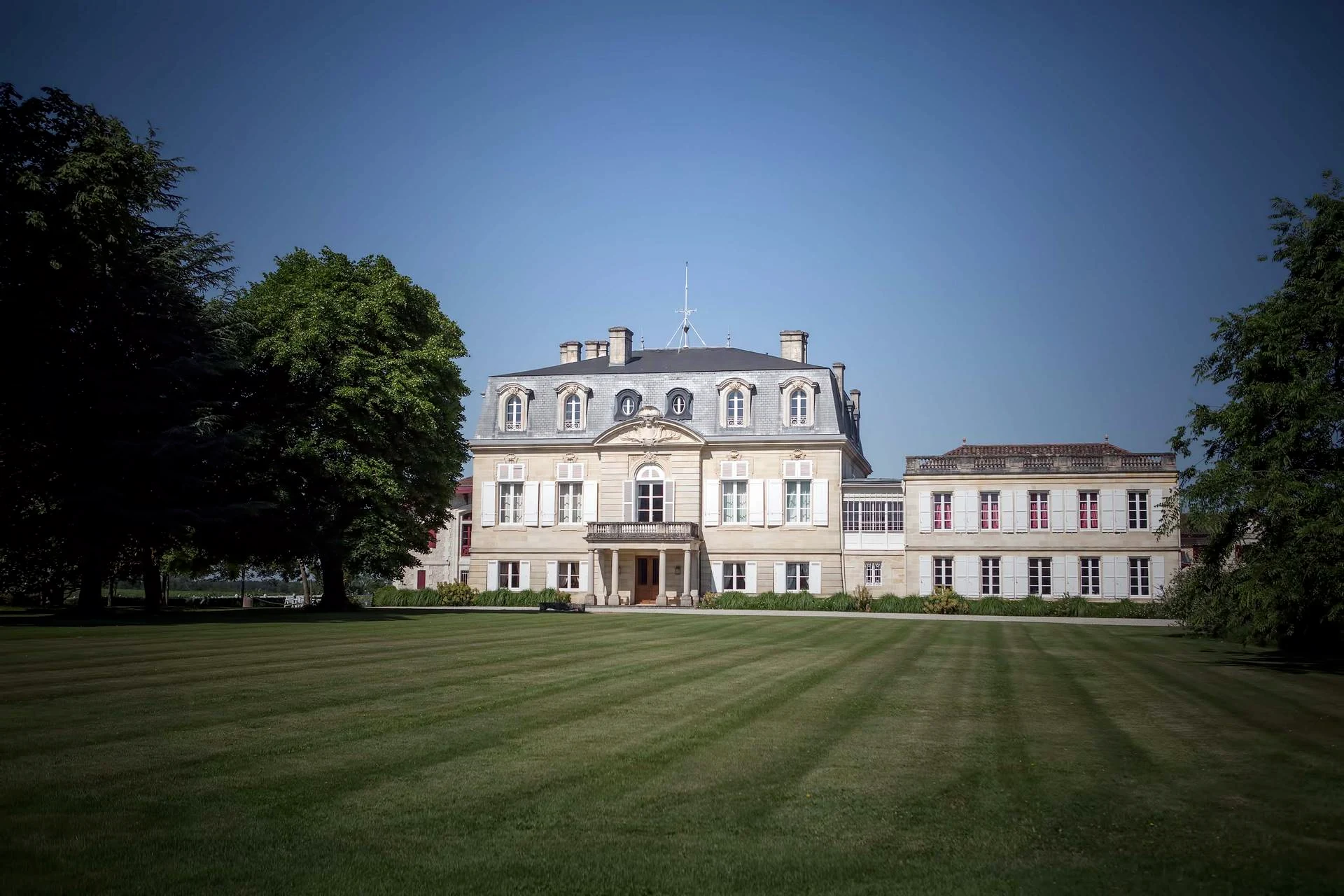
In Pauillac, the first lesson is usually underfoot. Gravel, drainage, exposure and the Gironde’s maritime influence shape the conversation before oak or vintage enters it. Château Pibran belongs to that Left Bank grammar, but it speaks with a softer accent than many Cabernet-led estates in the appellation: its vineyard is planted to 54% Merlot, 45% Cabernet Sauvignon and 1% Cabernet Franc, an unusually Merlot-weighted profile for Pauillac.
That detail matters because Pauillac’s reputation is built on structure. Cabernet Sauvignon often supplies the spine, the tannic architecture and the long-haul cellar logic. Pibran’s higher Merlot share shifts the emphasis toward texture without leaving the appellation’s gravel-born firmness behind. The estate’s 17 hectares sit on gravelly soils, with vines averaging 30 years of age and a planting density of 9,000 vines per hectare in the Médoc section. Those figures explain more about the wine than any romantic château language could: root competition, drainage and ripening discipline are the tools here.
A Merlot-weighted reading of Pauillac gravel
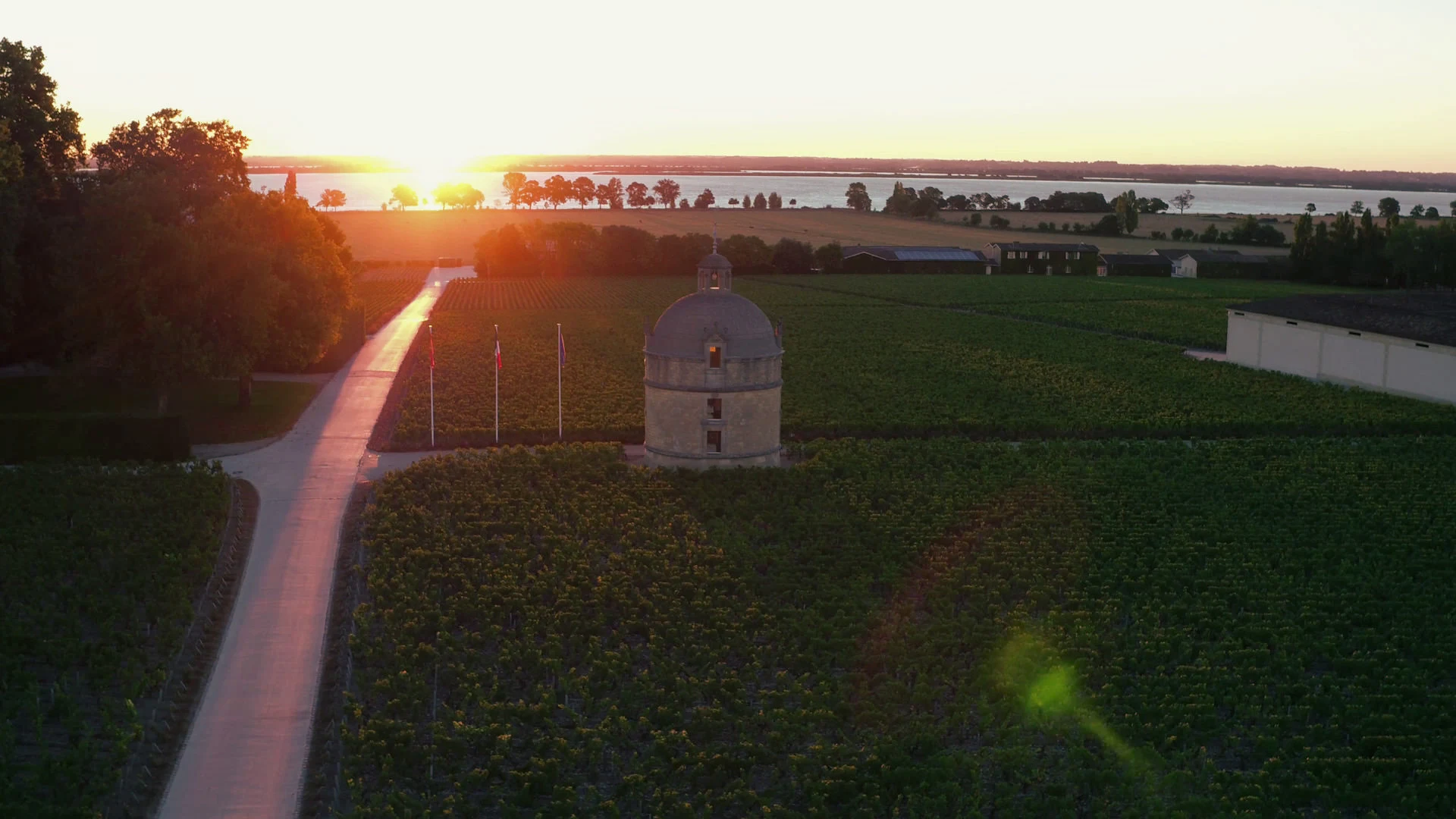
The estate’s position in Pauillac is not about spectacle. It is about how a relatively small property interprets a famous appellation through blend choice and cellar discipline. The vineyard rises to 20 metres at its highest point, enough to reinforce drainage in a region where water management can define a vintage. The Gironde’s moderating influence extends the growing season, while the gravel encourages deep rooting. In the glass, the intended result is not a break from Pauillac, but a less severe expression of it.
Production sits at around 6,500 cases per vintage, a scale that keeps Pibran in the serious estate category rather than the mass-market Bordeaux lane. The flagship wine is a still red Pauillac AOC, while La Tour Pibran functions as the second wine and takes its name from the neighbouring property acquired in 2001. That acquisition expanded the vineyard from 10 hectares to 17 hectares and gave the estate a broader foundation for its current identity.
The modern chapter began in 1987, when AXA acquired the property from the Billa family. Renovation followed quickly: from 1988, the château was refurbished, most vineyards were replanted, drainage was improved and new cellars were built. For Bordeaux, where inheritance and classification often dominate the narrative, this is a case study in late-20th-century reinvestment reshaping an estate’s trajectory. The property’s origins are earlier, with the Pibran name established in 1941, but the present-day wine is best understood through the post-1987 overhaul.
Cellar precision, Pichon Baron connection and recent-vintage momentum
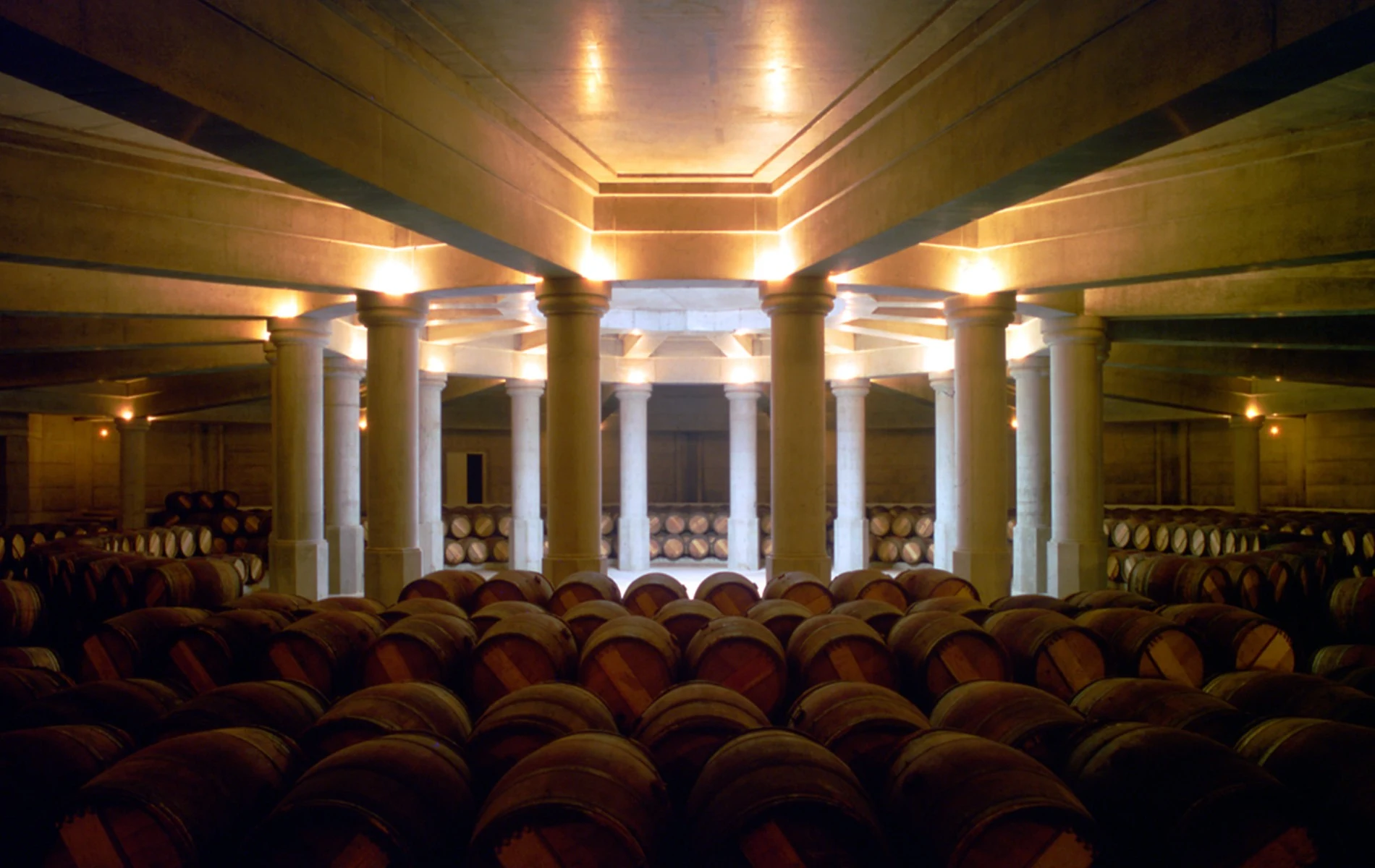
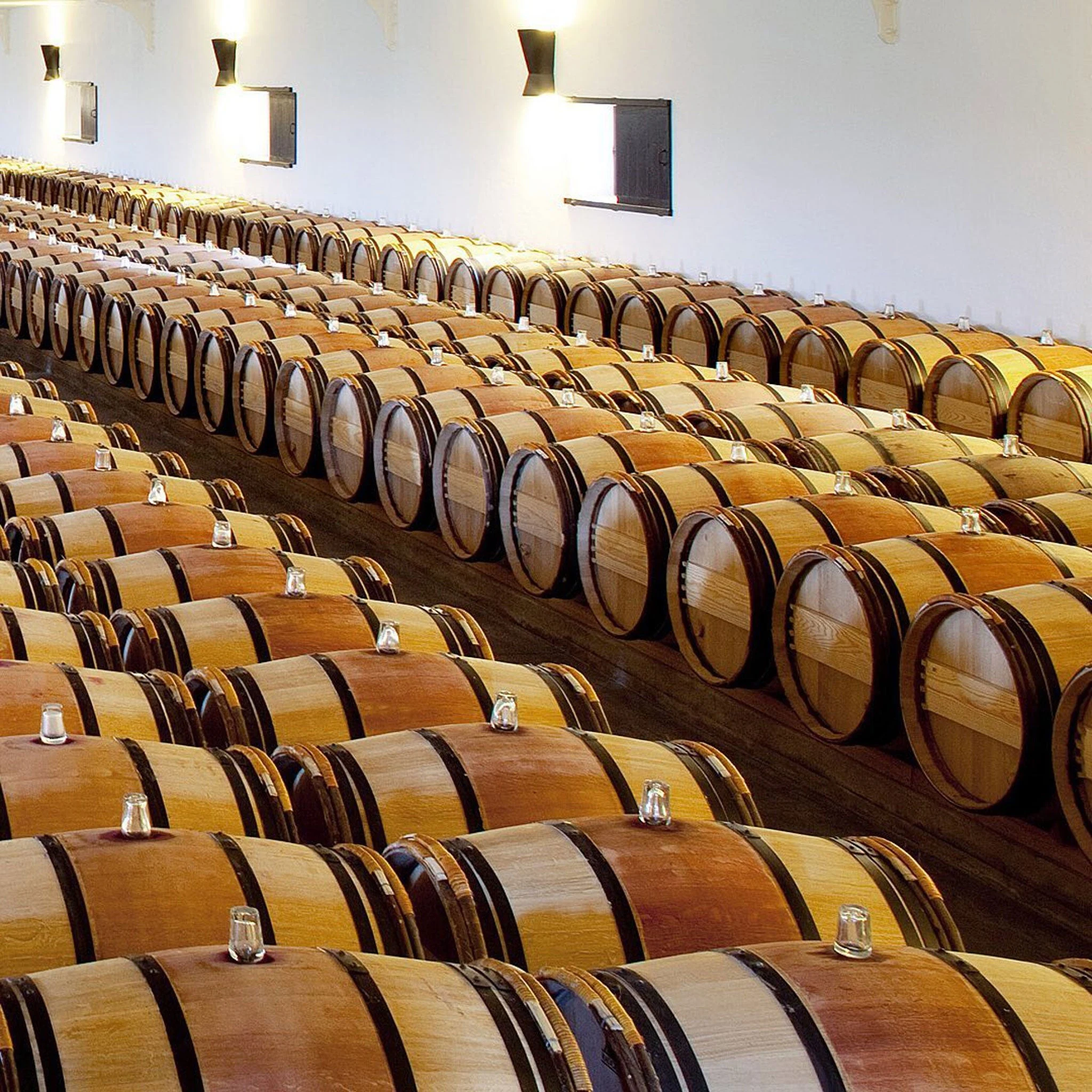
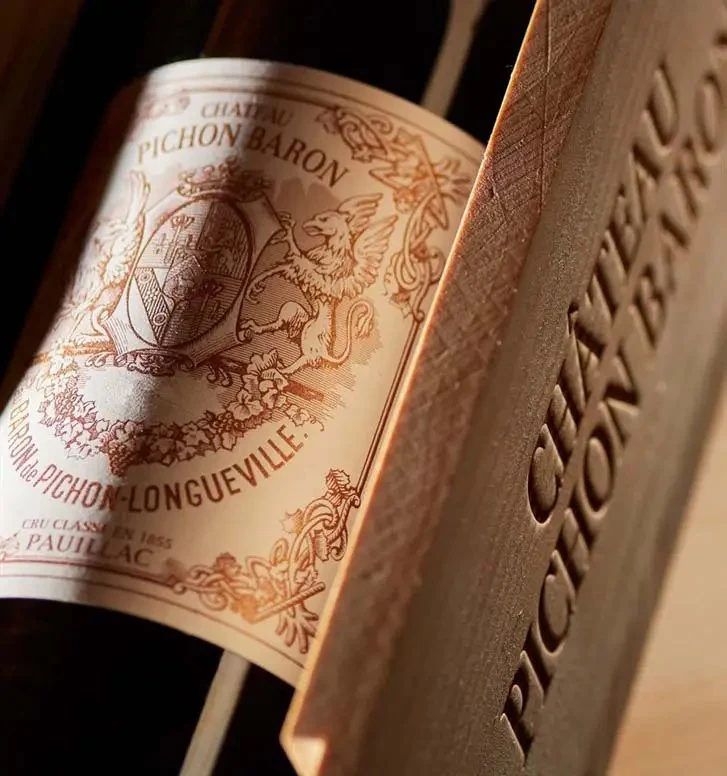
The winemaking process is tightly linked to Château Pichon Baron: Pibran is vinified in temperature-controlled stainless steel vats at Pichon Baron’s facilities, then transferred to Pibran’s cellars for ageing. Malolactic fermentation takes place in tank, and the wine is aged for 12 to 15 months in 50% new French oak, depending on vintage. Those choices place the estate in a polished, technically controlled Bordeaux mode rather than a rustic one.
Christian Seely, associated with AXA Millésime, is named in connection with the estate’s management, but the more important point is institutional rather than biographical. Pibran benefits from the technical framework of a larger fine-wine group while retaining the scale and blend profile of a more focused Pauillac property. For collectors and travellers who read Bordeaux through production decisions, that combination gives the estate its interest.
Recent vintages have carried much of the discussion. The 2016 vintage is widely treated as a turning point in quality, with the run from 2016 through 2023 giving the estate a clearer contemporary identity. The 2023 vintage was assessed at 89–91 points and used a different balance, 54% Cabernet Sauvignon and 46% Merlot, marking a more Cabernet-forward expression than the estate’s usual blend. The 2020 returned to the classic Pibran proportion of 54% Merlot and 45% Cabernet Sauvignon, with critical notes from Parker and James Suckling placing it in the firm, fresh, structured camp expected of serious Pauillac.
For context within the wider town, readers mapping Pauillac by estates can use Our full Pauillac wineries guide, then branch out to names such as Chateau Lafite Rothschild, Chateau Mouton Rothschild, Baron Philippe de Rothschild, Château Batailley and Chateau Haut-Bages Monpelou. These links are useful for orientation, not for flattening the region into a ranking: Pauillac is a study in variations on gravel, Cabernet, estate history and cellar intent.
For wine travellers, it suits the study-minded Pauillac day
This is not a public hospitality venue built around crowds, dining rooms or casual drop-ins. The format is private tasting by appointment, with a quiet château and cellar setting and a smart-casual tone. That makes it better suited to travellers who want to understand vineyard decisions, blend structure and the effect of post-1980s investment on Bordeaux estates than to those looking for a spontaneous tasting-room circuit.
The strongest reason to choose Château Pibran is its specificity. Pauillac often gets reduced to power and prestige, but this estate shows how the appellation can bend toward Merlot texture while keeping the frame of Left Bank gravel. The 50% new-oak ageing, 12-to-15-month barrel window, modest production and Pichon Baron technical link all point to a château where craft is more visible than ceremony.
For a fuller Pauillac itinerary, the surrounding editorial rails matter: Our full Pauillac restaurants guide, Our full Pauillac hotels guide, Our full Pauillac bars guide and Our full Pauillac experiences guide help separate wine study from meals, lodging and slower cultural time in town. Travellers continuing through other wine regions can also keep reference points such as A. Margaine in Villers-Marmery, Abbaye de Fontfroide in Narbonne, Abbotts & Delaunay in Marseillette, »der Steiner« Hans Steiner in Podersdorf am See and & Handwein in Mannheim in view, especially when comparing how different European regions translate site into cellar practice.
Questions
Frequently asked
How expensive is Château Pibran?
Château Pibran is listed at a price level of $$$.
The field
How it compares
| Place | Notes | Awards |
|---|---|---|
| Château Pibran | Pauillac, $$$ | · |
| Chateau Lafite Rothschild | Pauillac | · |
| Château Latour | Pauillac | · |
| Chateau Mouton Rothschild | Pauillac | World's 50 Best |
| Château Pichon Longueville Baron | Pauillac | World's 50 Best |
| Château Pichon-Longueville-Comtesse-de-Lalande | Pauillac | · |
| Château Pontet-Canet | Pauillac | · |