Fifty-two parcels before the blend.
- Falstaff Winery - Listed · 2026
Since 1996, cellar and house in one hand
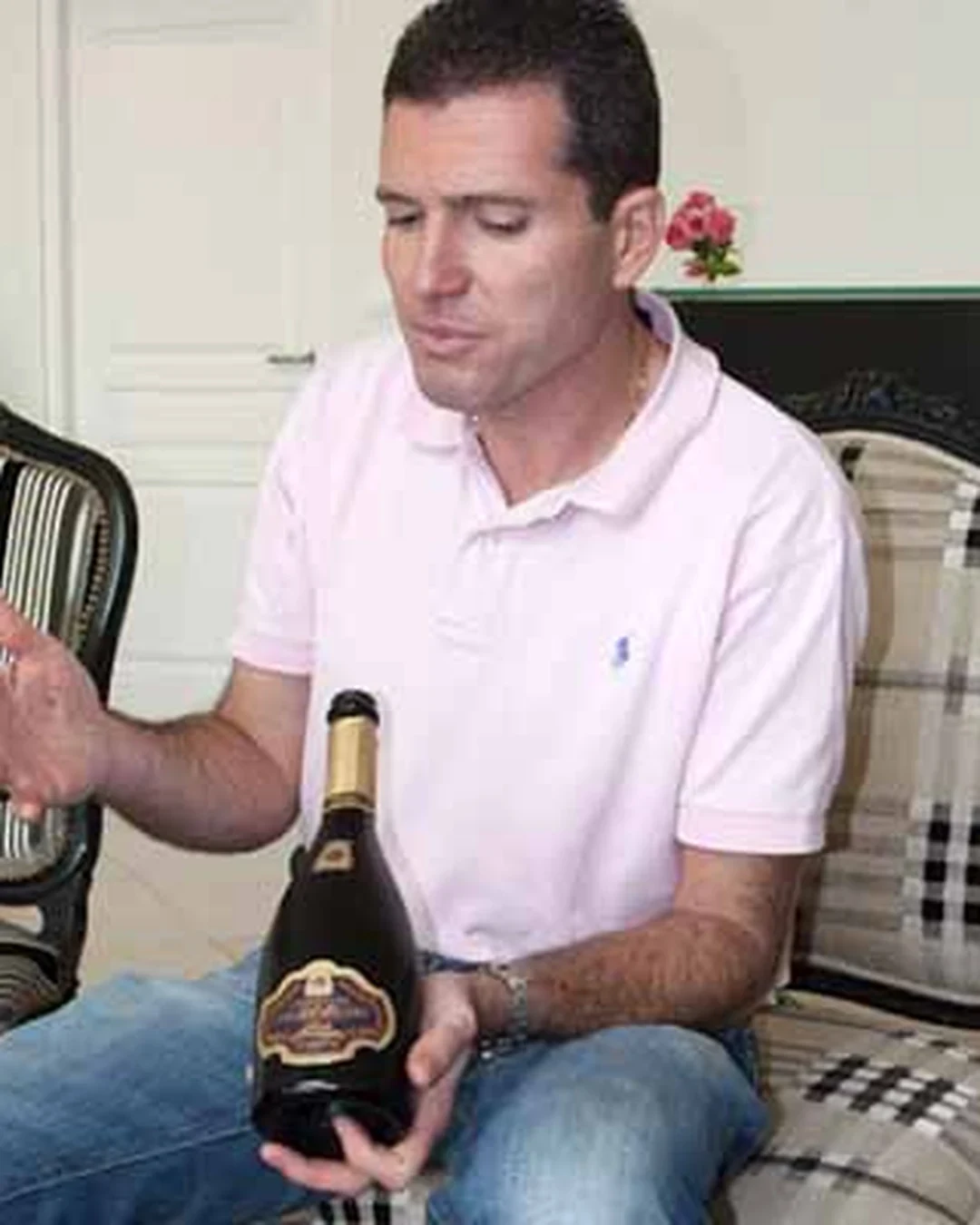
Since 1996, Olivier Collard has worked as winemaker and co-manager at Champagne Collard-Picard in Épernay, keeping cellar judgment and house stewardship close enough to answer to one another. The role is not ornamental. Collard oversees the making of Champagne while sharing the daily management of an estate built from family vine work rather than from a purchased name. The house itself began in 1996, drawing on vine-growing families whose roots reach back to 1889, and it has kept that dual inheritance in the glass: Marne Valley Pinot Meunier and Pinot Noir for breadth, Côte des Blancs Chardonnay for line and cut. Collard’s post gives the place its particular tension. He works as both maker and guardian, with the bench-side decisions of fermentation, blending, and release held inside the same frame as the long stewardship of vineyards, visitors, and house identity.
Fifty-two parcels before the blend
The craft here begins before the cellar, across 16 hectares divided into 52 parcels. Champagne Collard-Picard farms sustainably and holds HVE Level 3 certification, using organic amendments and compost, light surface tilling, and a soil program meant to preserve vine balance rather than force it. The estate works Chardonnay, Pinot Meunier, and Pinot Noir, with Chardonnay drawn from crus including Le Mesnil-sur-Oger, Oger, and Vertus, and the Pinots from Villers-sous-Châtillon, Reuil, and Binson-Épépy. Only the first press, the cuvée, goes into the wines. That choice matters in Champagne: it sets a discipline of purity before any blending decision begins. Collard’s signature cuvées, ADN NOIR, ADN ROSE, PERPETUELLE, and Cuvée Prestige, carry the house’s central method, the joining of Pinot weight with Chardonnay tension. The vins clairs are kept quiet and clear before second fermentation in bottle, then aged in chalk caves where temperature and time do work no cellar note can hurry.
Avenue de Champagne, then the chalk
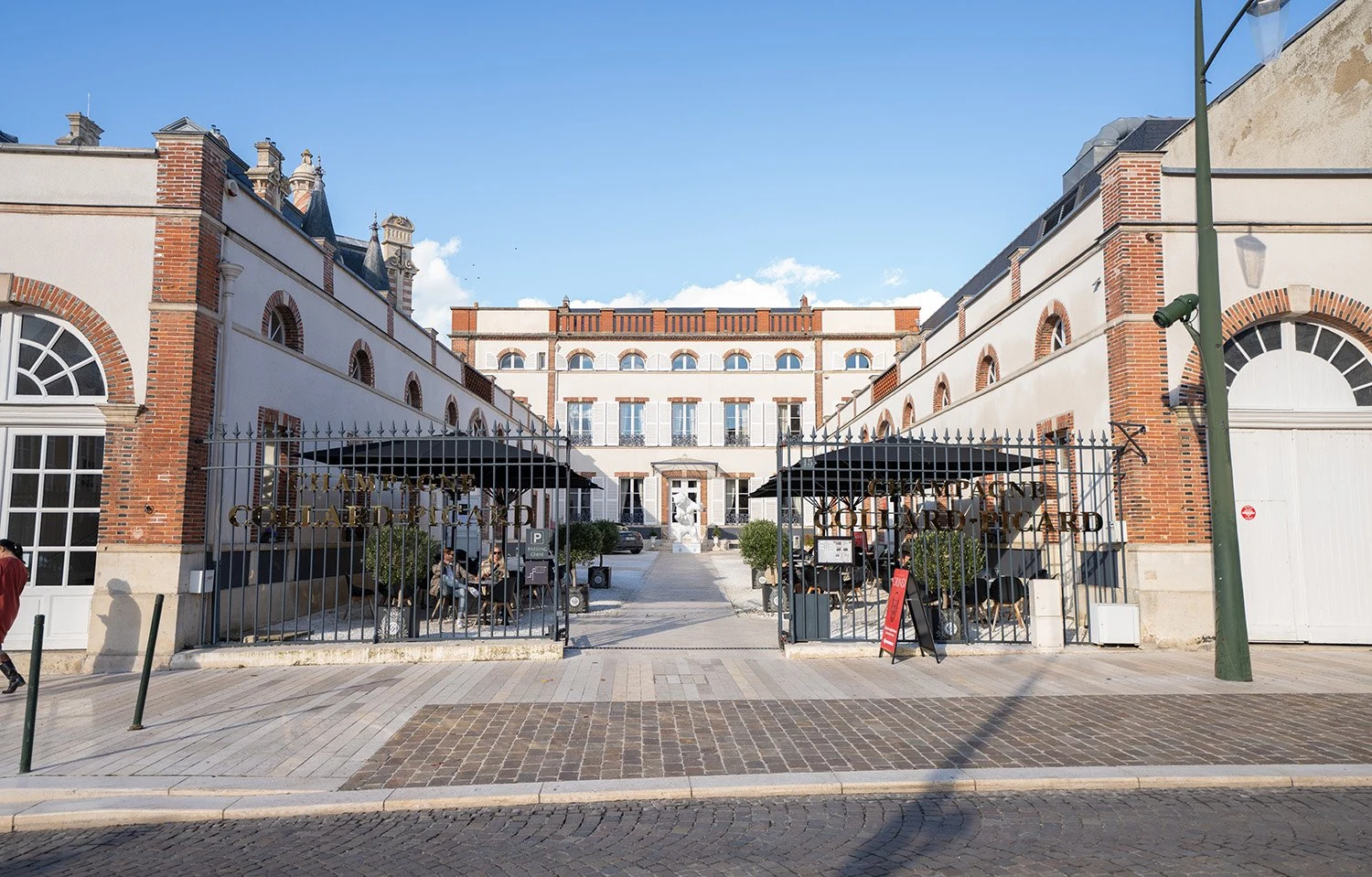
The public face is a refined but relaxed tasting room on Avenue de Champagne, with a contemporary showroom and courtyard seating that keeps the conversation at tasting-table volume. It is an urban Champagne address, but the place does not stop at the showroom. The house also brings visitors toward Villers-sous-Châtillon, where cellar and vineyard make the Marne side of the work legible. That split setting suits the estate: Épernay gives the house its formal threshold, while the chalk caves and parcels give it its working depth. The room is polished, but the wines point away from display and back toward parcels, presses, and the patient logic of blending.
The next generation enters the method
The house has said that a new generation joined the operation from the 2024 harvest, bringing new proposals in both vineyard and cellar. For now, the measure remains at the bench: Collard’s dual post, the 52 parcels, and the way ADN NOIR and Cuvée Prestige keep Marne fruit and Côte des Blancs Chardonnay in the same conversation.
Questions
Frequently asked
Who makes the Champagne at Champagne Collard-Picard?
Olivier Collard has worked there since 1996 as winemaker and co-manager, overseeing the making of the Champagne as well as the daily management of the estate.
What grapes and vineyard areas shape the house style?
The house draws on Marne Valley Pinot Meunier and Pinot Noir for breadth, and Côte des Blancs Chardonnay for line and cut. Its Chardonnay comes from crus including Le Mesnil-sur-Oger, Oger, and Vertus, while the Pinots come from Villers-sous-Châtillon, Reuil, and Binson-Épépy.
What is the estate known for in the cellar?
Champagne Collard-Picard uses only the first press, the cuvée, and ages the wines in chalk caves after second fermentation in bottle. Named cuvées include ADN NOIR, ADN ROSE, PERPETUELLE, and Cuvée Prestige.
What can visitors expect on site?
The public face is a refined but relaxed tasting room on Avenue de Champagne in Épernay, with a contemporary showroom and courtyard seating. The house also brings visitors toward Villers-sous-Châtillon, where cellar and vineyard work are visible.
Is it easy to visit without booking?
The venue is walk-in friendly.
The field
How it compares
| Place | Notes | Awards |
|---|---|---|
| Champagne Collard-Picard | Avenue de Champagne, $$ | · |
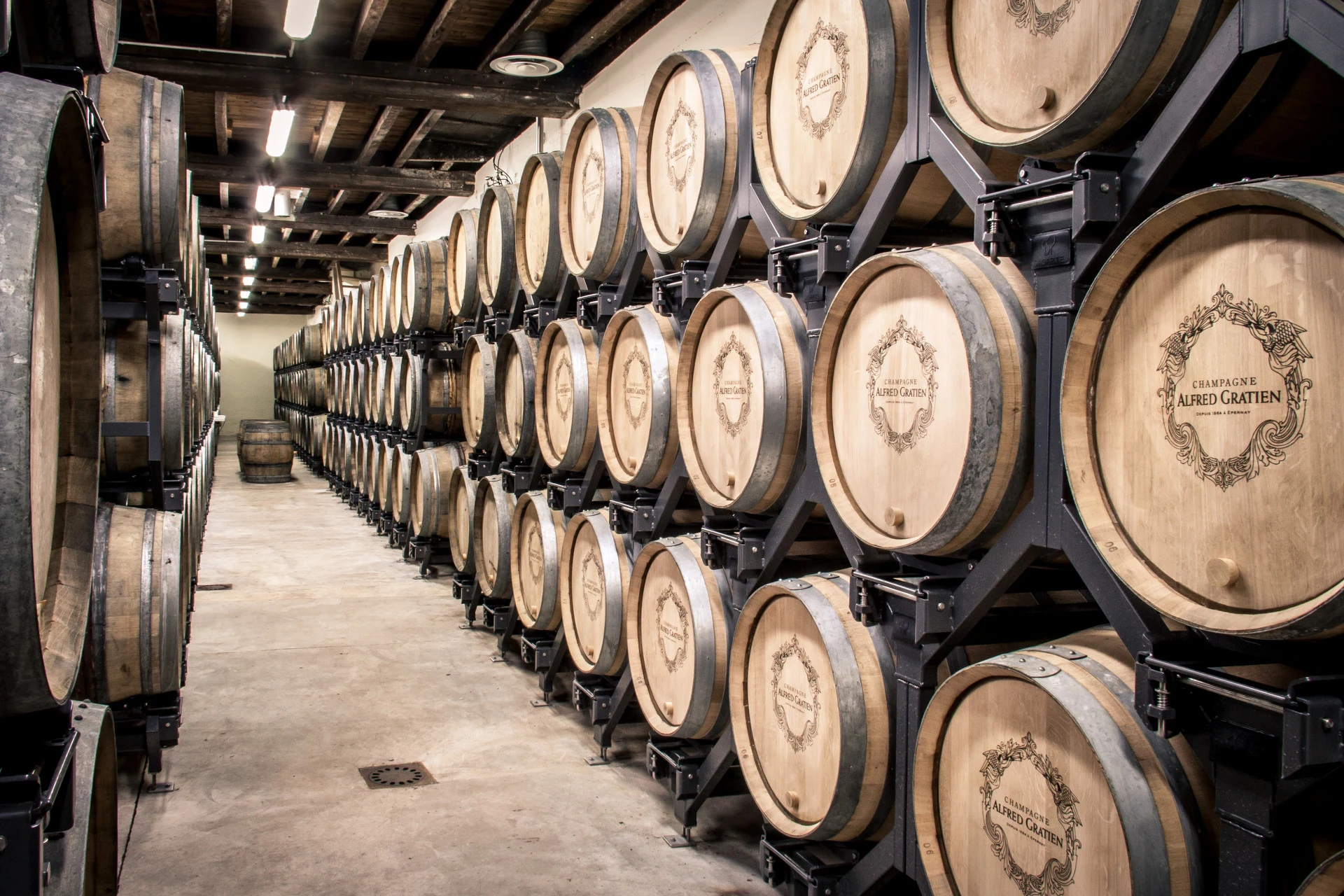
| Alfred Gratien | Épernay | · |
| Gosset | Épernay | · |
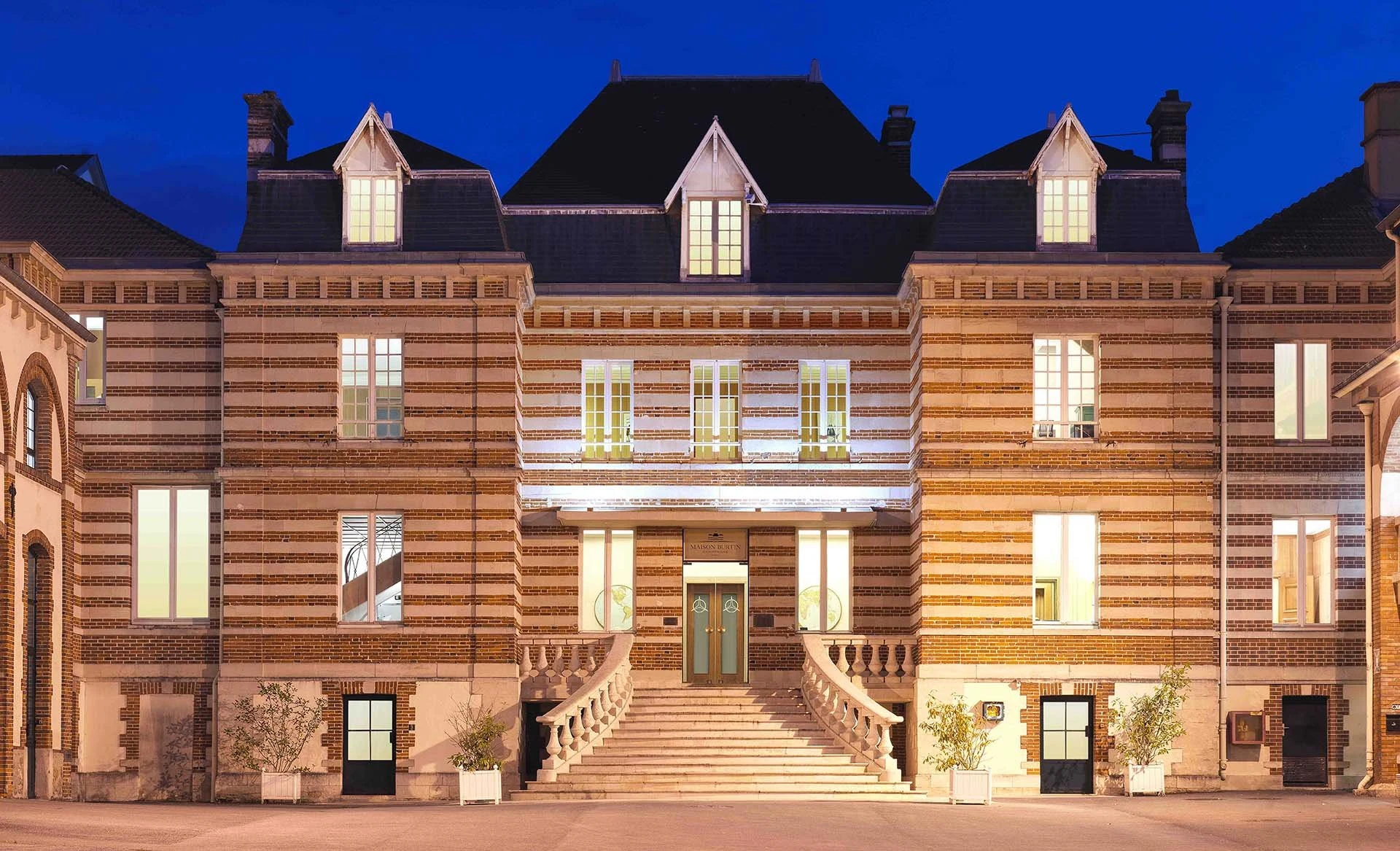
| Maison Burtin | Épernay | · |
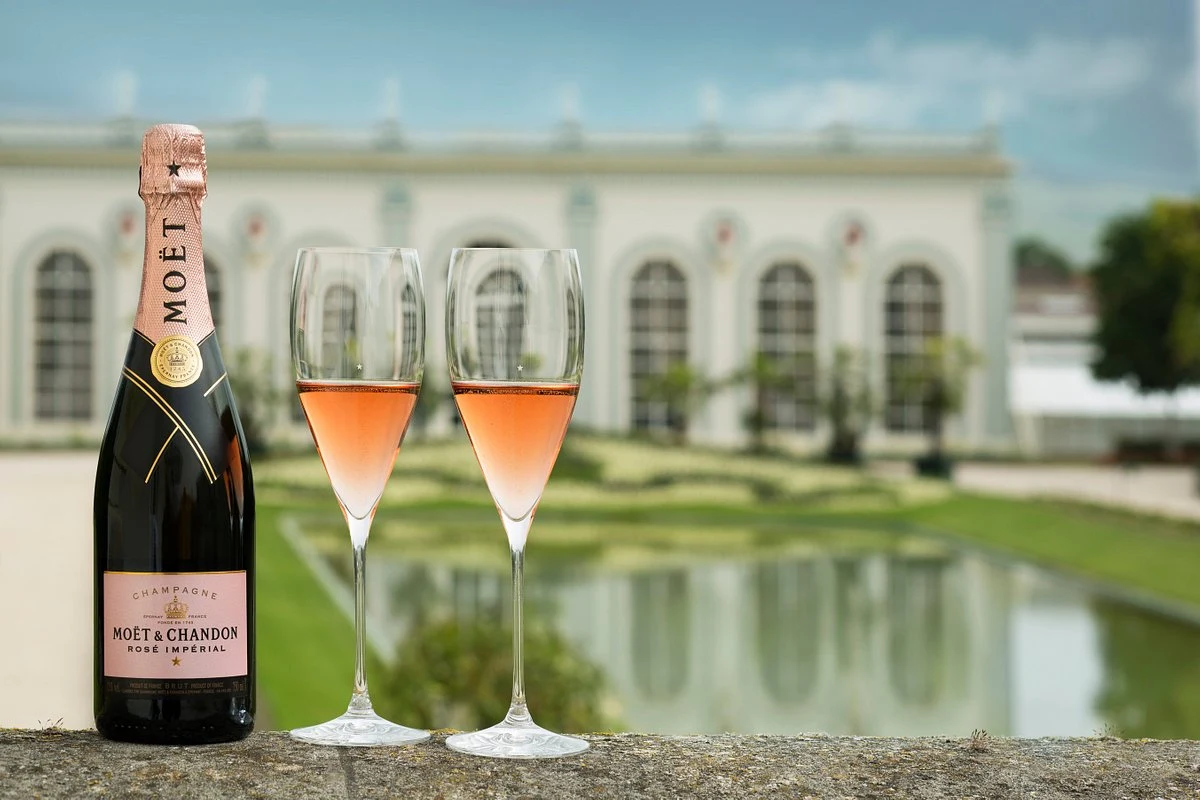
| Moët & Chandon | Épernay | World's 50 Best |
| Perrier-Jouët | Épernay | · |
| Pol Roger | Épernay | · |