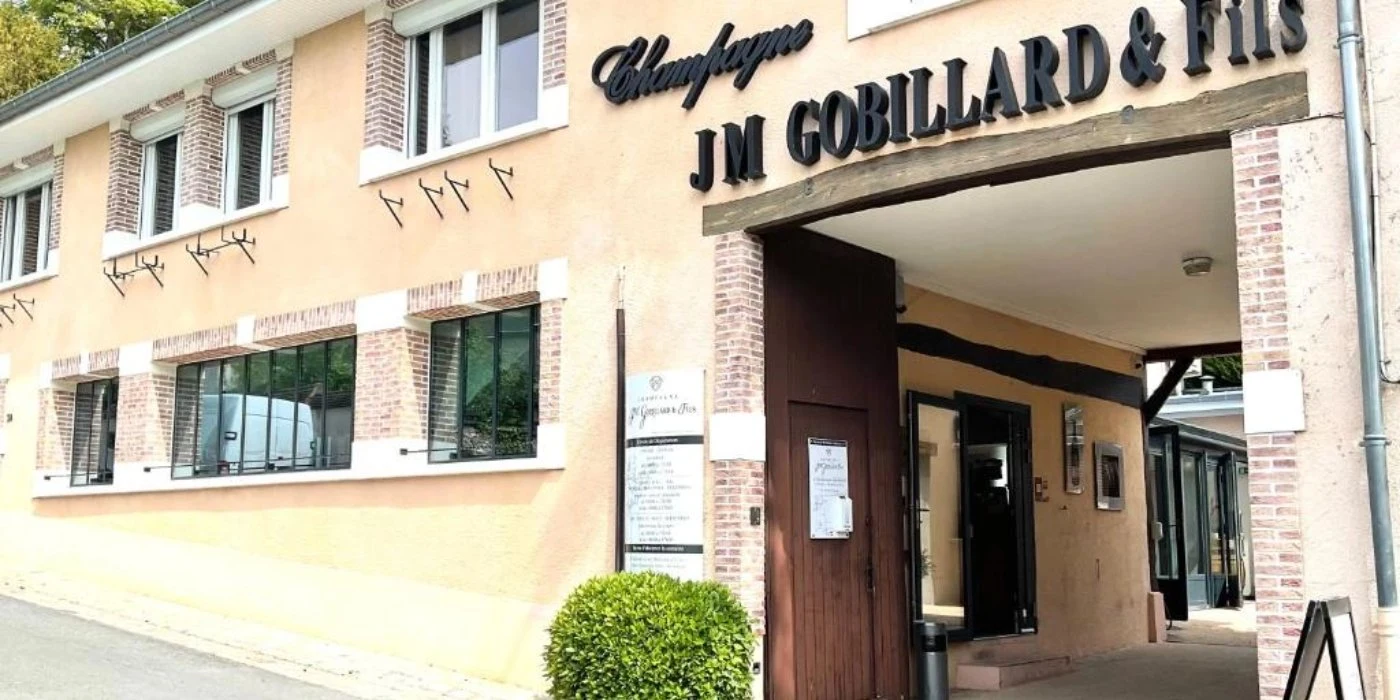
Champagne J. M. Gobillard & Fils
- 01CityHautvillers, France
- Falstaff Winery - 2 Stars · 2026
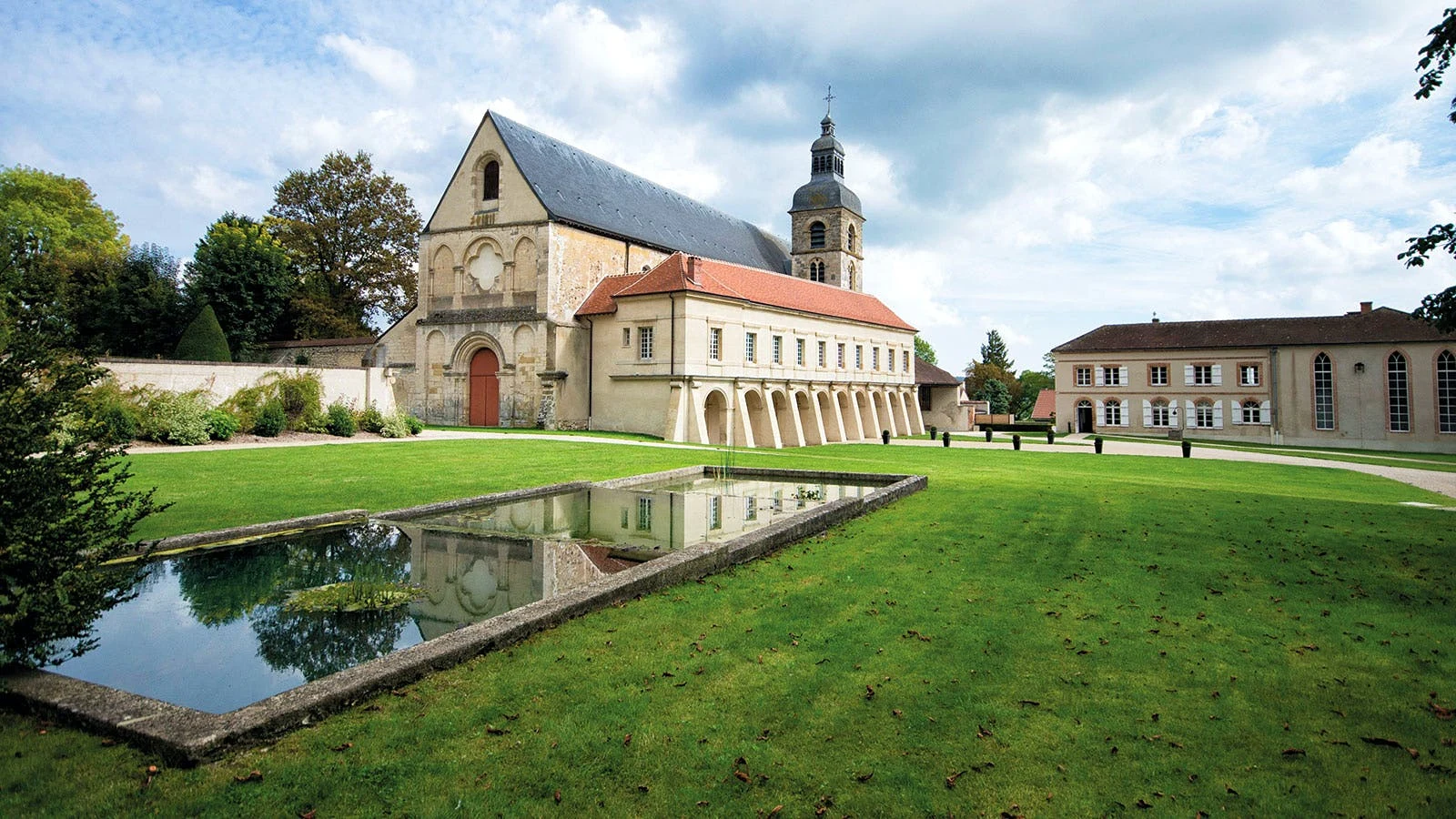
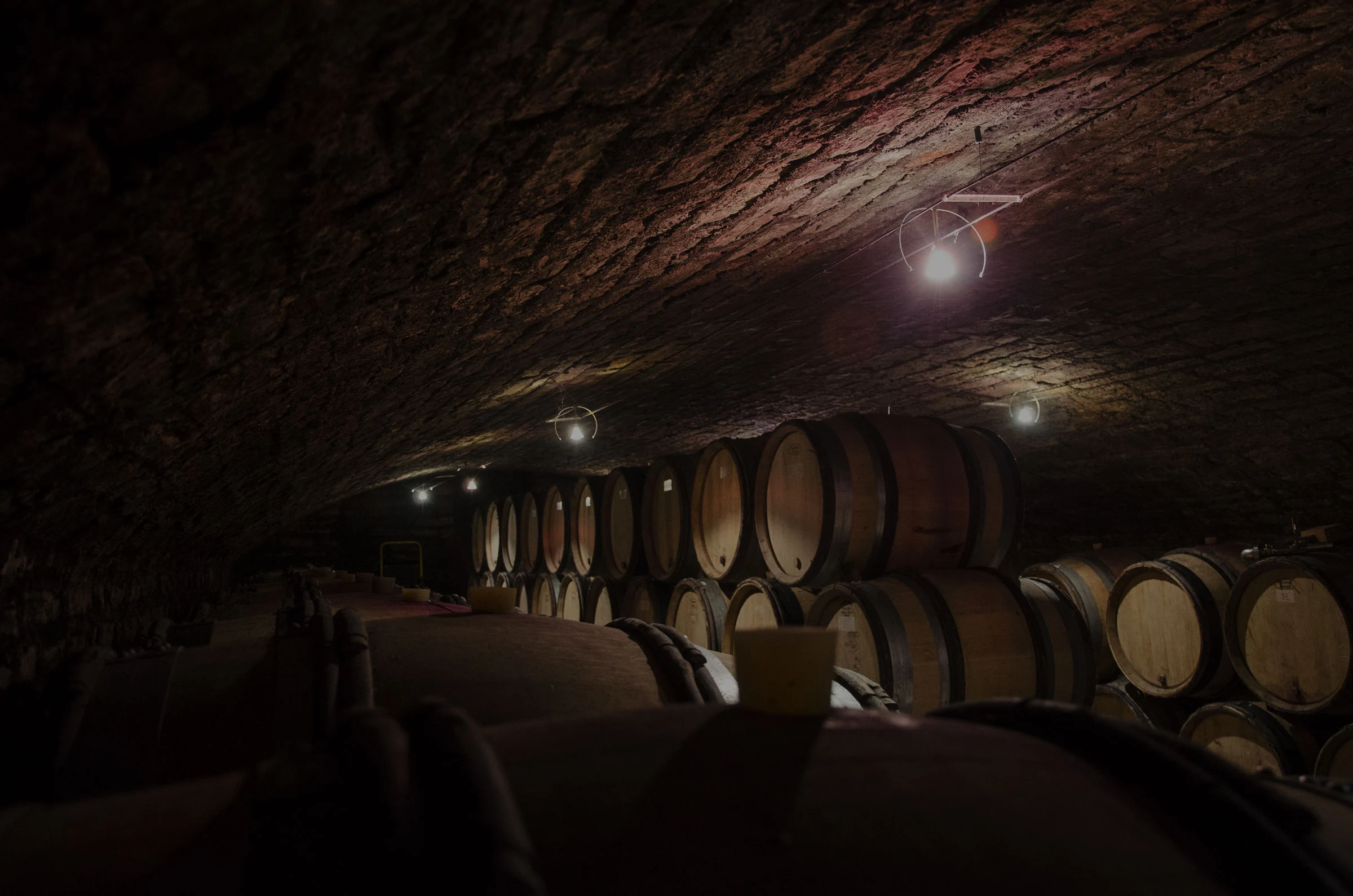
Hautvillers has a particular kind of quiet: stone lanes, vineyard slopes, and the constant reminder that Champagne here is not an abstract luxury category but an agricultural one. The tasting cellar at Champagne J. M. Gobillard & Fils fits that register. It is comfortable, conversational, and built around explanation rather than theatre, which suits a village where the land and the Benedictine history carry much of the drama before a cork is pulled.
The estate sits inside the practical heart of Champagne rather than the grand-house circuit. Hautvillers matters because of its position: close to Épernay, between the Marne Valley and the Montagne de Reims, with access to the region’s three classic grapes. That geography is the point. Chardonnay, Pinot Noir, and Pinot Meunier are not treated as abstract varieties here; they are the vocabulary through which the village speaks. Readers mapping the area can place this visit alongside our full Hautvillers wineries guide, then use our full Hautvillers restaurants guide, our full Hautvillers hotels guide, our full Hautvillers bars guide, and our full Hautvillers experiences guide to build the rest of a stay around the village rather than treating it as a quick stop.
Hautvillers terroir, read through three Champagne grapes
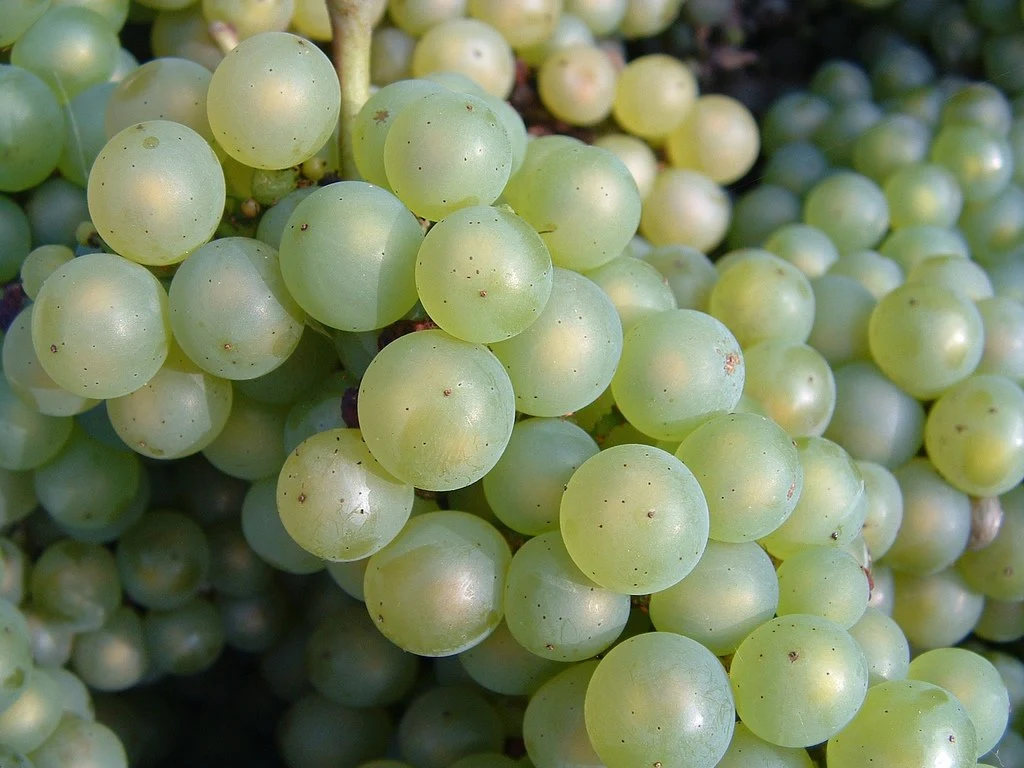
Grower Champagne in Hautvillers rewards attention to structure. The village’s position gives producers a broad palette: Pinot Meunier brings the Marne Valley’s fruit-led generosity, Pinot Noir adds frame, and Chardonnay gives lift. Champagne J. M. Gobillard & Fils works with all three, which makes the tasting useful for understanding how a family estate can present Champagne AOC through blend rather than a single-variety argument.
The house history adds weight without needing romance. Founded in 1933, it has moved through five generations, from Gervais Gobillard’s initial hectare in Hautvillers to the current family leadership. In Champagne, that time span matters less as nostalgia than as continuity: reserve wine, blending memory, and vineyard familiarity are long-game disciplines. The Brut Tradition shows that logic in numbers, with 30% Chardonnay, 35% Pinot Meunier, 35% Pinot Noir, and 30% reserve wine in the blend. The wine also spends at least two years on lees, a detail that places it firmly in the classic non-vintage Champagne grammar of freshness shaped by maturation.
Hautvillers also carries the Dom Pérignon association, and that history can distort expectations. The smarter reading is to treat the village as a working Champagne site with a powerful cultural backstory, not as a museum. For the abbey-linked reference point, see Dom Pérignon; for another Hautvillers producer in the same village context, Champagne Louis Nicaise helps frame how compact the local wine conversation can be.
A cellar tasting with education ahead of spectacle
The tasting format is relaxed and guided, with bar, cellar, and guided tasting options. That matters in Champagne, where the visitor experience often splits between polished brand architecture and smaller-room instruction. Here the value is the directness of the encounter: a family-run cellar, a conversational noise level, and explanations focused on production and blend rather than set design. French and English are offered for tours, and the listed duration is 45 minutes, which makes the visit manageable within a Hautvillers day rather than a half-day commitment.
The portfolio gives enough range for a compact education. Cuvée Prestige Millésimée Rosé 2014 is listed as a vintage rosé aged for at least three years, while Grande Réserve Premier Cru Brut Hautvillers points to the village’s Premier Cru identity. Brut Tradition has also drawn a Wine Spectator 90-point rating, a useful external signal for a house whose appeal is otherwise more local and format-driven than award-led. HVE Level 3 vineyard certification adds another concrete marker: sustainability here is not presented as a mood, but as a French environmental standard tied to biodiversity, soil health, and water management.
Cellar does not operate as a food-pairing destination, and that is part of its clarity. It is stronger as a wine education stop than as a long lunch substitute. Groups are a natural fit, solo tasters will not feel over-programmed, and the absence of outdoor seating keeps the emphasis on the cellar and the wines rather than vineyard-view leisure. Parking is street-based, shipping is available, and the walk-in-friendly policy suits travellers who prefer a less rigid Champagne itinerary.
How to place it in a wider wine itinerary
For travellers crossing Champagne and other French regions, this is a useful counterweight to larger, more formal estates. It gives the village scale of Hautvillers without asking the visitor to decode luxury cues. That makes it a sensible first stop before moving outward to more specialised regional expressions: A. Margaine in Villers-Marmery for another Champagne village perspective, Agrapart & Fils in Avize for a Côte des Blancs reference, or further south to Abbaye de Fontfroide in Narbonne, Abbotts & Delaunay in Marseillette, Advini in Saint Felix De Lodez, and Alain Brumont in Castelnau Riviere Basse for different French wine structures altogether. Beyond France, »der Steiner« Hans Steiner in Podersdorf am See and & Handwein in Mannheim widen the frame to Central European producers with different climate pressures and cellar traditions.
The editorial case is clear: this is a Champagne visit for people who want the mechanics made legible. Hautvillers supplies the history, the three-grape blend supplies the lesson, and the cellar format keeps the experience grounded. In a region where prestige can sometimes obscure farming, Champagne J. M. Gobillard & Fils makes terroir easier to read.
Questions
Frequently asked
How expensive is Champagne J. M. Gobillard & Fils?
Champagne J. M. Gobillard & Fils is listed at a price level of $$.
The field
How it compares
| Place | Notes | Awards |
|---|---|---|
| Champagne J. M. Gobillard & Fils | Hautvillers, $$ | · |
| Champagne Louis Nicaise | Hautvillers | · |
| Chateau Petrus | Pomerol | · |
| Dom Pérignon | Hautvillers | · |
| Domaine Coche-Dury | Meursault | · |
| Domaine Hubert Lignier | Morey-Saint-Denis | · |
| Ridge Vineyards | Cupertino | World's 50 Best |