Made ByWinery
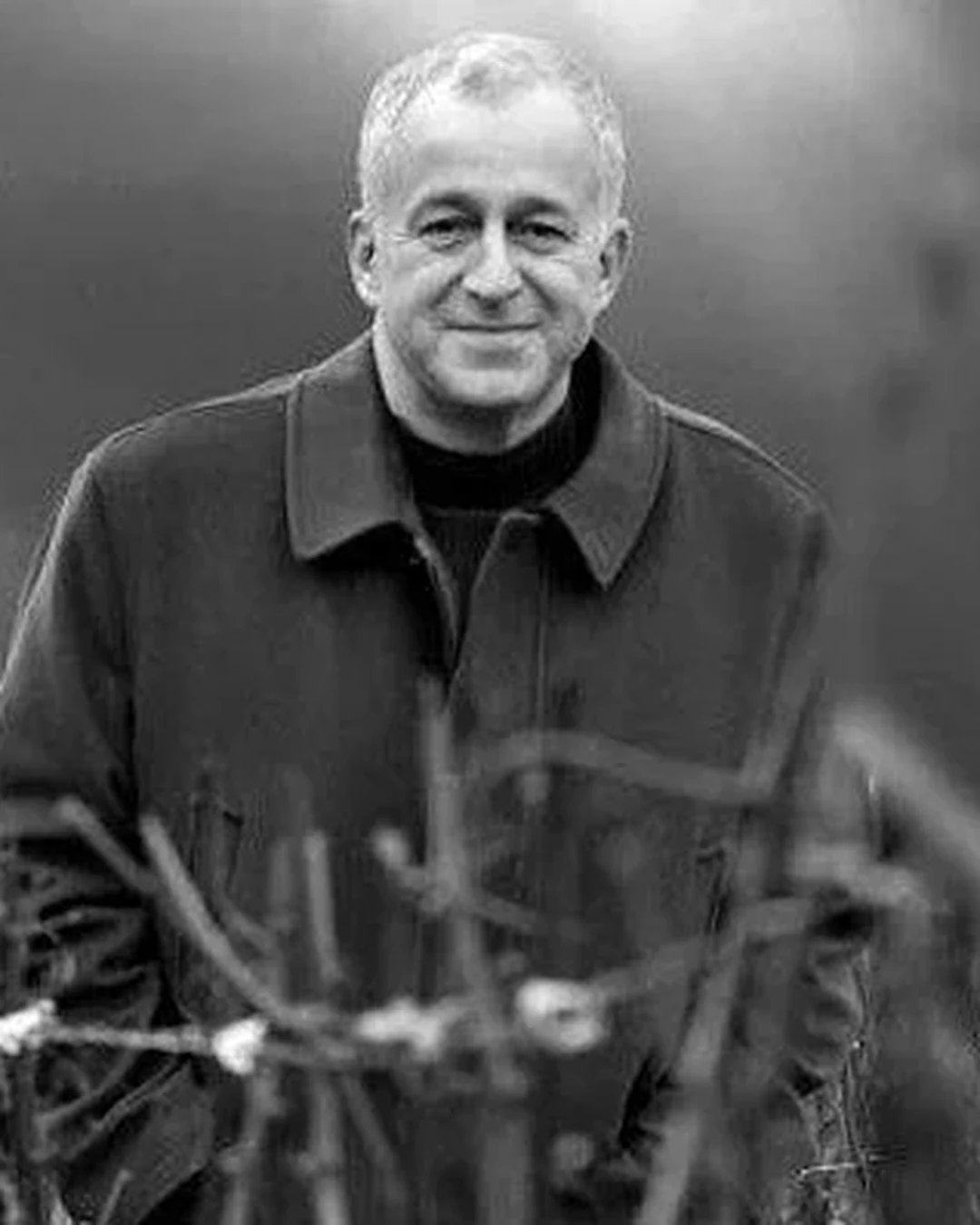
Jean-Hervé and Laurent Chiquet make Champagne Jacquesson in Dizy around provenance, old oak, and the numbered 700 series.
At a glance
- Price
- $$$
- Neighborhood
- Dizy
Two brothers at the blend
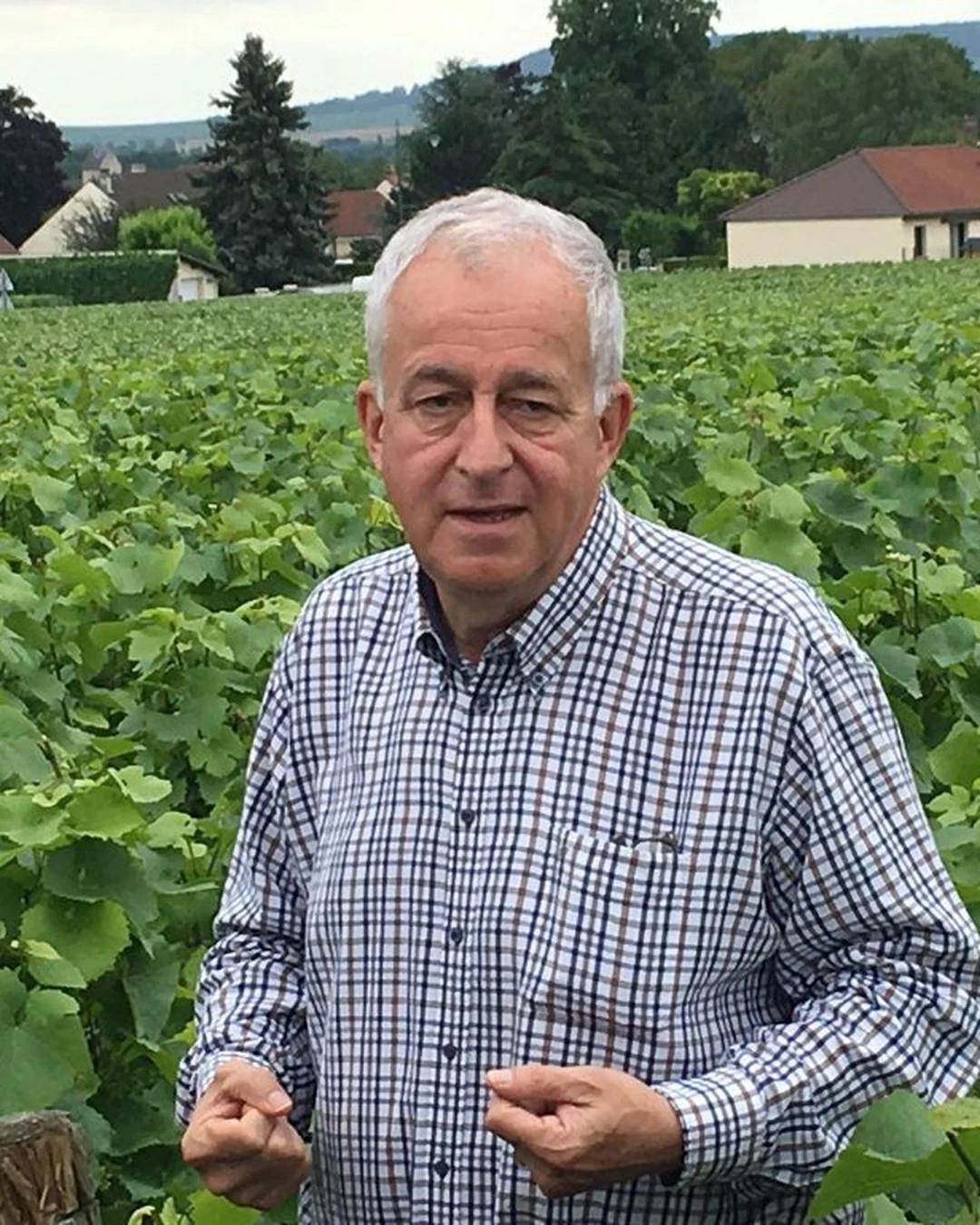
Since 1988, Jean-Hervé Chiquet and Laurent Chiquet, winemakers at Champagne Jacquesson in Épernay, make the blend answer to the year. Jean-Hervé has held co-ownership and co-winemaking here; Laurent works beside him as custodian and co-owner. Their station is an old one. Claude and Memmie Jacquesson founded the maison in 1798, and the Chiquet family acquired it in 1974, but the present discipline begins with the brothers taking operational control in 1988. They did not build the house around repeatability. The declared line is excellence over regularity, and Jean-Hervé has put it plainly: “We don't want to make a consistent blend every year.” The second sentence matters just as much: “We want to make the best possible blend every year.” At Jacquesson, that makes the blend a decision, not a template. Laurent’s own formulation starts further back, before the press and before the cask: “The quality of the wines is directly linked to the provenance of the grapes.” The hands in the cellar answer to that sentence.
Plot by plot, then the 700 series
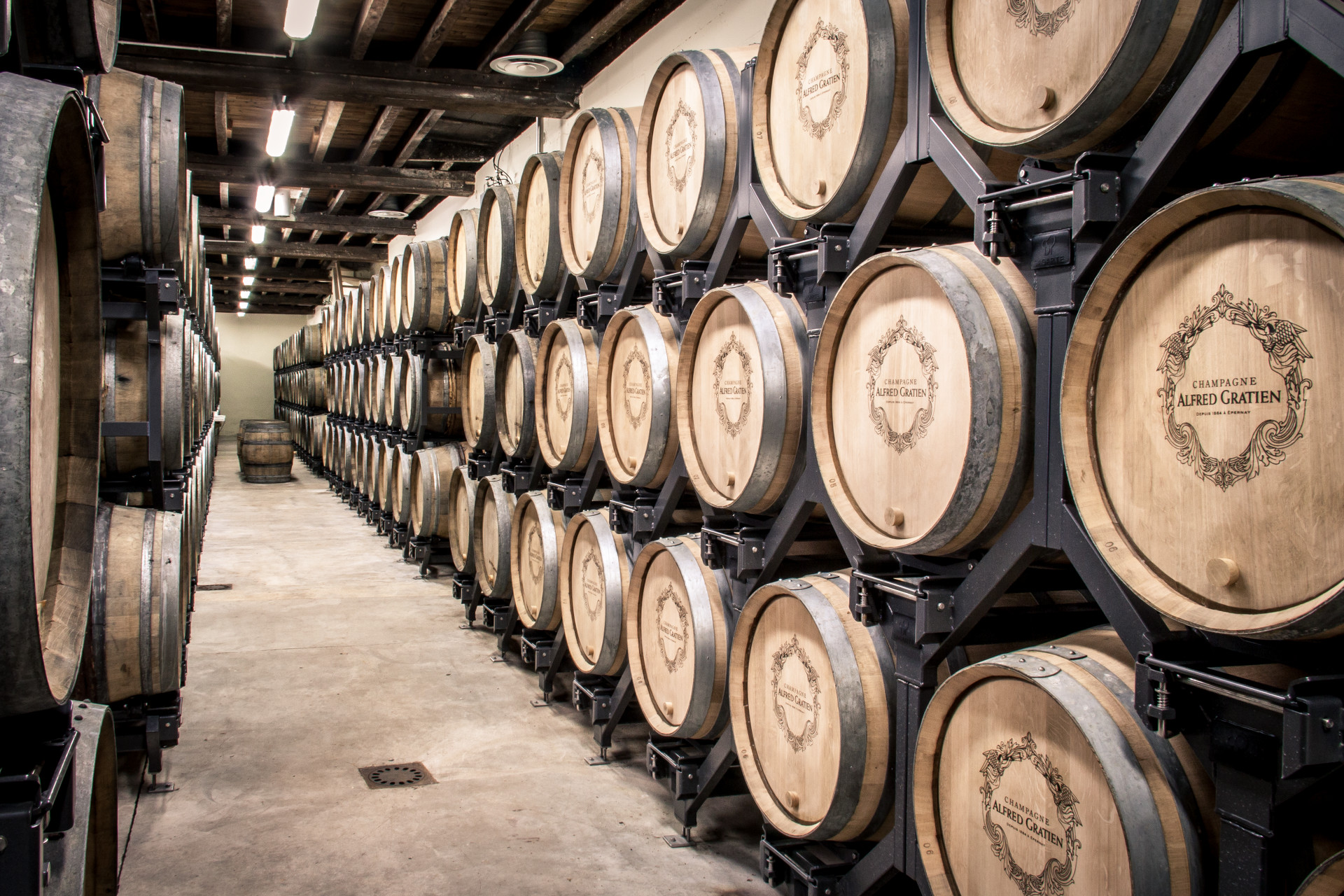
The house works from about 30 hectares of estate vineyards in premier and grand cru villages including Avize, Dizy, Aÿ, and Hautvillers, with additional fruit also coming from premier and grand cru sources. Chardonnay, Pinot Noir, and Pinot Meunier move through a cellar logic built to keep origins legible. Jacquesson vinifies by plot, keeping parcels separate before the final assemblage; the first and last pressings are eliminated so the cuvée carries the cleaner middle of the press. Large old oak casks take a central role, giving the wines air and structure without the overt signature of new wood, while steel remains part of the aging work where freshness asks for it. The vineyards are farmed without herbicides, with one-third certified organic and the rest worked with soil health and biodiversity in view. The 700 series carries the house language most clearly. It is not a standard non-vintage blend in the industrial sense, but a numbered release with a dominant base year and reserve wines used for depth. The series accounts for roughly 95% of production; the remaining 5% comes from four single-vineyard lieux-dits.
A quiet cellar in Dizy
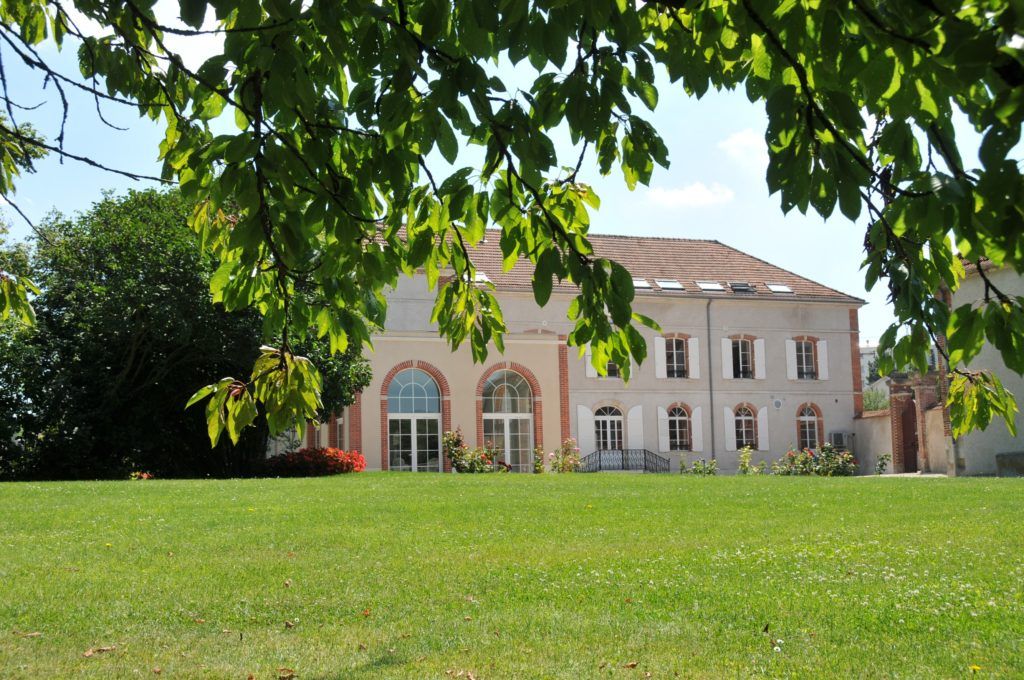
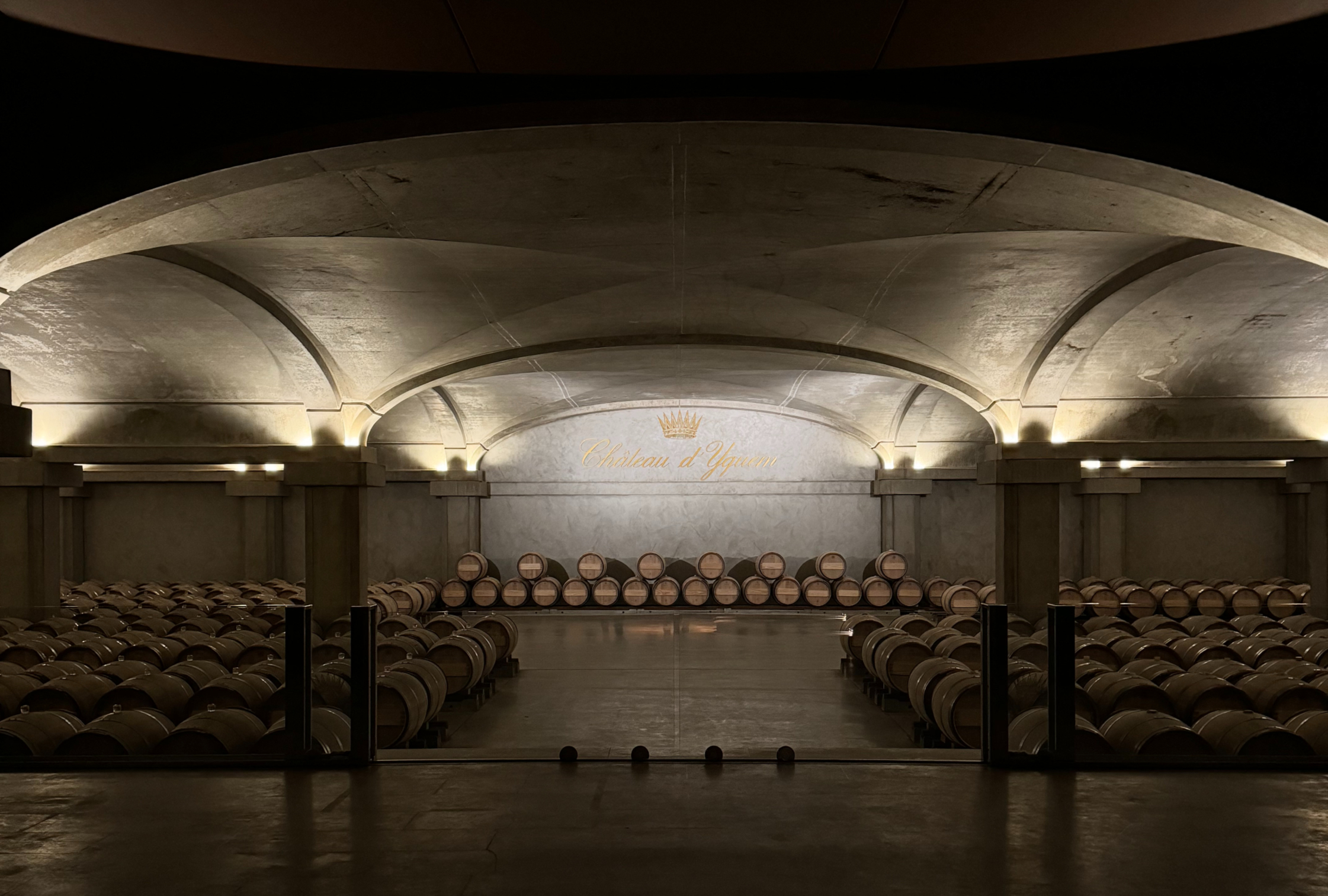
The cellar at Dizy feels aligned with the method: quiet, concentrated, and spare of theatre. This is a house for serious tasting rather than spectacle, set near Épernay and surrounded by the Marne Valley vineyards that feed its decisions. The room’s attention gathers around provenance, cask, bottle, and time. Laurent has said that each harvest can live two lives, “with two different periods of aging,” and that patience reads here as a tool, not a pause. The historic weight is present without needing display. Adolphe Jacquesson’s wire muselet belongs to the broader Champagne trade; Memmie Jacquesson’s 1810 gold medal from Napoleon I belongs to the house’s early arc. In the present cellar, the more immediate object is a numbered cuvée, shaped from the year in front of Jean-Hervé and Laurent Chiquet.
Know before you go
- Reservations
- appointment_only
- Parking
- street
- Payment
- credit_card
- Groups
- Welcomed
Address
Épernay, Grand Est, Frankreich
Dizy