Champagne Louis Roederer
- 01CityReims Cedex France, France
Lees, chalk, and estate fruit
- Falstaff Winery - 5 Stars · 2026
Soil first, cellar second
The blending decision begins before the wine reaches the bench. Jean-Baptiste Lécaillon, winemaker at Champagne Louis Roederer in Reims Cedex France, keeps viticulture and oenology in the same frame: agriculture first, cellar work in service of site. He studied at Ecole Nationale Supérieure Agronomique and Montpellier University of Oenology before joining Louis Roederer in 1989, then became Chef de Caves at Champagne Louis Roederer in 1999. That long station matters in a house founded in 1776, where continuity is not a decorative idea but a working condition. The role asks him to hold taste, origin, and house craft together, especially across cuvées that carry different expectations: Cristal Rosé, Collection 242, Cuvée Collection 246, and the broader Champagne Louis Roederer range. His own sentence, “Champagne is always moving,” gives the method its pressure. Farming conditions shift; the cellar responds. The finished bottle still has to arrive with precision, not as an exercise in novelty.
Estate fruit across three districts
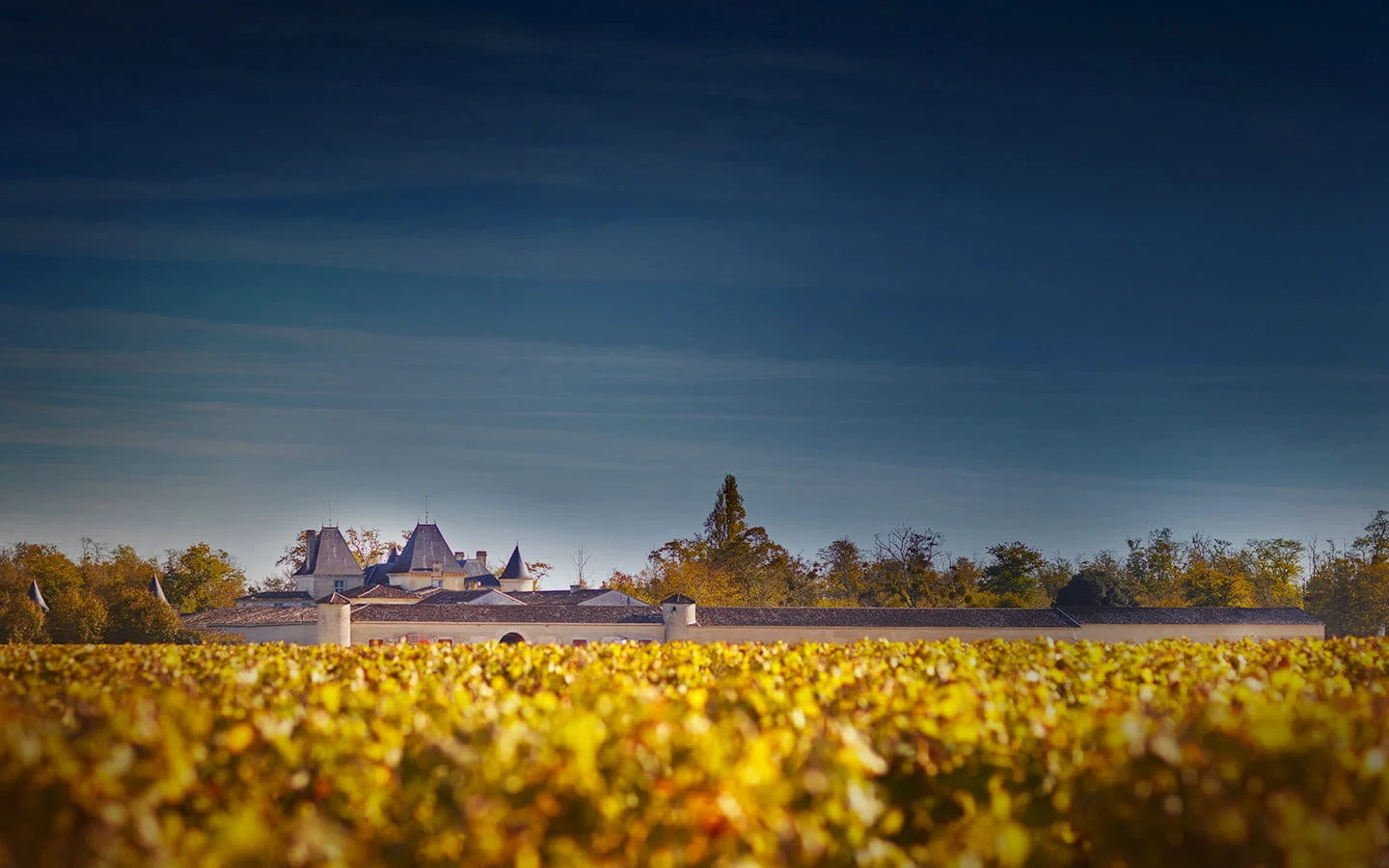
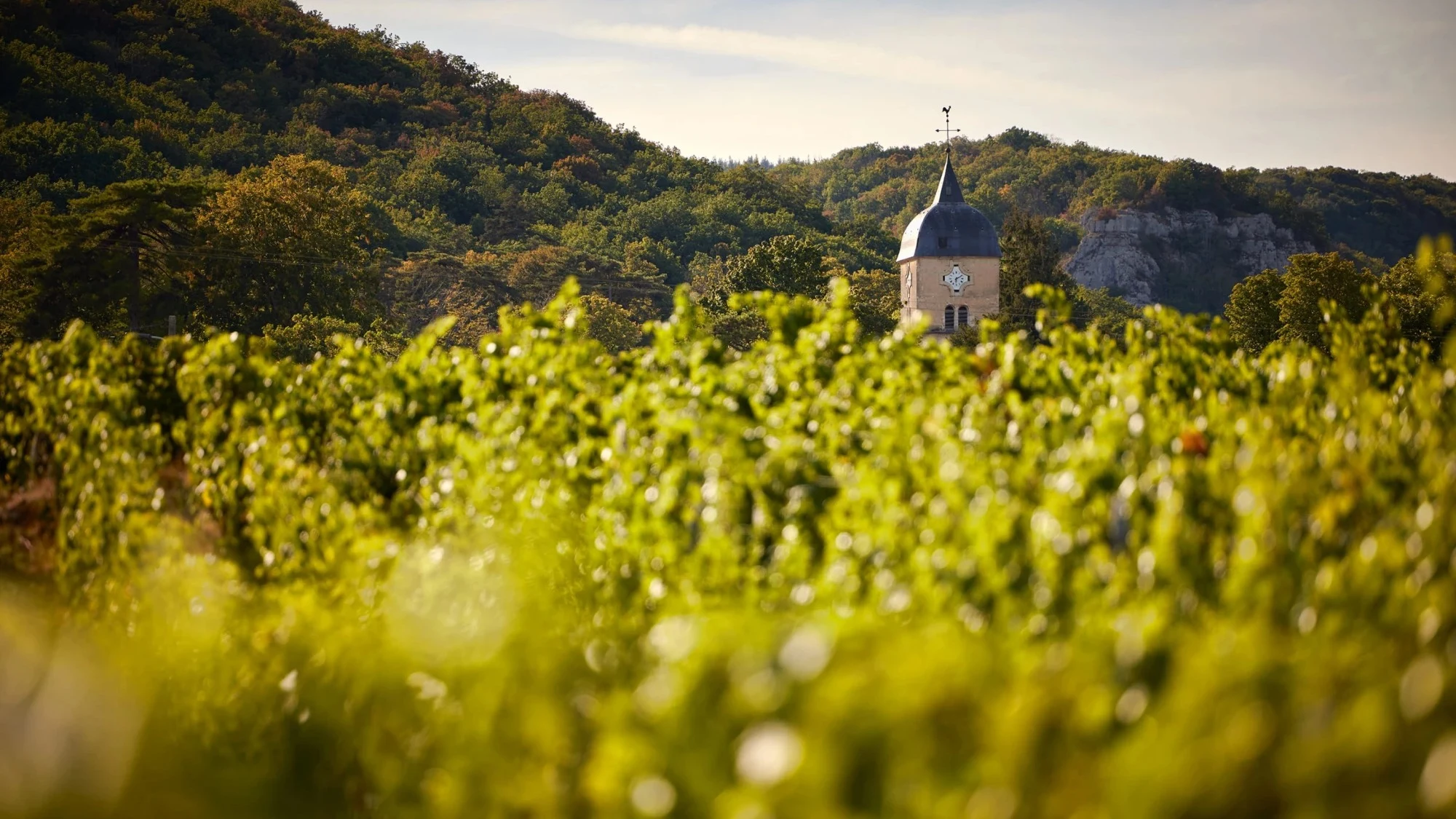
The house works from more than 240 hectares, 593 acres, of vineyards across the Côte des Blancs, the Montagne de Reims, and the Vallée de la Marne. Chardonnay, Pinot Noir, and Pinot Meunier give the cellar its primary grammar, with lots commonly kept apart by variety and by vineyard selection before blending. The farming is described by the house as biodynamic and sustainable, with gentle pruning and biodynamic composts part of the vineyard work. In the cellar, the still base wine takes its second life through liqueur de tirage, the addition of wine, yeast, and sugar that begins prise de mousse in bottle. Lees then become time rather than residue. Champagne must rest on lees for at least 12 months before disgorgement; non-vintage wines require 3 more months if they have only met that mark, and vintage Champagne requires two more years beyond the 12 months on lees. Roederer often works beyond the minimum. The house does not need that fact dressed up. Time is one of the materials.
Chalk, racks, and a quiet house
Below the central Reims maison, the cellar sets the pace. Bottles move to pupitres for remuage, the quarter-turn and gradual tilt that bring sediment toward the neck before disgorgement. The gesture is small, repeated, and exacting; it belongs to the discipline of Champagne as much as the blend does. Above ground, the house keeps a refined, professional atmosphere, closer to a working maison than to a casual tasting room. The room is quiet because the craft asks for it. Conversations tend toward origin, cuvée, and release rather than spectacle. Cristal still sits near the center of the house’s identity, but the work around Collection 242 and Cuvée Collection 246 shows the same operating question in another register: how to let a moving season enter the bottle without loosening the Roederer line.
Questions
Frequently asked
Who makes Champagne Louis Roederer in Reims?
Jean-Baptiste Lécaillon is the winemaker at Champagne Louis Roederer and became Chef de Caves in 1999. He studied at Ecole Nationale Supérieure Agronomique and Montpellier University of Oenology before joining the house in 1989.
What is Champagne Louis Roederer known for?
The house is known for a soil-first approach that keeps viticulture and cellar work in the same frame, and for wines including Cristal Rosé, Collection 242, and Cuvée Collection 246.
Where do the vineyards for the house come from?
Champagne Louis Roederer works from more than 240 hectares of vineyards across the Côte des Blancs, the Montagne de Reims, and the Vallée de la Marne.
How does the cellar work at Champagne Louis Roederer?
The cellar work begins with still base wine, then liqueur de tirage starts prise de mousse in bottle. The wines rest on lees, are riddled on pupitres, and are disgorged only after the required time has passed.
Can you visit Champagne Louis Roederer without an appointment?
Visits are by appointment only. The house also notes a smart casual dress code and street parking.
The field
How it compares
| Place | Notes | Awards |
|---|---|---|
| Champagne Louis Roederer | Lundy / central Reims, $$$$ | · |
| Château Suduiraut | Preignac | · |
| Domaine Georges Roumier | Chambolle-Musigny | · |
| Domaines Barons de Rothschild (Lafite) | Bordeaux | · |
| Herdade do Esporão | Reguengos de Monsaraz | World's 50 Best |
| Ridge Vineyards | Cupertino | World's 50 Best |
| Tenuta San Guido | Bolgheri | · |