- Opinionated About Dining Top Restaurants in Asia Recommended · 2026
- World's 50 Best Asia's Best Bars #87 · 2026
- Top 500 Bars Best Bars #111 · 2025
- Tatler Listed in Best Bars Asia-Pacific · 2025
- World's 50 Best Asia's Best Bars #95 · 2024
- World's 50 Best Asia's Best Bars #7 · 2022
- World's 50 Best Asia's Best Bars #13 · 2021
- World's 50 Best Best Bars #42 · 2021
- World's 50 Best Best Bars #49 · 2020
- World's 50 Best Asia's Best Bars #29 · 2020
- World's 50 Best Asia's Best Bars #14 · 2019
- World's 50 Best Asia's Best Bars #21 · 2018
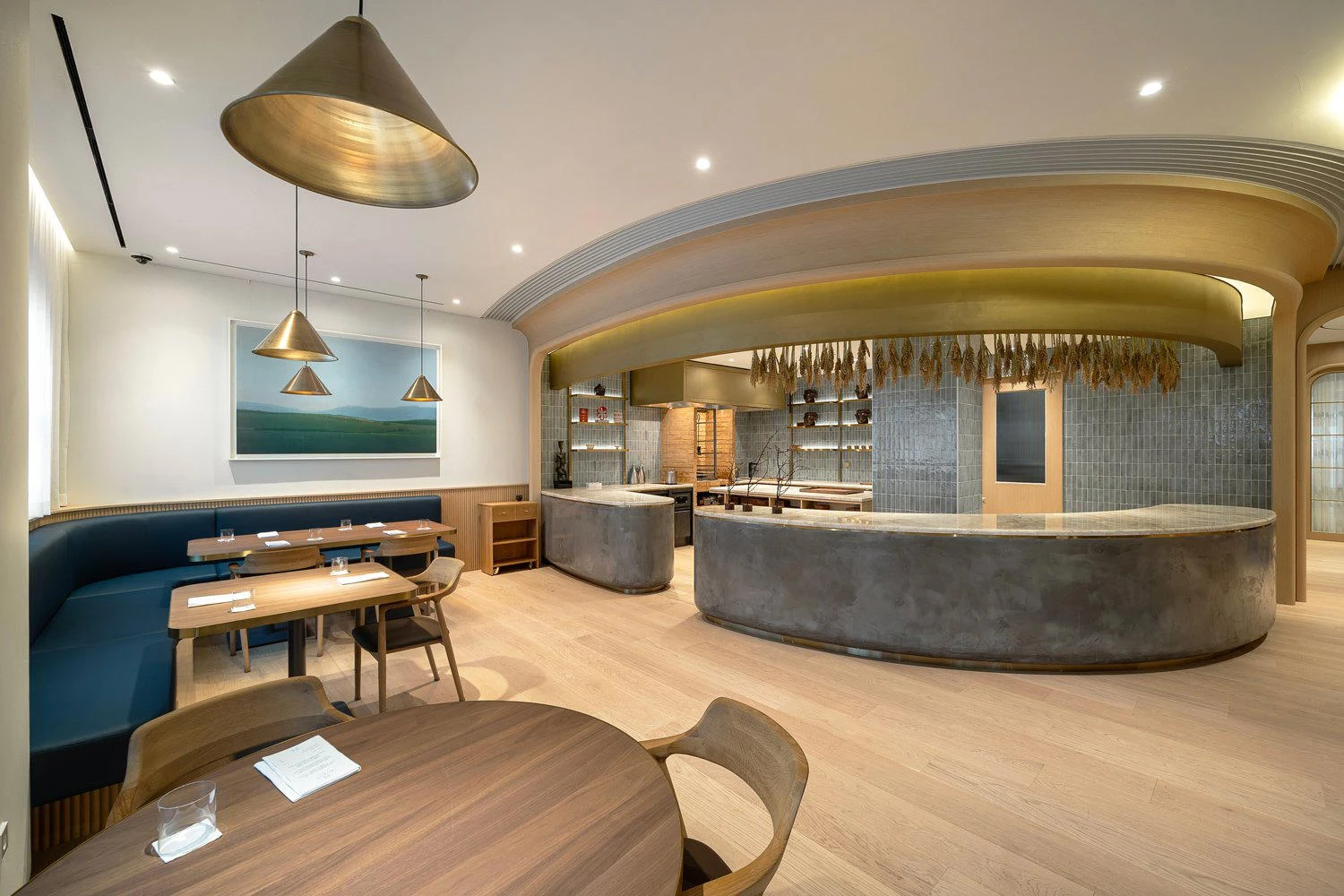
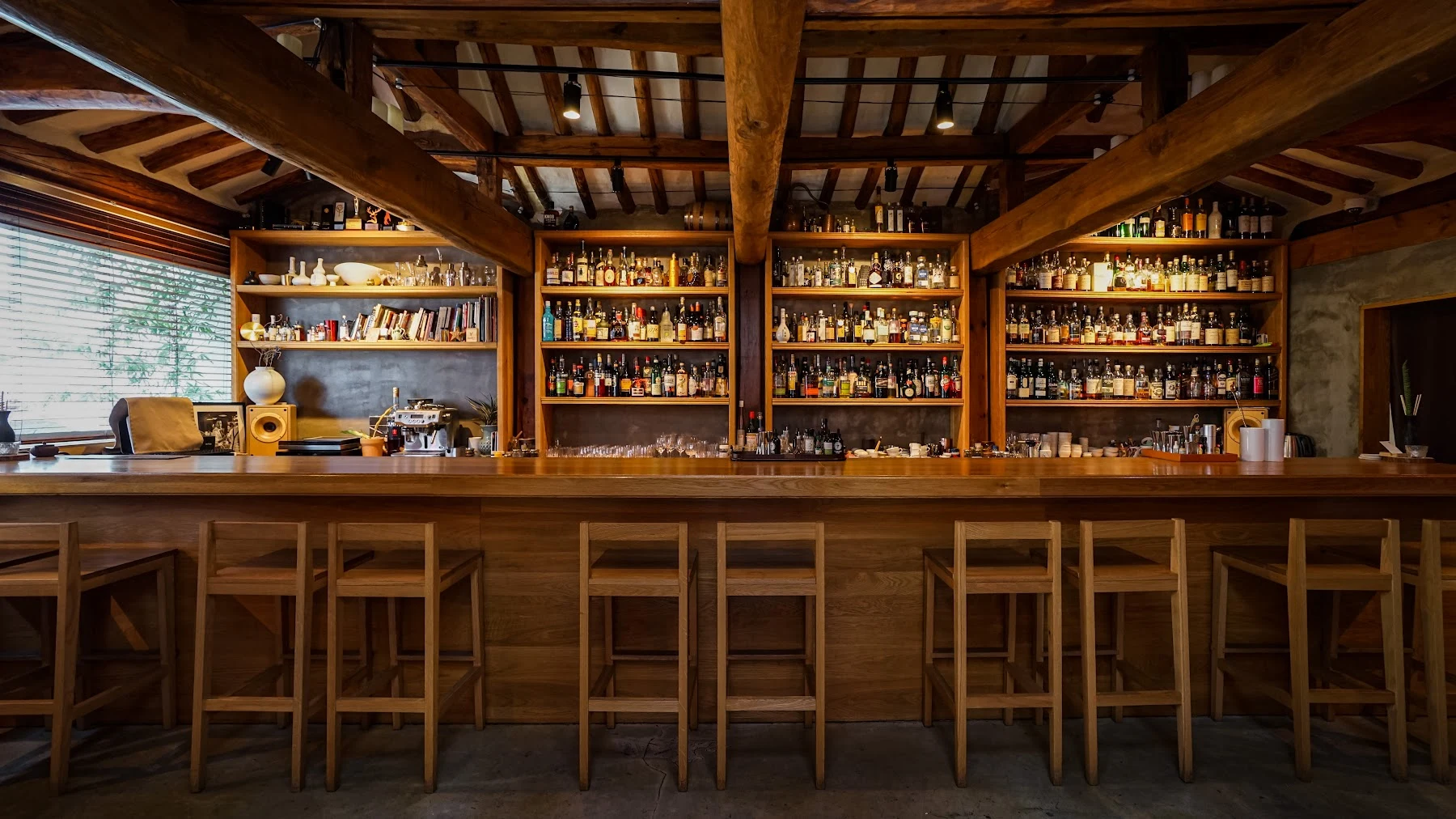
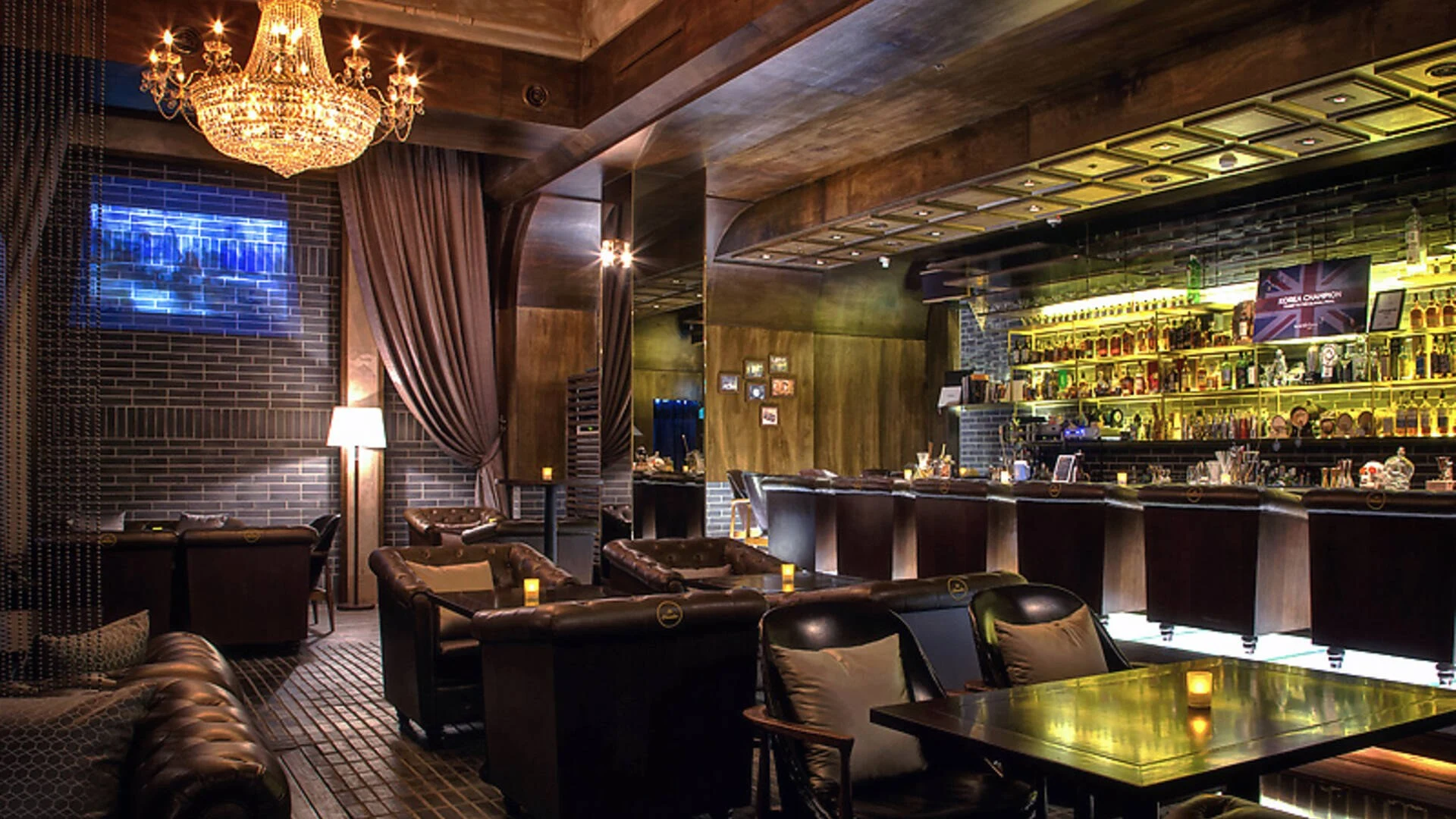
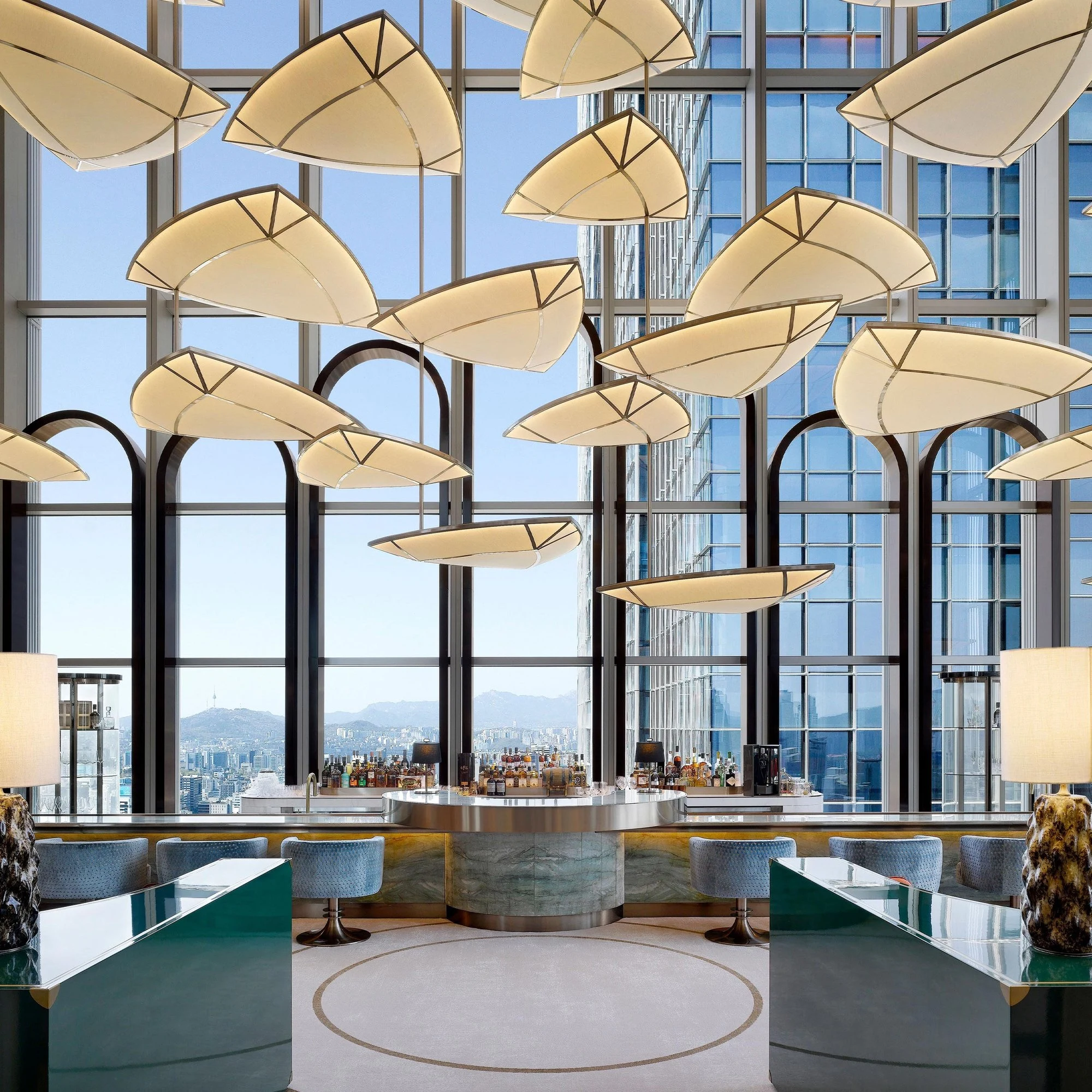
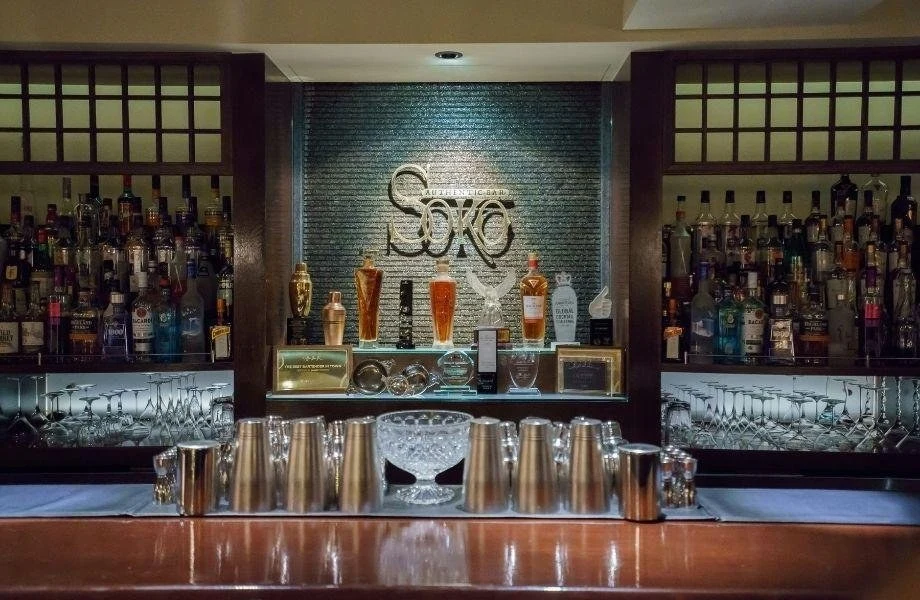
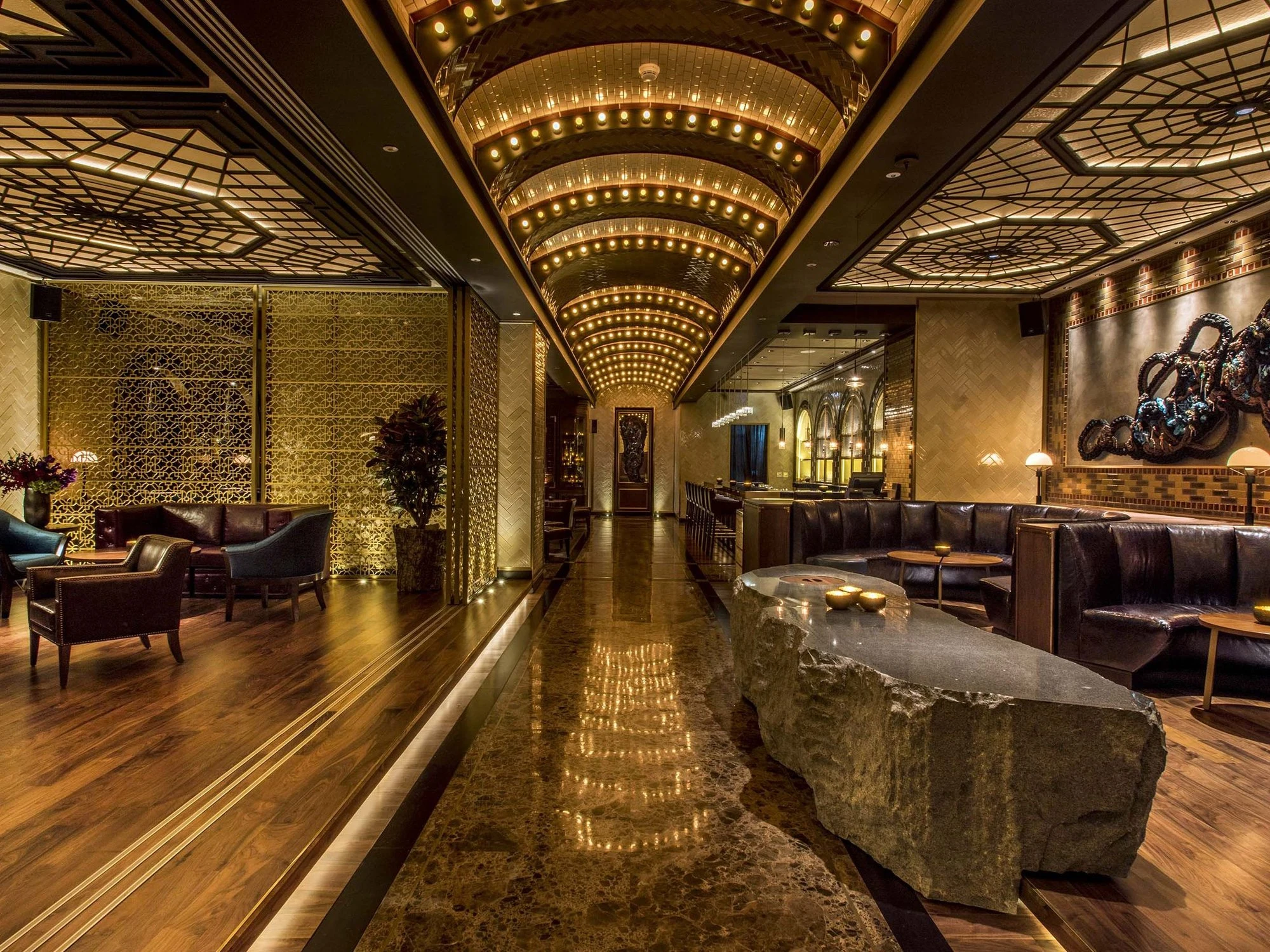
Inside the Four Seasons Seoul, the mood shifts from Gwanghwamun’s civic scale to the lower-lit grammar of a hotel cocktail room: softened conversation, polished service, and a drinks program built for guests who know the difference between decoration and discipline. Seoul’s cocktail scene has grown far beyond the simple split between hotel lounges and late-night Itaewon bars; the stronger programs now compete on technique, pacing, glassware, and how confidently they translate global cocktail language for a Korean capital that already takes drinking seriously.
That context matters. A craft-cocktail bar in a luxury hotel has to do two things at once: serve international travellers who expect fluency in classics, and satisfy local drinkers who have watched Seoul’s bar culture become more exacting. Charles H. sits in that second-generation category. The format is polished rather than clandestine, and its presence on Opinionated About Dining’s 2026 Asia Recommended list gives it a clear external marker in a city where serious bar recognition is increasingly crowded.
Hotel-bar precision in a city that has outgrown speakeasy theatre
Seoul does not lack atmospheric drinking rooms, but the more interesting divide is now between concept-heavy bars and places where technique carries the room. Hotel bars once signalled safety more than ambition; that reading is dated. In cities such as Seoul, Tokyo, Singapore, and Bangkok, luxury-hotel cocktail programs have become competitive stages for bartenders with international résumés, large backbars, and the service training to handle both aperitif drinkers and late-night regulars.
Charles H. belongs to that shift. The room’s hotel setting matters because it changes the tempo: orders are not rushed, service is calibrated, and the bar can operate as a proper first stop before dinner or a controlled final stop after one. That may sound procedural, but good cocktail bars are often won on procedure. Ice, dilution, temperature, pacing, and the ability to read a guest without turning the exchange into performance separate a serious program from a room with expensive bottles.
The address also places the bar in a useful part of Seoul for travellers moving between palace districts, business hotels, and central dining reservations. For a broader read on the city’s dining map, Our full Seoul restaurants guide gives the restaurant context around it, while Our full Seoul bars guide is the cleaner lens for drinking itineraries. Seoul’s premium hospitality circuit is increasingly cross-category, so hotel planning through Our full Seoul hotels guide often shapes where a serious cocktail stop makes sense.
Keith Motsi's international signal, used as context rather than theatre
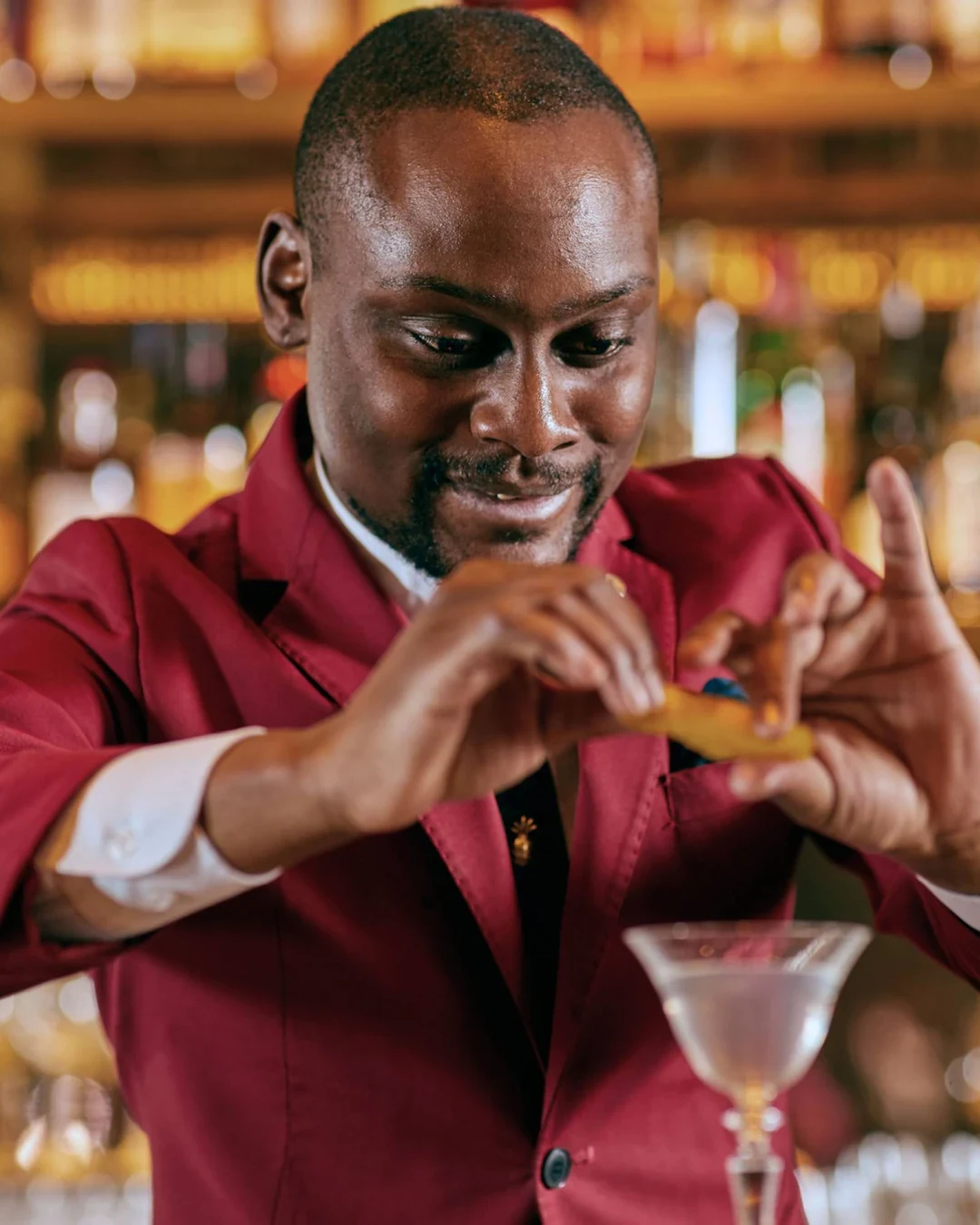
Chef and bar-lead biographies can become a distraction in cocktail writing, especially when every menu is made to sound like a manifesto. The useful point here is simpler: Keith Motsi’s name gives the program an international signal, and that matters in Seoul because the city’s better bars are no longer judged only by local novelty. They are measured against a wider Asian circuit where hotel groups, independent cocktail rooms, and restaurant bars all chase the same informed drinker.
That broader circuit rewards clarity. A bar does not need a long narrative arc to be persuasive; it needs a menu that reads coherently, staff who can direct guests without reciting, and enough confidence to avoid making every drink a spectacle. Seoul’s drinking culture already has depth through soju, makgeolli, beer halls, and late-night dining, so imported cocktail forms have to earn their place. The more convincing programs do not treat the city as a backdrop. They absorb its speed, its appetite for technical detail, and its tolerance for long evenings.
For visitors building a food-led trip, the bar works better when placed around the city’s varied restaurant formats rather than treated as a standalone trophy. Contemporary Korean tasting-menu rooms such as 7th Door (Korean, Contemporary) and 24seasons (Modern Korean) occupy one side of the spectrum; more focused local addresses such as 3rd Samgyetang, 118-5 Banpo-dong, and 10G show how broad the city’s table culture is. A central cocktail stop has value because it can bridge those modes without forcing the evening into a single culinary register.
How to place it in a Seoul itinerary
The strongest use case is not complicated: choose it when the evening needs a composed cocktail room with international service cues and a central-hotel setting. It is a poor fit for travellers chasing alleyway informality or a bar crawl built around maximum novelty. It is a better fit for a controlled start, a post-dinner drink, or a night when the practical advantages of a major hotel matter as much as the glass in front of you.
Seoul rewards this kind of sequencing. A trip might move from palace-area sightseeing into dinner, then finish with a polished cocktail rather than another round of loud late-night drinking. That rhythm is especially useful for visitors balancing restaurant reservations across the city. Planning beyond Seoul can widen the picture: 100.1.Pyeongnaeng in Busan, 88돼지 in 제주시, Abbeyroad in Sokcho-si, ART CORDELIA in Seogwipo-si, Badang Lounge in Jeju, and Baegyangsa Temple in Jangseong-gun underline how varied Korea’s eating and drinking geography becomes once the capital is no longer the only frame.
International readers may also find the category familiar through parallel Japanese and sake-led formats abroad, including Jōdo Saké Bar in Los Angeles and Onigiri Time in Pasadena, though Seoul’s hotel-bar culture has its own rhythm: later evenings, sharper hospitality formality, and a clientele that can move from Korean fine dining to cocktails without changing register. For non-restaurant planning, Our full Seoul wineries guide and Our full Seoul experiences guide help map the rest of the trip around that same central-city logic.
The editorial case for Charles H. is therefore measured rather than breathless. Its value lies in the convergence of a serious craft-cocktail category, a luxury-hotel room, Keith Motsi’s international signal, and 2026 OAD recognition. In a city where drinking can be casual, ceremonial, technical, or all three in one night, this is the polished end of the spectrum: controlled, adult, and useful when the evening calls for precision over noise.
Questions
Frequently asked
Who works at Charles H.?
Made By profiles Keith Motsi (Chef) at Charles H..
How expensive is Charles H.?
Charles H. is listed at a price level of $$$$.
The field
How it compares
| Place | Notes | Awards | Cuisine |
|---|---|---|---|
| Charles H. | Sajik-dong, $$$$ | · | · |
| Alice Cheongdam | Seoul | World's 50 Best | · |
| Bar Cham | Seoul | World's 50 Best | · |
| Le Chamber | Seoul | World's 50 Best | · |
| Maison Jo | Seoul | · | · |
| Soko | Seoul | · | other |