Made ByWinery
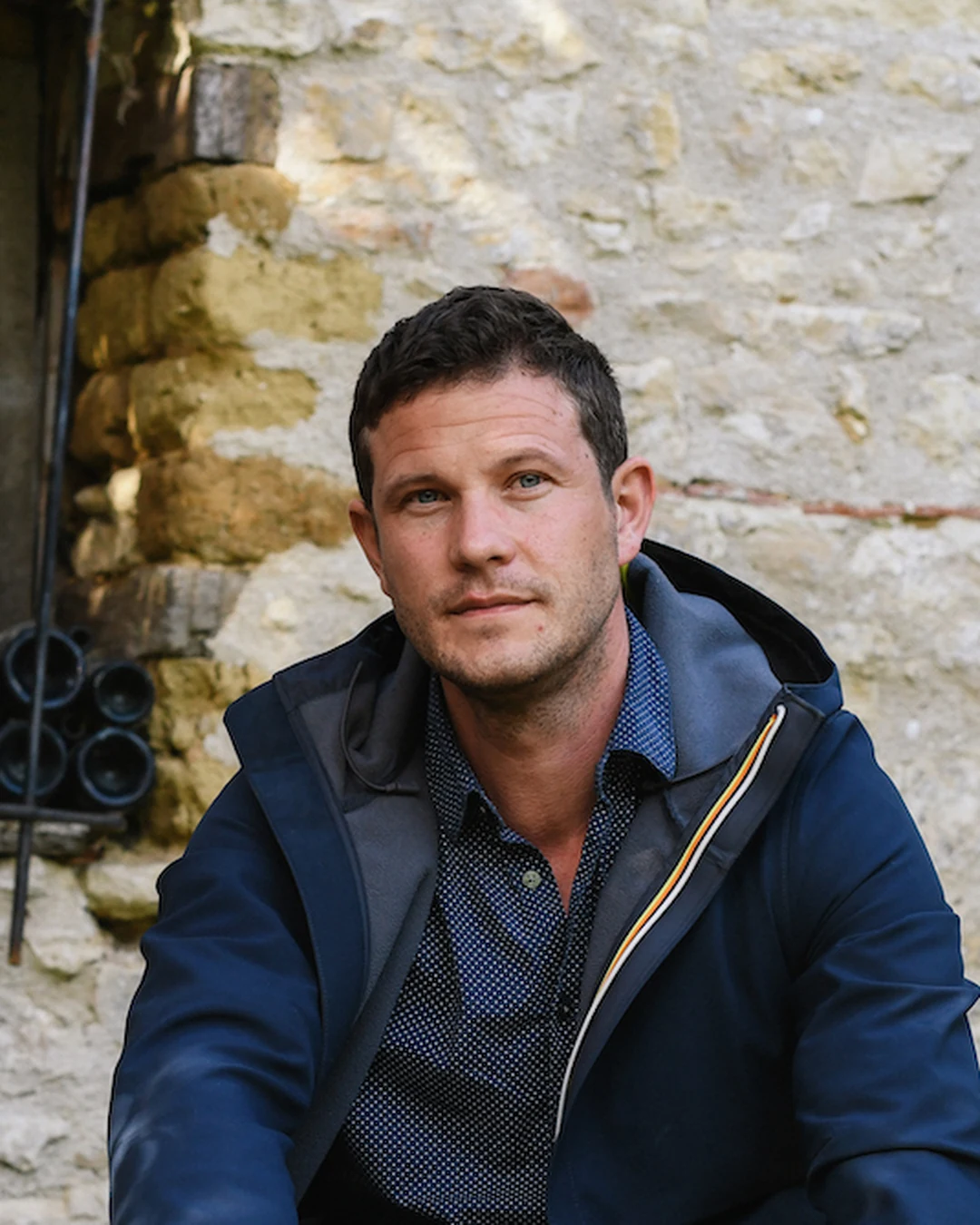
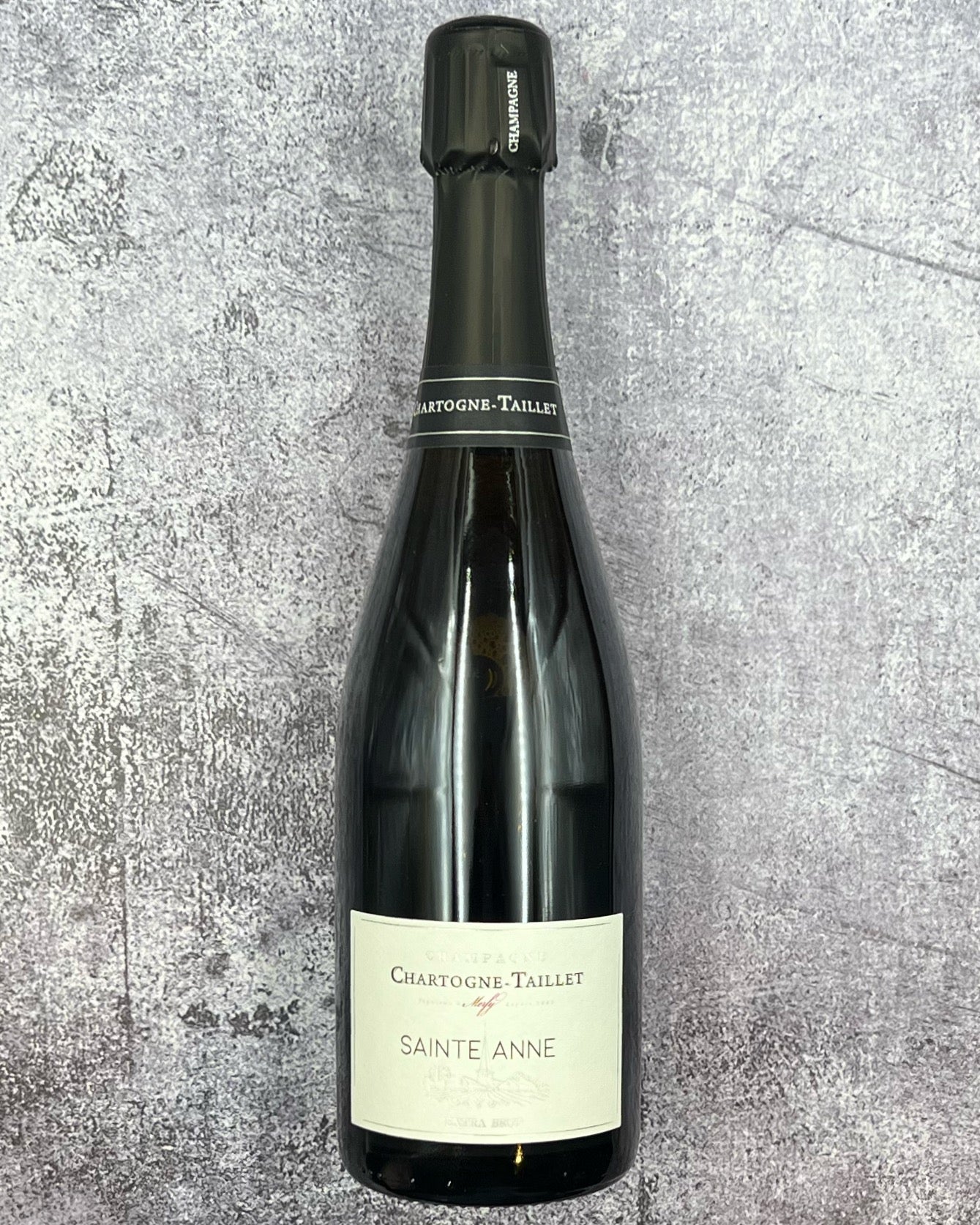
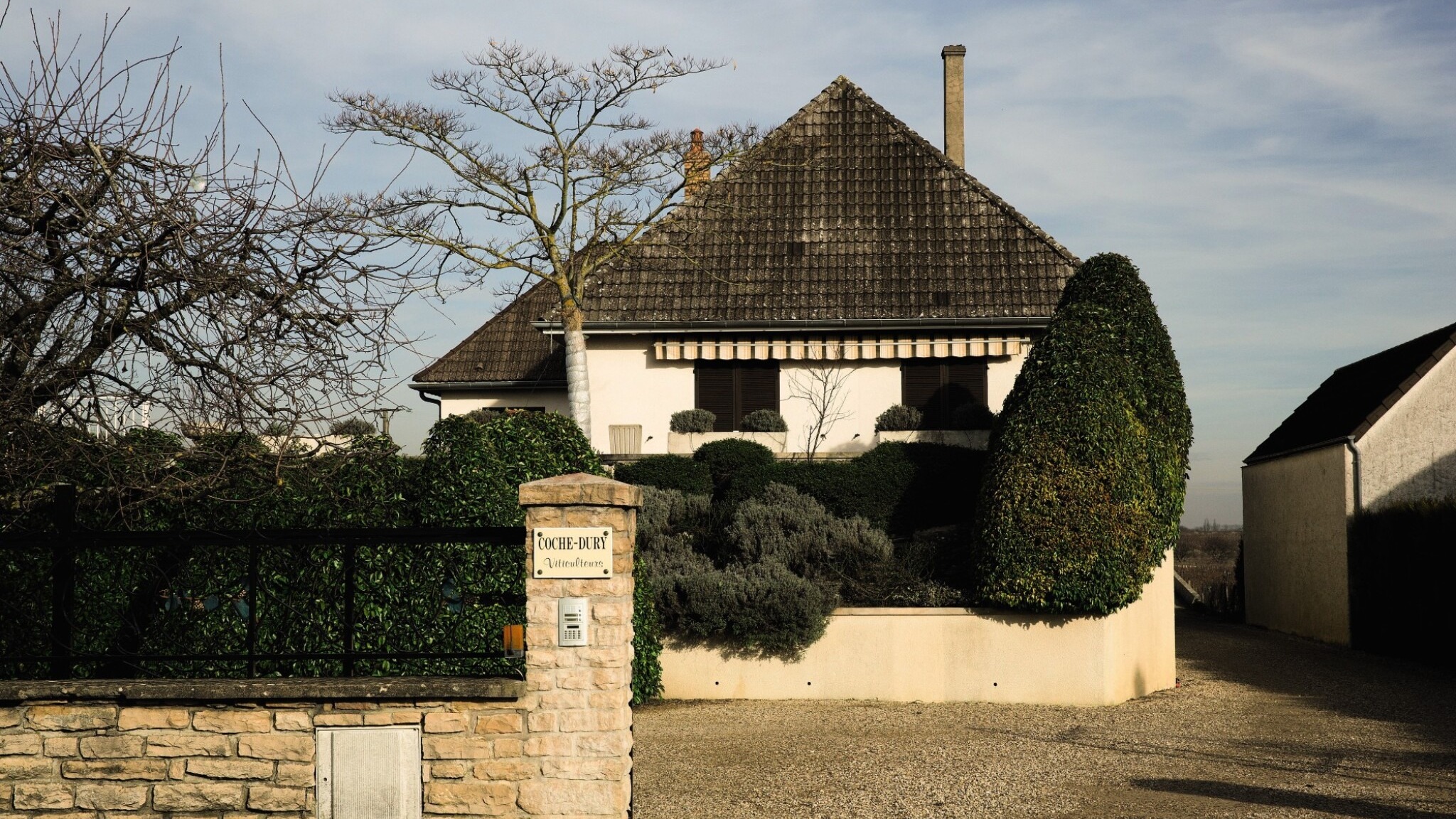
Chartogne Taillet is a grower Champagne house in Merfy, in the northern Montagne de Reims, where winemaker Alexandre Chartogne has been producing single-village and single-parcel cuvées since the family's first vintage in 1988. The estate holds a Pearl 4 Star Prestige rating (2025), placing it among the more closely watched names in the récoltant-manipulant tier of the region.
At a glance
- Price
- $$$
- Neighborhood
- Merfy
<h2>Chalk, Clay, and the Northern Edge of Champagne</h2><p>The village of Merfy sits at the northern fringe of the Montagne de Reims, far enough from the grand cru corridor to be overlooked by casual buyers, close enough to share the same bedrock geology that defines the region's character. This is chalk country, but Merfy's specific pocket adds clay to the equation, a combination that produces wines with a structural weight and aromatic range that pure chalk terroirs sometimes lack. The tension between those two soil types is the central argument of nearly every bottle that leaves this address. Across Champagne, that kind of site-specific conversation has become the basis for the récoltant-manipulant movement's growing credibility, and our full Merfy guide maps where Chartogne Taillet fits within that village context.</p><h2>A House Built on Single-Parcel Ambition</h2><p>Grower Champagne as a category has reorganized itself over the past two decades. Where the early récoltant-manipulant wave traded primarily on authenticity and small-scale production as selling points, the more recent generation has shifted the conversation toward parcel-level specificity: what does this particular plot, on this particular slope, with this particular subsoil expression, actually taste like? Alexandre Chartogne has been making that argument from Merfy since the estate's first vintage in 1988, a timeline that predates the grower Champagne boom by a comfortable margin and gives the house a depth of parcel knowledge that newer entrants are still accumulating. That longevity matters in a region where vine age and producer knowledge compound over decades rather than years.</p><p>The Pearl 4 Star Prestige rating awarded in 2025 places Chartogne Taillet within the upper tier of EP Club's assessed producers, a peer group that includes houses operating at a similar intersection of terroir specificity and production discipline. For context, comparable ratings in the broader French wine canon have gone to estates like <a href="https://www.enprimeurclub.com/wineries/albert-boxler-niedermorschwihr-winery">Albert Boxler in Niedermorschwihr</a>, where a similarly village-anchored approach to Alsatian grand cru parcels produces wines that resist easy categorisation. The shared logic across both is the same: origin specificity over brand legibility.</p><h2>What Merfy's Terroir Actually Does</h2><p>The Montagne de Reims divides loosely into a southern arc, which holds most of the grand cru villages and their heavily leached chalk profiles, and a northern extension where the geology becomes more complex and the altitude changes the ripening curve. Merfy is in that northern zone, and the consequences are audible in the wines. Chalk delivers the tension and mineral precision that Champagne's reputation rests on; clay retains water and moderates ripeness, pulling phenolic development in a different direction and contributing a textural quality that chalk-dominant sites do not produce on their own. The result, across producers who have worked Merfy's parcels over multiple vintages, is Champagne that reads as both linear and broad, precise at the finish but with a mid-palate weight that demands food rather than aperitif treatment.</p><p>That kind of terroir complexity is worth tracking across the broader récoltant-manipulant category. The houses making the most discussed wines from Champagne right now are largely those who can articulate their soil, not just their process. The same logic applies to producers outside the region. <a href="https://www.enprimeurclub.com/wineries/accendo-cellars">Accendo Cellars in St. Helena</a> and <a href="https://www.enprimeurclub.com/wineries/chateau-clinet-pomerol">Château Clinet in Pomerol</a> represent different expressions of the same principle: that wine at this level is inseparable from a specific address, and that address has a geological profile worth understanding before you open the bottle.</p><h2>The Estate in Its Competitive Set</h2><p>Chartogne Taillet sits within the grower Champagne tier, with a reputation built on parcel-focused production over decades. The 1988 first vintage establishes generational depth, and the sustained critical attention the house has received over the following decades means the name carries weight in markets where grower Champagne literacy is high: Japan, the United Kingdom, the United States, and Scandinavia. Allocations at this level tend to flow through specialist importers rather than general wine retail, which shapes how you encounter the wines.</p><p>For collectors building across French appellations, the comparable discipline shown by estates like <a href="https://www.enprimeurclub.com/wineries/chateau-belair-monange-saint-emilion-winery">Château Bélair-Monange in Saint-Emilion</a> and <a href="https://www.enprimeurclub.com/wineries/chateau-branaire-ducru-st-julien">Château Branaire Ducru in St-Julien</a> offers a useful frame. These are houses where the technical ambition is matched by a clearly defined appellation identity, and where the wines' coherence across vintages tells you something meaningful about what the producer actually believes. Chartogne Taillet fits that profile within Champagne's grower tier, where consistent parcel-focused production over decades is rarer than the category's current marketing suggests.</p><h2>Visiting the Address at 39 Grande Rue</h2><p>Merfy is a small agricultural commune roughly ten kilometres north of Reims, accessible by car from the city centre in under twenty minutes. The village has no hospitality infrastructure of its own, no restaurants, no hotels. Visits to Chartogne Taillet at 39 Grande Rue are by appointment only. This is consistent with how most serious grower Champagne houses in the region operate: production is the priority, and tasting appointments are structured accordingly. Travellers planning itineraries around the northern Montagne de Reims are better served treating Merfy as a half-day excursion from Reims, where hotel and restaurant options are extensive, rather than expecting village amenities that do not exist.</p><p>The broader Champagne itinerary benefits from pairing northern Montagne visits with time in contrasting subregions. The Côte des Blancs, south of Épernay, offers a chalk-dominant counterpoint to Merfy's mixed geology, while the Vallée de la Marne provides a Pinot Meunier-heavy alternative that reads differently again. For those building a broader French wine trip, productions like <a href="https://www.enprimeurclub.com/wineries/chateau-bastor-lamontagne">Château Bastor-Lamontagne in Preignac</a>, <a href="https://www.enprimeurclub.com/wineries/chateau-batailley-pauillac-winery">Château Batailley in Pauillac</a>, <a href="https://www.enprimeurclub.com/wineries/chateau-dauzac-labarde-winery">Château Dauzac in Labarde</a>, <a href="https://www.enprimeurclub.com/wineries/chateau-cantemerle-haut-medoc">Château Cantemerle in Haut-Médoc</a>, <a href="https://www.enprimeurclub.com/wineries/chateau-boyd-cantenac-cantenac-winery">Château Boyd-Cantenac in Cantenac</a>, and <a href="https://www.enprimeurclub.com/wineries/chateau-d-arche-sauternes-winery">Château d'Arche in Sauternes</a> form a Bordeaux spine that covers the major appellation typologies, while <a href="https://www.enprimeurclub.com/wineries/chartreuse-voiron-winery">Chartreuse in Voiron</a> and <a href="https://www.enprimeurclub.com/wineries/chateau-desclans">Château d'Esclans in Courthézon</a> extend the itinerary into the southern arc. And for Scotch alongside French wine, <a href="https://www.enprimeurclub.com/wineries/aberlour-aberlour-winery">Aberlour in Aberlour</a> offers a distillery visit in a completely different register.</p>
Know before you go
- Dress code
- smart_casual
- Reservations
- appointment_only
- Parking
- street
Frequently asked
Is Chartogne Taillet more low-key or high-energy?
Chartogne Taillet operates as a small agricultural domaine in Merfy, a quiet commune roughly ten kilometres north of Reims. The address at 39 Grande Rue reflects the working-estate character of grower Champagne production — production-focused rather than hospitality-oriented. Expect a producer visit atmosphere, not a tasting-room spectacle.
What recognition does Chartogne Taillet have?
Chartogne Taillet has received recognition including: Pearl 4 Star Prestige (2025).
What wine is Chartogne Taillet famous for?
The house built its reputation on single-parcel Champagnes that express the clay-and-chalk soils of Merfy's northern Montagne de Reims position, an area distinct from the grand cru corridor further south. Winemaker Alexandre Chartogne has been the driving force behind a range that prioritises site specificity over house-style blending. The estate's 2025 Pearl 4 Star Prestige award reflects where the wider trade currently places this work.
Where exactly is Chartogne Taillet?
Chartogne Taillet is located at 39 Gr Grande Rue, 51220 Merfy, Merfy.
What's the standout thing about Chartogne Taillet?
The combination of a genuinely marginal terroir — Merfy sits outside the standard grand cru map — and a winemaker, Alexandre Chartogne, who has chosen to amplify rather than correct that difference. The Pearl 4 Star Prestige rating for 2025 confirms the approach has moved well past niche curiosity into the serious grower tier.
Do I need a reservation for Chartogne Taillet?
As a small grower domaine in Merfy rather than a commercial tasting facility, visits to the estate at 39 Grande Rue are not walk-in arrangements. Contact ahead directly to confirm availability; no public booking link or phone number is currently listed for the property.
Address
39 Gr Grande Rue, 51220 Merfy
Merfy · Champagne
How it compares
- Cuisine
- Pinot Noir, Chardonnay
- Price
- $$$
- Awards
- 1 recognition
- Notes
- Merfy
- Cuisine
- Chardonnay, Pinot Noir
- Price
- $$$
- Awards
- 1 recognition
- Notes
- Dizy
- Cuisine
- Chardonnay, Pinot Noir
- Price
- $$$
- Awards
- 1 recognition
- Notes
- Épernay
- Cuisine
- Chardonnay, Pinot Noir
- Price
- $$$
- Awards
- 1 recognition
- Notes
- Avenue de Champagne
- Cuisine
- Chardonnay, Pinot Noir
- Price
- $$$
- Awards
- 1 recognition
- Notes
- South of Reims city centre
- Cuisine
- Chardonnay
- Price
- $$$
- Awards
- 1 recognition
- Notes
- Chablis