Bas Armagnac aged on estate
- Falstaff Winery - Listed · 2026
- Pearl 2 Star Prestige · 2025
Estate and cellar on the same ground
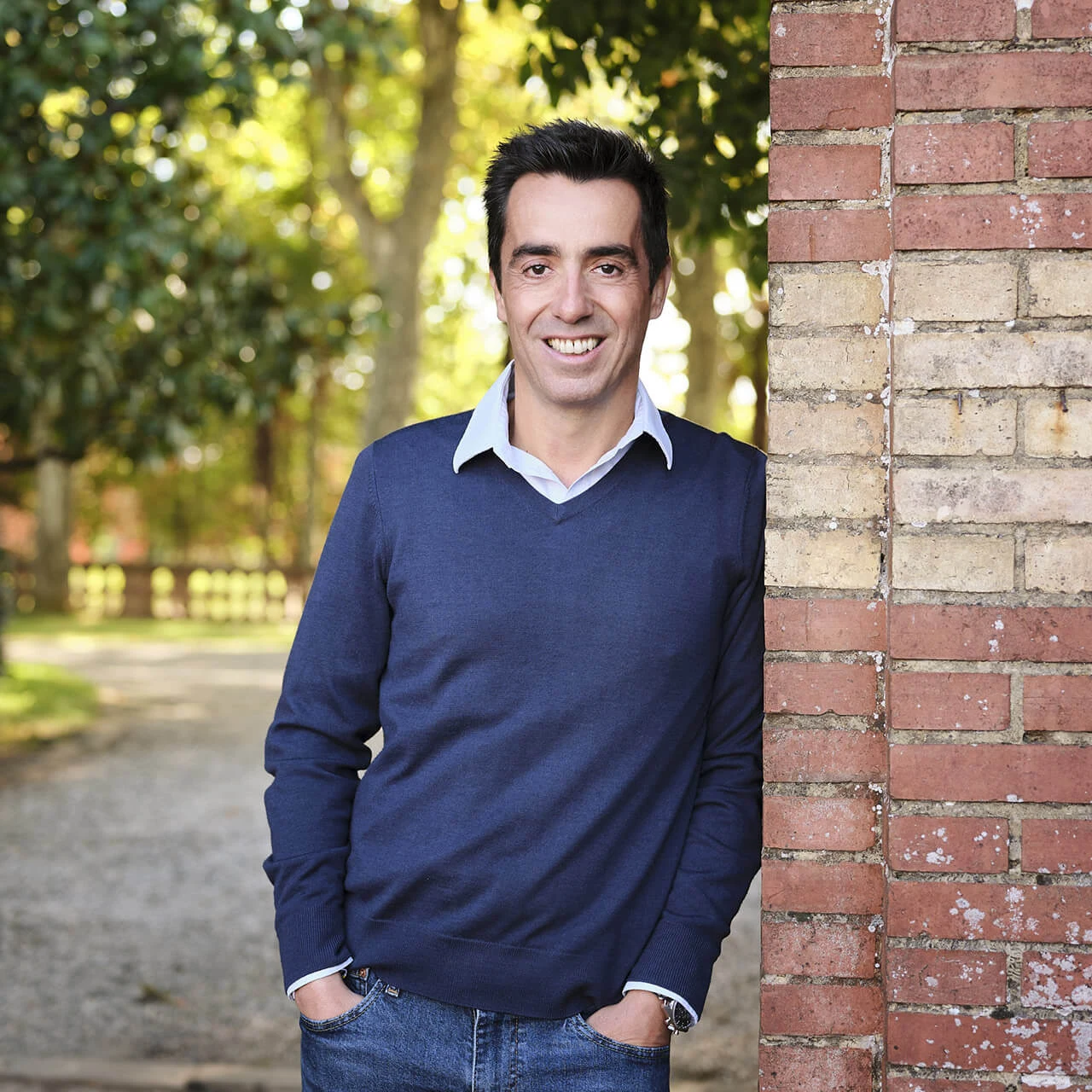
The cellar work stays beside the vines as François Laura, winemaker at Château de Laubade in Sorbets, directs the estate from the Bas Armagnac site itself. His station is not separated from the agricultural work that feeds it. Estate management, winegrowing, and the cellar sit inside one operation, on one family property in the Gers, where the château, vineyard, and aging cellars belong to the same daily circuit.
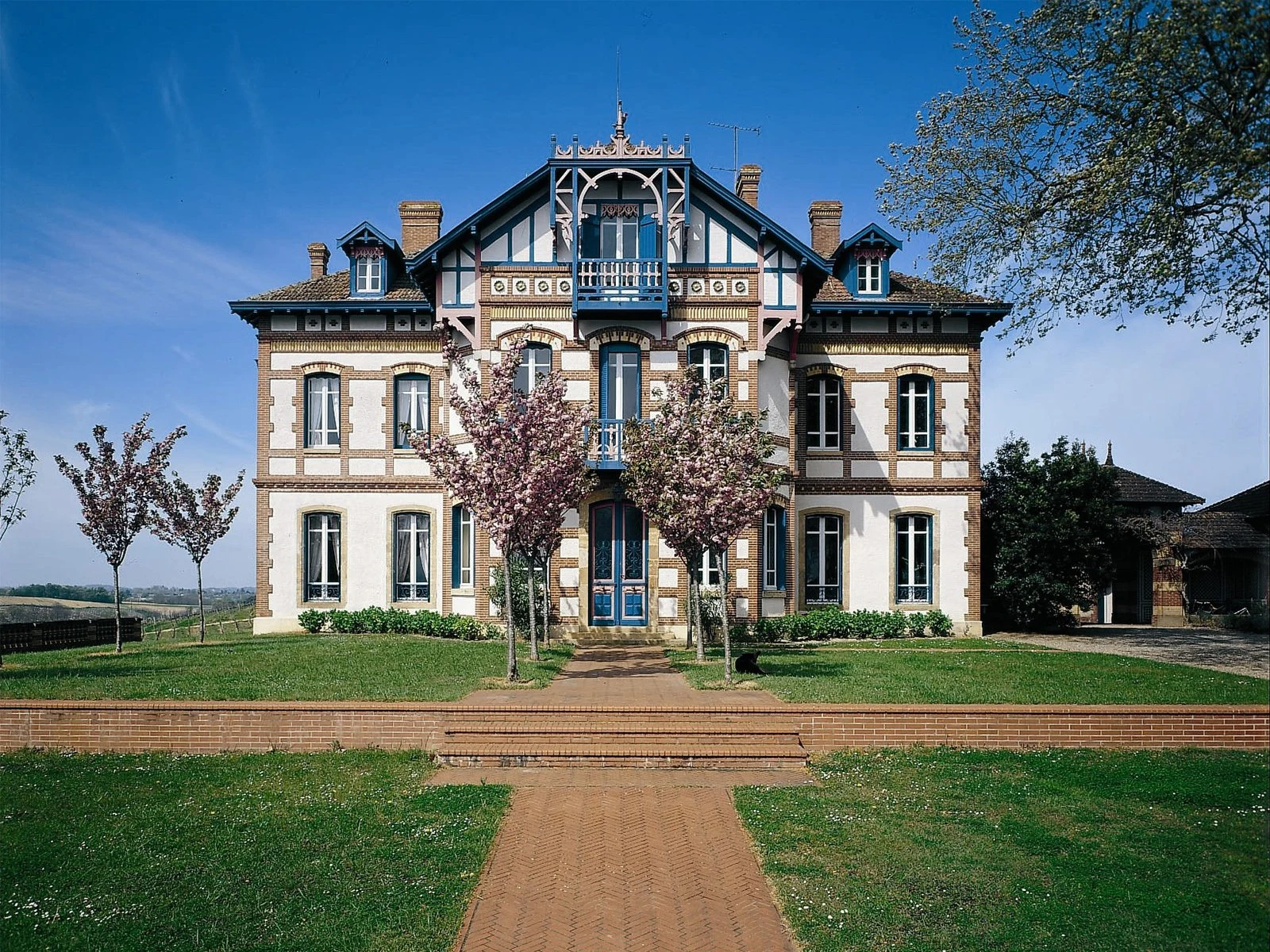
Laura’s named role here is both directorial and bench-side: he leads the Sorbets property as Estate Director and is also described at the estate as Cellar Master. That double position matters at a house built around Armagnac, because decisions in the vines do not remain abstract once the wine is destined for long aging. The work asks for continuity between field, cellar, and cask. Château de Laubade’s own scale gives that continuity a physical shape: a single estate of 105 hectares, planted in Bas Armagnac and worked around the historic 1870 château. The house names Ugni Blanc, Baco, Colombard, and Folle Blanche among its varieties, a practical quartet for a spirit whose character begins before distillation, in acidity, texture, and the discipline of the base wine.
A Bas Armagnac program held in house
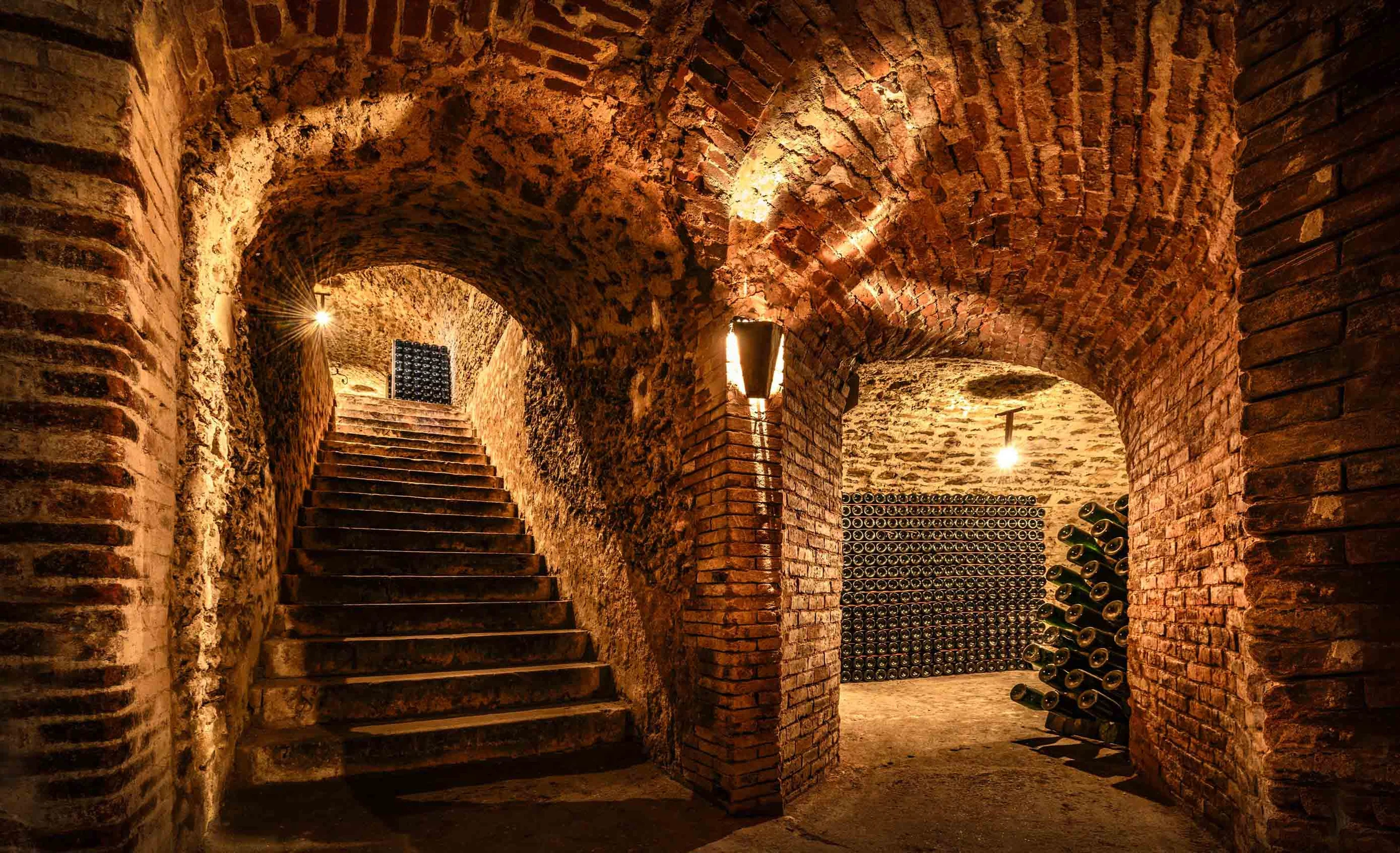
Château de Laubade describes its production philosophy as sustainable, and the estate’s structure keeps much of the method close. The property is known for on-site cooperage, an uncommon point of control in a category where wood is not a backdrop but part of the language. Casks, cellars, and time make a second agriculture after harvest, one measured less by immediacy than by patience and selection.
The estate’s signature named expression is Intemporel 12 ANS, a bottling that places age directly on the label rather than asking the drinker to read around it. That number gives the cellar a plain grammar. It says that the spirit has crossed more than a season, more than a vintage, more than the enthusiasm of release.
The château, the vineyard, the quiet cellar
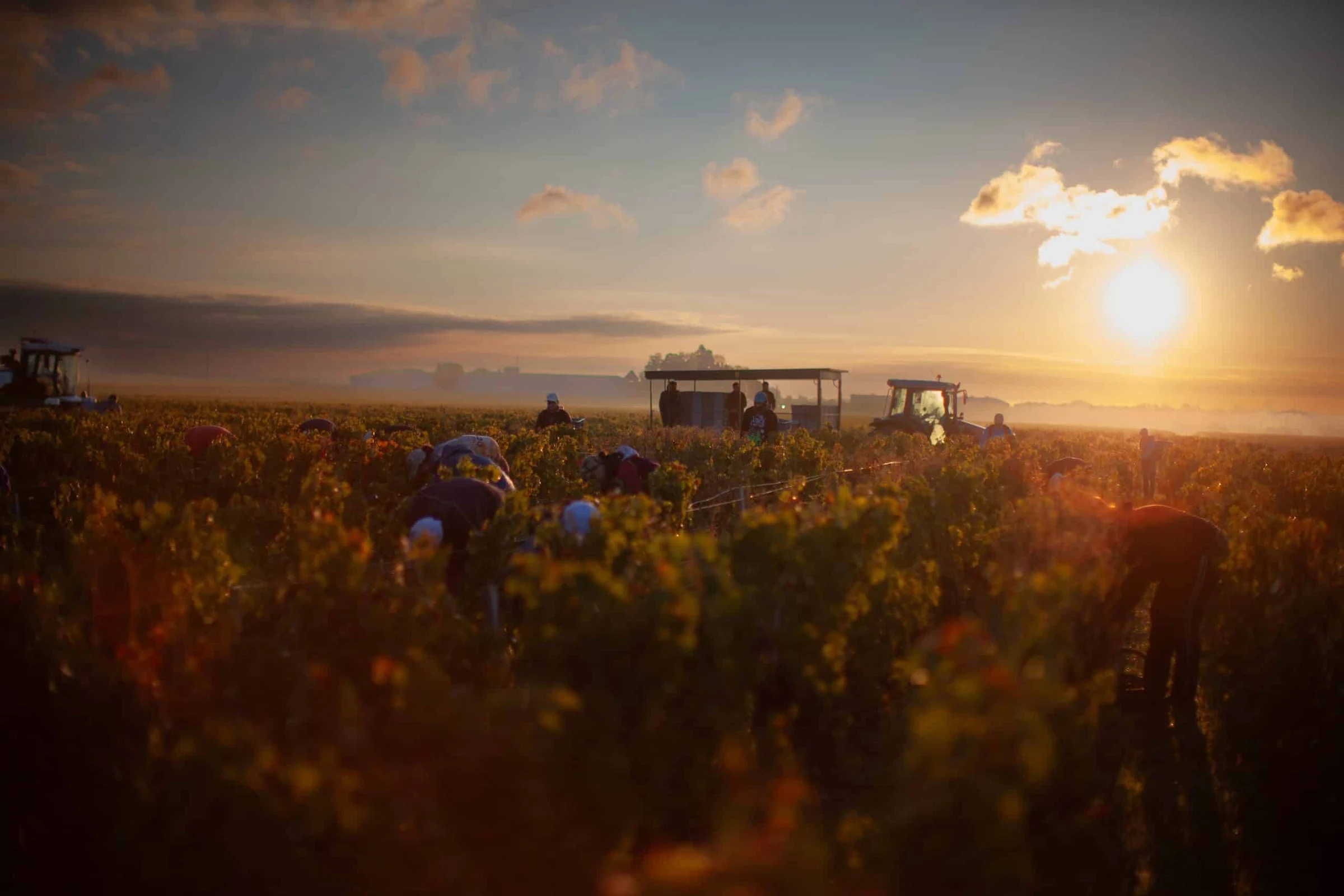
The place carries itself as a working mansion rather than a display room. Around the 1870 château, the vineyard sets the pace before the cellar takes over, and the atmosphere stays quiet enough for the craft to read through small things: the movement between rows and buildings, the shaded pull of aging rooms, the sense of a family property organized around production rather than spectacle.
In the tasting room, the encounter is with Armagnac from the estate rather than a broad portfolio assembled from elsewhere. The room’s elegance comes from proportion and age, not from gloss. Bas Armagnac is present as setting and method: the Gers landscape outside, the varieties in the ground, the cellars nearby, and Laura’s work binding the property to the spirit it releases. In the cellar here, Intemporel 12 ANS gives Château de Laubade its measure of time.
Questions
Frequently asked
Who runs Château de Laubade?
François Laura directs the Sorbets property as Estate Director and is also described there as Cellar Master.
What is Château de Laubade known for?
The estate works as a single operation with the vineyard, château, aging cellars, and on-site cooperage all on the same family property in Bas Armagnac.
What varieties are grown there?
Château de Laubade names Ugni Blanc, Baco, Colombard, and Folle Blanche among its varieties.
What bottle is singled out by the estate?
The estate’s signature named expression is Intemporel 12 ANS.
The field
How it compares
| Place | Notes | Awards |
|---|---|---|
| Château de Laubade | Sorbets, $$$ | · |
| Champagne Salon | Le Mesnil-sur-Oger | · |
| Château Cos d'Estournel | Saint-Estèphe | World's 50 Best |
| Creation Wines | Hermanus | World's 50 Best |
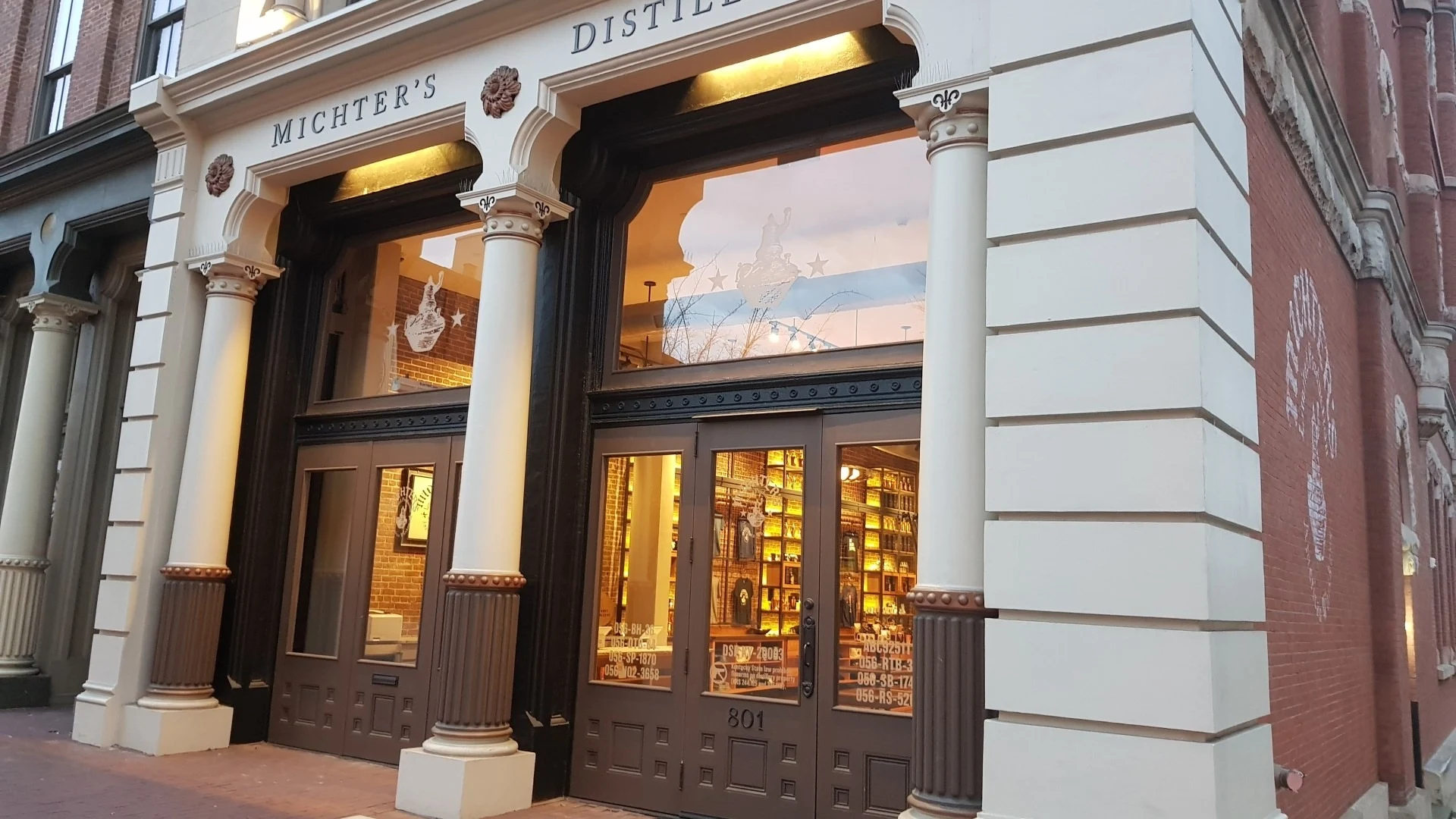
| Michter's | Louisville | · |
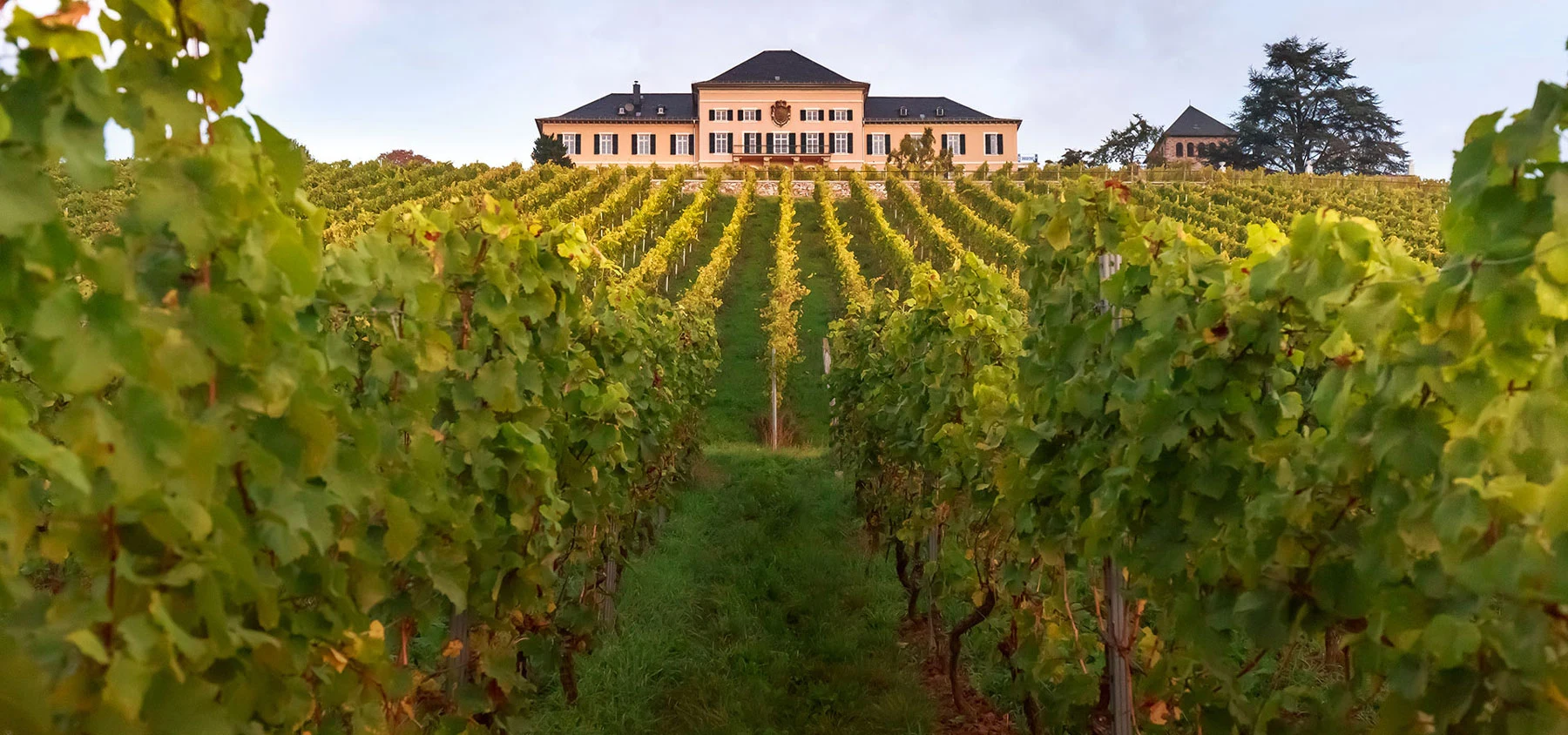
| Schloss Johannisberg | Geisenheim-Johannisberg | World's 50 Best |
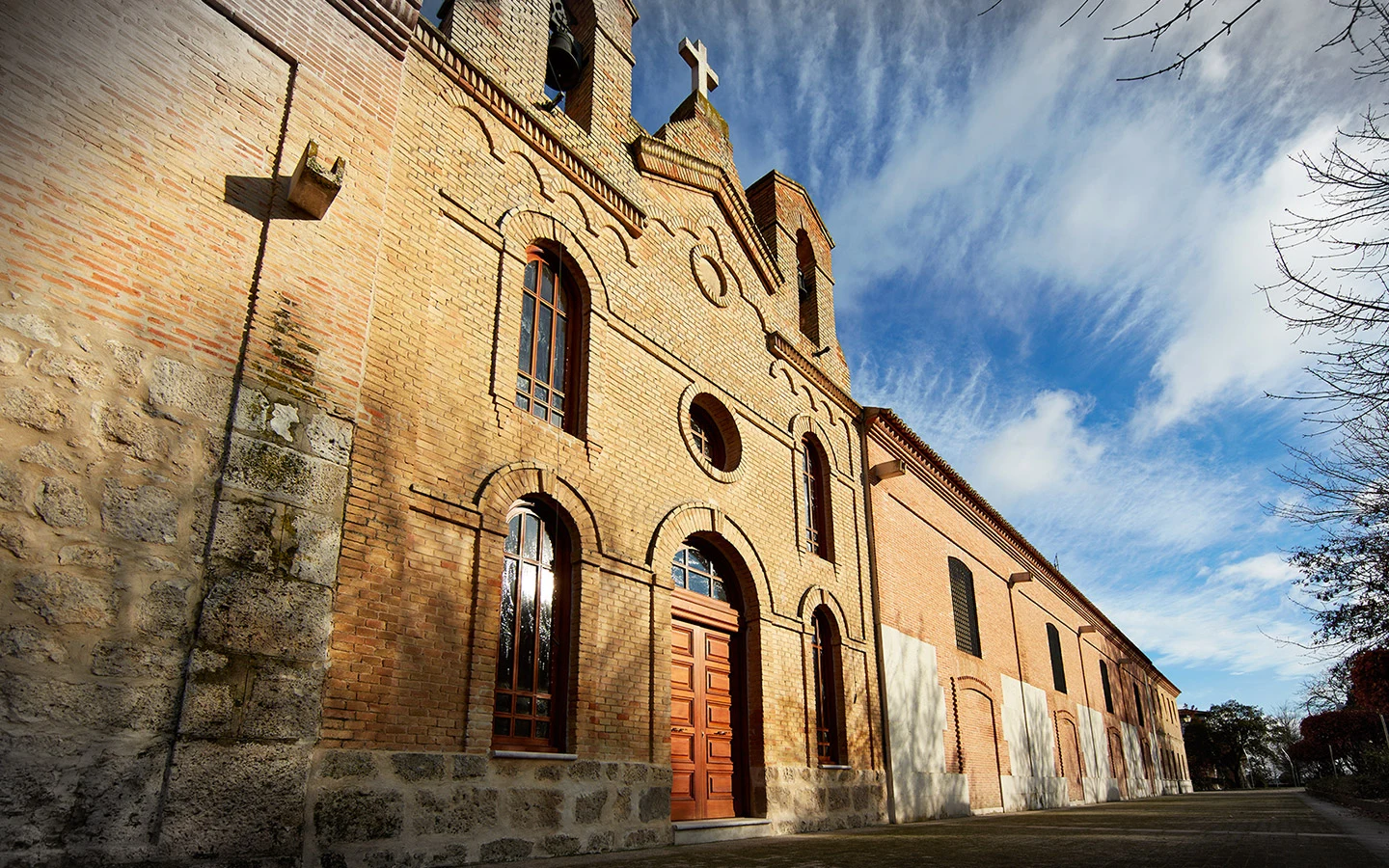
| Vega Sicilia | Valbuena de Duero | · |