Château Langoa-Barton
In Residence
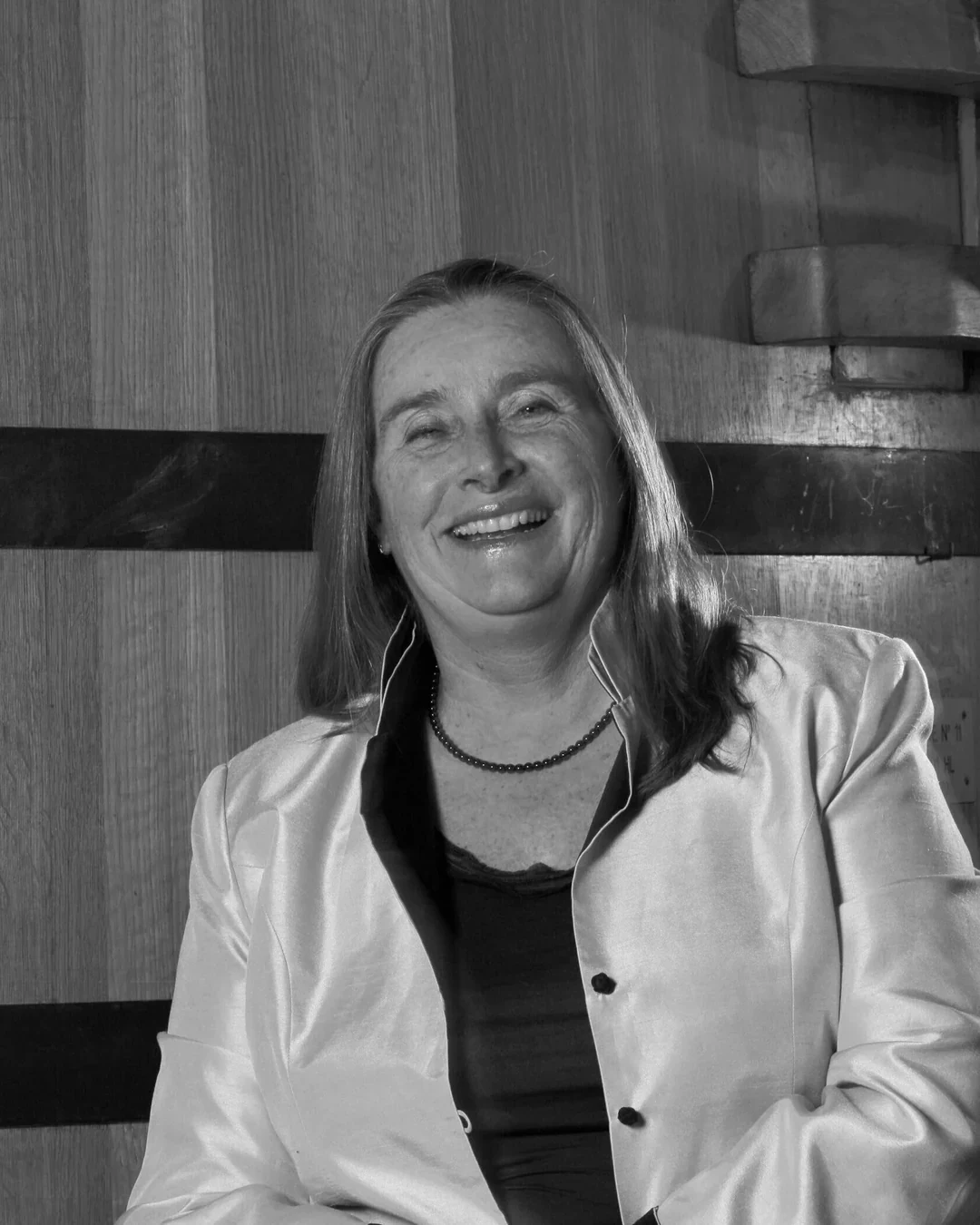
Lilian Barton Sartorius
Winemaker
- 01CitySaint-Julien-Beychevelle, France
Gravity-fed Saint-Julien cellar work
- Falstaff Winery - Listed · 2026
- Michelin 1 Grape · 2026
- Pearl 2 Star Prestige · 2025
The Barton hand in the cellar
The cellar work turns on continuity, not novelty, under Lilian Barton Sartorius, winemaker at Château Langoa-Barton in Saint-Julien-Beychevelle. Her station sits inside a family wine line where the practical work of the vineyard, the cellar, and the trade stays close to hand. The estate is one of the few 1855 Classified Growths still held by the same family, and that fact matters here because it is not treated as display. It is a working inheritance.
Barton Sartorius came through the family business from 1980, helping set up Les Vins Fins Anthony Barton and learning the pressure of wine as a daily trade before carrying a wider remit across the holdings. At Langoa-Barton, her role as president and winemaker asks for repetition under changing weather, especially when frost turns the fixed calendar into something more urgent. She has described the load without ceremony: “I'm collecting lots of jobs these days.” The line that follows tells more about the discipline of the place than any polished motto could: “So it's a good thing I have people here who know how to make wine.”
Saint-Julien fruit, kept to the long method
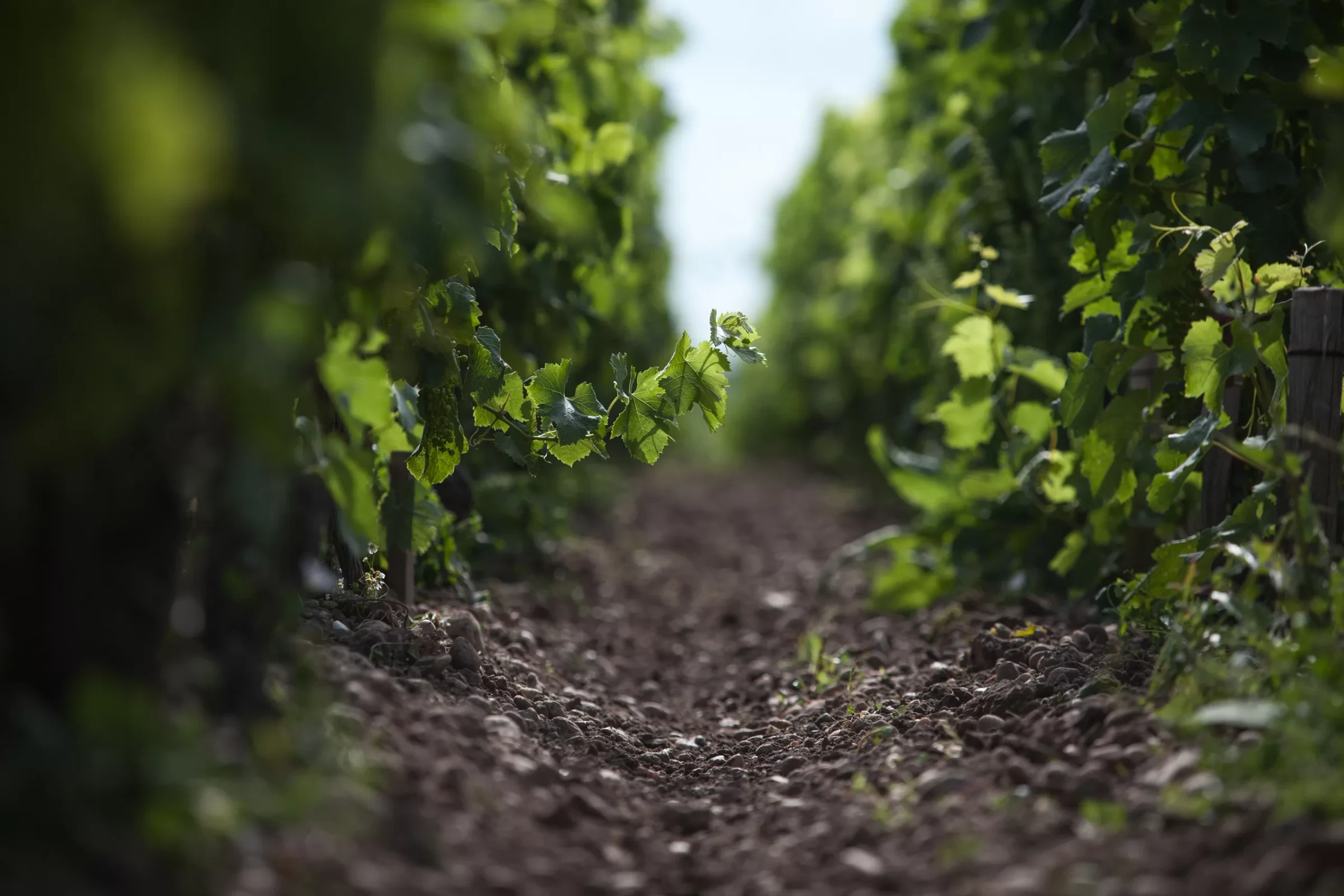
The wine focus is still red Saint-Julien AOC, built from Cabernet Sauvignon, Merlot, and Cabernet Franc. The estate works at small to medium scale, with approximately 7,500 cases annually from 18-20 hectares of vineyard. Those figures set the tempo: enough wine to require a serious cellar, not so much that the work loses the feel of an estate.
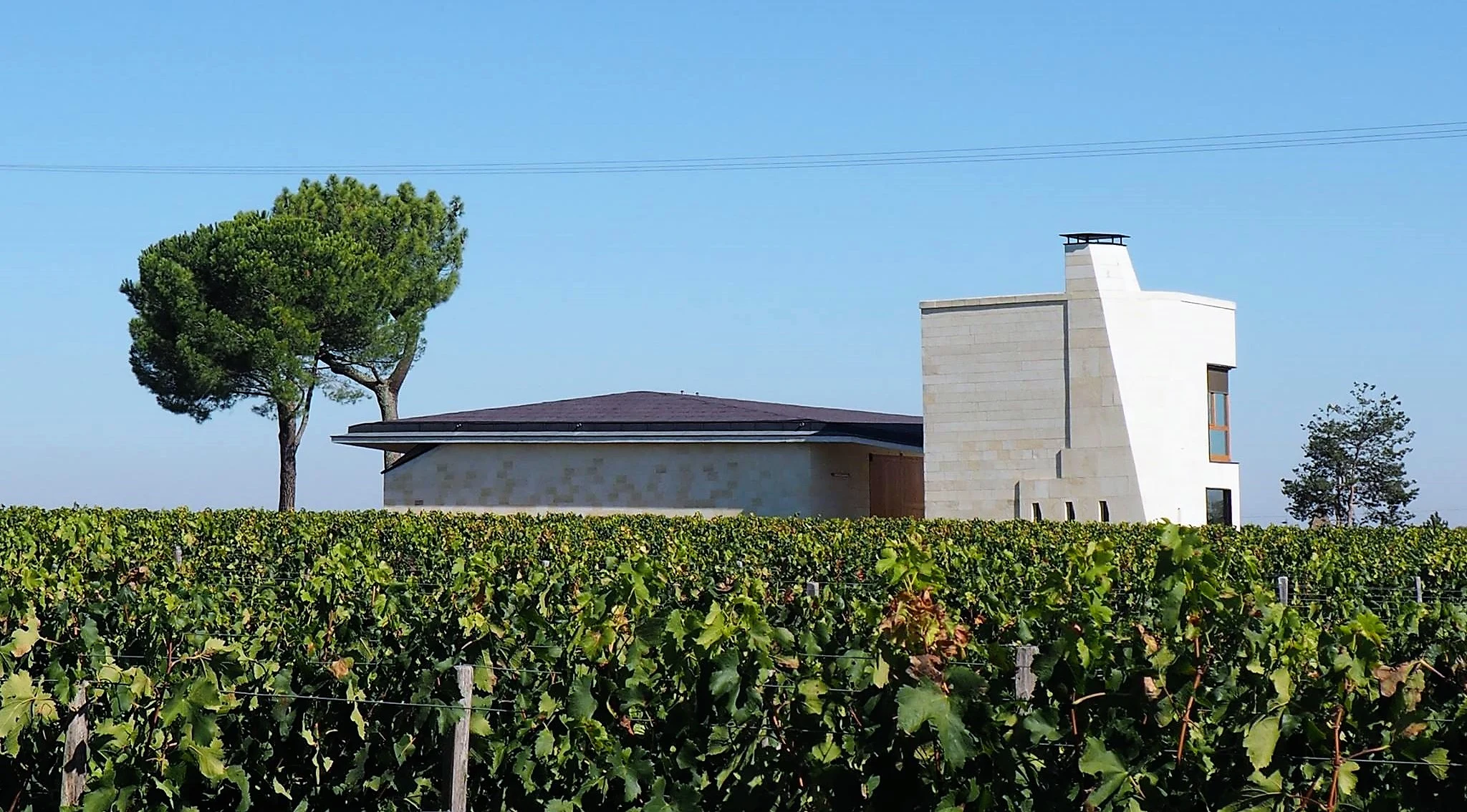
The facilities now include a gravity-fed winery completed in 2022, a practical change in the way fruit and juice can move through the house. The older measure of scale is larger and more theatrical, though still functional: cellars said to be large enough for 8-10,000 hogsheads and 500,000 bottles of wine. Appellation, varieties, vineyard size, cellar capacity, and a family still in post are the working vocabulary here. The method is conventional, but the discipline is not casual.
Gardens before the tasting room
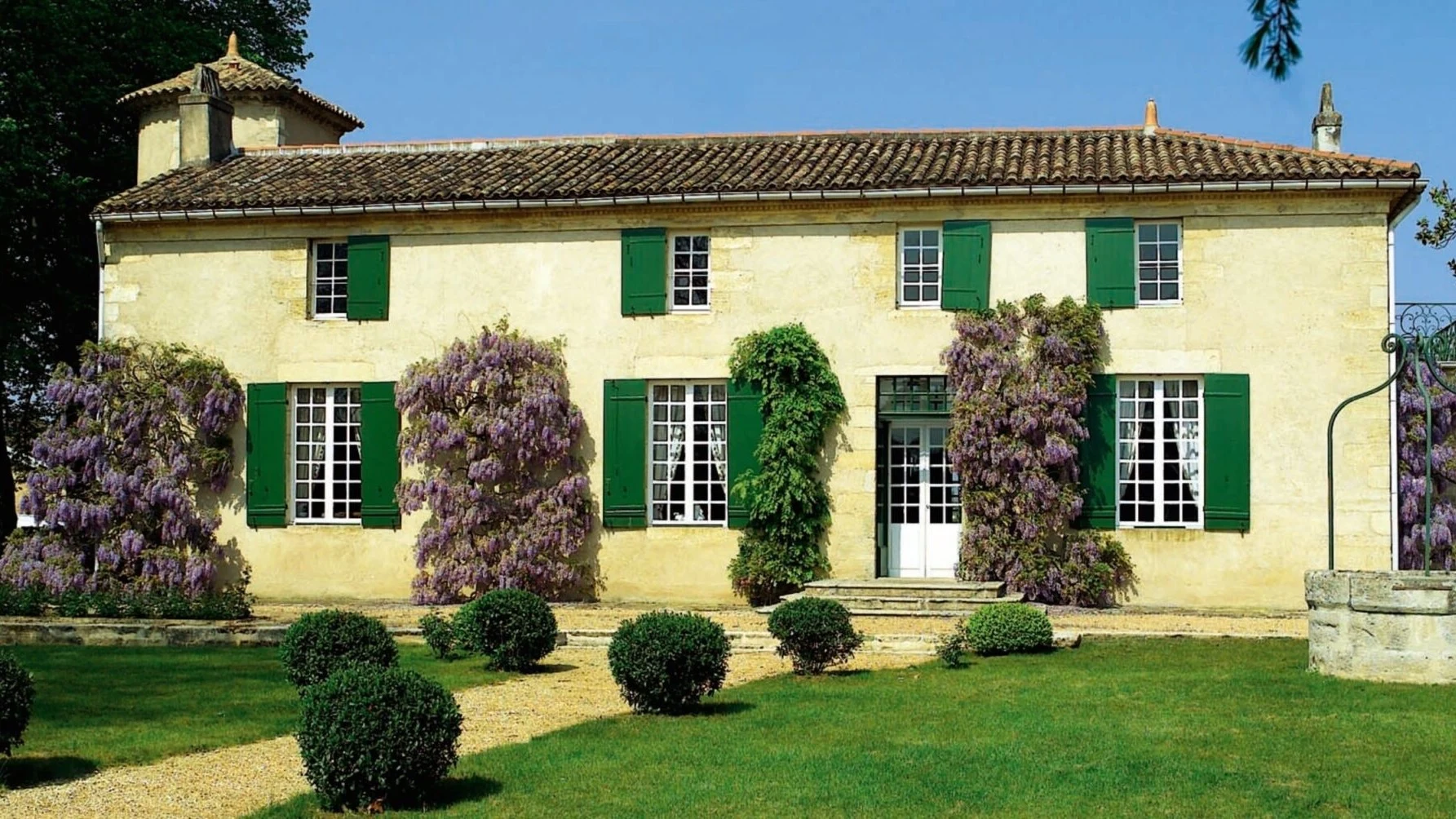
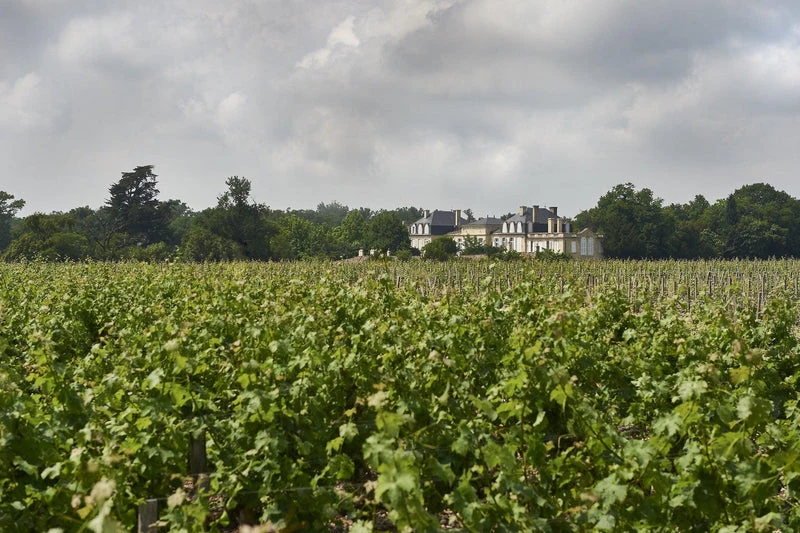
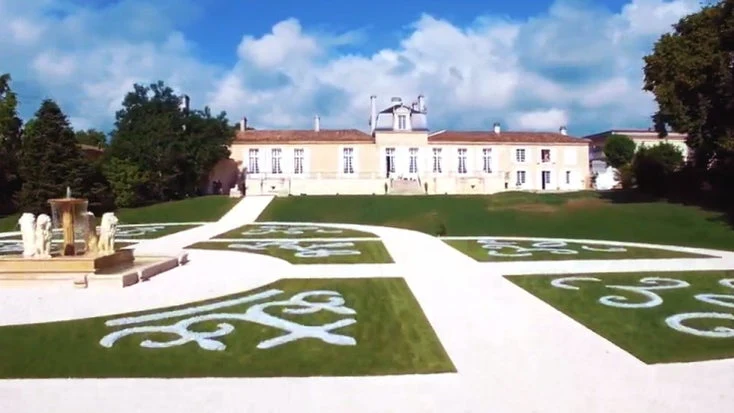
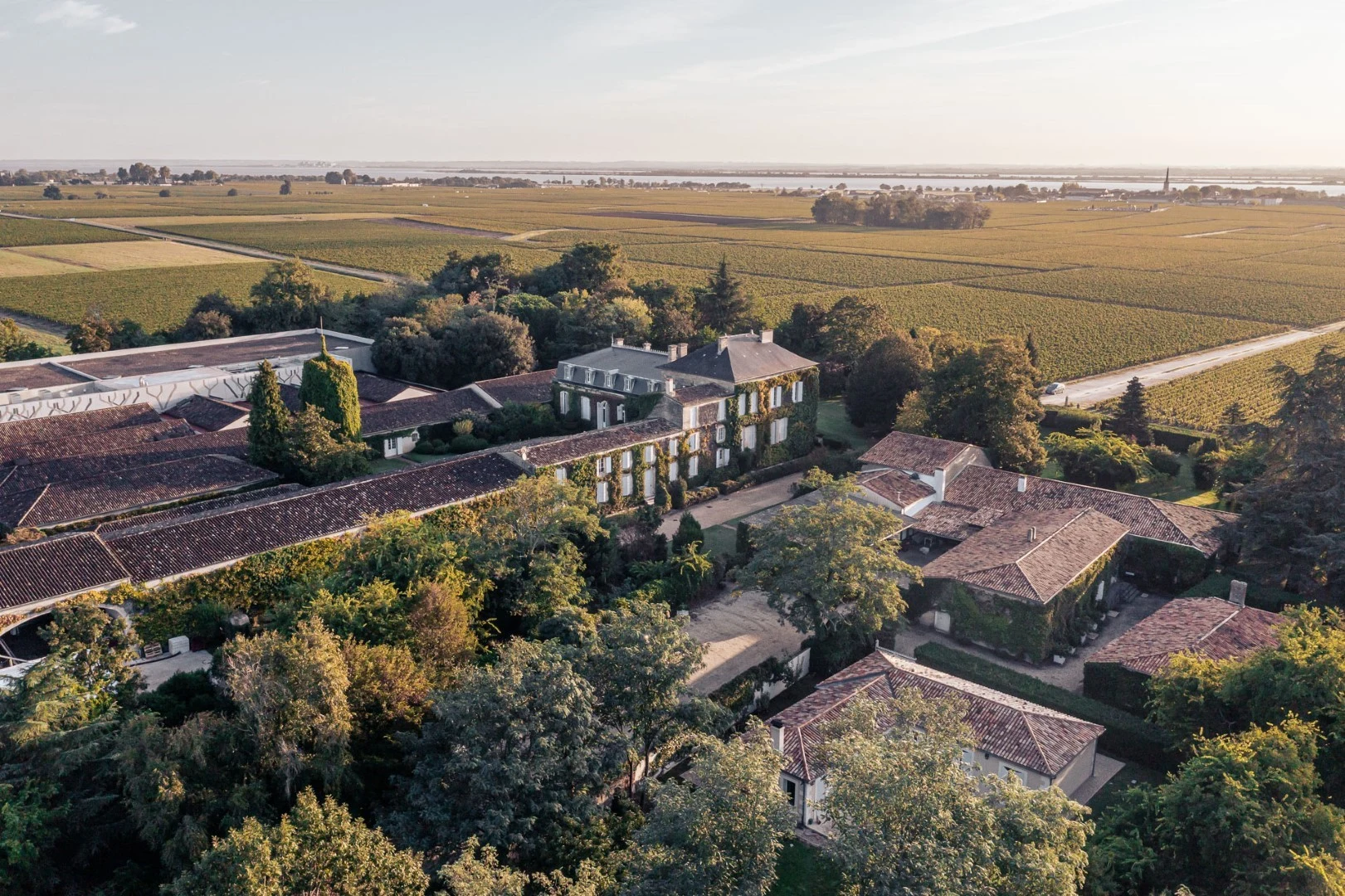
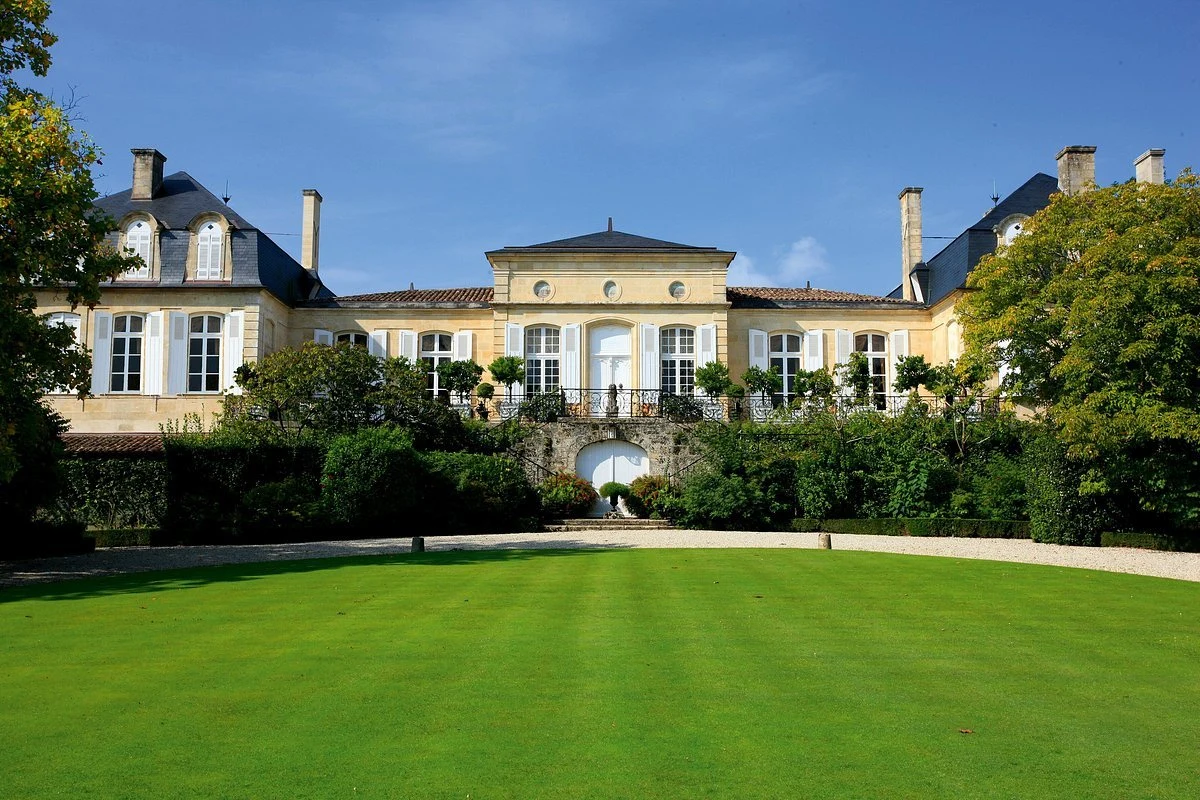
The approach to the cellar passes through a château landscape rather than a bare production yard. The house dates to 1755, and the setting keeps that older order visible: manicured gardens, fruit trees, roses, and the composed quiet of Saint-Julien-Beychevelle. The atmosphere is welcoming and refined without turning the wine into theatre. Guides lead cellar and vineyard tours, and the room holds a conversational register, the right pitch for vertical tastings and vintage tastings where the glass needs time.
Inside, the place reads as a family estate with working scale behind it. The tasting room, the vineyard, and the cellar are not separate stories; they are the same program seen from different distances. The 2022 gravity-fed winery changed the house without changing its centre.
Questions
Frequently asked
Who is behind the cellar at Château Langoa-Barton?
Lilian Barton Sartorius is the winemaker and president at Château Langoa-Barton. The estate remains in the Barton family, and that continuity is central to how the place works.
What kind of wine does Château Langoa-Barton make?
The estate focuses on red Saint-Julien AOC wine, built from Cabernet Sauvignon, Merlot, and Cabernet Franc. It produces approximately 7,500 cases a year from 18 to 20 hectares of vineyard.
What is the visiting format?
Visits are by appointment only. Guides lead cellar and vineyard tours, and the tasting room is used for vertical tastings and vintage tastings.
What should visitors know before coming?
The dress code is smart casual. The estate sits in Saint-Julien-Beychevelle at Château Langoa Barton, 33250 Saint-Julien-Beychevelle.
What makes the estate notable in Bordeaux?
Château Langoa-Barton is one of the few 1855 Classified Growths still held by the same family. The house dates to 1755, and the cellar work is shaped by continuity rather than novelty.
The field
How it compares
| Place | Notes |
|---|---|
| Château Langoa-Barton | Saint-Julien-Beychevelle, $$$ |
| Château Beychevelle | Saint-Julien-Beychevelle |
| Château Doisy-Védrines | Saint-Julien-Beychevelle |
| Chateau Le Pin | Saint-Julien-Beychevelle |
| Château Léoville Barton | Saint-Julien-Beychevelle |
| Chateau Leoville Las Cases | Saint-Julien-Beychevelle |
| Château Talbot | Saint-Julien-Beychevelle |
In residence
Similar places
Château Beychevelle
Saint-Julien-Beychevelle, France
Château Doisy-Védrines
Saint-Julien-Beychevelle, France
Chateau Le Pin
Saint-Julien-Beychevelle, France
Château Léoville Barton
Saint-Julien-Beychevelle, France
Chateau Leoville Las Cases
Saint-Julien-Beychevelle, France
Château Talbot
Saint-Julien-Beychevelle, France