Chengdu Gourmet
In Residence
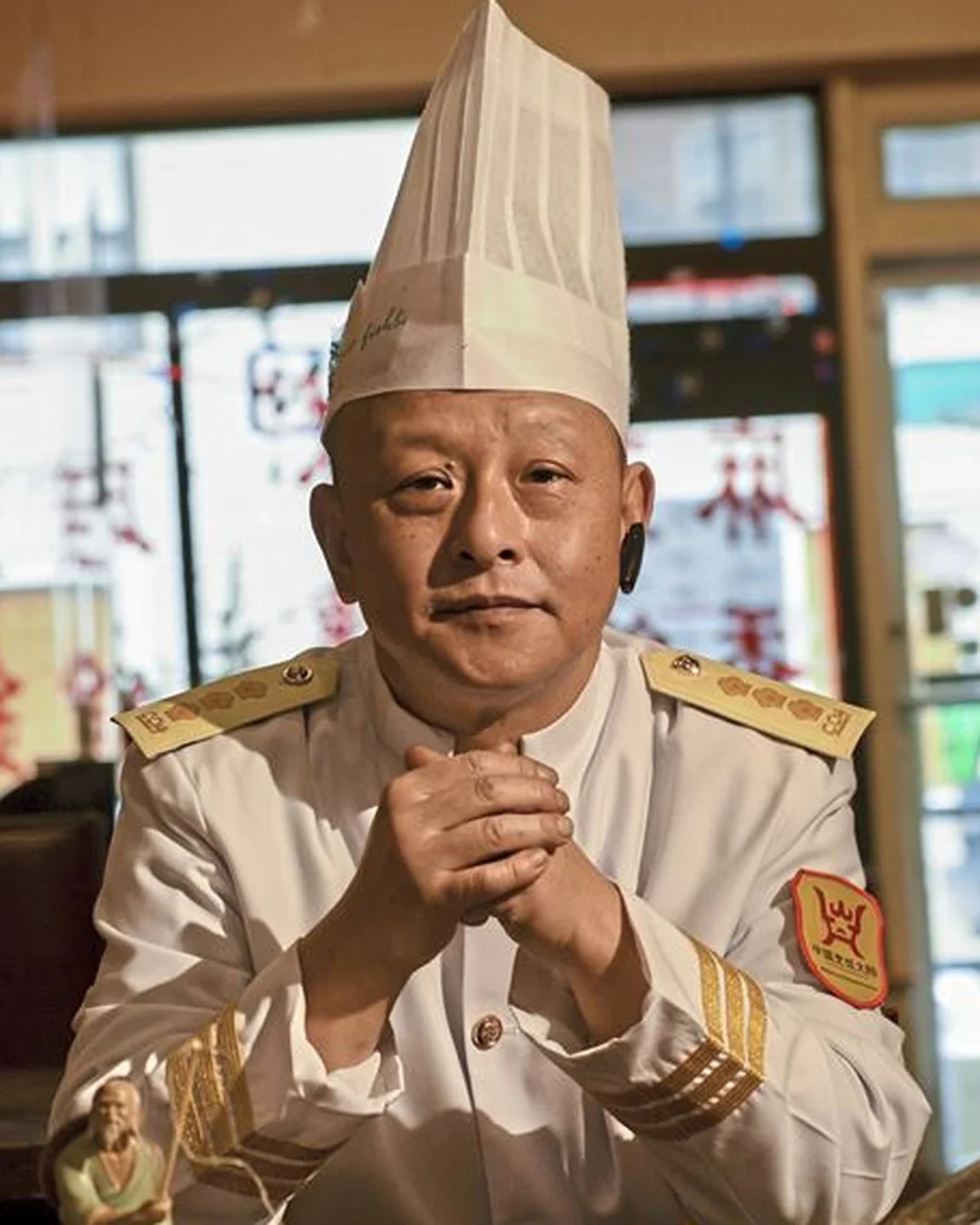
Wei Zhu
Chef
- 01CuisineAuthentic Sichuan Chinese
- 02CityPittsburgh, United States
- 03RecognitionJames Beard Award
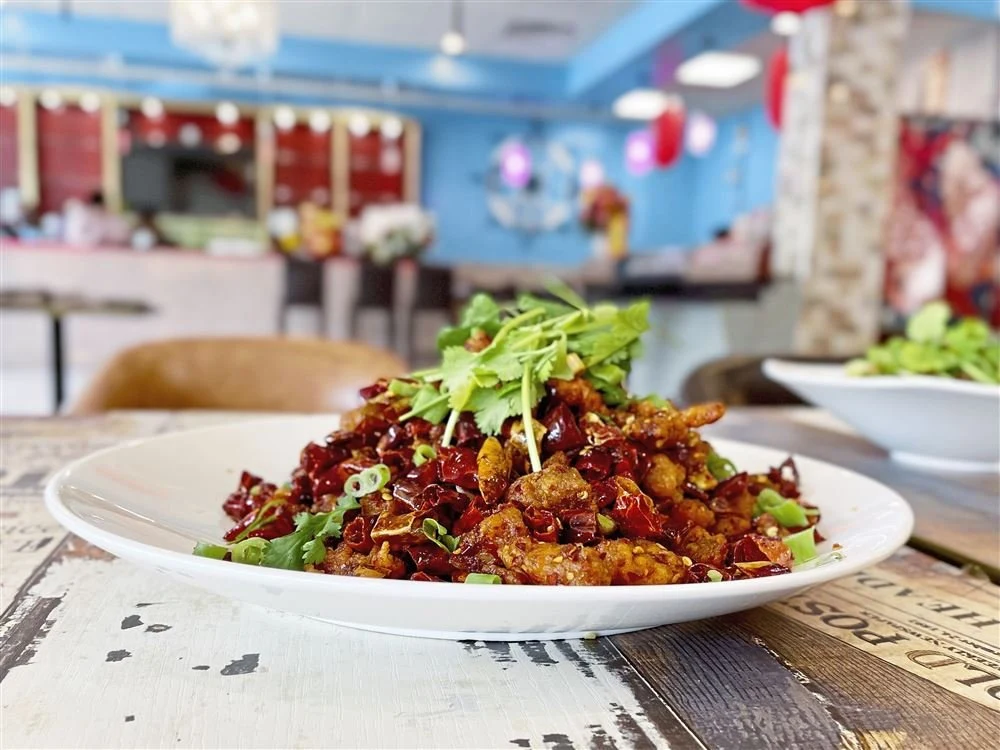
Sichuan heat from Zhu's pass
- James Beard Winner · James Beard Foundation
- James Beard Award Semi Finalist · 2025
Mapo tofu at the center of the table
The mapo tofu lands hot, built for sharing, while Wei Zhu, Chef at Chengdu Gourmet in Pittsburgh, keeps the Squirrel Hill kitchen tied to Sichuan structure rather than ornament. His path to this pass runs through Szechuan Gourmet on Murray Avenue, where work as a cook, baker, and chef gave him the practical base that still shows in the food now. The lineage is not dressed up as a story of reinvention. It is dish-by-dish discipline, carried from repetition into ownership, with the kitchen and the operation held in the same hands.
Zhu's cooking keeps the classic register legible: heat, savor, numbing spice, cumin, pork fat, fermented depth, and the clean lift that stops a plate from turning heavy. Chengdu Gourmet is casual in service and generous in format, but the work at the pass is not casual. Kung Pao chicken, cumin lamb, Happy Family, and double cooked sliced pork belly each ask for a different control of texture and seasoning. Zhu lets those differences remain visible. The dish that feeds several people does not become a blur; the pork belly keeps its layered richness, the lamb keeps the grain of cumin, and the tofu keeps its charge.
A Sichuan program held in balance
The menu moves through the grammar of Sichuan cooking with a direct hand. Mapo tofu, Sichuan dumplings, cumin lamb, and double-cooked pork sit close to the center of the table because they carry the kitchen's method plainly. The work depends on balance more than decoration: chile heat, numbing spice, salt, texture, and oil all have to arrive in order, or the dish loses its line.
Happy Family shows another register in Zhu's cooking. Built for two or three people, it brings together jumbo shrimp, chicken breast, beef, pork, and scallops with vegetables in a special brown sauce. The scale is generous, yet the plate stays organized around texture and warmth. That matters in a family-style room, where dishes cross the table and the sequence belongs partly to the guests. Zhu's task is to make each plate hold its shape even after it leaves the pass.
The room around the spice
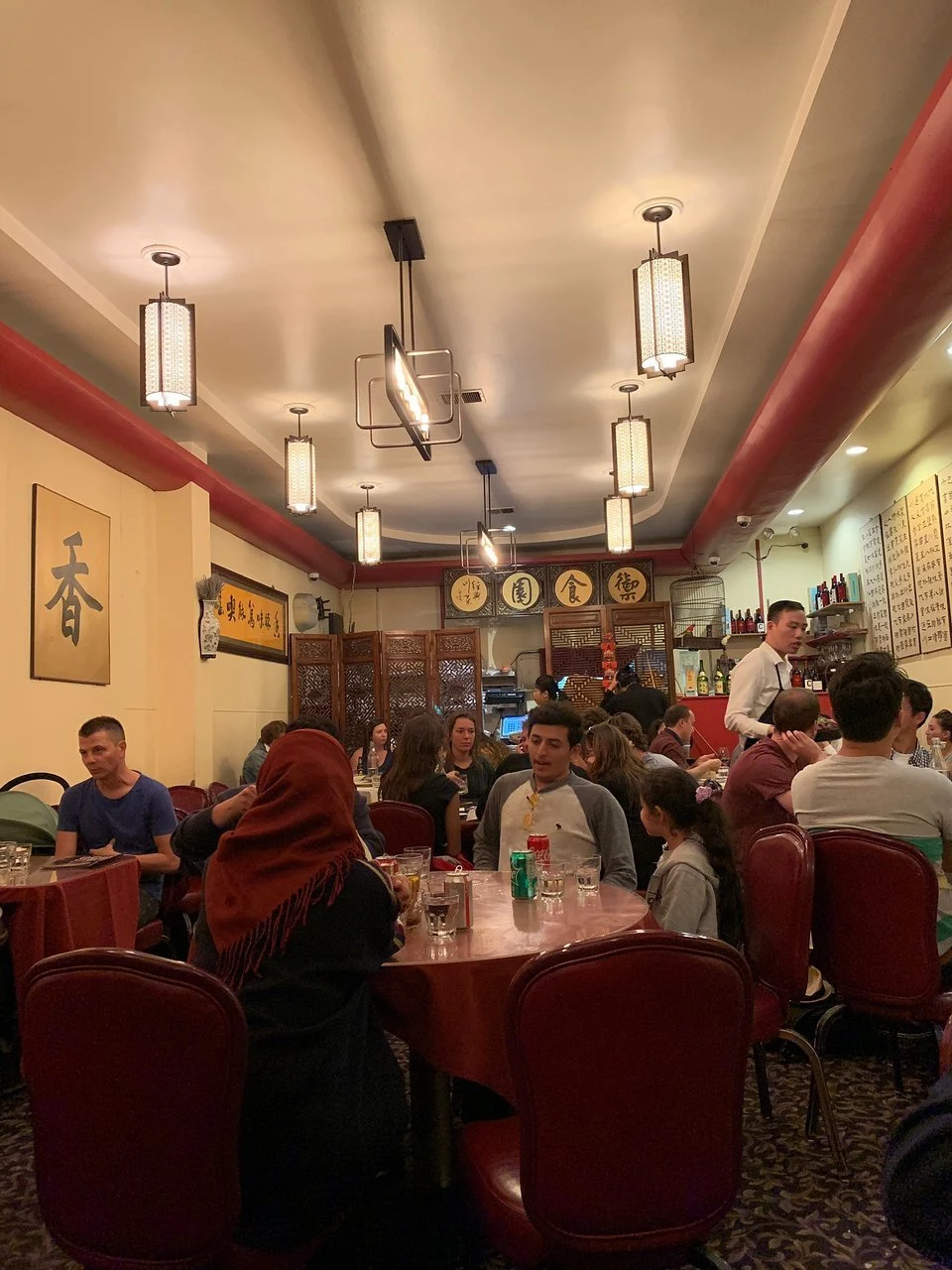
The room in Squirrel Hill is lively and warm, suited to food that arrives in quantity and moves from hand to hand. Chengdu Gourmet is not built around hush. It is built around the counter rhythm, the pass, the clatter of shared plates, and the way a table changes once Sichuan dumplings and double-cooked pork arrive together.
That casual frame gives the kitchen very little cover. In a room like this, the food has to carry its own accounting: the heat on the tongue, the tenderness of the meat, the way the sauce holds to rice, the next reach across the table. Zhu's James Beard Foundation semifinalist recognition widened the audience, but the daily measure remains closer to the bench. It is there in the return to mapo tofu, cumin lamb, and Happy Family.
Questions
Frequently asked
Who cooks at Chengdu Gourmet?
Wei Zhu cooks at Chengdu Gourmet in Pittsburgh. The page copy says his path runs through Szechuan Gourmet on Murray Avenue, where he worked as a cook, baker, and chef before taking over the kitchen and the operation in his own hands.
What kind of food does Chengdu Gourmet serve?
Chengdu Gourmet serves Sichuan cooking with a direct hand. The menu is built around heat, numbing spice, cumin, pork fat, fermented depth, and a clean lift, with dishes such as mapo tofu, Sichuan dumplings, cumin lamb, and double-cooked pork.
What is the room and service like?
The restaurant is casual in service and lively in the room. The page copy describes it as warm, suited to family-style food that moves across the table.
What is Chengdu Gourmet known for?
Mapo tofu sits at the center of the table, and the kitchen also returns to cumin lamb, Sichuan dumplings, double-cooked pork belly, and Happy Family. The work is described as balanced rather than decorative, with each dish keeping its own texture and seasoning.
What recognition does Chengdu Gourmet have?
Wei Zhu's cooking at Chengdu Gourmet received James Beard Foundation semifinalist recognition.
The field
How it compares
| Place | Awards | Cuisine | Notes |
|---|---|---|---|
| Chengdu Gourmet | James Beard | Authentic Sichuan Chinese | Squirrel Hill South, $$ |
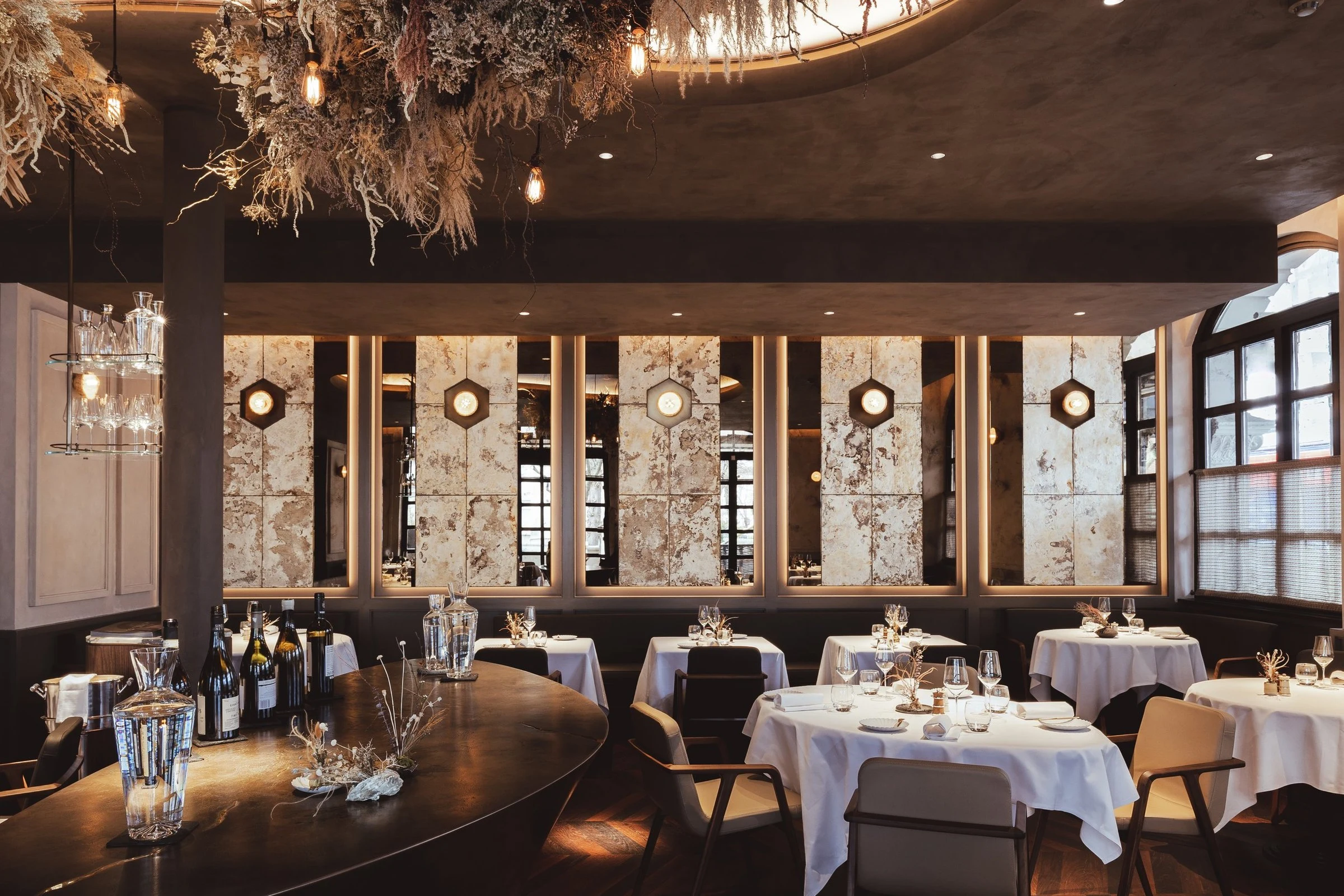
| Gabriel Kreuther | Michelin 2 Stars | Modern Alsatian-French Fine Dining | New York City |
| HAJIME | Michelin 3 Stars, World's 50 Best | Avant-Garde Japanese Fine Dining | Osaka |
| Hélène Darroze at The Connaught | Michelin 3 Stars | Three Michelin-Star Modern French Fine Dining | London |
| Ni Shifu | · | Authentic Sichuan Chinese | Antwerp |
| The Ledbury | Michelin 3 Stars, World's 50 Best | Modern British Fine Dining | London |
| Z & Y Restaurant | · | Authentic Sichuan Chinese | San Francisco |
In residence
Similar places
Modern Alsatian-French Fine Dining
Gabriel Kreuther
New York City, United States
★★
Avant-Garde Japanese Fine Dining
HAJIME
Osaka, Japan
★★★ · 50 Best
Three Michelin-Star Modern French Fine Dining
Hélène Darroze at The Connaught
London, United Kingdom
★★★
Authentic Sichuan Chinese
Ni Shifu
Antwerp, Belgium
Modern British Fine Dining
The Ledbury
London, United Kingdom
★★★ · 50 Best
Authentic Sichuan Chinese
Z & Y Restaurant
San Francisco, United States