Clos Triguedina
- 01CityPuy-L’Évêque, France
- Falstaff Winery - 3 Stars · 2026
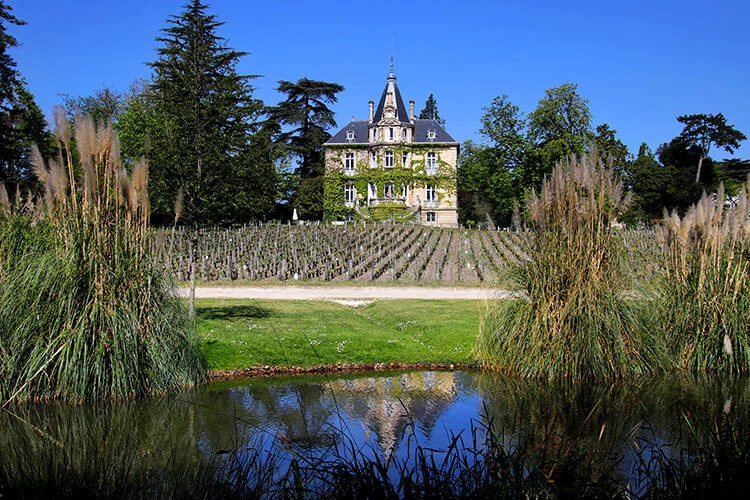
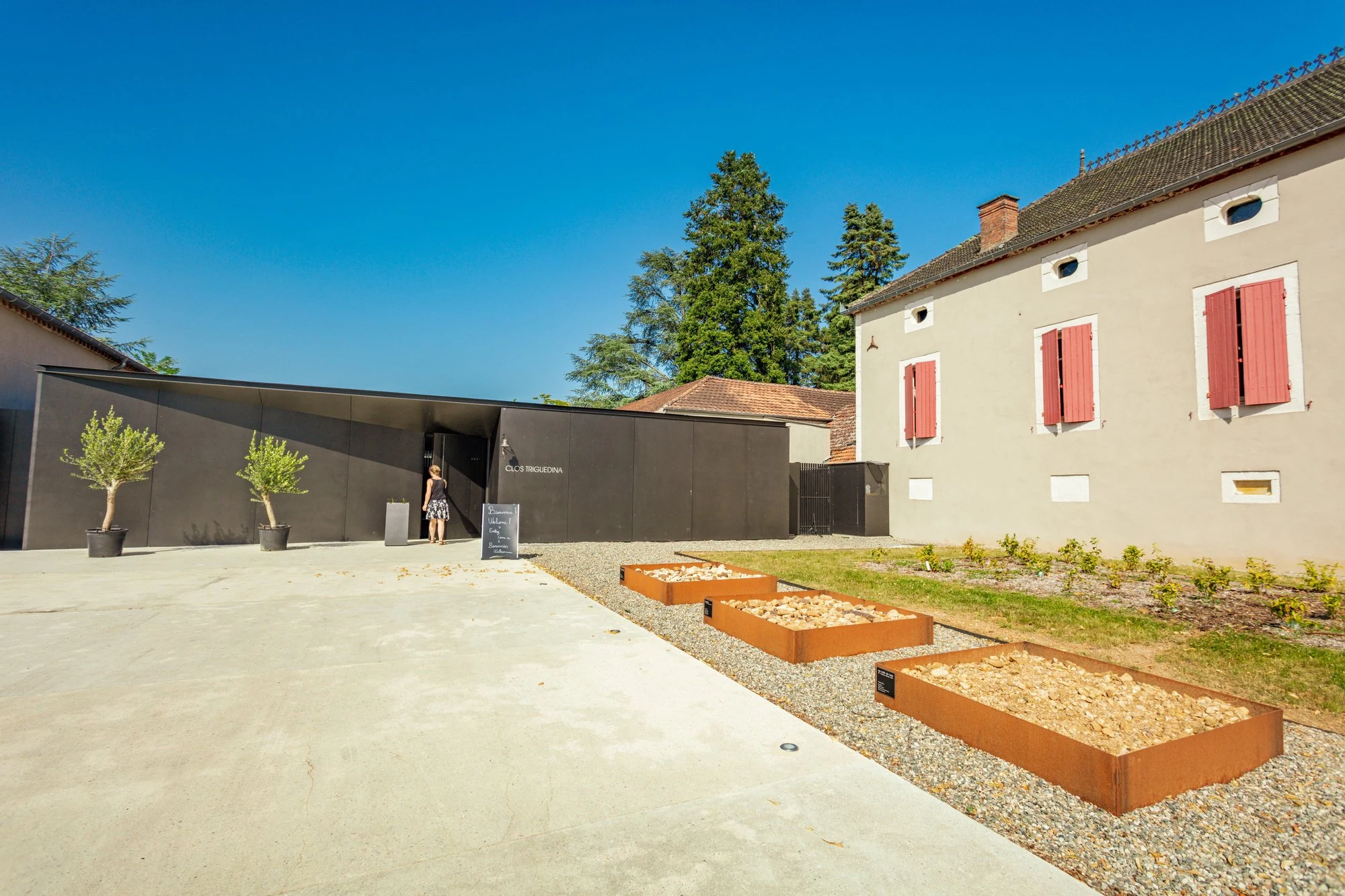
Clos Triguedina in Puy-L’Évêque is best understood as a traditional Cahors estate with a family heritage narrative, on-site wine tourism facilities, and a modern wine pavilion setting for tastings and visits. The mood is classic, rustic, scenic, historic, and more hidden-gem than high-volume stop. Rather than reading as a restaurant listing or a broad entertainment venue, it sits more comfortably in the category of a wine-estate visit: a place where the setting, the sense of continuity, and the Cahors context are central to the experience.
Cahors estate character, family heritage, and a scenic setting
Clos Triguedina’s appeal is not a restaurant-style format or a detailed public menu, but the atmosphere of a traditional Cahors estate in Puy-L’Évêque. The setting supports tastings and visits through on-site wine tourism facilities, with a modern pavilion adding a more contemporary frame to the estate experience. That combination gives the venue a useful balance: the estate character keeps it rooted in a classic, historic register, while the pavilion and visitor facilities make the visit feel intentionally structured rather than improvised.
What can be said confidently is that the venue presents a family heritage narrative in a classic and scenic Cahors context. That matters because the appeal here is tied less to a single, easily summarized feature and more to the overall atmosphere. Visitors are likely to be responding to the sense of place: the rural feel, the estate identity, the historic undertone, and the way a Cahors visit can feel distinct from a more generic tasting room stop.
The strongest reason to include Clos Triguedina in a Puy-L’Évêque plan is its combination of historic estate atmosphere and dedicated visitor facilities. It suits travelers looking for a rustic, heritage-led wine setting rather than a conventional dining room or bar. In practical terms, that means it is best approached with the expectations of a wine visit: time to taste, look around, and place the estate within a wider day in the area, rather than expecting the rhythm, service style, or menu structure of a restaurant.
A tasting-and-visit setting rather than a dining listing
Clos Triguedina is represented here as a venue for tastings and visits, supported by a modern wine pavilion and on-site wine tourism facilities. That distinction is important for planning. The venue belongs on an itinerary because of its estate setting and its role in the Cahors wine landscape, not because it functions as a dining recommendation with a published menu, kitchen identity, or bar program described in detail.
The confirmed price is $6 per person. Beyond that, travelers should avoid relying on assumptions about exact inclusions and should confirm the current visit format directly before planning around it. A tasting-and-visit venue can vary in how it structures the experience, so the safest approach is to treat the price as the only fixed public detail here and leave the rest to direct confirmation. That keeps expectations accurate and prevents the stop from being built around extras.
Its style is classic, rustic, scenic, historic, and somewhat hidden-gem in feel. That makes it a useful stop for visitors who want a Cahors estate experience in Puy-L’Évêque without needing the page to overstate details that are not confirmed. The hidden-gem quality should be understood as a matter of mood rather than a claim about exclusivity: the appeal is in the lower-key estate atmosphere, the heritage-led framing, and the scenic Cahors setting, not in a high-volume or heavily packaged format.
For travelers comparing it with more conventional food-and-drink entries, the key is to evaluate Clos Triguedina on its own terms. It is not being presented as a place to choose for a full meal, a long cocktail stop, or a detailed culinary brief. It is better suited to those who want a focused wine-related visit, with the estate’s family heritage narrative and visitor facilities forming the core of the experience.
How to fold it into a Puy-L'Évêque wine day
Clos Triguedina can work as the wine-estate anchor of a Puy-L’Évêque itinerary, especially for travelers interested in a family-heritage Cahors setting with facilities for tastings and visits. Other dining, hotel, bar, winery, and experience planning in Puy-L’Évêque can be considered generically around the visit. In that structure, Clos Triguedina gives the day its wine-estate focus, while the rest of the plan can remain flexible depending on appetite, timing, transport, and the traveler’s broader interests.
Because the venue’s strengths are atmospheric as well as practical, it is worth allowing it enough space in the day not to feel like a rushed checkbox. The point is not just to fit in a tasting, but to make room for the classic, rustic, scenic, and historic qualities that define the listing. That pacing is especially relevant for visitors who are drawn to Puy-L’Évêque as a wine destination and want the day to feel connected to place rather than assembled from interchangeable stops.
For a broader wine route, use Clos Triguedina as the Puy-L’Évêque reference point and compare it with other wine regions more generally, rather than assuming specific peer venues, accolades, or formats not present in the data. It can serve as the Cahors-estate marker within a wider plan: a traditional, heritage-led stop with a modern pavilion setting for tastings and visits, best appreciated for the experience it does confirm rather than for details that should be checked directly before travel.
Questions
Frequently asked
How expensive is Clos Triguedina?
Clos Triguedina is listed at a price level of $$.
The field
How it compares
| Place | Notes | Awards |
|---|---|---|
| Clos Triguedina | Vire-sur-Lot, $$ | · |
| Château La Reyne | Puy-L’Évêque | · |
| Château Lafleur | Pomerol | · |
| Château Les Carmes Haut-Brion | Bordeaux | · |
| Château Pineraie | Puy-L’Évêque | · |
| Familienweingut Tement | Ehrenhausen | World's 50 Best |
| Krug | Reims | · |