Club Batonnage
- 01CityAndau, Austria

Twelve barriques at most.
- Falstaff Winery - Listed · 2026
Twenty four years in the club
Erich Scheiblhofer, head winemaker at Weingut Scheiblhofer in Andau, brings a more infrastructural sense of wine, shaped by Weinakademie, Weinmanagement Krems, and the practical systems of a modern estate. Tschida’s line is more stripped back. He has described feeling fully like a winemaker only during harvest. Club Batonnage gives that harvest feeling a shared table.
Blaufränkisch, Cabernet, Merlot
The wine begins outside a single estate. Club Batonnage draws Blaufränkisch and Cabernet Sauvignon from low-minerality vineyards in the Leitha Mountain area of Jois, with fully ripe Merlot from the Andauer Prädium in Andau. The blend places Burgenland’s red grape beside Bordeaux varieties without pretending they are native companions. The decision is part of the point.
On harvest day, the group selects fully ripe to slightly overripe grapes by hand in the vines. The must undergoes cold maceration at 4°C before fermentation, a temperature chosen for extraction of color and aroma without pushing tannin too far too early. After fermentation, the wine enters new French barriques for 2 times 12 months, 24 months in total, a double-oak regime that few Austrian red-wine projects use with this level of intent. Production stays small, a maximum of 12 barriques per vintage.
A cellar with a club memory
Club Batonnage is less a tasting-room winery than a club-shaped cellar idea. The project began with a blind tasting in the summer of 2000, when close friends in the Austrian wine scene used wine as a way to argue, test, and unsettle habit. The name comes from bâtonnage, the stirring of lees during fermentation, but the borrowed cellar term also carries the group’s stated intention: to stir the Austrian wine world from inside its own traditions.
The atmosphere is casual and relaxed, built around a rebellious wine-culture identity. That matters because the wine itself is not casual. It takes the furniture of serious red wine, ripe selection, French barrique, long aging, limited volume, and puts it under a club sign rather than a single-family crest. The conversation stays at cellar level. The room is quieter than the label’s wild-boy mythology suggests.
A Burgenland red held in common
The project matters because it holds a specific Austrian argument in bottle: Burgenland can make a structured, age-minded red blend without surrendering its own ground. Tschida has held the role since 2000, and his farming-first natural-wine conviction still meets the club’s polished, barrique-aged red program.
Questions
Frequently asked
Who is behind Club Batonnage?
Christian Tschida has been winemaker at Club Batonnage in Andau since the project began in 2000. The work is collective by design, with five winemakers involved, each bringing a separate estate and cellar language to one shared red wine.
What kind of wine does Club Batonnage make?
Club Batonnage makes one red wine rather than a range. The blend draws on Blaufränkisch and Cabernet Sauvignon from the Leitha Mountain area of Jois, together with fully ripe Merlot from the Andauer Prädium in Andau.
What is the winemaking process here?
On harvest day, the grapes are selected by hand and taken to cold maceration at 4°C before fermentation. The wine then spends 24 months in new French barriques, and production is limited to a maximum of 12 barriques per vintage.
What should visitors know about booking and the atmosphere?
Club Batonnage is appointment only, and the dress code is casual. The atmosphere is described as relaxed and built around a club-shaped cellar idea.
The field
How it compares
| Place | Notes |
|---|---|
| Club Batonnage | Andau, $$$ |
| Domaine Andau | Andau |
| Weingut Hannes Reeh | Andau |
| Weingut Johann Schwarz | Andau |
| Weingut Scheiblhofer | Andau |
| Weingut Wilhelm Thell | Andau |
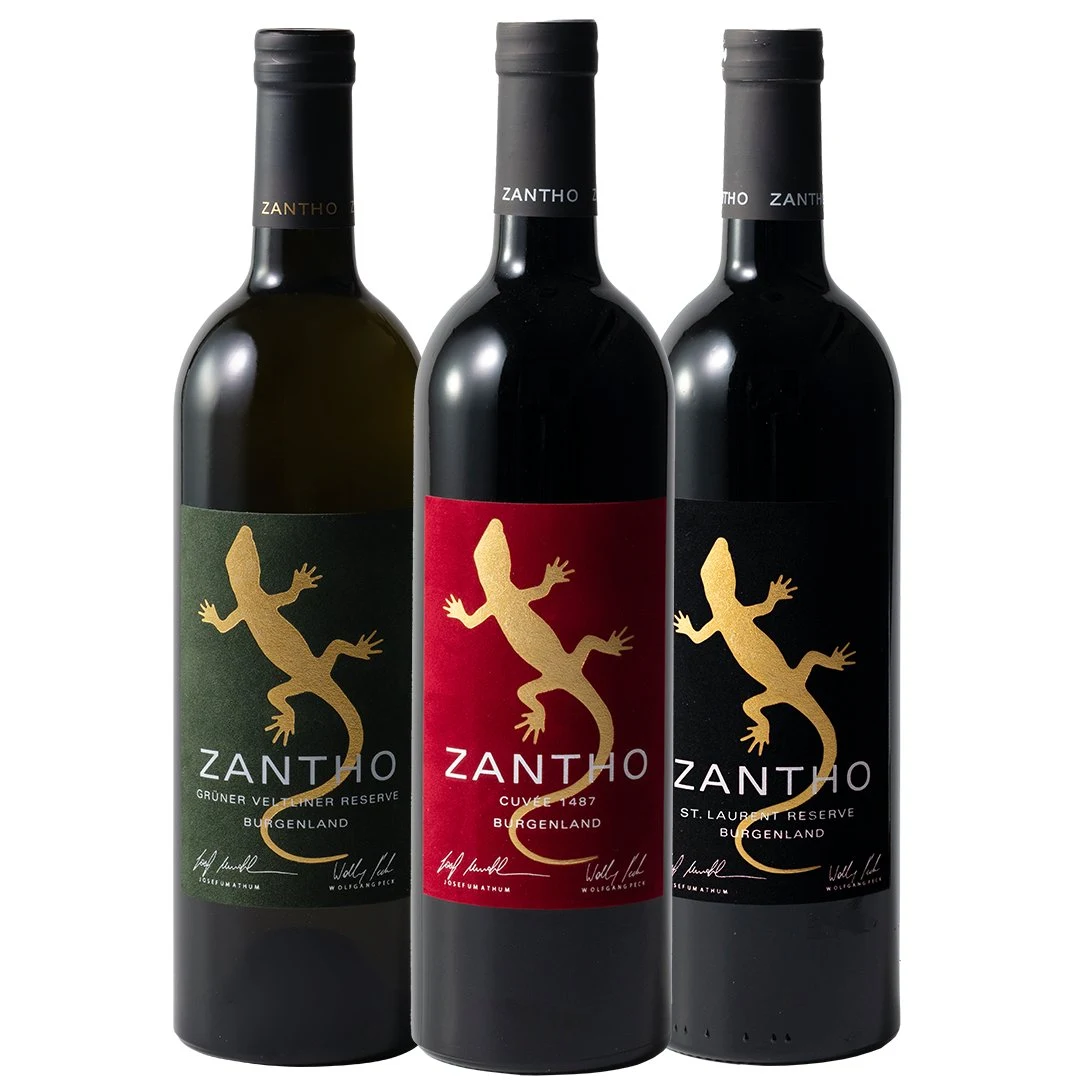
| Zantho (Weingut Zantho) | Andau |