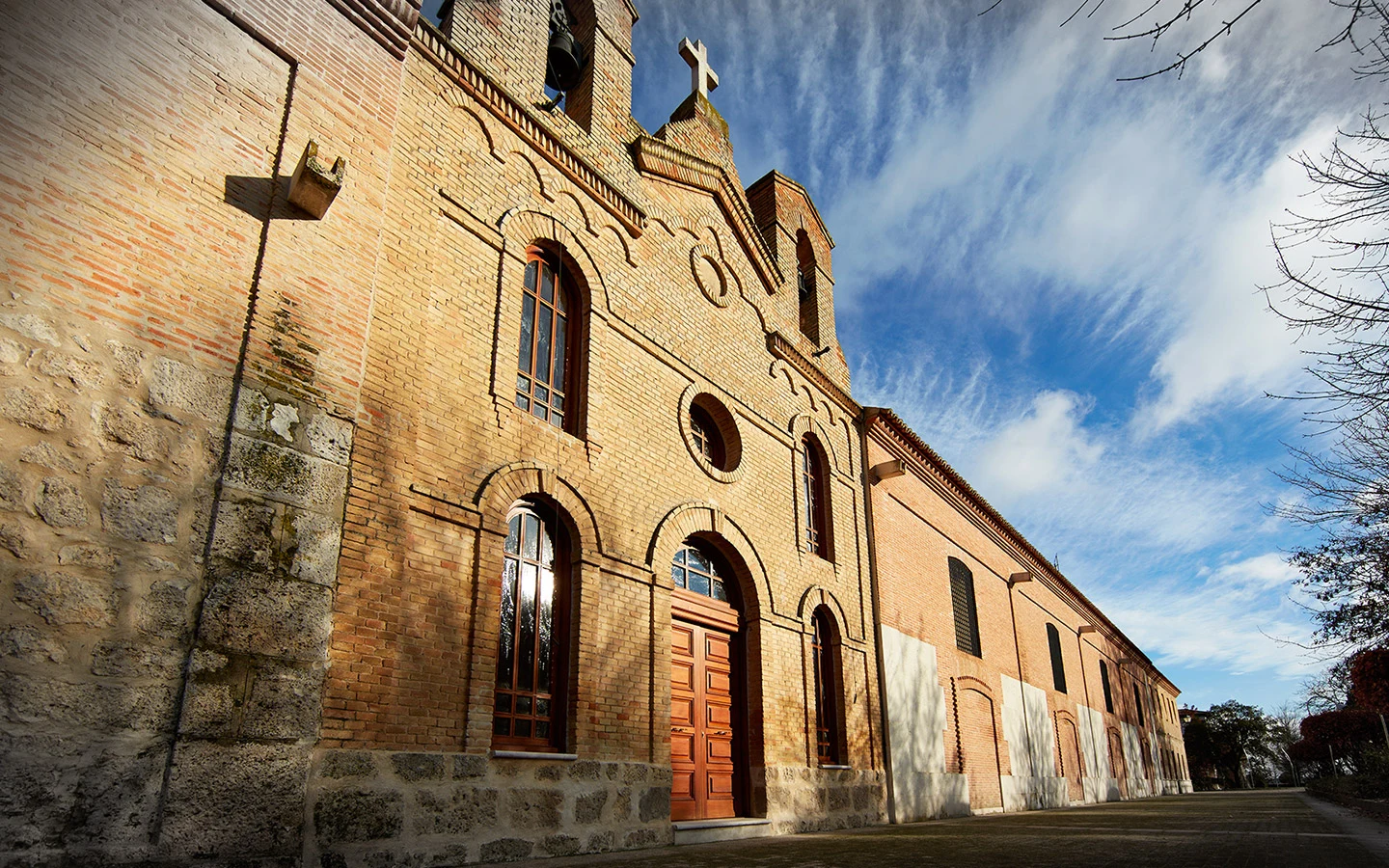
Cramele Recas
- 01CityRekasch, Romania

- Falstaff Winery - Listed · 2026
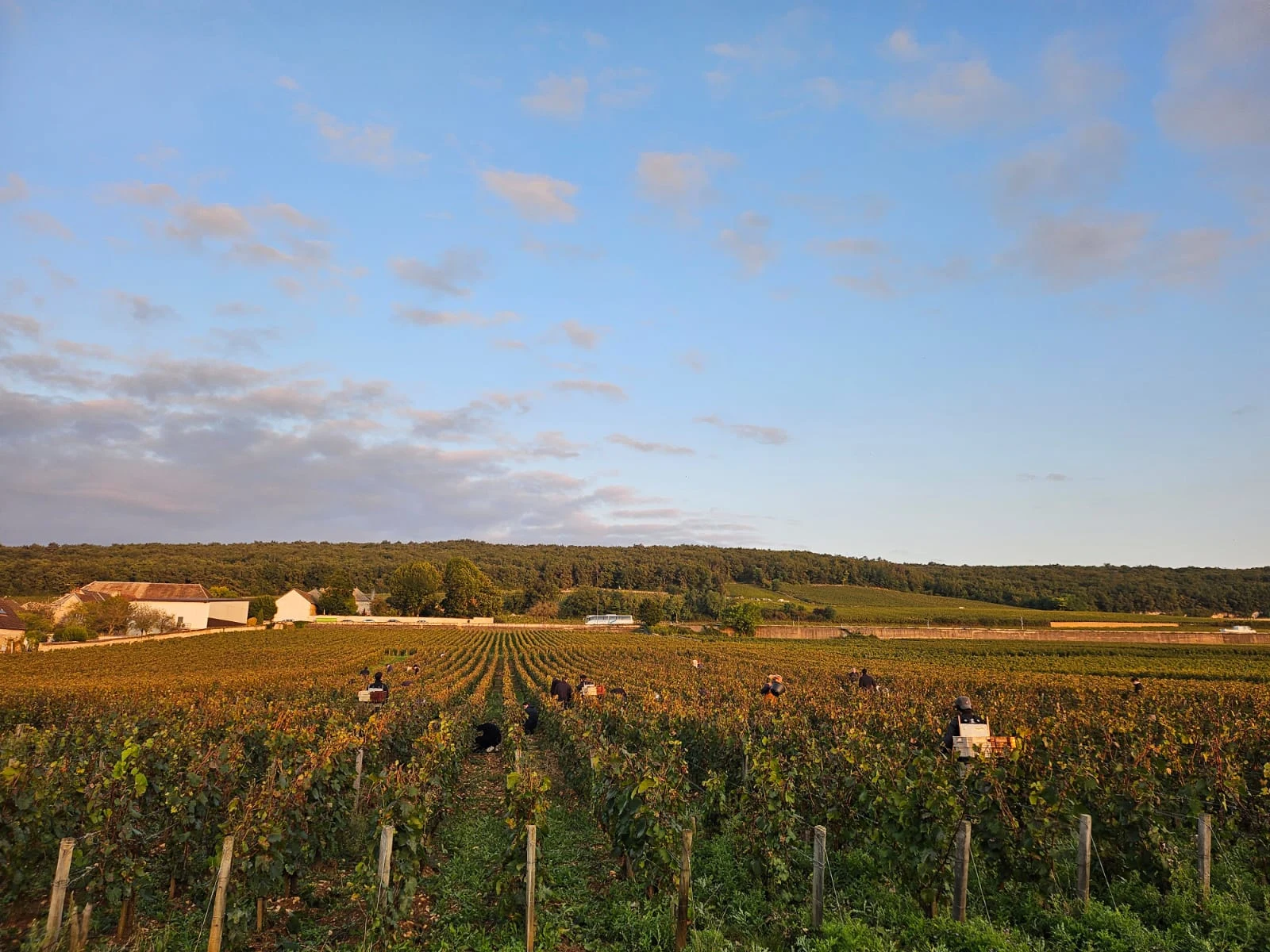
Approaching a large wine estate changes the rhythm of a tasting. The cues are not candlelit cellar romance but vineyard rows, production scale, and the sense that wine here is both agricultural product and national industry. In Rekasch, Cramele Recaș belongs to that register: modern, scenic, and built around a working winery rather than a decorative tasting salon.
Romania’s current wine conversation often splits between heritage varieties, revived regions, and producers trying to place Romanian bottles in export markets with consistency. Cramele Recaș sits at the industrially serious end of that conversation. It is Romania’s largest winery by volume and turnover, and roughly half of its output goes abroad. That matters because the estate is not presenting Romanian wine as a curiosity; it is arguing that Banat can operate at international scale without abandoning regional identity.
Banat Hills terroir at export scale
The estate’s strongest editorial case starts in western Romania’s Banat Hills, where the Recaș DOC and Dealurile Timișului IGP give the wines their geographic frame. The vineyards extend across Recaș and Miniș, with roughly 1,150 to 1,200 hectares under management. Elevations run from about 100 to 350 meters, with limestone bedrock, terra rossa, and iron-clay soils shaping the raw material before any cellar decision is made.
That combination suits breadth rather than a single narrow house style. Continental conditions bring hot, dry summers and cold winters, giving the estate room to work across aromatic whites, structured reds, rosé, and sparkling wine. The portfolio covers 25 grape varieties and 45 brands, a range that would look diffuse in a small cellar but makes sense in a producer built to show multiple Romanian market tiers at once.
The winemaking story is also cross-border rather than purely local. The company was established in 1991, while viticulture in the area is documented back to 1447. Its modern ownership combines Romanian and British families, and Philip Cox is the named winemaker. That international structure helps explain the estate’s export discipline: approachable pricing, recognizable formats, and enough volume to make Romanian wine visible outside the country.
What the tasting format teaches
A visit here is strongest as wine education. The format is by reservation and centered on guided tasting, vineyard context, and the experience of seeing a large production model up close. This is not the address for a tiny allocation cellar where scarcity is the point. The point is comprehension: how a Romanian DOC works at scale, how a broad portfolio is organized, and how Banat’s soils and climate translate across red, white, rosé, and sparkling categories.
That scale gives the tasting a different kind of value. Instead of asking visitors to chase a single cult bottling, the estate gives a cross-section of Romanian wine as a commercial and regional system. Labels such as Solo Quinta, Sole, Cuvee Uberland, Muse, Regno Recaș, Conacul Ambrozy, Domeniile Recaș, Castel Huniade, and Schwaben Wein show how one producer can move from accessible everyday bottles into more ambitious expressions while staying tied to the same regional base.
The practical reading is simple: come for the vineyard and production context, not for a restaurant-led pairing format. Food pairing is not part of the listed setup, outdoor seating is not part of the offer, and the experience is better suited to adults, groups, wine education, and corporate outings than to a casual family stop. On-site parking helps the logistics, and the conversational atmosphere makes it more functional than ceremonial.
Where it fits in a Romanian wine itinerary
Rekasch is not a city built around endless hospitality layers, so the winery carries much of the wine-travel weight locally. Travelers building a broader plan can pair it with our full Rekasch wineries guide, then use our full Rekasch restaurants guide, our full Rekasch hotels guide, our full Rekasch bars guide, and our full Rekasch experiences guide to round out the stay.
For a wider Romanian and Central European wine map, the contrast is useful. Alcovin Măcin in Macin, Alira in Comuna Aliman, Aurelia Vişinescu in Buzau, Balla Geza in Paulis, Brutler & Lieb in Satu Mare, Budureasca in Comuna Gura Vadului, Clos des Colombes in Oras Olimp, and Cotnari S.A. in Cotnari show how varied the regional field becomes once Romania is treated as a serious wine destination rather than an afterthought. Cross-border additions such as »der Steiner« Hans Steiner in Podersdorf am See and & Handwein in Mannheim widen the lens further.
The critical takeaway is that Cramele Recaș is persuasive when judged on its own terms. It is a large, modern Banat winery with historical roots, export reach, and enough vineyard diversity to make terroir legible across multiple styles. Travelers looking for intimacy may prefer smaller cellars elsewhere; travelers trying to understand Romania’s contemporary wine economy should put this estate high on the western Romania route.
Questions
Frequently asked
How expensive is Cramele Recas?
Cramele Recas is listed at a price level of $$.
The field
How it compares
| Place | Notes | Awards |
|---|---|---|
| Cramele Recas | Recaș, $$ | · |
| Azienda Agricola Casanova di Neri di Giacomo Neri | Montalcino | World's 50 Best |
| Château Montrose | Saint-Estèphe | · |
| Domaine du Comte Liger-Belair | Vosne-Romanée | · |
| Domaines Barons de Rothschild (Lafite) | Bordeaux | · |
| Krug | Reims | · |
| Vega Sicilia | Valbuena de Duero | · |