White Burgundy, restrained new oak
- Falstaff Winery - Listed · 2026
Fruit from growers, barrels in Beaune
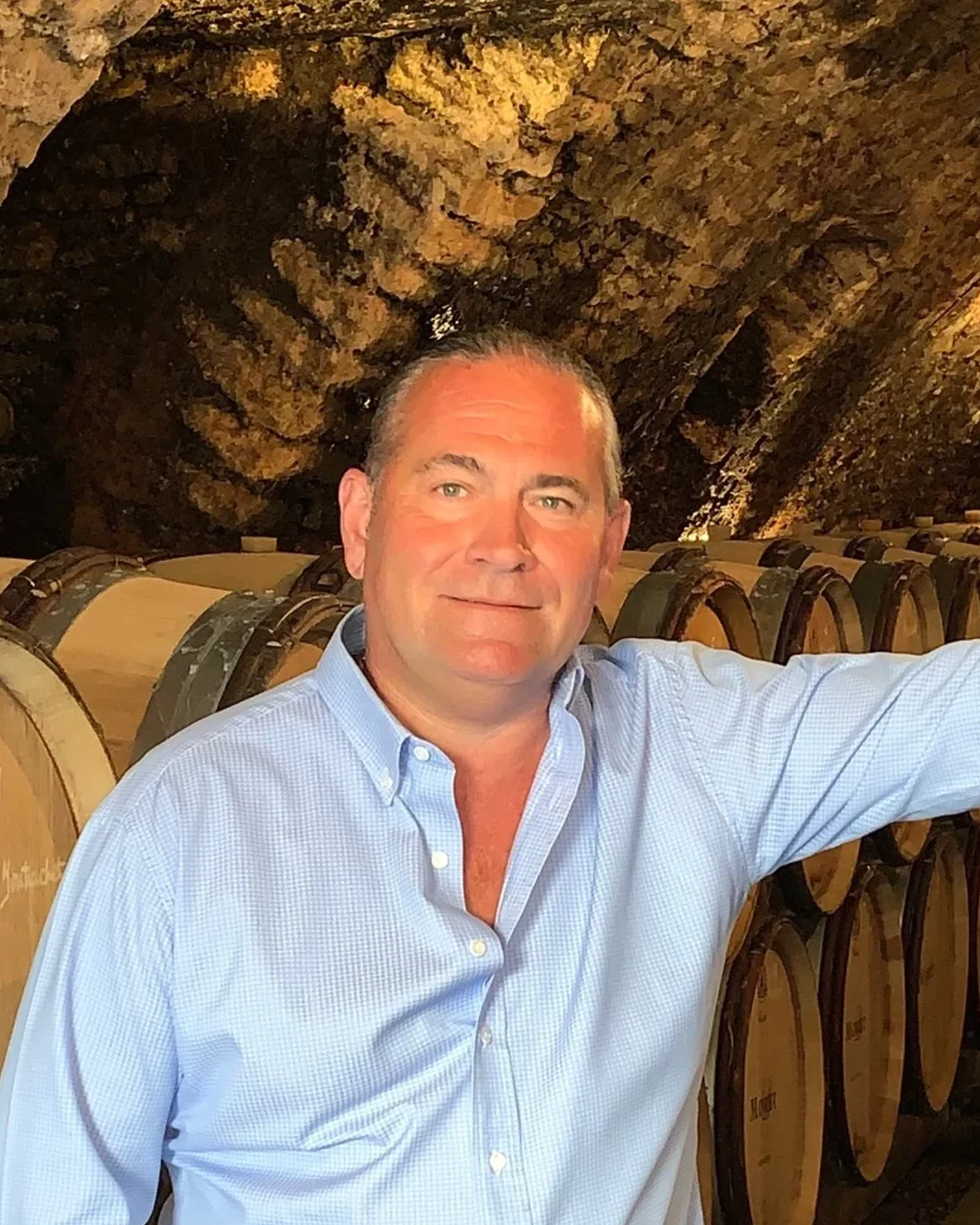
The grapes arrive and go straight to the press; David Moret, winemaker at David Moret in Beaune, works from that first decision. He is not farming an inherited domaine. He built his label the other way, through the working economy of the Côte de Beaune, first selling winery equipment to local vignerons, then buying fruit and barrels after formal study in viticulture and oenology. By the late 1980s he had secured a bank loan for his first purchases. In 1999 he established his trading house in Beaune, and in 2000 he launched the David Moret label.
That path still shapes the cellar. Moret works as a micro-négociant, buying small parcels from growers he knows, then pressing, fermenting and aging the wines under his own hand. White Burgundy remains the discipline. Chardonnay is the material, Côte de Beaune the field of selection, and the house style depends less on breadth than on returning to the same kinds of serious sites with the same restraint. Meursault sits close to the center of the work, especially premiers crus such as Les Charmes, Genevrières and Les Perrières, with Puligny-Montrachet, Saint-Romain, Rully and Corton-Charlemagne also named in the range.
Oak kept below the fruit
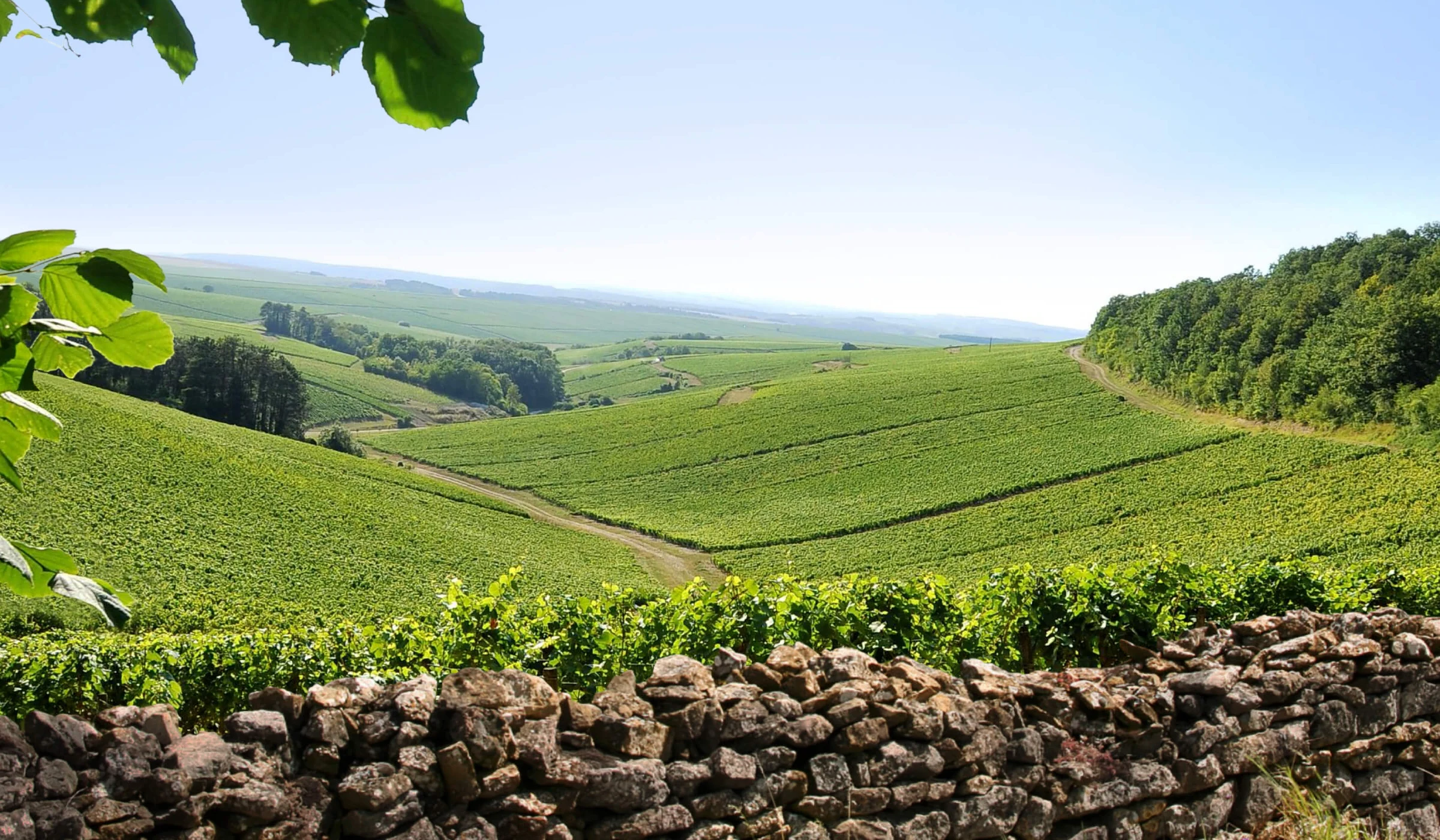
The method begins with careful sourcing rather than estate rows. Moret buys grapes from top growers, with attention to small parcels and to vineyard work that includes limited yields, organic treatments and ploughing of the soil. For Meursault Les Narvaux, the grapes are handpicked into small boxes, a practical protection for Chardonnay that needs to reach the cellar intact. Once they arrive, Moret presses them immediately with an air press.
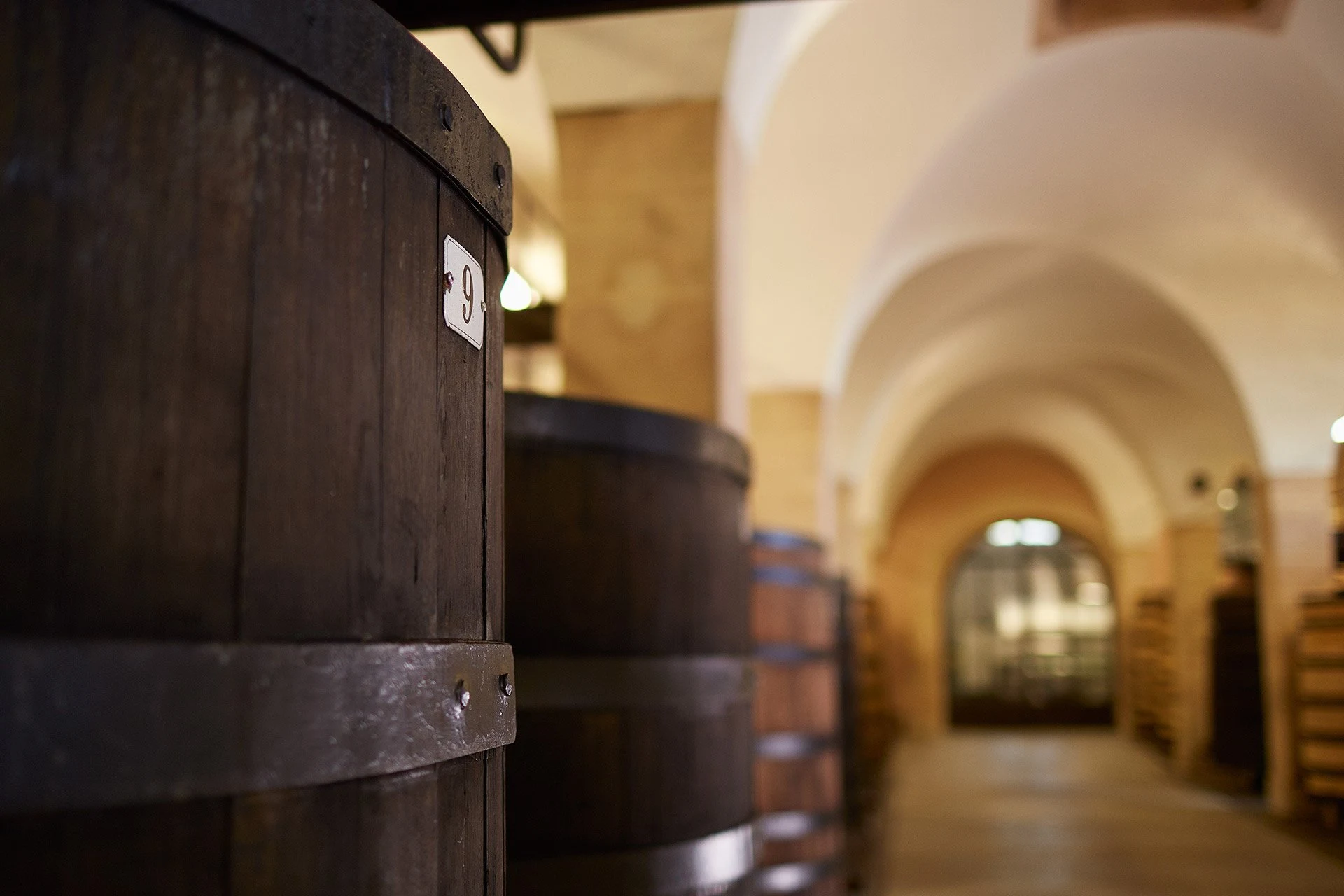
Fermentation and élevage take place in French oak barrels, including both alcoholic and malolactic fermentation. The oak program is measured. New oak reaches a maximum of 40% for the general production, while wines such as Saint-Romain, Meursault Les Narvaux and Puligny-Montrachet are held to 25% new French oak. The point is not absence of wood, but proportion. Rully Blanc 2018 aged for 15 months in French oak, then rested for six months in the cellar after bottling. These cuvées then spent just over 12 months in barrel, before the same six-month cellar rest.
A quiet cellar, not a visitor estate
The place itself is an urban Beaune cellar, small in scale and traditional in manner, built for tasting and cellar work rather than spectacle. There is no vineyard panorama doing the explaining. The bench-side facts are in the glass: purchased fruit from the Côte de Beaune, white wine only, a barrel program that keeps its volume down, and a room where the conversation stays close to site, texture and release.
At a seated tasting, the atmosphere suits the wines. It is quiet, low-key, and centered on the sequence of bottles rather than the theatre around them. They carry the Meursault argument with particular clarity; the cellar lets them do so quietly.
Questions
Frequently asked
Who makes the wines at David Moret?
The wines are made by David Moret, who built his label after formal study in viticulture and oenology and works as a micro-négociant in Beaune.
What kind of wines does David Moret focus on?
The house focuses on white Burgundy, using Chardonnay sourced from the Côte de Beaune, with Meursault playing a central role and other named wines including Puligny-Montrachet, Saint-Romain, Rully and Corton-Charlemagne.
How does the cellar work?
Moret buys small parcels from growers he knows, presses the grapes immediately on arrival, and carries out fermentation and ageing in French oak barrels under his own hand.
What is the visit like?
The cellar is small, urban and traditional in style, and seated tastings are described as quiet, low-key and centred on the wines rather than on spectacle.
Do visits need to be booked in advance?
Yes, visits are by appointment only.
The field
How it compares
| Place | Notes |
|---|---|
| David Moret | Beaune, $$$ |
| Domaine Bouchard Père et Fils | Beaune |
| Lucien Le Moine | Beaune |
| Maison Albert Bichot | Beaune |
| Maison Joseph Drouhin | Beaune |
| Maison Louis Jadot | Beaune |
| Maison Louis Latour | Beaune |