Destillerie Farthofer sits in Öhling at the heart of Mostviertel, Austria's orchard-dense plateau, where pear and apple distillates have defined local craft for generations. Awarded Pearl 2 Star Prestige in 2025, the distillery operates at the serious end of Austria's spirits production tier. It represents the region's argument that terroir-driven distillation belongs in the same conversation as its wine counterparts.
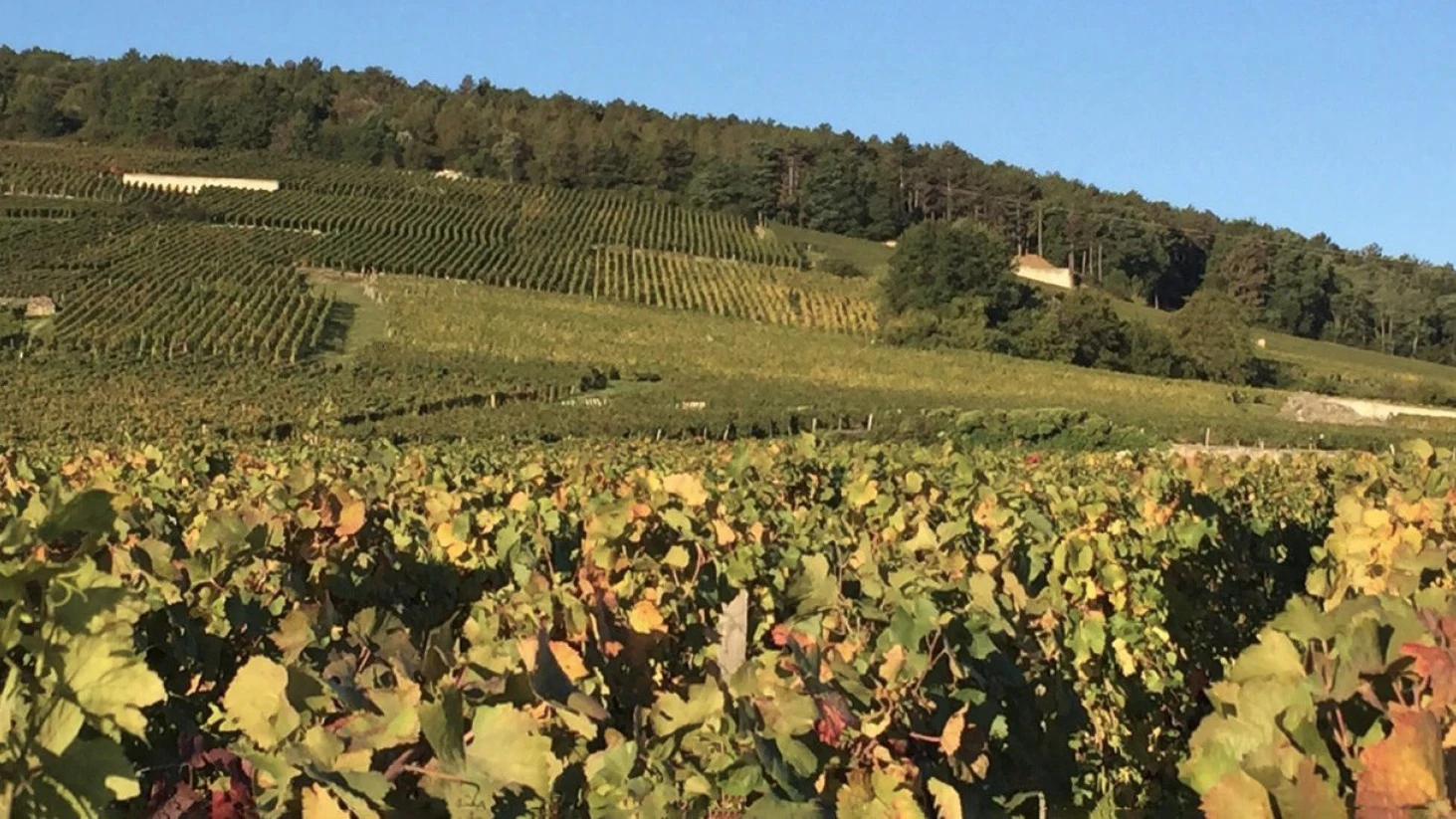
<h2>Where Mostviertel's Orchard Country Meets the Still</h2><p>There is a particular quality of light in Lower Austria's Mostviertel in late autumn, when the rows of high-stemmed pear trees stand stripped but not bare, their thick trunks holding something of the season just passed. This is orchard country in the oldest sense: not decorative, not boutique, but agricultural and purposeful, shaped over centuries into a landscape that produces some of Central Europe's most characterful fruit. Distilleries here do not exist despite their surroundings, they exist because of them. Destillerie Farthofer, addressed at Mostviertelpl. 6 in Öhling, sits at that intersection of place and craft, and its 2025 Pearl 2 Star Prestige award places it formally among Austria's recognised spirits producers.</p><p>Öhling itself is a small municipality in the Amstetten district, a short drive from the Danube corridor that connects Linz to Vienna. The town lends its name to the broader Mostviertel identity, "Mostviertel" translating loosely as the "cider quarter," though "Most" here refers to fermented pear juice, a product distinct from and more complex than the British cider tradition. This is relevant context for understanding what a distillery in this region actually works with: the raw material is fruit, and the fruit is specific to this soil, this altitude, and these microclimates.</p><h2>Terroir in a Still: The Mostviertel Argument</h2><p>The question of terroir in distillation is more contested than in wine, but Mostviertel makes the case with unusual force. The region's pear varieties, Grüne Jagdbirne, Speckbirne, and Landlbirne among them, are cultivated on loamy soils over a base of crystalline rock, producing fruit with a mineral edge that survives fermentation and finds its way into spirit. Distillers who take the argument seriously, as Farthofer does, will focus on single-variety distillates and seasonal harvests rather than blended commodity production. The Pearl 2 Star Prestige designation for 2025 signals exactly that level of production discipline.</p><p>Austria's craft spirits tier has expanded considerably in the past decade, but Mostviertel retains a specific credibility that urban distilleries elsewhere struggle to replicate: the fruit is grown here, not sourced from elsewhere, and the tradition of home distillation (Abfindungsbrennerei) runs deep enough that serious commercial operations compete against a historically informed local palate. For context on how Austrian distillers across the country are positioning themselves within this broader craft movement, see producers such as <a href="https://www.enprimeurclub.com/wineries/1310-spirit-of-the-country-distillery-sierning-winery">1310 Spirit of the Country Distillery in Sierning</a>, <a href="https://www.enprimeurclub.com/wineries/a-batch-distillery-bergheim-winery">A. Batch Distillery in Bergheim</a>, <a href="https://www.enprimeurclub.com/wineries/abfindungsbrennerei-franz-leithaprodersdorf-winery">Abfindungsbrennerei Franz in Leithaprodersdorf</a>, and <a href="https://www.enprimeurclub.com/wineries/1404-manufacturing-distillery-sankt-peter-freienstein-winery">1404 Manufacturing Distillery in Sankt Peter-Freienstein</a>.</p><h2>Production Philosophy and Award Context</h2><p>Pearl awards in the Austrian spirits recognition system function as a quality benchmark rather than a popularity signal. A 2 Star Prestige rating in 2025 places Farthofer within the upper cohort of evaluated Austrian producers, a tier that demands consistency across multiple products rather than a single standout bottling. This matters because it tells you something about range and process: distilleries that achieve multi-star prestige ratings have typically developed a house style capable of expressing itself across fruit types and vintages, not simply hitting well on one exceptional harvest.</p><p>Austria's broader wine and spirits geography rewards comparison. The country's serious wine producers, from <a href="https://www.enprimeurclub.com/wineries/weingut-brundlmayer-langenlois-winery">Weingut Bründlmayer in Langenlois</a> and <a href="https://www.enprimeurclub.com/wineries/weingut-emmerich-knoll-durnstein-winery">Weingut Emmerich Knoll in Dürnstein</a> in the Wachau and Kamptal, to <a href="https://www.enprimeurclub.com/wineries/weingut-kracher-illmitz-winery">Weingut Kracher in Illmitz</a> in Burgenland and <a href="https://www.enprimeurclub.com/wineries/weingut-wohlmuth-kitzeck-winery">Weingut Wohlmuth in Kitzeck</a> in Styria, operate with a similar logic: place first, variety second, producer house style third. The distilleries that have earned recognition in Austria tend to follow the same sequence. Farthofer's Mostviertel address is not incidental to its identity; it is the foundation of it. Other notable Austrian producers reflecting different regional terroirs include <a href="https://www.enprimeurclub.com/wineries/weingut-pittnauer-gols-winery">Weingut Pittnauer in Gols</a> and <a href="https://www.enprimeurclub.com/wineries/weingut-heinrich-hartl-oberwaltersdorf-winery">Weingut Heinrich Hartl in Oberwaltersdorf</a>.</p><h2>Visiting Öhling: What the Region Offers</h2><p>Öhling sits in a part of Lower Austria that does not attract the same volume of wine tourism as the Wachau or Kamptal, which is precisely its advantage for visitors looking to engage with Austrian craft production outside the well-trafficked routes. The Mostviertel's orchard roads are leading traversed in spring, when the trees flower in dense white masses across the hillsides, and in autumn, when harvest drives the distillery calendar. Both seasons offer a different quality of engagement with the region's agricultural logic.</p><p>Getting to Öhling typically involves a car: public transport connections from Vienna or Linz reach Amstetten, from which the distillery is accessible by road. The address at Mostviertelplatz places the distillery at what functions as a local centre of gravity for the area's craft identity, rather than in an isolated rural setting. For visitors building a broader Austrian spirits itinerary, the <a href="https://www.enprimeurclub.com/wineries/1516-brewing-company-distillery-vienna-winery">1516 Brewing Company Distillery in Vienna</a> and <a href="https://www.enprimeurclub.com/wineries/weingut-scheiblhofer-distillery-andau-winery">Weingut Scheiblhofer Distillery in Andau</a> offer urban and Burgenland counterpoints to the Mostviertel agricultural tradition.</p><p> Scotland's established distillery tourism circuit, built around operations like <a href="https://www.enprimeurclub.com/wineries/aberlour-aberlour-winery">Aberlour in Aberlour</a>, and Napa Valley's estate model, represented by producers like <a href="https://www.enprimeurclub.com/wineries/accendo-cellars">Accendo Cellars in St. Helena</a>, share a common structure with Farthofer's offer: production rooted in place, quality signalled by external recognition, and a visitor experience shaped by the agricultural context rather than manufactured hospitality. Öhling is not Speyside and not Napa, but the structural logic of terroir-driven craft production translates.</p><h2>Planning a Visit</h2><p>Booking is recommended, and current opening times should be confirmed directly. Advance contact is advisable rather than a walk-in approach, particularly during harvest season in autumn when production activity may limit visitor access. The distillery's physical address at Mostviertelpl. 6, 3362 Öhling, is the navigation anchor.</p><hr></hr>
Öhling is a small agricultural commune in Lower Austria's Mostviertel, and Farthofer operates at that register: measured, producer-focused, without the footfall of a wine-route destination. The distillery's Pearl 2 Star Prestige recognition in 2025 signals serious craft credentials, not a high-volume hospitality operation. Visitors should expect the pace of a working distillery in orchard country, not a curated tasting room experience.
Destillerie Farthofer is located at Mostviertelpl. 6, 3362 Öhling, Öhling.
Destillerie Farthofer has received recognition including: Pearl 2 Star Prestige (2025).
Mostviertel's identity as a distilling region is built on its indigenous high-stemmed pear varieties, and Farthofer's Pearl 2 Star Prestige award in 2025 places it among producers taking that raw material seriously. Spirits derived from the region's pears are the logical anchor of any tasting visit. Specific current offerings are best confirmed directly with the distillery before visiting.
Farthofer holds a Pearl 2 Star Prestige rating in 2025, which within Austria's spirits recognition framework represents a substantiated quality benchmark. The distillery operates in Öhling, a part of Mostviertel that receives considerably less tourist traffic than the Wachau or Kamptal, which means the visit carries genuine regional specificity rather than a packaged experience. You are engaging with a producer working in a defined orchard terroir with formal verification of that work.
Öhling is a small settlement, and Farthofer functions as a specialist craft producer rather than a walk-in attraction, so contacting the distillery in advance is the practical approach. Current opening schedules and booking requirements are best confirmed directly, as hours and contact details vary seasonally for producers of this type. The Pearl 2 Star Prestige recognition suggests an operation with defined standards, which typically extends to how visits are managed.
Farthofer was awarded a Pearl 2 Star Prestige rating in 2025, placing it within the upper tier of Austria's formal spirits recognition structure. Pearl awards function as a quality benchmark within the Austrian system, and a 2 Star Prestige designation distinguishes producers whose spirits have been assessed against a defined standard rather than simply entered. For a distillery based in Öhling, a small Mostviertel commune, that credential carries particular weight as external verification of regional terroir-driven production.
Mostviertelpl. 6, 3362 Öhling
Öhling