Colorado Whiskey and the Identity Question
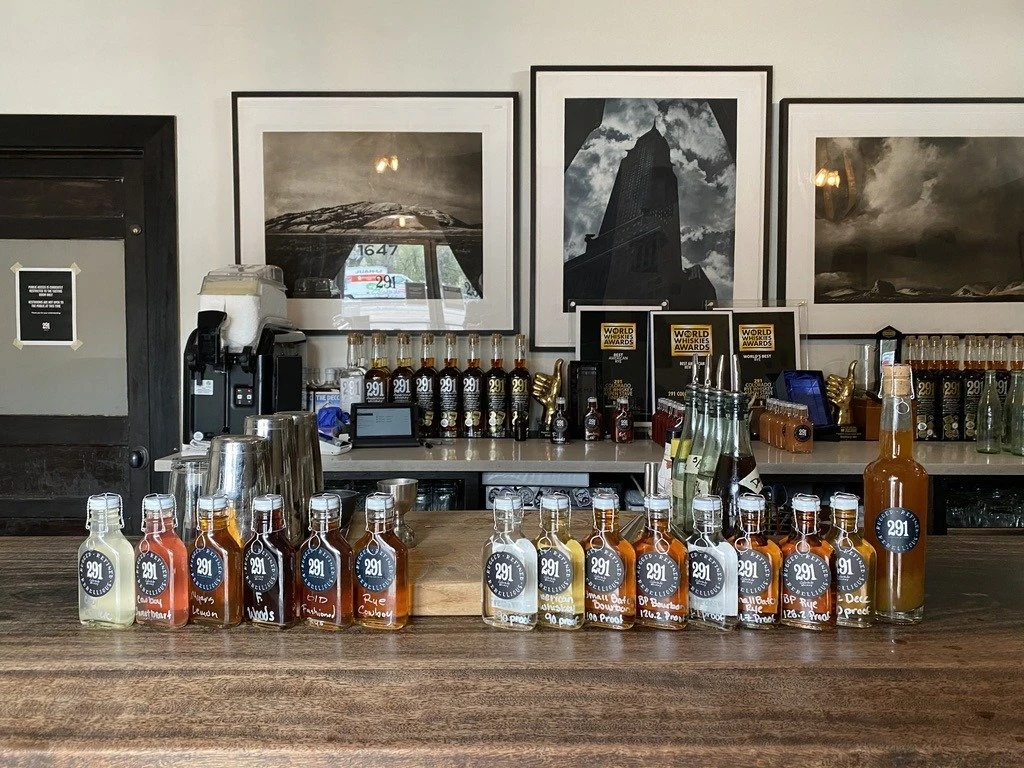
American craft distilling spent its first decade arguing over legitimacy. The second decade was more interesting: regional producers stopped imitating Kentucky and started asking what their geography actually tasted like. In Colorado, that question has produced a distinct answer. The high altitude, wide temperature swings, and locally sourced grains accelerate barrel interaction in ways that Kentucky's more stable climate does not, producing whiskeys that age faster and express differently. Distillery 291 is a bar in Colorado Springs at 4242 N Nevada Ave, with a Google rating of 4.8 and an average price of about $25 per person. It has built its identity around exactly that argument.
The craft spirits tier in the American Mountain West sits in a different competitive frame than coastal distilleries. It competes on terroir claims, production specificity, and the credibility of its finishing techniques. 291's use of Aspen wood staves during finishing is the most discussed element of its production approach, and it functions as a regional signature in the way that peat functions for Islay Scotch: a local material that imprints on the final product in a traceable, identifiable way.
What Draws People to 291
The draw is not spectacle. Colorado Springs has a drinking culture shaped by its outdoor-recreation identity, and the visitors who end up at a craft distillery on N Nevada Ave tend to be there with a specific curiosity rather than a general night-out impulse. That self-selection matters. Distillery 291 sits in a category of American craft producers that have accumulated competition medals and spirits press attention without translating that into the kind of mainstream brand recognition that comes with national distribution at scale. The result is a producer that rewards the visitor who already knows something about American whiskey, rather than one selling the category from scratch.
Within Colorado Springs, the craft beverage scene clusters in distinct zones. 291 sits in a more utilitarian corridor compared to the concentrated bar activity around downtown, where venues like 503W and Burrowing Owl operate closer to the pedestrian dining and drinking circuit. The Cerberus Brewing Company and Buffalo Lodge Bicycle Resort fill different parts of the local craft-beverage map, but neither occupies the spirits-production space that 291 holds.
The Aspen Finish and Its Regional Logic
The cultural context for 291's Aspen stave technique is worth understanding on its own terms, separate from marketing. Distillers have always used finishing vessels as flavor modification tools: port pipes, sherry butts, rum casks. The Aspen choice is structurally similar but regionally specific. Aspen is a fast-growing, wide-ranging tree across the Rockies, and its wood characteristics, lower tannin density than oak, lighter vanilla and coconut compounds, produce a softer, quicker-integrating finish than extended oak aging alone would. For a small producer trying to release whiskey that does not taste underaged, it is a technically defensible shortcut. For a producer trying to make a geographic argument about Colorado whiskey, it is also a narrative anchor.
That dual function, practical and symbolic, is characteristic of the better American craft distilleries. The producers who have built durable reputations in this tier tend to have a production choice that doubles as a story: a heritage grain, a local water source, an unusual still configuration. 291's Aspen stave is its equivalent, and it has been consistent enough in its application that the resulting flavor profile has become recognizable to whiskey buyers who follow the category closely.
Planning a Visit
Distillery 291's address, 4242 N Nevada Ave, Colorado Springs, CO 80907, places it north of the downtown core. Visitors arriving from Denver typically reach Colorado Springs via I-25 South, a drive of roughly 70 miles that takes between 60 and 90 minutes depending on traffic. N Nevada Ave runs as a commercial corridor north of the city center, and the distillery is accessible by car without difficulty.
Where 291 Sits in the American Craft Spirits Frame
Placing 291 against its national comparable set gives a clearer sense of what it is. American craft distilling now has enough depth that comparisons are meaningful. The most technically serious cocktail bars in the country, places like Kumiko in Chicago, Jewel of the South in New Orleans, and Bar Leather Apron in Honolulu, have spent the last decade building menus around American craft spirits alongside Japanese whisky and aged rum, creating a market for producers who can offer provenance and specificity. Julep in Houston, ABV in San Francisco, and Superbueno in New York City operate in that same register, as does The Parlour in Frankfurt on the Main, which has tracked American craft spirits closely as that category has gained international attention. Producers like 291, with a distinct regional argument and competition-tested products, fit that emerging export and on-program story better than generic craft labels without a clear identity.
The broader trend is that American whiskey's premium tier has fragmented. It no longer runs purely through age-statement bourbons from established Kentucky houses. Small producers in non-traditional states, Colorado included, have earned genuine placement in that conversation by doing the production work rather than by using nostalgia. 291's position in that tier is earned rather than assumed.
Questions
Frequently asked
Who works at Distillery 291?
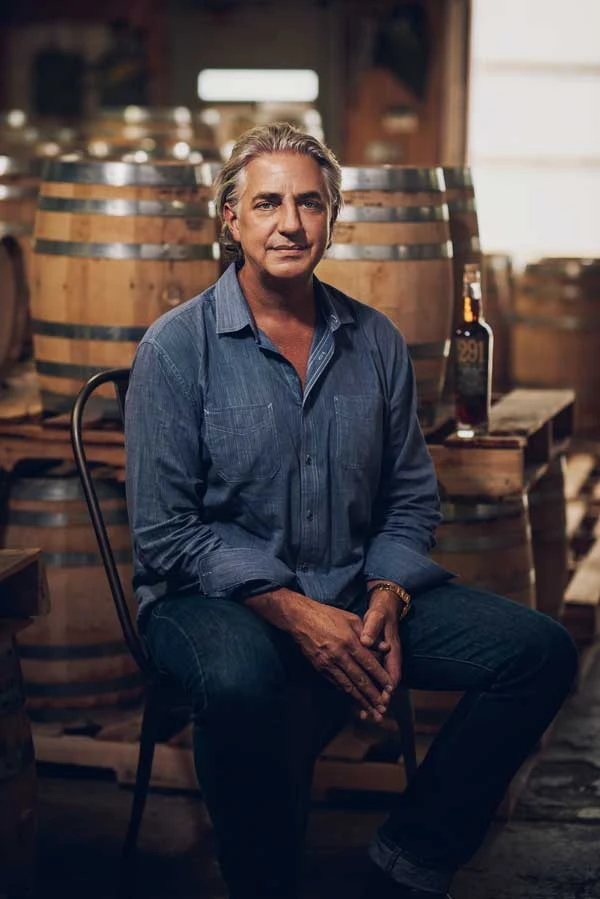
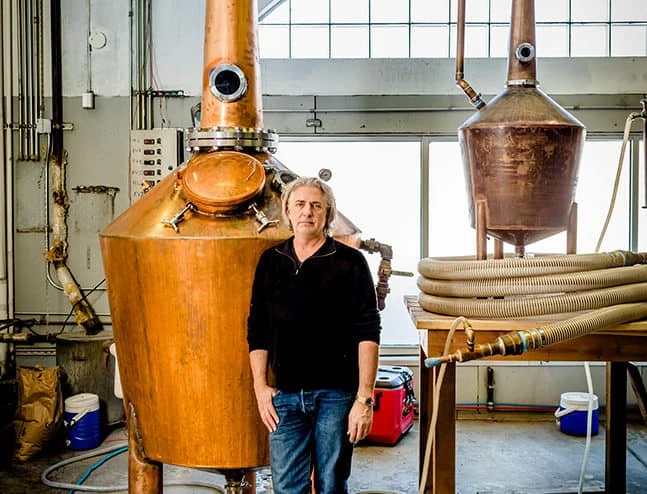
Made By profiles Eric Jett (Head Distiller) and Michael Myers (Owner & Founding Distiller) at Distillery 291.
How expensive is Distillery 291?
Distillery 291 is listed at a price level of $$.