
- Falstaff Winery - Listed · 2026
Domìni Veneti in Negrar is best understood as a Valpolicella Classico winery experience rather than a conventional dining stop. The profile points to a historic cooperative-winery atmosphere rooted in the local tradition, with artisan winemaking and hospitality presented as part of the same visit. For travelers, the appeal is not a long list of extras; it is the chance to approach the territory, vineyards and Amarone through a guided, educational setting.
That distinction matters. A visit here should be framed around learning: how Valpolicella Classico is spoken about on site, how Amarone is introduced to guests, and how the surrounding vineyard culture shapes the identity of the place. The atmosphere is described as hospitality-focused, which suggests a setting built for explanation and orientation rather than a purely transactional tasting counter.
Valpolicella Classico explained through a hospitality-led winery setting
The strongest confirmed reason to consider Domìni Veneti is its connection to Valpolicella Classico tradition. The venue is presented as historic in feel and cooperative in character, with the visitor experience rooted in the surrounding territory. That makes it useful for guests who want more than a label-by-label introduction and prefer a broader explanation of place, vineyards and winemaking culture.
What can be said safely is that Domìni Veneti’s public-facing identity centers on artisan winemaking, hospitality and education, with Amarone included as a key part of what guests are there to understand.
The price level is listed as $$, placing it in a moderate bracket for the guide. That does not establish the cost of any individual tasting or visit format, so travelers should confirm current options directly before making plans. The more reliable expectation is thematic: a structured, informative winery experience in Negrar, tied closely to Valpolicella Classico.
Amarone, vineyards and the value of a guided format
Amarone is one of the clearest reference points for Domìni Veneti. The venue’s hospitality is described as a way for guests to learn about the territory, vineyards and Amarone through guided tours. That gives the experience a practical purpose for first-time visitors to the region: it can help connect the wine in the glass to the landscape and tradition around Negrar.
The guide should not overstate what is confirmed. Those may or may not apply in practice, but they are not part of the record supplied.
What remains is still useful. Domìni Veneti appears as an educational, hospitality-minded winery setting with a historic cooperative atmosphere. For visitors comparing other dining or drinking options in Negrar, it occupies a different role: less a restaurant replacement than a wine-country learning stop, especially for anyone trying to understand why Valpolicella Classico and Amarone carry such strong regional identity.
Who should put it on a Valpolicella itinerary
Domìni Veneti suits travelers who want a grounded introduction to Valpolicella Classico in Negrar. It is especially relevant for guests who value context: the territory, the vineyards, the idea of artisan winemaking and the place of Amarone within local wine culture. The setting is described as educational and hospitality-focused, so it should appeal to visitors who enjoy being guided through a region rather than simply sampling without explanation.
It may be less suitable for someone looking for a fully documented restaurant experience, a published tasting-menu format, a confirmed lunch or dinner service, or a page of precise operational details. Treat Domìni Veneti as a winery visit to confirm in advance, not as a general-purpose dining booking with assumed services.
Within a Negrar itinerary, the clearest way to use Domìni Veneti is as a Valpolicella Classico orientation point. Build the rest of the day around what you personally want from the area: other dining in Negrar, a slower wine-focused visit, or a broader exploration of the surrounding local culture. The confirmed promise is concise but meaningful: Domìni Veneti offers a historic cooperative-winery atmosphere in Negrar, connected to artisan winemaking, hospitality, vineyards and Amarone.
Questions
Frequently asked
Who works at Domìni Veneti?
Made By profiles Daniele Accordini (Winemaker) at Domìni Veneti.
How expensive is Domìni Veneti?
Domìni Veneti is listed at a price level of $$.
The field
How it compares
| Place | Notes |
|---|---|
| Domìni Veneti | Valpolicella Classico, $$ |
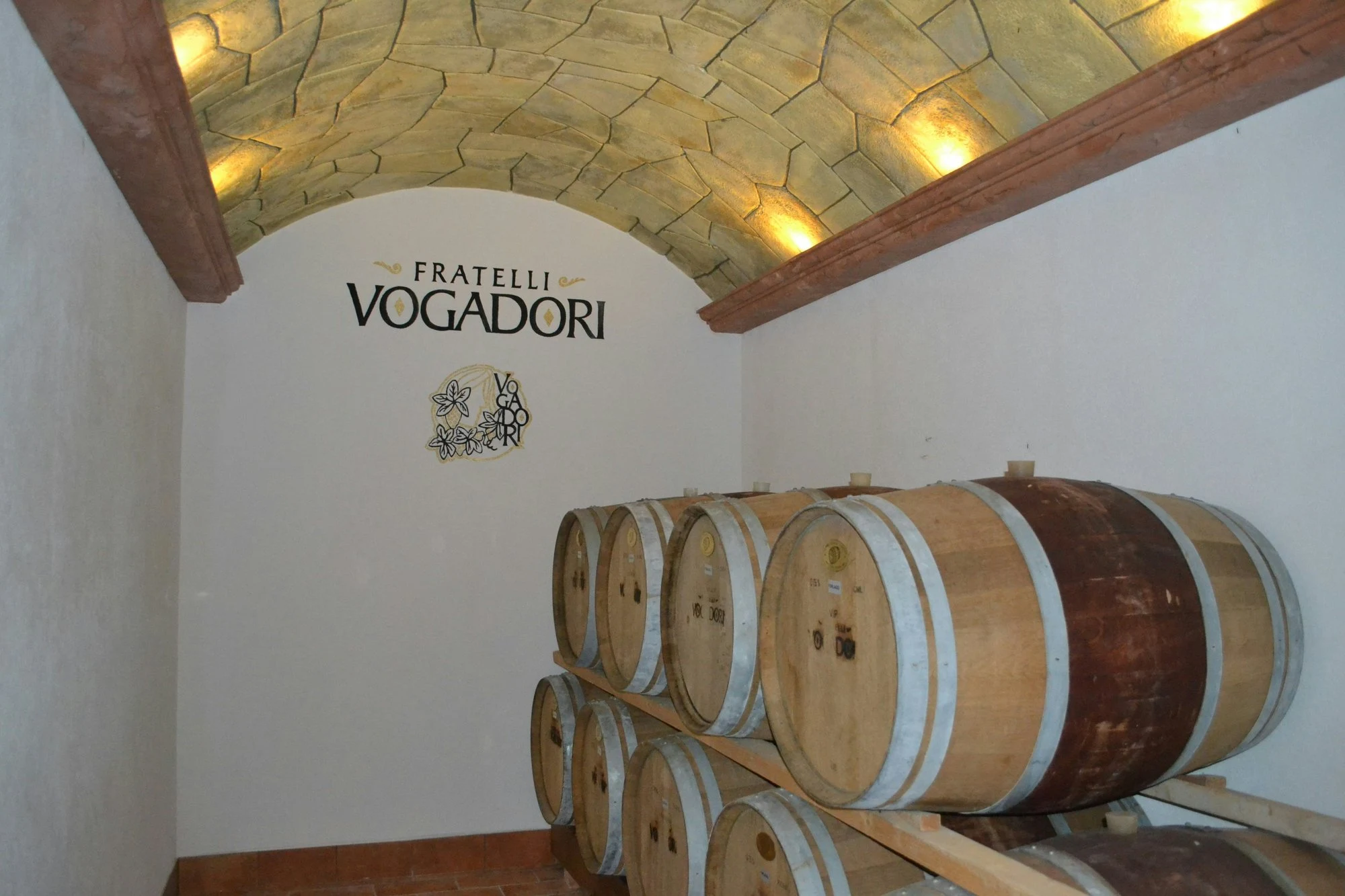
| Fratelli Vogadori | Negrar |
| Giuseppe Quintarelli | Negrar |
| Roberto Mazzi e Figli | Negrar |
| Salgari | Negrar |
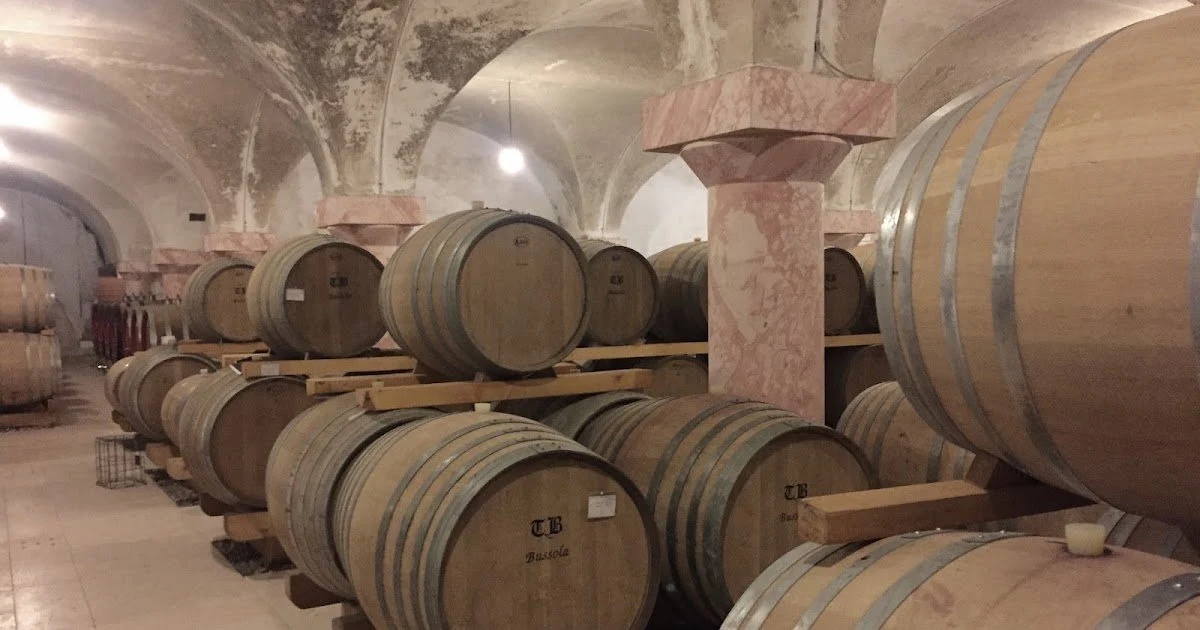
| Tommaso Bussola | Negrar |
| Vigna '800 | Negrar |