Domaine Château de la Maltroye
- 01CityChassagne-Montrachet, France
- Falstaff Winery - Listed · 2026
Approaching Domaine Château de la Maltroye, the first signal is architectural rather than commercial: an 18th-century château with a glazed Burgundian tile roof, set in Chassagne-Montrachet, with 15th-century vaulted cellars below. Before any discussion of format, access or practical arrangements, the place presents itself through stone, roofline and cellar. The picture is of a classic, traditional and slightly grand Burgundian setting focused on serious red and white wines, where the identity of the domaine is closely tied to the physical character of the château itself.
It is best understood as an iconic Chassagne-Montrachet château address with a romantic, elegant feel and a cellar-focused sense of place. The attraction is not simply that it is located in a famous wine village, but that it expresses that location through a visibly historic setting. For visitors drawn to Burgundy as much for atmosphere as for bottles, Domaine Château de la Maltroye reads as the kind of address where architecture, village context and wine culture are difficult to separate.
Chassagne-Montrachet read through château atmosphere
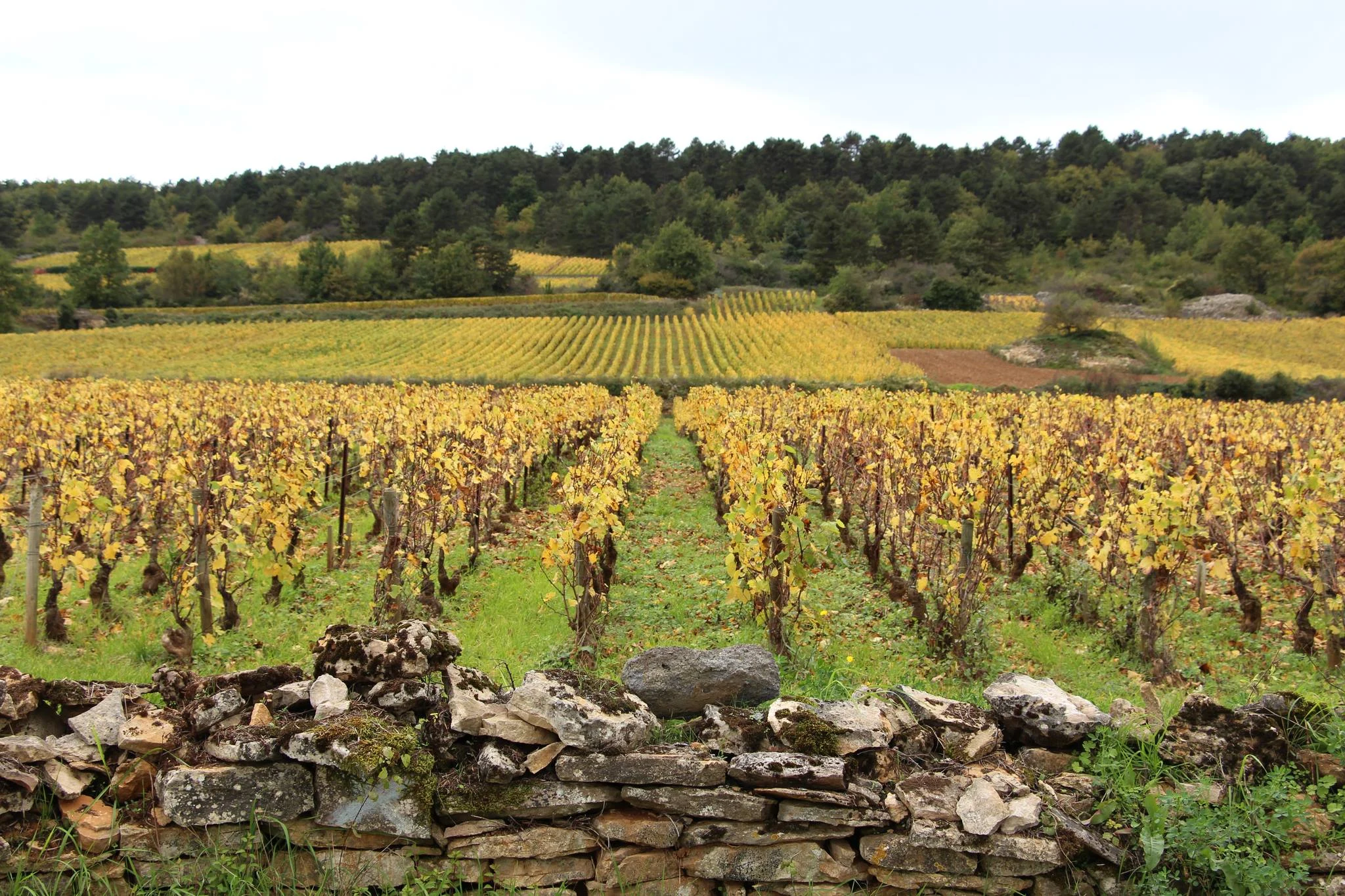
Domaine Château de la Maltroye sits in Chassagne-Montrachet, one of Burgundy’s most recognized wine villages. The appeal here is not a published menu, tasting format or technical production profile, but the combination of a historic château, 18th-century glazed tile roof and 15th-century vaulted cellars. Those details set the tone clearly: this is a place whose public image rests on heritage, visual presence and a grounded Burgundian identity rather than on a heavily described visitor program.
For visitors comparing Chassagne-Montrachet options, Domaine Château de la Maltroye stands out as a classic and elegant address associated with both red and white wines. That association matters because it frames the château as more than a picturesque building; it places it within the serious wine culture of the village. The setting suggests a more traditional rhythm, one in which the surrounding architecture and underground cellars contribute to the overall impression as much as any single practical detail.
That makes the atmosphere part of the draw. In a village where wine is the central reason to visit, Domaine Château de la Maltroye adds a particular kind of texture: formal without feeling anonymous, historic without needing to be over-explained, and visibly rooted in the idea of Burgundy as a range of cellars, courtyards, roofs and long-established wine addresses. The experience to consider here is therefore not only transactional. It is also spatial and atmospheric, shaped by the way the château appears within Chassagne-Montrachet and by the sense of continuity implied by its cellars.
A historic château setting
The strongest confirmed details are architectural: an 18th-century glazed tile roof and 15th-century vaulted cellars. Those features give Domaine Château de la Maltroye a more formal and iconic character than a purely contemporary wine stop. The glazed Burgundian tile roof supplies the visible flourish, while the vaulted cellars supply depth, age and a more hidden dimension to the setting. Together, they create a layered impression: a refined exterior presence above ground, and a cellar identity below that points back to older structures and established wine traditions.
This is why the château format is central to understanding the address. It is not described here through a list of services, and the available information does not invite assumptions about how a visit unfolds. Instead, what can be said with confidence is that Domaine Château de la Maltroye offers a distinctive sense of place in Chassagne-Montrachet, one shaped by a historic building and a cellar environment. For many Burgundy travelers, that alone is meaningful, because the region’s appeal often lies in the relationship between village, vineyard culture and built heritage.
For planning, the price indicator is $$$. Beyond that, specific claims about hours, appointment requirements, tasting structure, cellar access, parking, group options or professional visits are not confirmed here and should be checked directly before making plans. That caution is important. The strength of the listing is its confirmed atmosphere and setting, not detailed operational guidance. Anyone considering a stop should treat the château’s architectural identity as the starting point, then verify the practical side independently rather than assuming availability or access.
For broader context in Chassagne-Montrachet, compare Domaine Château de la Maltroye with other dining and wine-related options in the village generically, keeping in mind that public details are limited. Its value in that comparison is the unmistakable château character: an elegant, historically resonant address connected with serious red and white wines. Where some places may be easier to assess through menus, schedules or visitor descriptions, this one is best assessed first through setting, tone and the kind of Burgundy atmosphere it represents.
Who should pay attention
Domaine Château de la Maltroye is most relevant for visitors who value a classic Burgundian château atmosphere in Chassagne-Montrachet. The appeal is strongest if the setting matters: historic cellars, an elegant roofline, a traditional mood and a serious focus on red and white wines. It will be especially compelling for those who want their time in the village to feel anchored in architectural character, not only in the idea of tasting or buying wine.
It is also a useful reference point for travelers building a Chassagne-Montrachet itinerary around atmosphere and sense of place. The confirmed details do not support a more elaborate promise, but they do support a clear impression: Domaine Château de la Maltroye belongs to the more romantic, polished and cellar-conscious side of the village’s wine identity. Approach it with that frame, confirm practicalities before arranging anything, and its appeal becomes easy to understand as part of the broader Burgundian experience.
Questions
Frequently asked
How expensive is Domaine Château de la Maltroye?
Domaine Château de la Maltroye is listed at a price level of $$$.
The field
How it compares
| Place | Notes |
|---|---|
| Domaine Château de la Maltroye | Chassagne-Montrachet, $$$ |
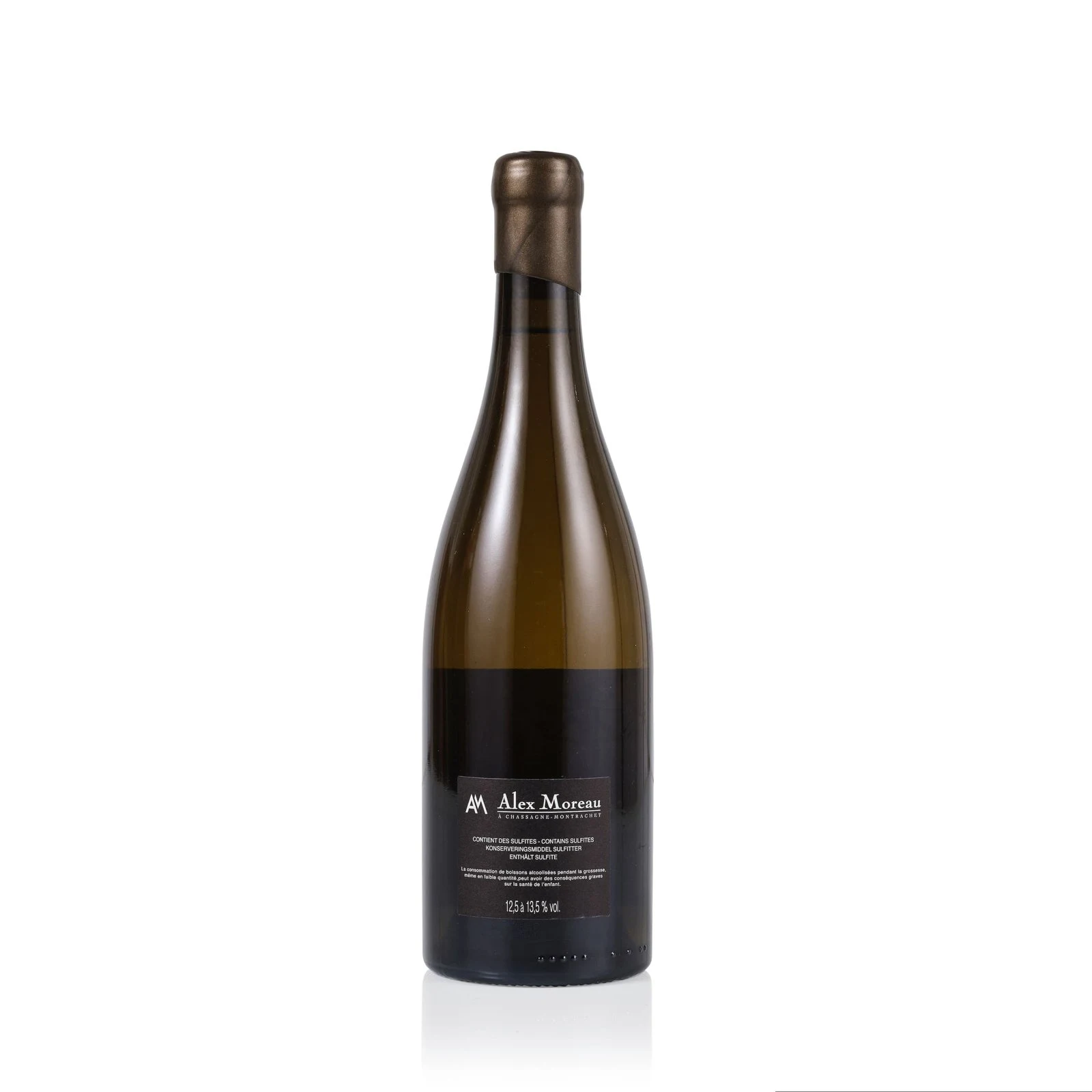
| Domaine Alex Moreau | Chassagne-Montrachet |
| Domaine Fontaine-Gagnard | Chassagne-Montrachet |
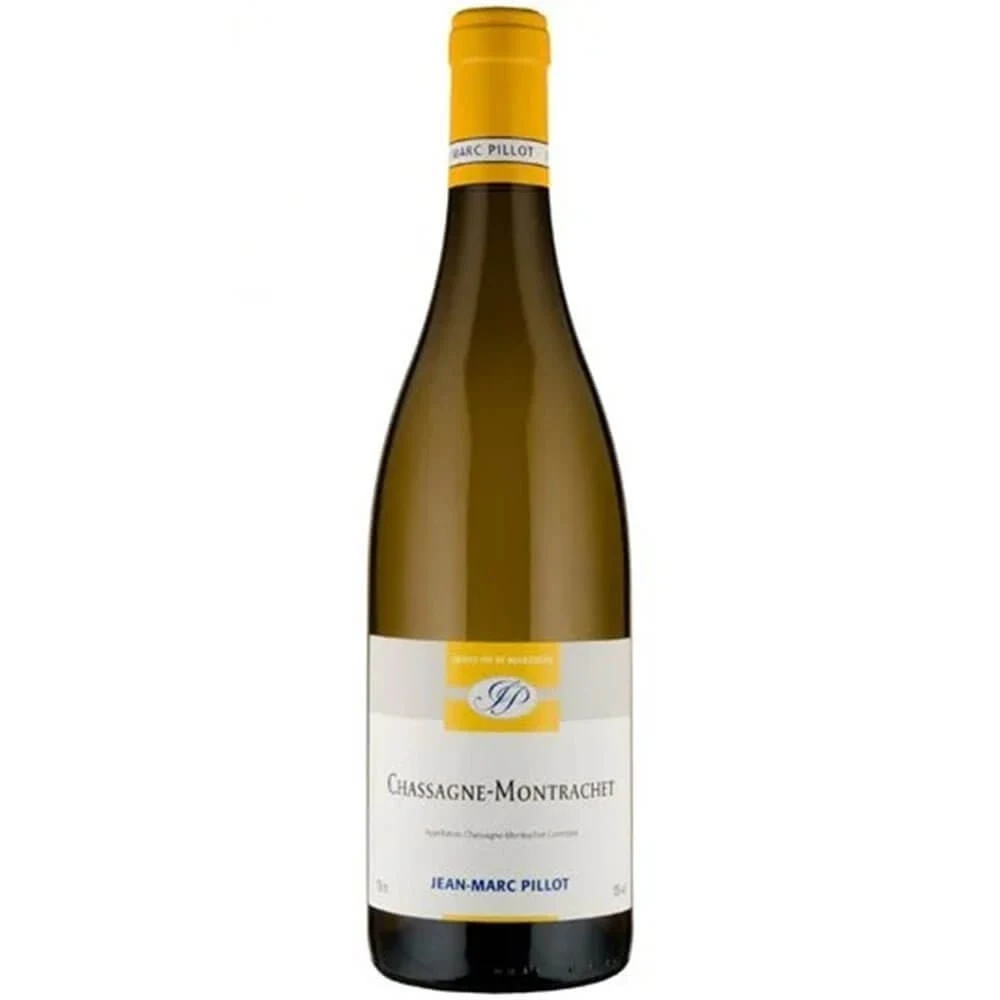
| Domaine Jean-Marc Pillot | Chassagne-Montrachet |
| Domaine Jean-Noël Gagnard | Chassagne-Montrachet |
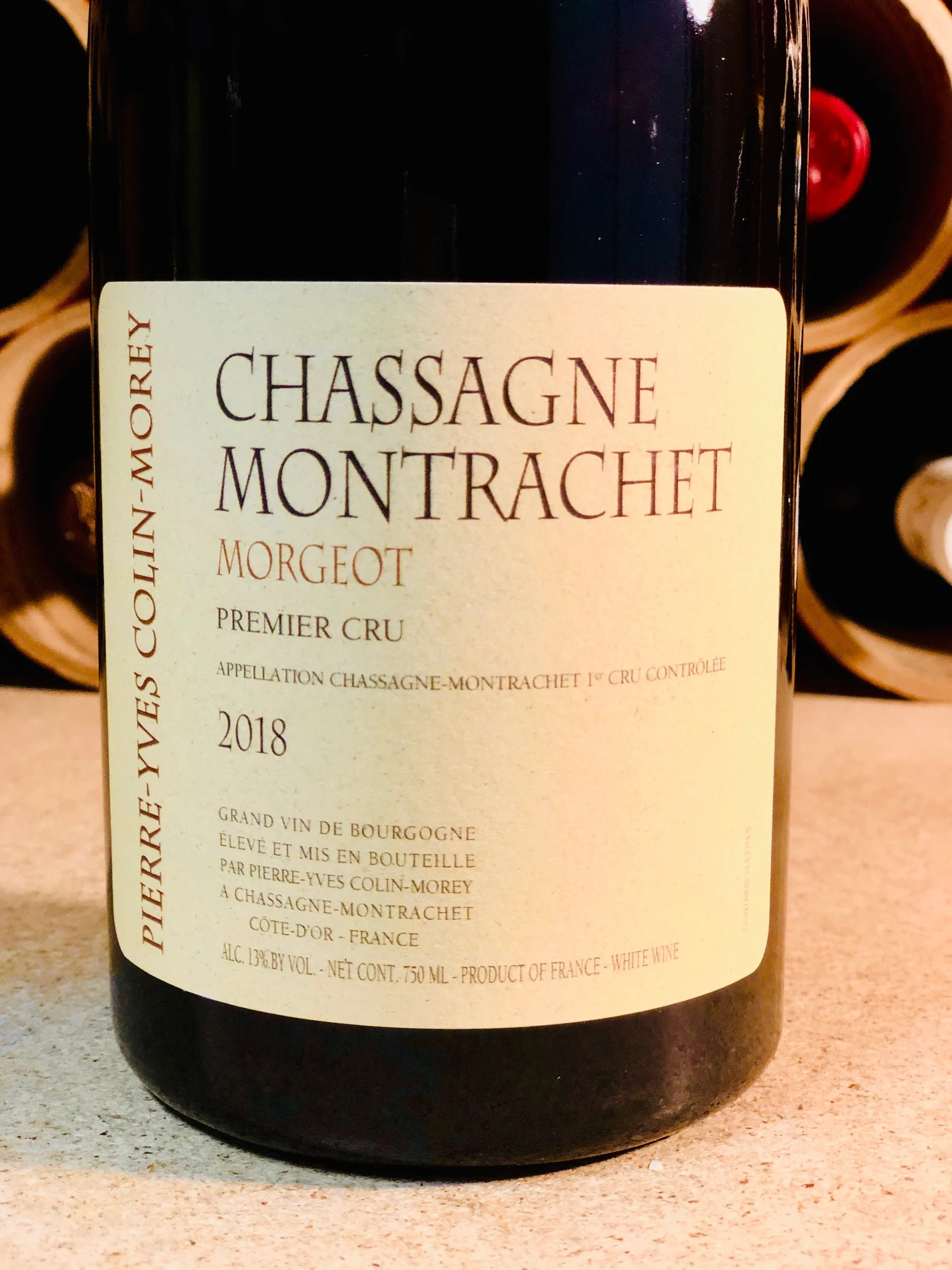
| Domaine Pierre-Yves Colin-Morey | Chassagne-Montrachet |
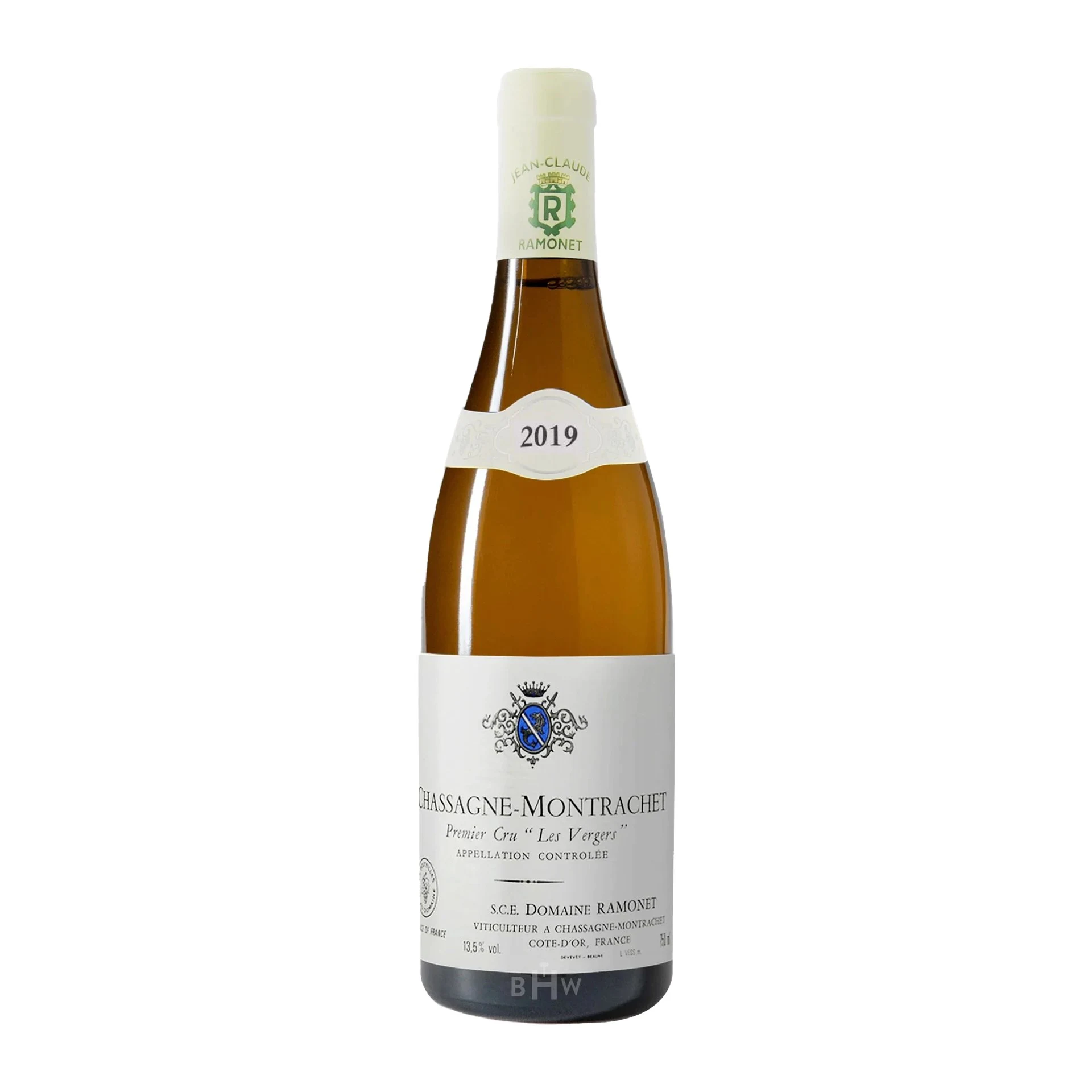
| Domaine Ramonet | Chassagne-Montrachet |
Similar places
Domaine Alex Moreau
Chassagne-Montrachet, France
Domaine Fontaine-Gagnard
Chassagne-Montrachet, France
Domaine Jean-Marc Pillot
Chassagne-Montrachet, France
Domaine Jean-Noël Gagnard
Chassagne-Montrachet, France
Domaine Pierre-Yves Colin-Morey
Chassagne-Montrachet, France
Domaine Ramonet
Chassagne-Montrachet, France