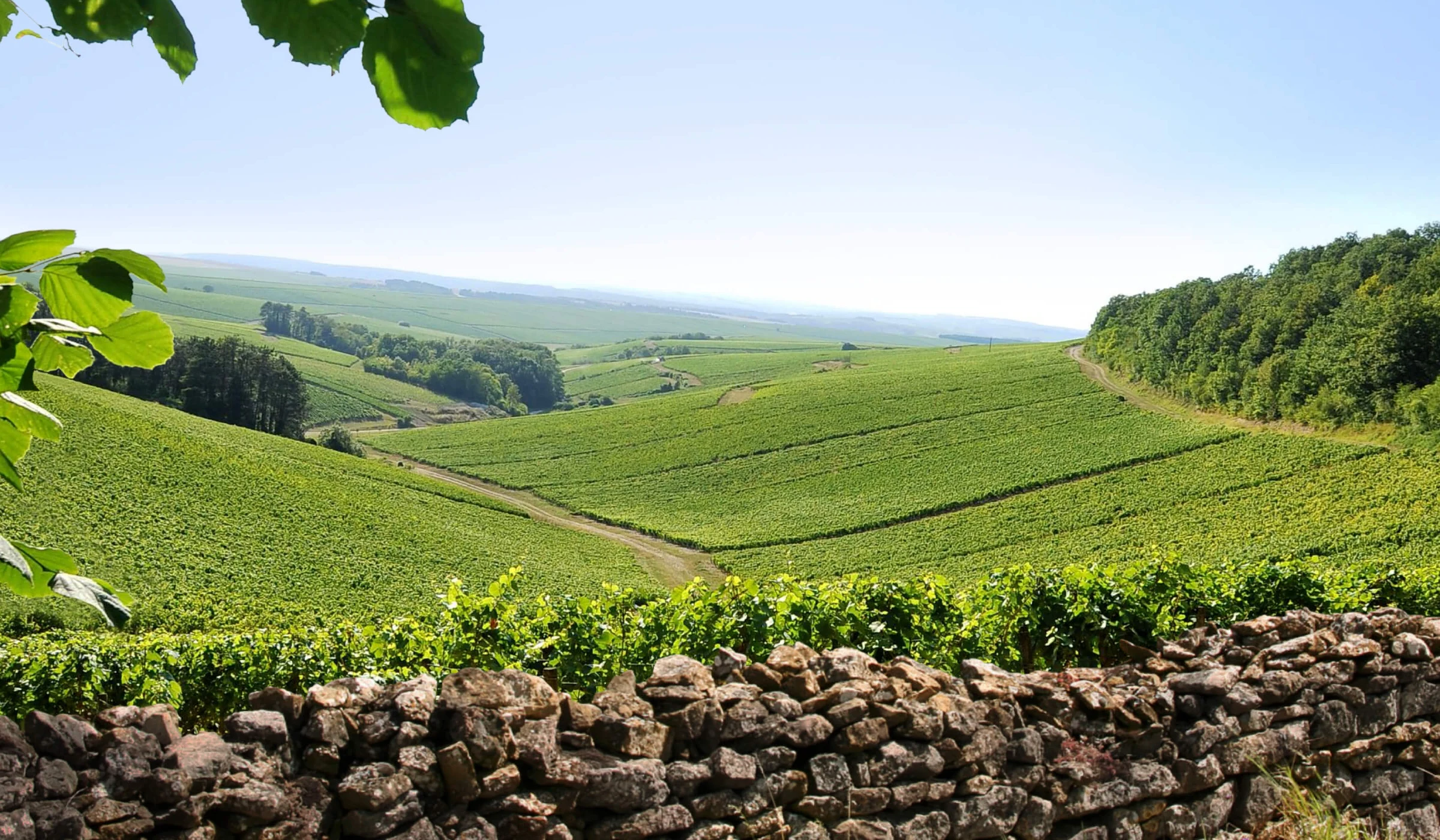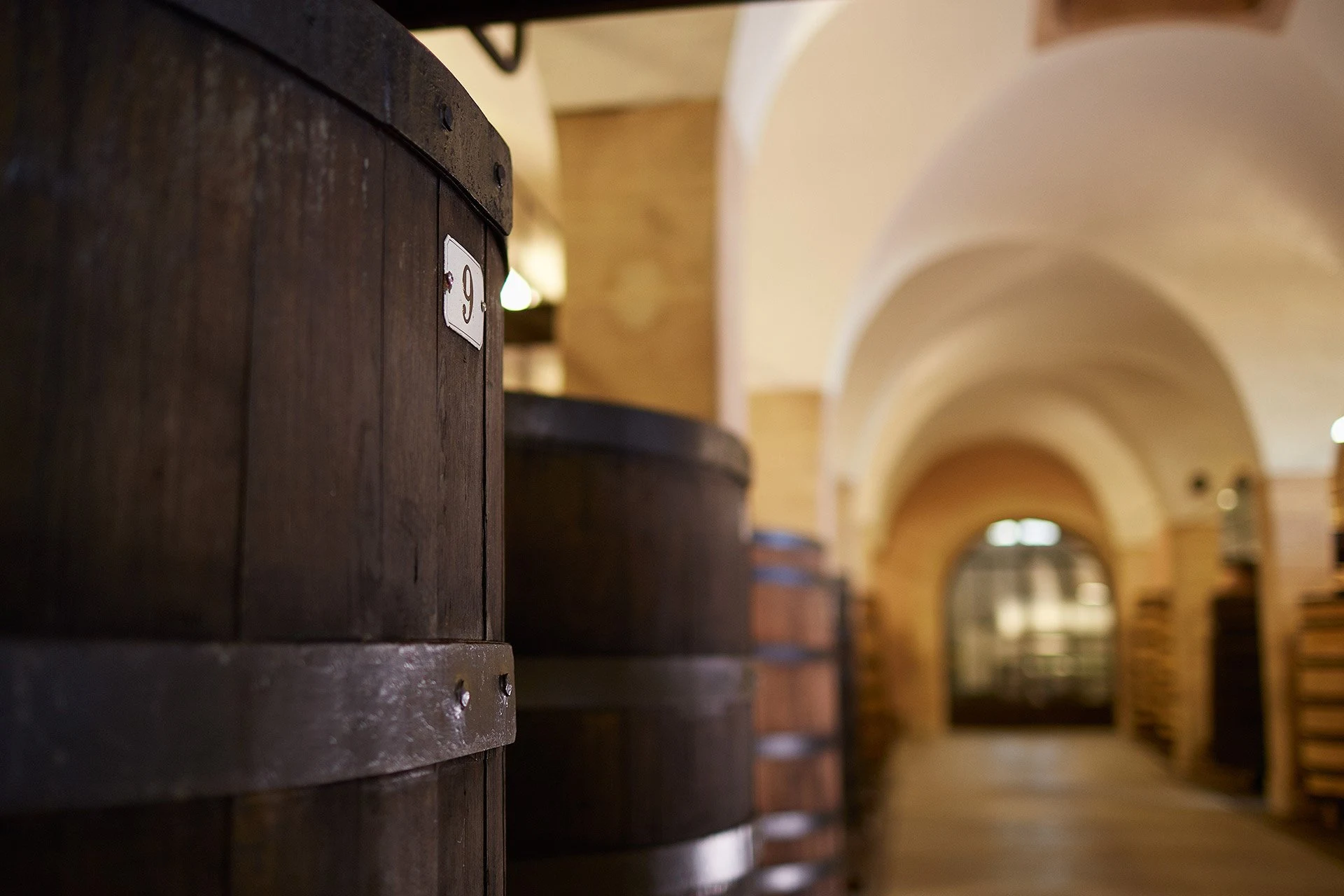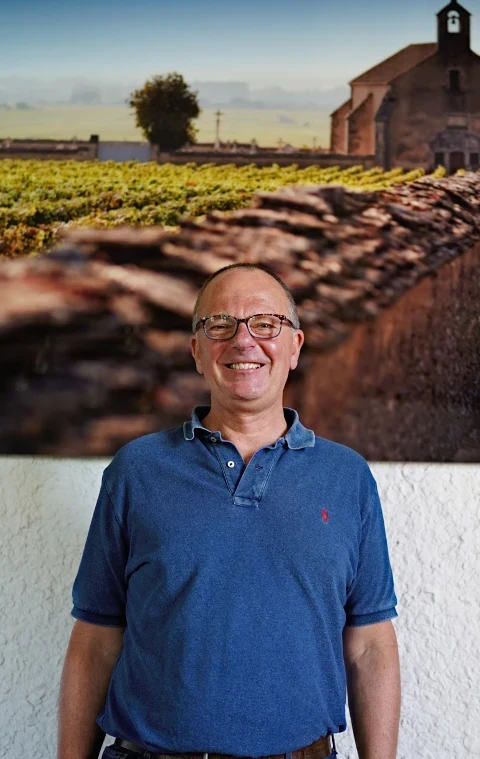
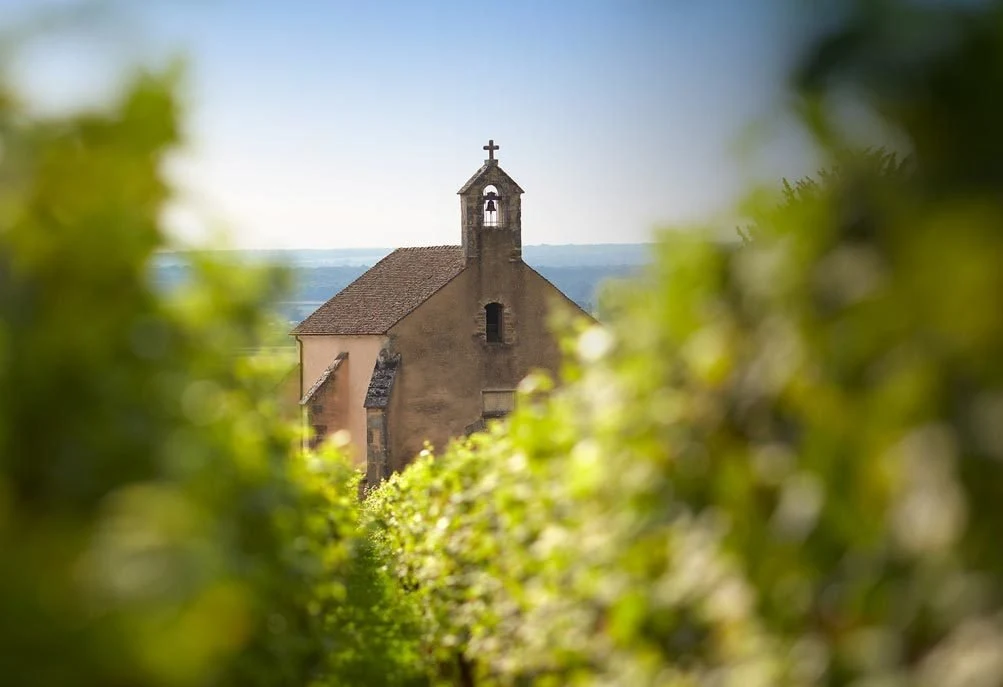
Domaine Clos de la Chapelle sits on Rue du Grenier à Sel in the old walled centre of Beaune, earning a Pearl 2 Star Prestige rating in 2025. The domaine operates within Burgundy's most competitive appellation tier, where vineyard provenance and winemaking restraint define the comparable set. Collectors and serious Burgundy travelers place it among the addresses worth seeking out on any structured visit to the Côte de Beaune.
<h2>Where Beaune's Stone Streets Meet Serious Burgundy</h2><p>Rue du Grenier à Sel runs through the preserved medieval core of Beaune, a narrow street framed by limestone façades and the kind of architectural quiet that accumulates over centuries. The address of Domaine Clos de la Chapelle, number 3, sits inside this fabric, not at its edge. Approaching on foot from the Place Carnot or the Hospices, the street narrows perceptibly, and the transition from wine-tourist Beaune to working-domaine Beaune happens within a few hundred metres. This is where the city's winemaking identity lives at its most concentrated: not in tasting halls designed for passing coaches, but in cellars embedded in the town's own bones.</p><p>That physical context matters for understanding where Domaine Clos de la Chapelle sits within the Côte de Beaune's competitive structure. Beaune is simultaneously the administrative capital of Burgundy's wine trade and a production appellation in its own right, home to a dense cluster of négociants, family domaines, and institutional holdings. The <a href="https://www.enprimeurclub.com/wineries/domaine-des-hospices-de-beaune-beaune-winery">Domaine des Hospices de Beaune</a> holds the most historically visible position in town, with its charity auction acting as an annual barometer for Burgundy pricing. <a href="https://www.enprimeurclub.com/wineries/maison-joseph-drouhin-beaune">Maison Joseph Drouhin</a> and <a href="https://www.enprimeurclub.com/wineries/maison-champy-beaune-winery">Maison Champy</a> anchor the large-négociant tier. Against that backdrop, smaller domaines operating from within the old city walls occupy a different register entirely, one defined by focus, limited volume, and a direct relationship between cellar and vineyard.</p><h2>The 2025 Pearl 2 Star Prestige Rating and What It Signals</h2><p>Domaine Clos de la Chapelle received a Pearl 2 Star Prestige designation in 2025, a recognition that places it within a clearly defined tier of Burgundy producers receiving formal critical acknowledgment in the current cycle. In a region where ratings travel fast through the allocation and collector networks, a Prestige-level signal at this stage of a domaine's recognised trajectory carries weight beyond the certificate itself. It positions the domaine squarely in the conversation alongside other Beaune-area producers who have moved from regional interest to broader critical attention.</p><p>The Prestige classification, at its two-star level, implies a consistent quality benchmark across multiple bottlings rather than a single standout wine. For a domaine operating from a Beaune address, where appellation identity is historically considered a step below the grands crus of Gevrey or Vosne, achieving this kind of cross-tier recognition reflects the current critical reassessment of what Beaune Premier Cru fruit, handled with rigour, can deliver. <a href="https://www.enprimeurclub.com/wineries/maison-benjamin-leroux-beaune-winery">Maison Benjamin Leroux</a> and <a href="https://www.enprimeurclub.com/wineries/domaine-nicolas-rossignol-beaune-winery">Domaine Nicolas Rossignol</a> represent different points on that same reassessment curve, each working within the Beaune appellation framework while building reputations that now extend well beyond it.</p><h2>Winemaking Philosophy in the Côte de Beaune Context</h2><p>The editorial angle on any serious Beaune domaine in 2025 is largely about the tension between tradition and precision. Burgundy's winemaking language, low intervention, site expression, minimal manipulation, has been the dominant vocabulary for decades, but the producers who have earned sustained critical attention in the current cycle are those who apply that vocabulary with specificity rather than as ideology. The distinction between a domaine that avoids new oak on principle and one that calibrates oak contact vineyard by vineyard is meaningful, and it shows in the glass.</p><p>Domaine Clos de la Chapelle operates within this framework, working from a Beaune address that places it directly within the appellation's most contested critical territory. The name itself carries cartographic precision: a clos is a walled vineyard, a classification that in Burgundy implies both geographic enclosure and a historical claim to site-specific identity. The chapelle reference points toward a specific parcel heritage, a type of naming that runs through Burgundy's oldest vineyard records. This is not decorative nomenclature, it is a production identity built around defined land.</p><p>For comparison, consider how the same attention to parcel specificity operates at entirely different scales across France. <a href="https://www.enprimeurclub.com/wineries/albert-boxler-niedermorschwihr-winery">Albert Boxler in Niedermorschwihr</a> has built an Alsace reputation on precisely this kind of single-site rigour. In Bordeaux, Château Bélair-Monange in Saint-Emilion and <a href="https://www.enprimeurclub.com/wineries/chateau-branaire-ducru-st-julien">Château Branaire Ducru in St-Julien</a> anchor their identities in equally specific parcel histories. The logic is consistent: when the land has a name, the wine carries an argument. Domaine Clos de la Chapelle makes the same argument from inside Beaune's walls.</p><h2>Beaune as a Base for Côte de Beaune Exploration</h2><p>The practical case for Beaune as a wine-travel base is well established. The TGV from Paris Gare de Lyon reaches Dijon in under two hours, and Beaune sits a further 40 kilometres south, accessible by regional train or car. The town's compact scale means that the major cellars, the Hospices, the Athenaeum wine library, and the surrounding Premier Cru vineyards are all within walking distance or a short drive. Visiting in September or October brings the harvest rhythm into direct view; spring visits reward those who want cellar access with fewer competing tasting-room demands.</p><p>Within Beaune's tasting-room circuit, Domaine Clos de la Chapelle at 3 Rue du Grenier à Sel sits in the older residential quarter, away from the commercial concentration around the Hospices. For those building a structured visit, moving from institutional houses to smaller family operations, sequencing a visit here after the larger négociant houses provides useful calibration. The scale difference between a Maison Drouhin tasting and a smaller domaine experience is instructive, and the contrast sharpens the argument that appellation Beaune, at its most focused, is a different proposition from what the town's busiest tasting rooms typically present.</p><p>Visitors approaching Burgundy from a comparative French wine perspective may also find it useful to track how prestige-tier domaines benchmark across regions. <a href="https://www.enprimeurclub.com/wineries/chateau-bastor-lamontagne">Château Bastor-Lamontagne in Preignac</a> and <a href="https://www.enprimeurclub.com/wineries/chateau-batailley-pauillac-winery">Château Batailley in Pauillac</a> represent the Bordeaux equivalent of formally recognised, non-first-growth addresses that have earned sustained critical attention through production consistency. <a href="https://www.enprimeurclub.com/wineries/chateau-boyd-cantenac-cantenac-winery">Château Boyd-Cantenac in Cantenac</a> offers another data point in that same mid-classified Bordeaux tier. The common thread across all of them, and across Domaine Clos de la Chapelle, is that Prestige-level recognition at the two-star tier reflects accumulated evidence rather than a single vintage breakthrough.</p><h2>Planning a Visit</h2><p>Rue du Grenier à Sel is walkable from Beaune's main Place Carnot in under ten minutes, and the address sits within the inner ring of the town's medieval walls. Visits are by appointment only. The 2025 Pearl 2 Star Prestige rating has increased external interest in the domaine, and visits are by appointment only. Spring, particularly April through early June, historically offers the most accessible window for smaller Beaune domaines, with more cellar staff available and the vintage cycle in a quieter phase between bottling and the summer visitor peak.</p>
Domaine Clos de la Chapelle has received recognition including: Pearl 2 Star Prestige (2025).
Domaine Clos de la Chapelle is located at 3 Rue du Grenier À Sel, 21200 Beaune, Beaune.
Given the domaine's name encodes a specific parcel identity, the most informed visits centre on Beaune appellation wines where site expression is most legible. The 2025 Pearl 2 Star Prestige designation signals production that rewards attention to terroir detail rather than a broad portfolio approach. Visitors with prior Burgundy experience typically arrive with a particular parcel or vintage in mind rather than tasting across the range.
The 2025 Pearl 2 Star Prestige rating places Domaine Clos de la Chapelle within a formally recognised tier of Burgundy producers, and the address at 3 Rue du Grenier à Sel puts it inside Beaune's medieval core, walkable from the town's central points. The domaine's name references a named parcel, which signals a production identity anchored to a specific piece of ground rather than a négociant-style assembled range. That combination of credential and geographical specificity is what draws serious Burgundy travellers to the address.
No public booking platform or direct contact is currently listed for the domaine. Following the 2025 Pearl 2 Star Prestige recognition, demand for appointments at producers operating at this tier in Beaune typically increases, so arriving without prior contact carries more risk than it would at a larger négociant house. The practical approach is to reach out directly through any contact details available on the domaine's own channels before planning a visit.
The Pearl 2 Star Prestige designation, received in 2025, places Domaine Clos de la Chapelle above the general recognition tier and within a defined group of producers across Burgundy where parcel precision and production rigour are the primary criteria. In Beaune specifically, the Côte de Beaune encompasses appellations from Meursault to Corton, and producers operating at this recognised level are typically those working named parcels with documented site identity. The domaine's address in Beaune's medieval centre positions it alongside the town's most established wine addresses rather than on the commercial periphery.
The domaine addresses travellers who have moved past introductory Burgundy visits and are building a more granular understanding of how appellation and parcel affect what is in the glass. The Pearl 2 Star Prestige designation, awarded in 2025, places it within a tier where the conversation is about site and vintage rather than category. Beaune's position at the centre of the Côte de Beaune also makes it a practical base for pairing this visit with other parcel-specific producers in the surrounding communes.
3 Rue du Grenier À Sel, 21200 Beaune
Volnay