Fabien Coche, winemaker at Domaine Coche-Bizouard in Meursault, carefully works old-vine Chardonnay with organic farming and quiet oak.
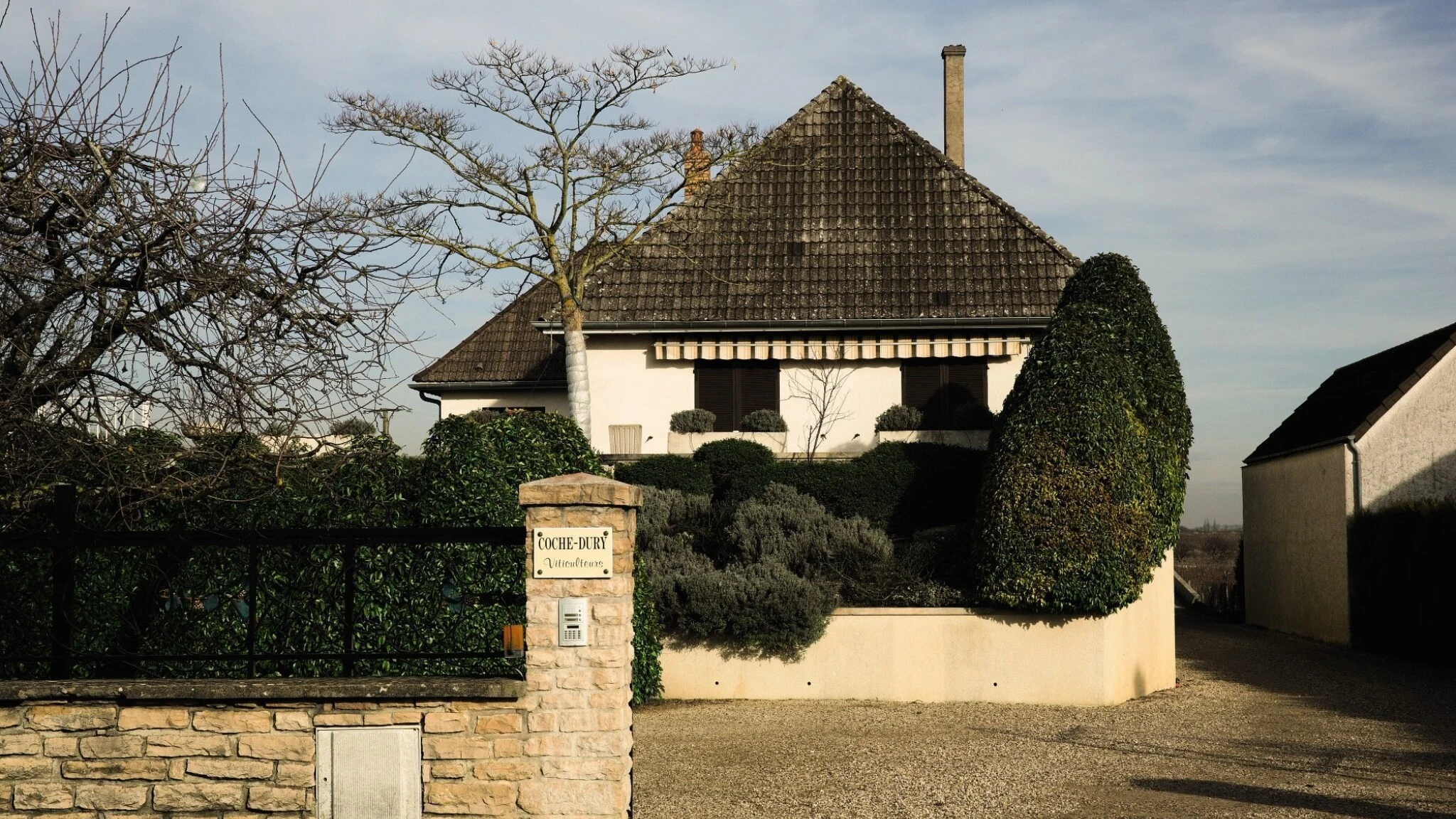
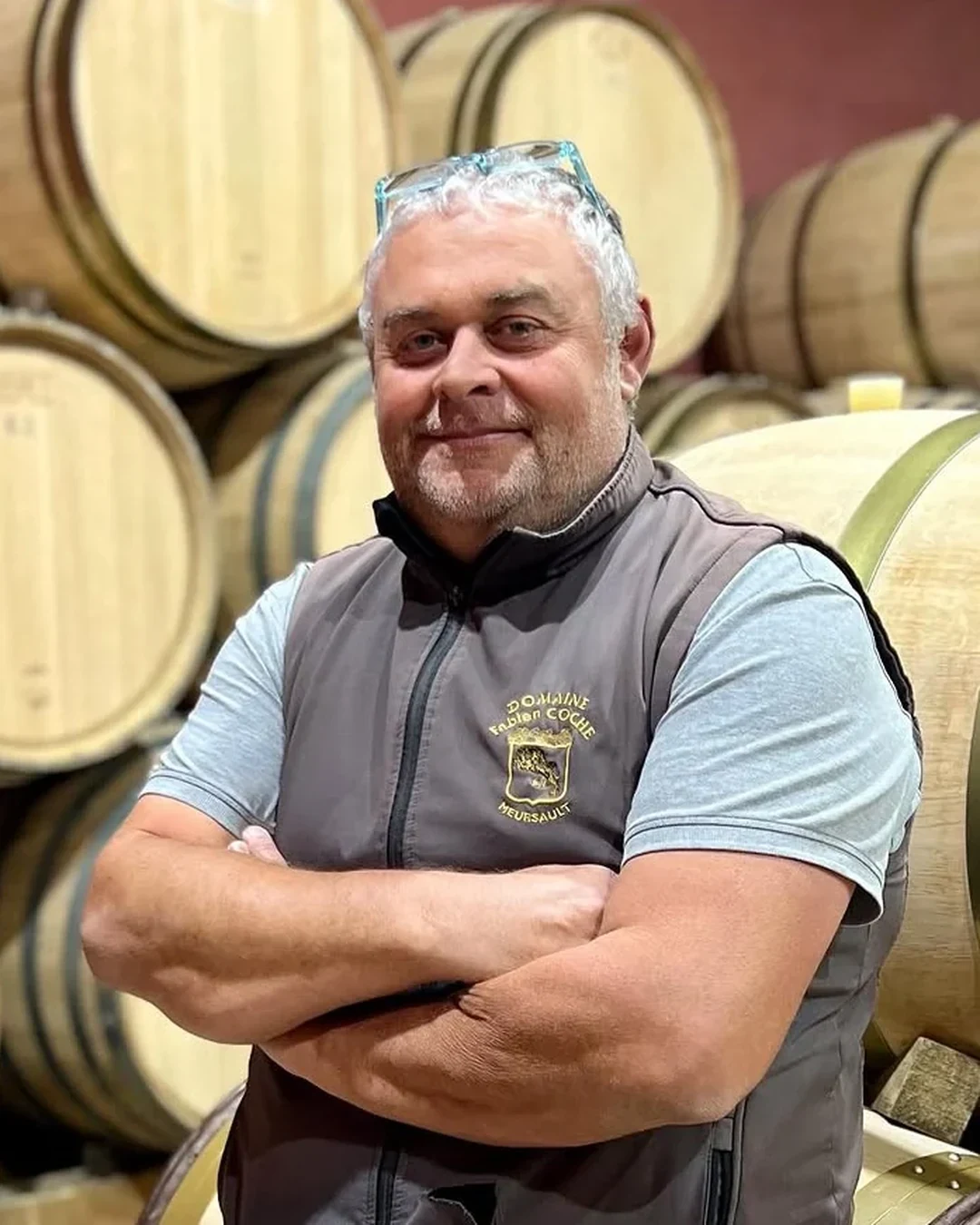
Fabien Coche keeps oak quiet as winemaker at Domaine Coche-Bizouard in Meursault, where Chardonnay and Pinot Noir move through a family cellar built for restraint. The domaine is now known as Domaine Fabien Coche, but its older name still carries the line: Coche-Bizouard, founded in 1940, with Fabien taking leadership from his father, Alain Coche, in 2005. He had already taken over the winemaking in 1997, and the work has stayed close to the family method, low intervention, traditional handling, and a cellar language that asks wood to frame rather than lead.
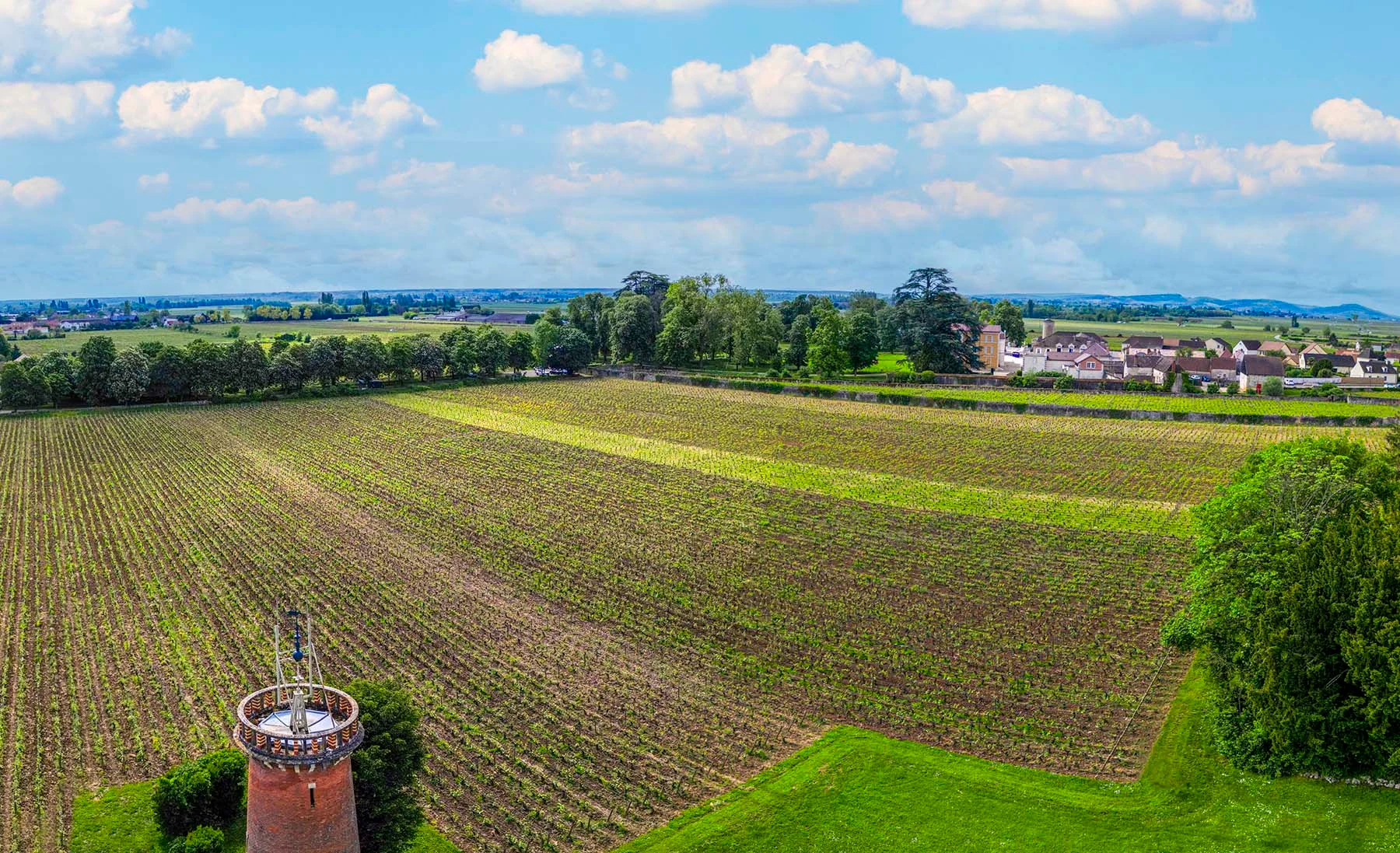
Fabien Coche works as both proprietor and winemaker, which matters in a village where the distance between parcel, barrel and bottle can be the whole argument. The estate farms about 12 hectares across Meursault and neighbouring Côte de Beaune villages, with Chardonnay at the centre and Pinot Noir held in a smaller register. The family line is fourth generation, and the formal shift to organic certification in 2023 gives a current marker to a domaine already shaped by continuity, patience and close work in the vines.
The program rests on Meursault whites with enough concentration to age without being pushed in the cellar. For premier cru wines such as Les Charmes and La Goutte d’Or, the domaine works with vines described as 75 to 80 years old, a material fact that explains much of the depth before any cellar choice enters the room. Coche uses 20% new oak for premier cru whites and 15% for village wines, a small difference with a clear purpose: give the higher sites enough frame, while keeping the village bottlings more directly on fruit, line and mineral tension.
Large wooden vats and few new barrels sit inside the same discipline. The wines are dry, still Burgundies, led by Chardonnay but not limited to it, with reds from Pinot Noir extending the estate’s read of neighbouring villages. The conversion to organic farming began with the 2017 vintage and reached certification in 2023, a change Coche has stated plainly: “We chose to convert the domaine's 12 hectares to organic farming starting with the 2017 vintage, with certification in 2023.” Here, farming and élevage are not separate gestures. They are the same argument carried from soil to cask.
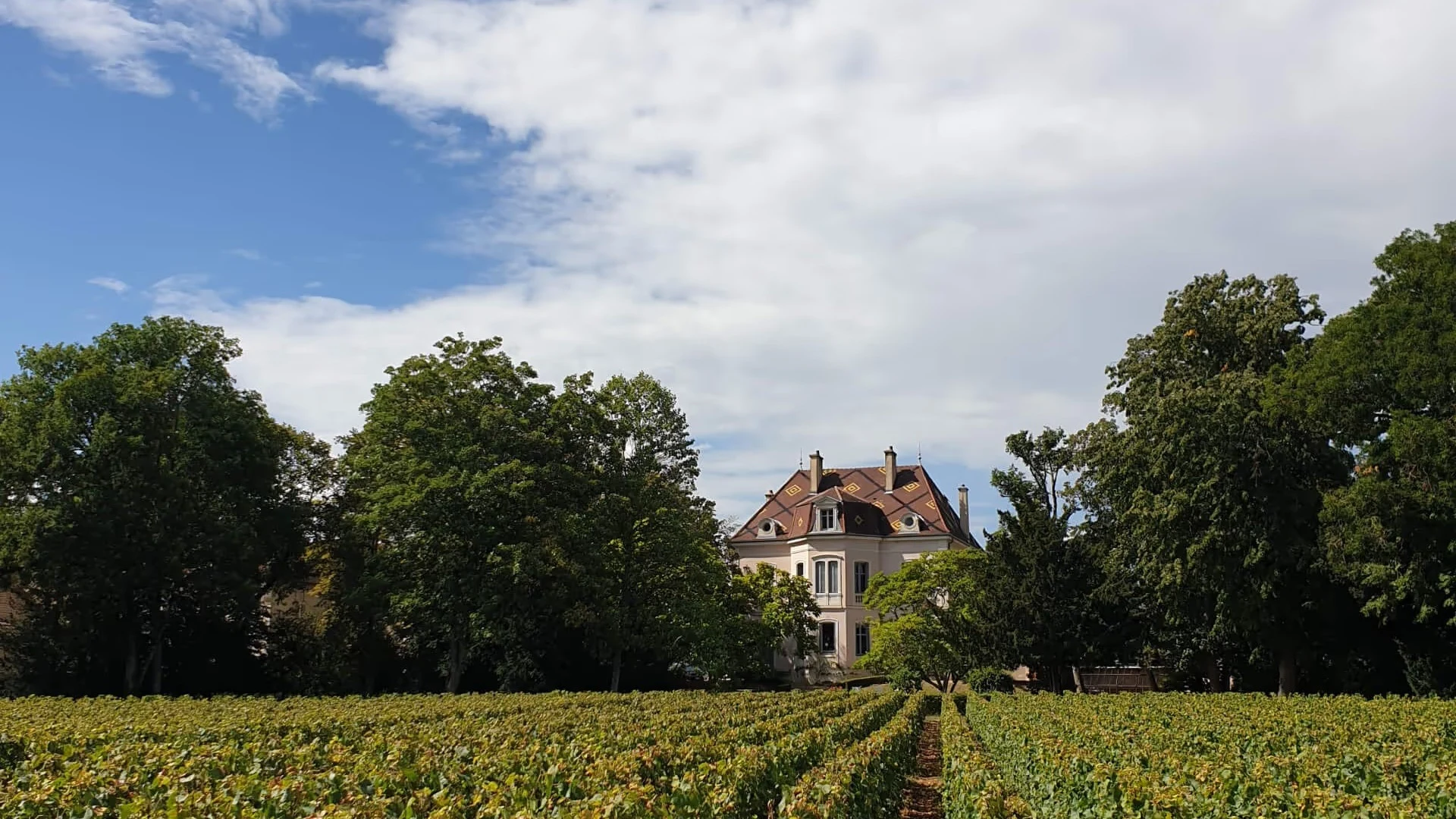
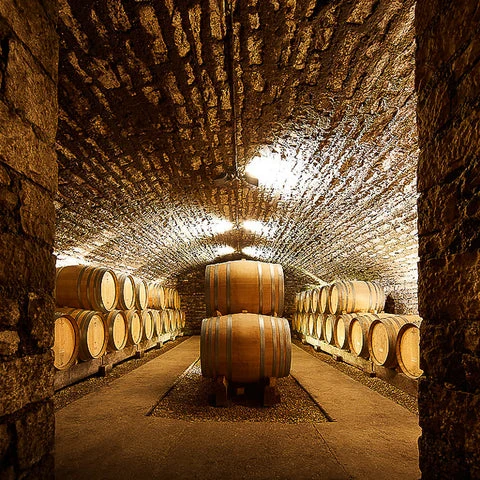
The place reads as a working Burgundy domaine rather than a designed visitor address. The cellar, the village parcels and the bench-side decisions carry the atmosphere: quiet, family-run, more concerned with what enters the vat than how the room performs. Meursault sets the pace. Stone, old barrels, white wine in progress, red wine held to structure rather than softness; the house is not built around spectacle.
That restraint shapes the wines as much as the technical choices do. Oak stays present but not loud. The fruit remains legible. The cellar keeps its attention on texture, site and the length of the line. If the domaine has a next sentence, it is already in the bottles now carrying Fabien Coche’s name, especially L’Ormeau, Le Limozin, Les Chevalières, Les Luchets and Meursault Charmes.
Meursault, Bourgogne-Franche-Comté, Frankreich
Meursault