Anne-Laure Hernette is winemaker at Domaine de la Bressande in Rully, making Chardonnay and Pinot Noir there as well.
After sorting, the grapes rest cold for up to 24 hours, under the eye of Anne-Laure Hernette, winemaker at Domaine de la Bressande in Rully. She has held the role since 2016. The work suits a maker whose path has moved through both the bench-side and the market-facing parts of wine: training at CFPPA de Beaune, vineyard and cellar work at a family estate in Givry, vinification and sales in Australia and New Zealand, then Malbec, Cabernet Sauvignon and Merlot in Argentina. Back in France, she worked with reds at Cave de Tain L’Hermitage in Crozes-Hermitage, then with new grape varieties and blends in Lubéron. At Bressande, that range narrows into Burgundy discipline. Chardonnay and Pinot Noir are the grammar; Rully and Mercurey are the places to be read. Her task is not to make the domaine feel old. It is to keep each parcel legible through repetition, restraint, and the steady decisions that turn fruit into wine.
The estate farms 35 hectares across Rully and Mercurey, with 10 individual single-vineyard plots and half of the holdings classified as Premier Cru. All fruit is estate-grown. The vineyard work follows a sustainable course, with HVE certification in place since the 2020 vintage, herbicides removed, and bio-control products used to reduce spraying. In the cellar, Hernette keeps the handling clear and measured. White grapes for Rully Chardonnay go through a pneumatic press, then cold settling before alcoholic fermentation in temperature-controlled vats, stainless steel or concrete. The Rully Village white moves into oak barrels, including 20% new barrels, on fine lees for 9 months. Bâtonnage comes about twice a month until malolactic fermentation completes, building texture without covering the fruit. Reds such as Mercurey also ferment in temperature-controlled vats, with gentle handling aimed at keeping Pinot Noir intact. The oak program stays judicious rather than declarative. The method gives the wines their frame: fruit first, then lees, then wood as a measured tool.
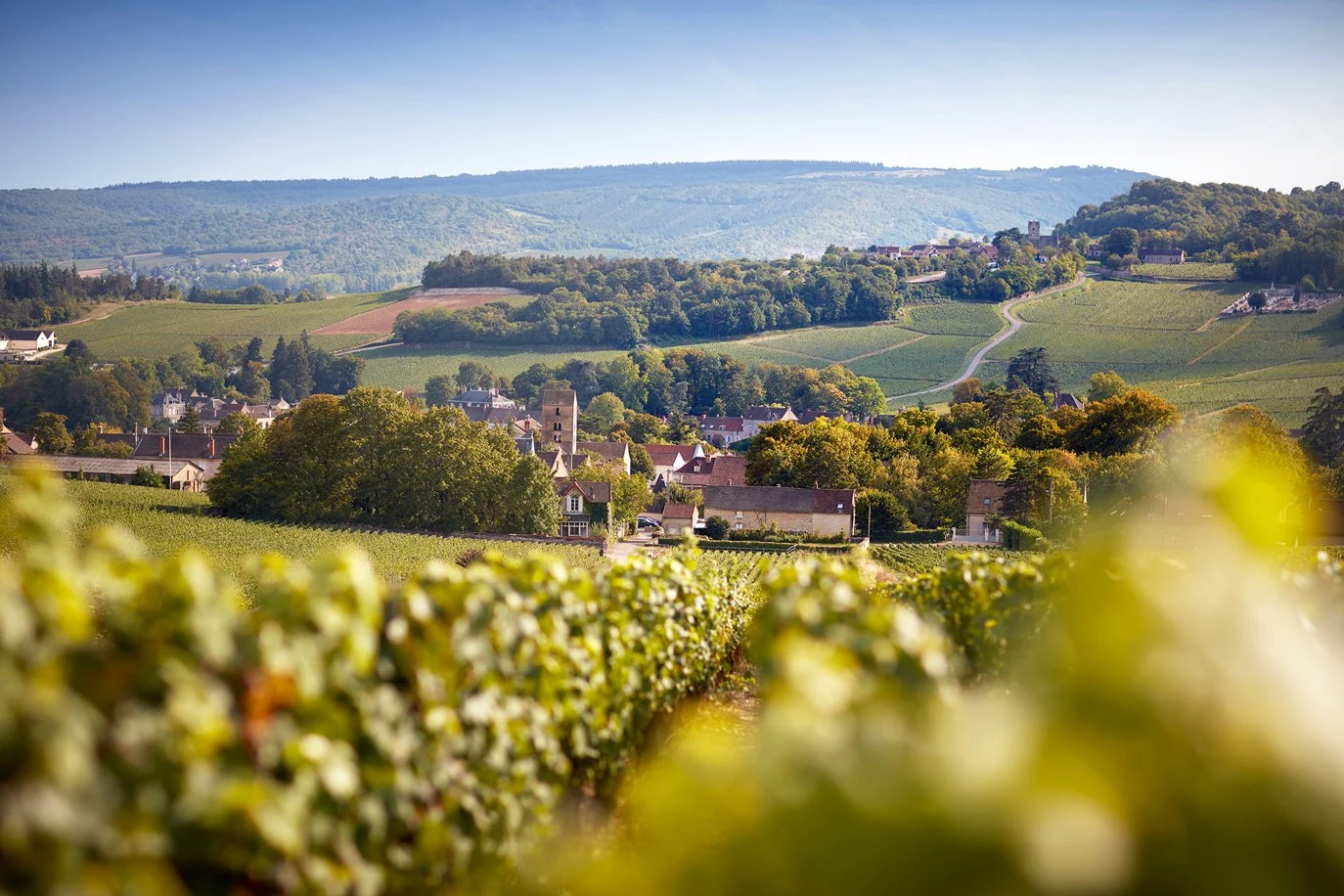
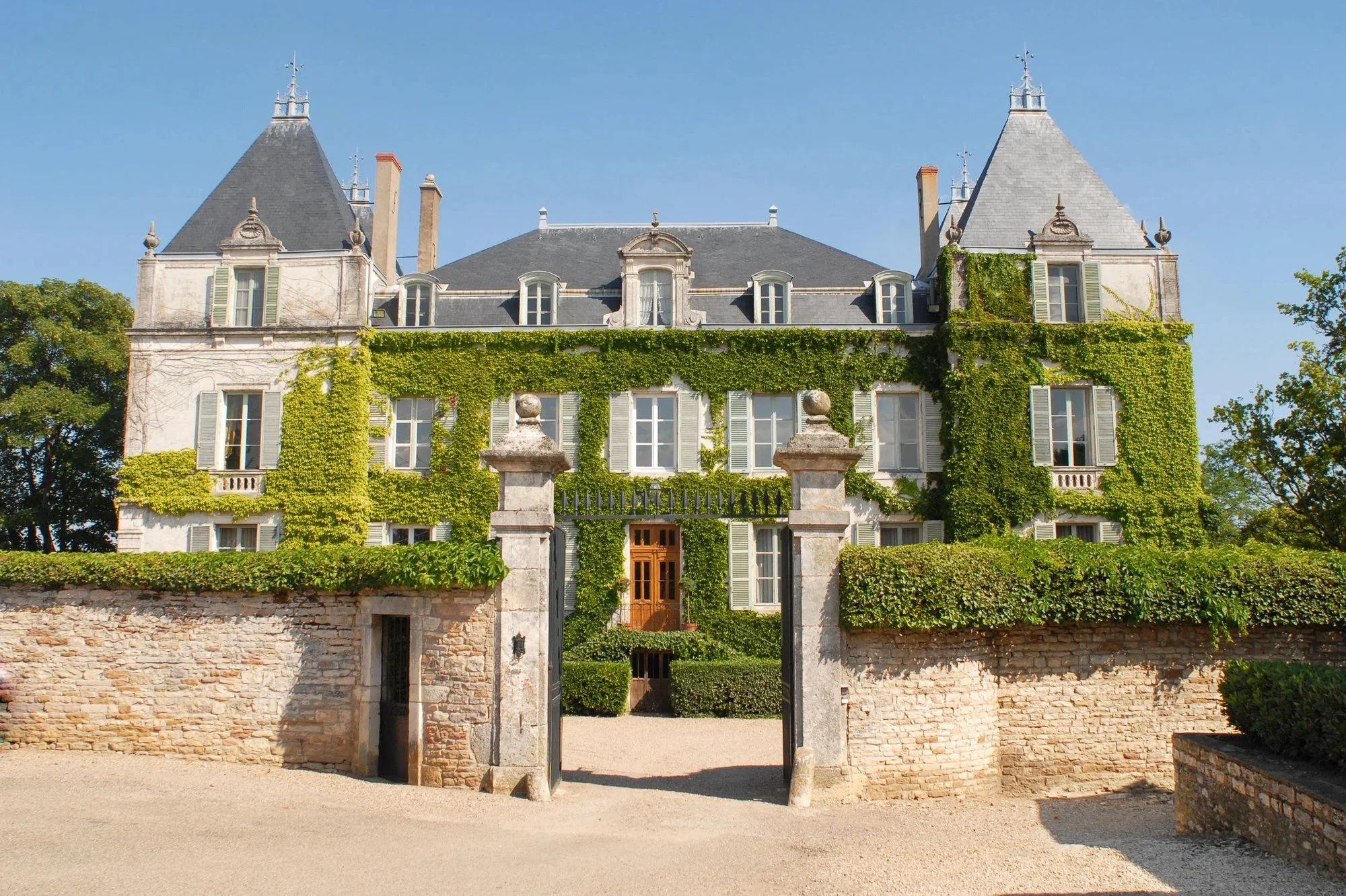
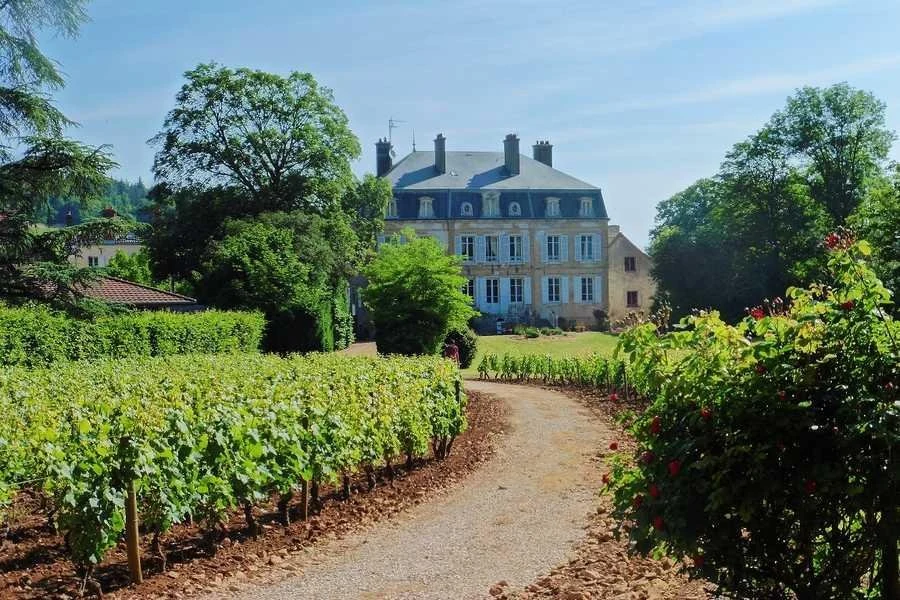
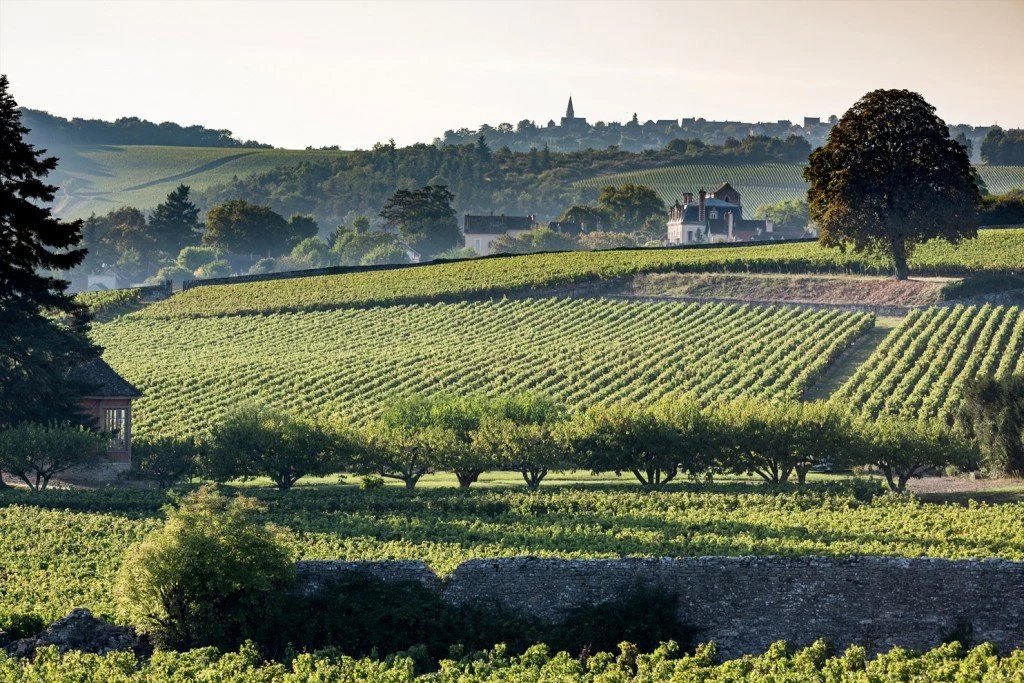
The place carries the plain atmosphere of a small family Burgundy estate, quiet enough for the cellar decisions to feel audible. The vineyard lies between two Côte Chalonnaise villages with different registers: Rully, the northern village known for both white and red wines, and Mercurey, where Pinot Noir brings more structure. In the cellar, the important movements are modest ones: the press filling, the vat temperatures held, the lees stirred on schedule, the barrel program kept in proportion. There is no need to dress that up. The estate’s character comes from the practical sequence of work and from the decision to build around parcel selection, yield control, and quality monitoring from vine to glass. The room serves that discipline. It gives Hernette the conditions to make Rully and Mercurey speak without pushing them into the same accent.
Domaine de la Bressande is contemporary by Burgundian standards, founded in 2016, but its materials are older than the label: mature vines, Premier Cru parcels, clay-limestone soils, and the two grapes that have long carried this part of the region. One current measure of the estate’s standing is the 2022 Mercurey 1er Cru En Sazenay, awarded 96 points by the International Wine Challenge. The next pass through the cellar returns to the same decisions of sorting, settling, fermentation, lees, and oak for Rully Saint-Jacques Blanc 2020.
Rully, Bourgogne-Franche-Comté, Frankreich
Rully