- Falstaff Winery - Listed · 2026
Domaine de L'Aurage in Saint Genes De Castillon is best understood as a serious right-bank Bordeaux estate rather than a tourism-led stop. The profile is narrow but useful: the setting and mood are described as discreet, classic, and quietly ambitious, with an artisanal feel. The emphasis is on meticulous vineyard work and long oak-barrel élevage, not on broad visitor amenities or a hospitality performance.
That distinction matters when planning a visit or deciding whether the estate fits your itinerary. Some wine addresses are built around public-facing experiences, polished tasting rooms, retail displays, or destination-style programming. Domaine de L'Aurage is presented differently: as a production-focused estate whose identity rests on the work in the vineyard and the patience of cellar aging. The tone is serious and contemplative, with the wine itself at the center.
A discreet right-bank Bordeaux estate
The most reliable way to frame Domaine de L'Aurage is as a classic right-bank Bordeaux property in Saint Genes De Castillon with a quiet, artisanal character. The description does not support detailed claims about vineyard size, grape varieties, production volume, ownership, cuvées, tasting formats, or formal visit structure. What can be said is that the estate’s appeal is tied to careful vineyard work and long élevage in oak barrels.
For travelers, that means the value of the stop is not measured by entertainment features. The experience, where available, should be approached as wine-focused and reflective rather than casual or resort-like. Visitors looking for a broad list of amenities may want to set expectations carefully. Visitors who appreciate restrained, production-first estates may find the atmosphere more compelling precisely because it does not appear designed around spectacle.
The price level is listed as $$$, placing Domaine de L'Aurage in a premium planning category. That indicator should be treated as a general guide rather than a detailed bottle, tasting, or purchasing schedule.
What, and what is not
Because Domaine de L'Aurage is a thin-data listing, it is important not to overstate details that are not confirmed. The record supports the estate’s location in Saint Genes De Castillon, its premium price marker, and its discreet right-bank Bordeaux character. It also supports the idea that the estate prioritizes meticulous vineyard work and long oak-barrel élevage over tourism amenities.
Beyond that, specific operational and production claims should be treated cautiously unless confirmed directly with the estate. This page does not verify opening hours, appointment rules, tasting availability, bottle lists, grape varieties, founding date, estate size, production scale, staffing, awards, scores, visitor capacity, parking, food service, delivery, or dietary accommodations. If any of those details are important to your visit, confirm them before making plans.
This restraint is not a weakness in the venue profile; it is the most accurate way to describe a property whose public-facing identity is not built around expansive hospitality information. Domaine de L'Aurage reads as a place for people who want to focus on the seriousness of a Bordeaux estate rather than on a long checklist of services.
How to think about a visit
Plan around the atmosphere first. Domaine de L'Aurage is described as discreet and classic, with a quietly ambitious, artisanal feel. That suggests a composed, wine-centered experience rather than a lively social stop. It is better suited to travelers who enjoy understanding how an estate presents itself through vineyard discipline, cellar patience, and a restrained sense of place.
The safest approach is to treat Domaine de L'Aurage as a serious wine estate in Saint Genes De Castillon and confirm all practical details directly before arrival.
For a broader Saint Genes De Castillon plan, compare Domaine de L'Aurage with other local dining, lodging, bar, winery, and experience options generically rather than assuming they share the same style. Domaine de L'Aurage’s identity is not that of a restaurant, hotel, or casual attraction; it is a contemplative Bordeaux estate where the emphasis falls on vineyard work and long oak-barrel élevage.
Questions
Frequently asked
Who works at Domaine de L'Aurage?
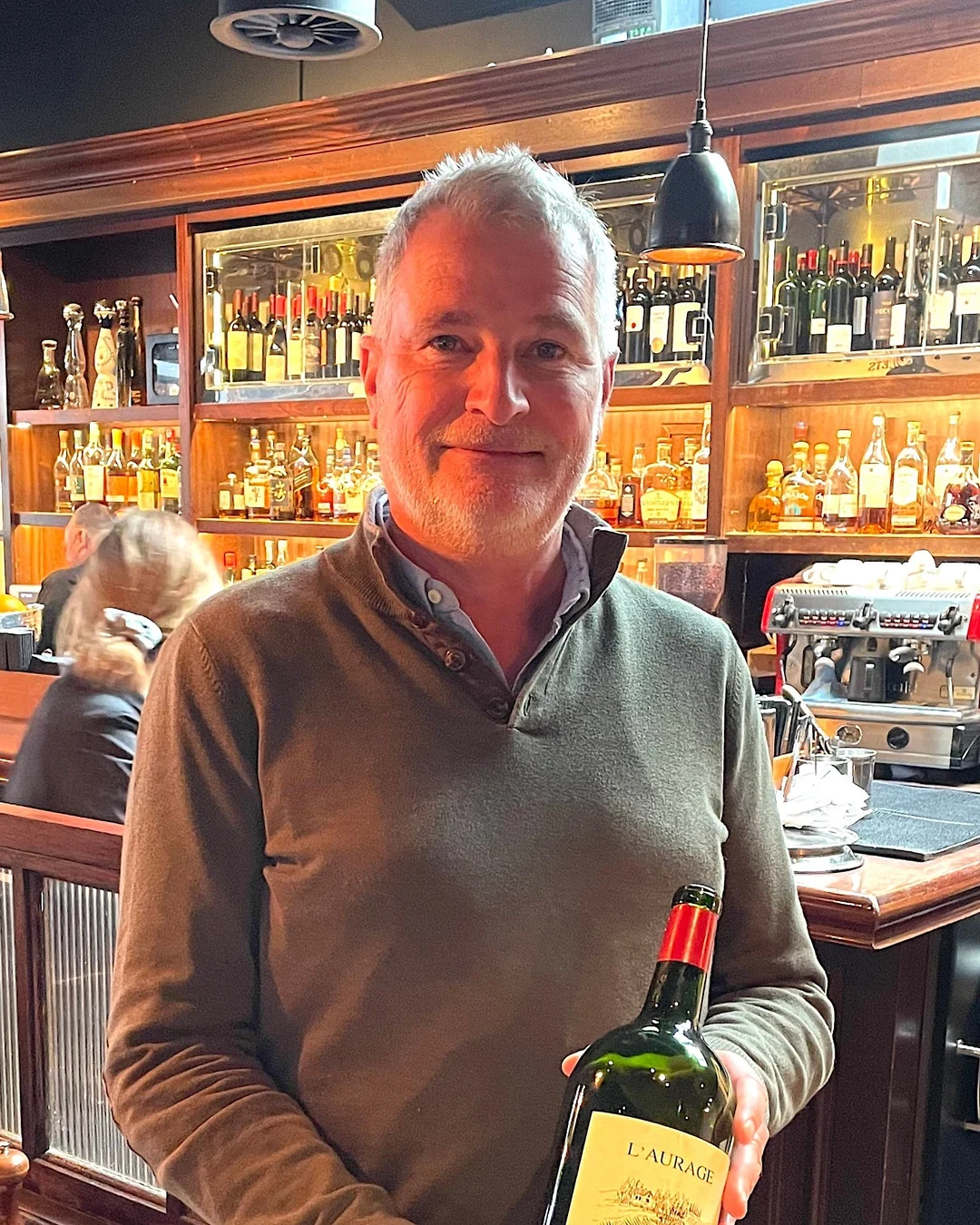
Made By profiles Louis Mitjavile (Winemaker) at Domaine de L'Aurage.
How expensive is Domaine de L'Aurage?
Domaine de L'Aurage is listed at a price level of $$$.
The field
How it compares
| Place | Notes | Awards |
|---|---|---|
| Domaine de L'Aurage | Saint-Genès-de-Castillon, $$$ | · |
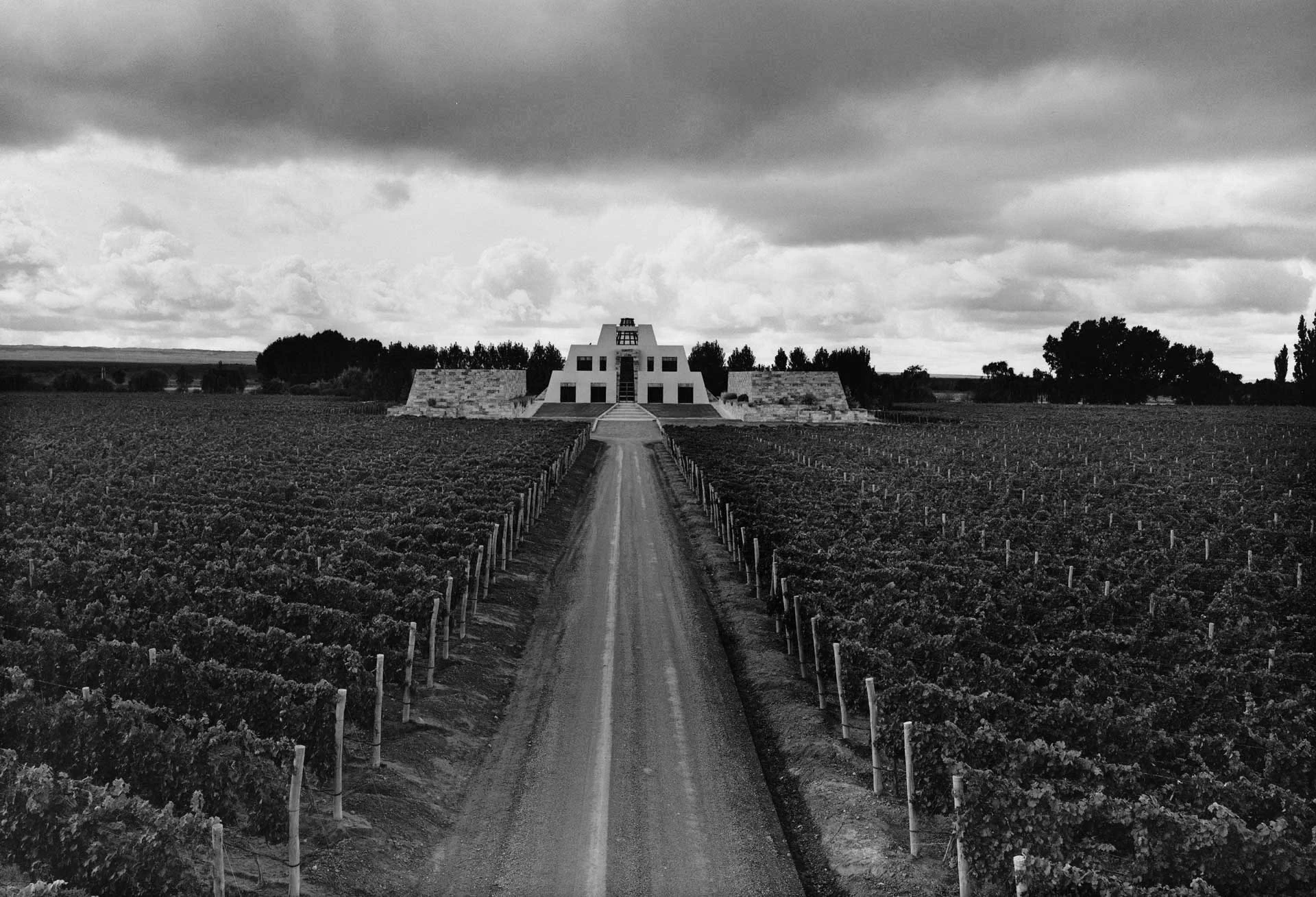
| Catena Zapata | Agrelo | World's 50 Best |
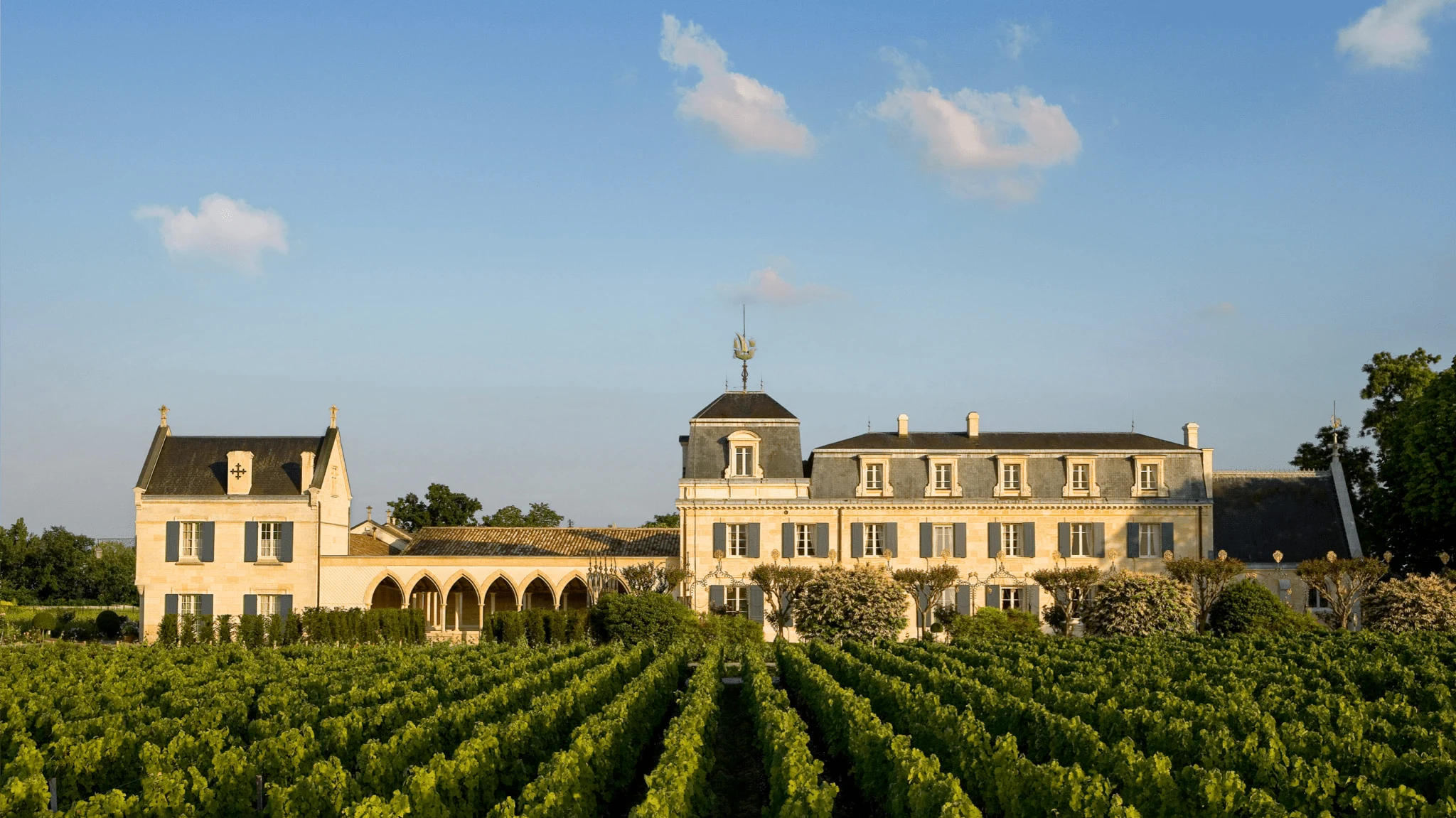
| Château La Mission Haut-Brion | Talence | · |
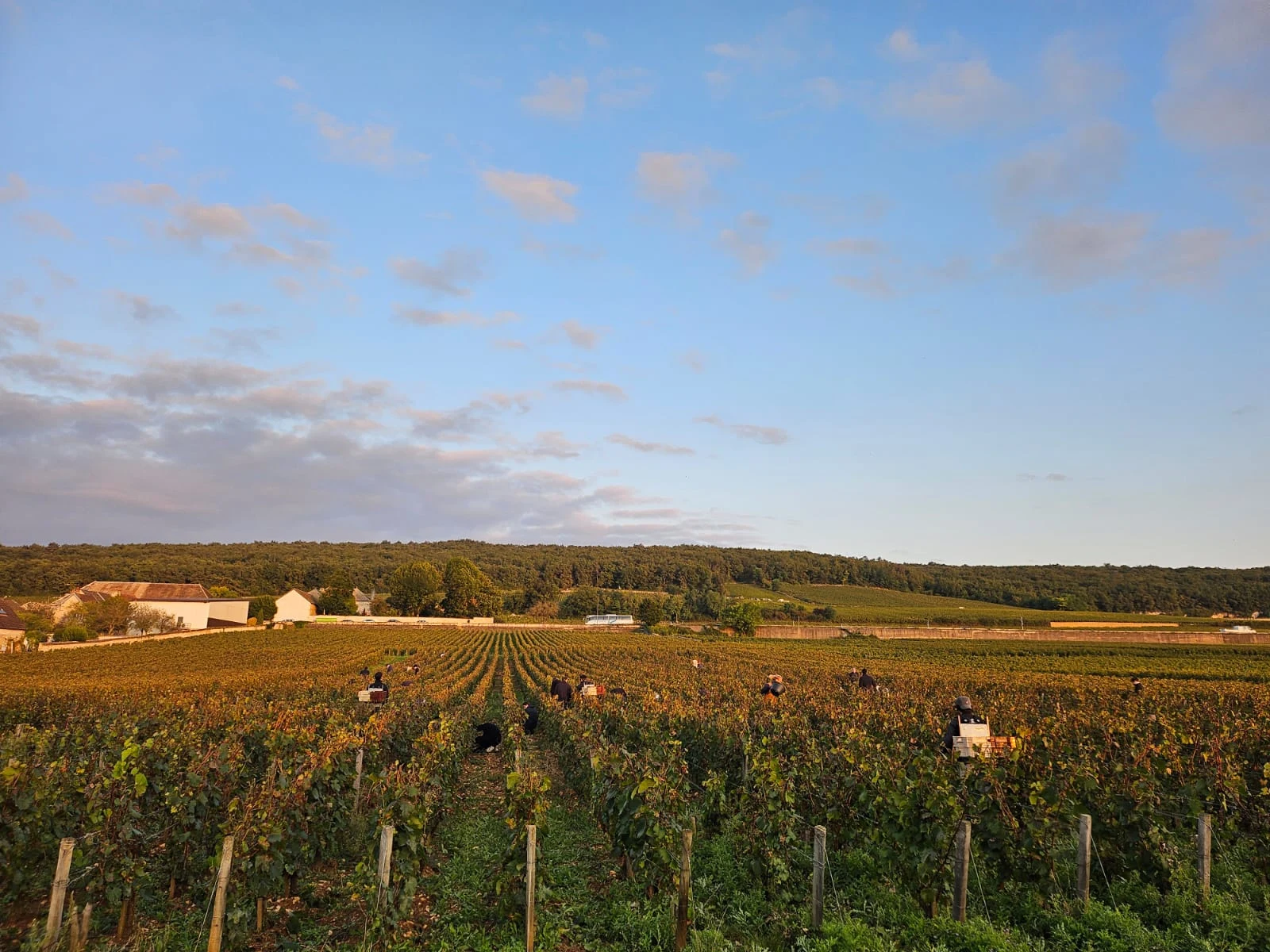
| Domaine du Comte Liger-Belair | Vosne-Romanée | · |
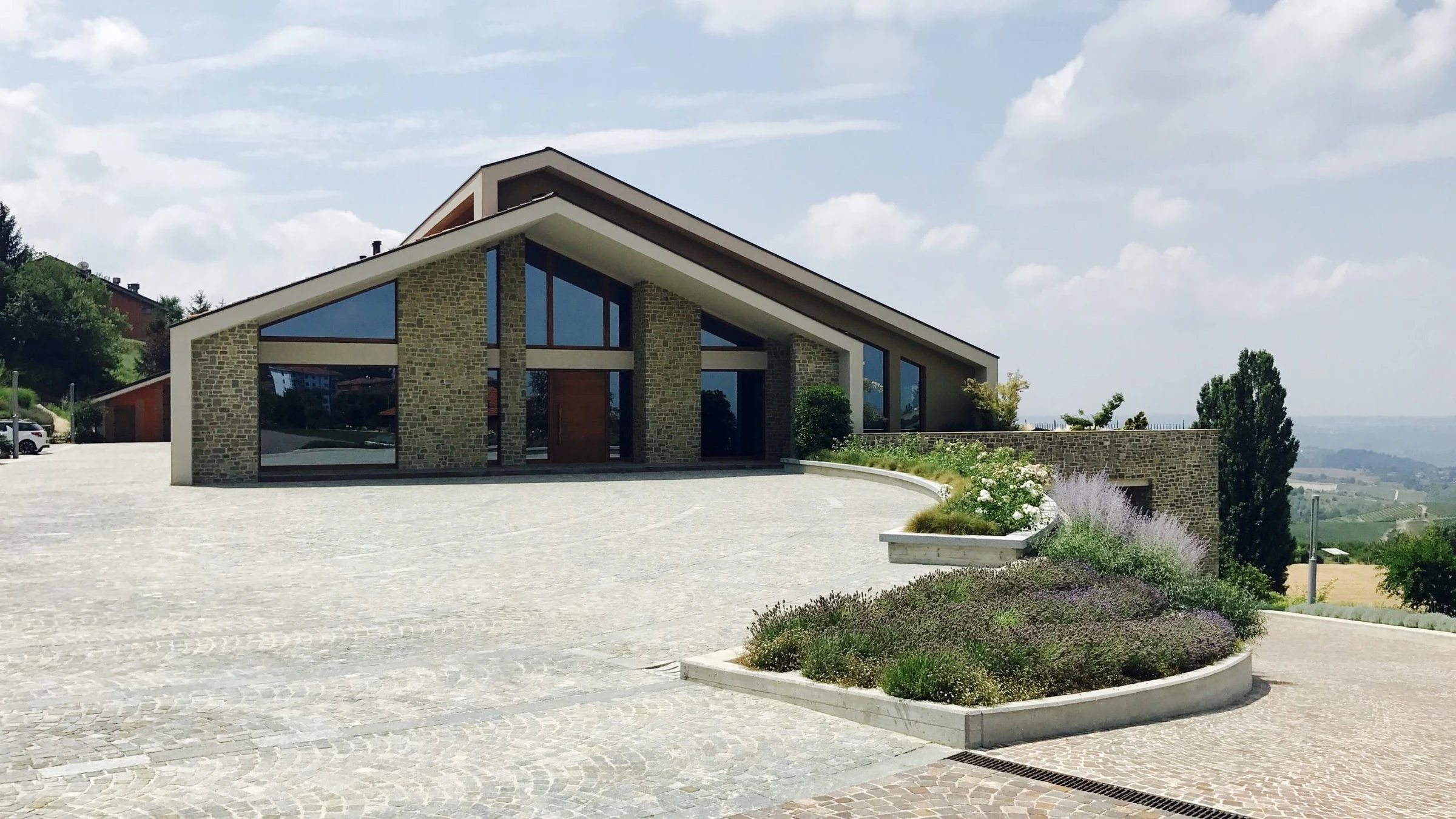
| Giacomo Conterno | Monforte d'Alba | · |
| Kumeu River Wines | Kumeu | World's 50 Best |
| Quinta do Crasto | Sabrosa | World's 50 Best |