- Falstaff Winery - Listed · 2026
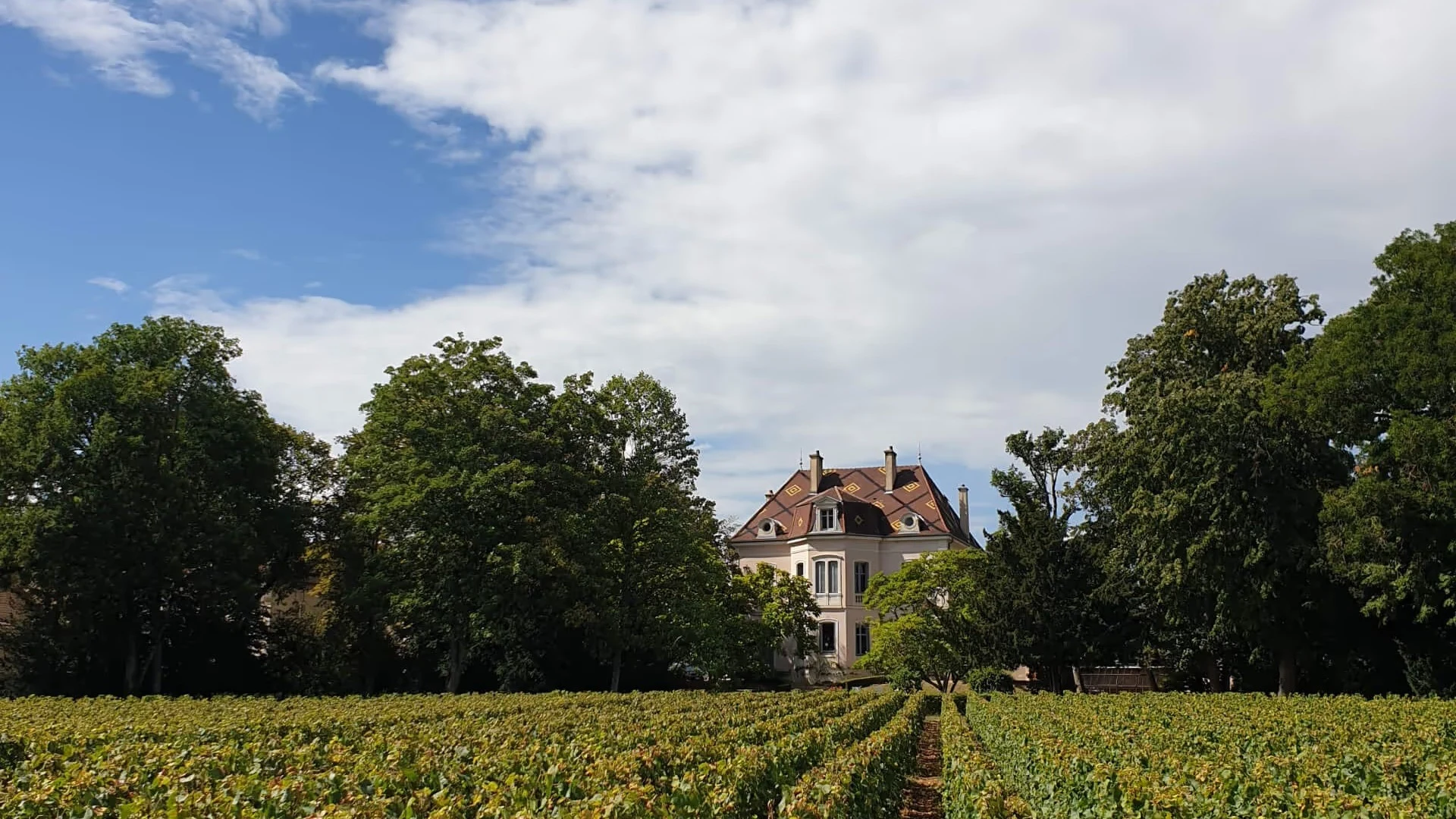
Approaching wine country in this part of Gascony means leaving behind the ceremonial architecture of grand châteaux and paying closer attention to working land: low hills, mixed agricultural rhythms, and cellars that belong to production before hospitality. Domaine de Malartic fits that register. The estate sits in Sarragachies, where vineyards occupy hillsides overlooking the Adour and grow on plateaus of boulbènes, the sandy-clay soils associated with this corner of southwest France. The mood is practical rather than theatrical, and that matters: this is a place where Côtes de Gascogne wine, Floc de Gascogne, and Bas-Armagnac are not separate tourist categories, but linked expressions of the same regional economy.
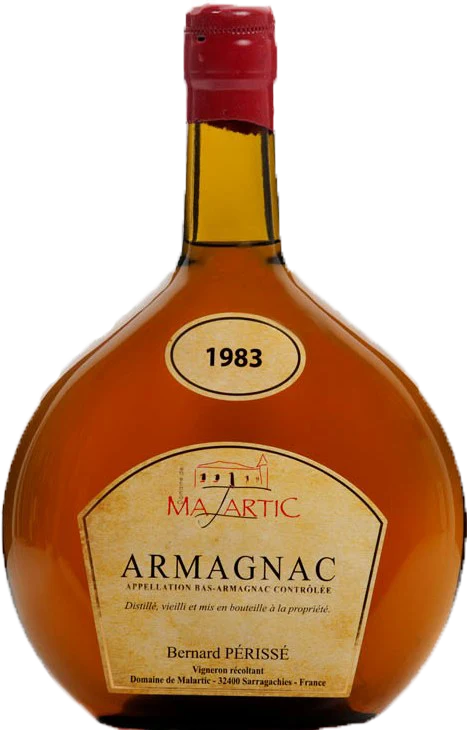
Gascony’s strength has long been its refusal to behave like a single-product wine region. White IGP Côtes de Gascogne gives the area its everyday freshness and commercial reach; Floc de Gascogne preserves the local habit of blending young Armagnac with grape must; Bas-Armagnac carries the deeper cellar logic of distillation and ageing. Domaine de Malartic, a family estate since 1900, works across all three. That breadth is the point. It shows a producer operating inside a regional tradition where grape growing does not end at table wine, and where distillation remains part of the agricultural calendar rather than an afterthought.
Gascony in three registers: white wine, Floc and Bas-Armagnac
The estate’s varietal base reads like a concise map of Gascony: Colombard, Gros Manseng, Ugni Blanc, Tannat, Cabernet Sauvignon and Merlot. Colombard, Gros Manseng and Ugni Blanc place the domaine firmly in the white-wine and distillation vocabulary of the southwest; Tannat, Cabernet Sauvignon and Merlot broaden the cellar beyond the crisp, aromatic style that many drinkers associate with Côtes de Gascogne. Production of Côtes de Gascogne began in 2001, a useful date because it reflects a wider regional shift: estates historically tied to Armagnac have increasingly treated still wine as a serious commercial and stylistic channel, not merely a supporting act.
Floc de Gascogne gives the portfolio its local grammar. The AOC format, based on fresh grape juice and young Armagnac, belongs to the aperitif culture of the region and sits between wine and spirit in a way that can feel unfamiliar to visitors used to cleaner category lines. Bas-Armagnac, by contrast, is the long-view product: an eau-de-vie tradition built around distillation, wood ageing and the particular authority of Gascony’s western Armagnac sector. For travellers building a wider French wine itinerary, the contrast with Champagne growers such as A. Margaine in Villers-Marmery or Agrapart & Fils in Avize is instructive. Here, the conversation is less about village cru hierarchy and more about how one farm can move between wine, fortified wine and spirit.
Soil, certification and the value of a working cellar
Terroir language can become vague in wine writing, but Sarragachies gives this estate a concrete foundation. The vineyards are described as hillside parcels over the Adour, with boulbènes soils on plateaus. In practical terms, that puts the wines and spirits inside the agricultural identity of the Gers rather than a manicured destination-winery model. The estate’s HVE certification, the French Haute Valeur Environnementale standard, adds a formal environmental signal to that rural identity. It is a meaningful credential because it concerns farming practice, biodiversity and environmental management rather than tasting-room polish.
Recognition is modest but specific: the estate’s Saveur Gascogne blanc received 1 star in the 2026 Guide Hachette des Vins. For a producer working at this scale, that kind of guide acknowledgement is more useful than inflated prestige language. It points to competence in the white-wine side of the portfolio while the estate’s longer historical weight remains tied to Floc and Armagnac. Current owner and winemaker Sébastien Perisse represents the contemporary face of a five-generation property, but the more interesting editorial point is continuity: family ownership has preserved a mixed Gascony model that newer destination wineries often streamline into easier categories.
The experience is therefore strongest for travellers who care about production context. Expect a quiet, rural atmosphere rather than a designed lounge sequence. The attraction is the chance to understand how a Gascon estate organizes itself across appellations, grape varieties and distillation traditions. That makes it a useful counterpoint to larger or more architecture-led winery visits elsewhere in France, from southern estates such as Abbaye de Fontfroide in Narbonne, Abbotts & Delaunay in Marseillette and Advini in Saint Felix De Lodez to terroir-focused addresses such as Alain Brumont in Castelnau Riviere Basse, Alain Gras in Saint-Romain and Albert Boxler in Niedermorschwihr.
How to place it in a Sarragachies itinerary
Domaine de Malartic works as an education-led stop for drinkers who want Gascony explained through production rather than branding. The price level is accessible, the allocation status is open, and the visit style is appointment-based, which suits a rural estate where winery work shapes the day. It is not the address for visitors chasing chef-led pairings or resort-style leisure; it is better read as a working cellar for people interested in still whites, fortified local tradition and Armagnac culture in one place.
For planning around the village, start with our full Sarragachies wineries guide, then build the rest of the day through our full Sarragachies restaurants guide, our full Sarragachies hotels guide, our full Sarragachies bars guide and our full Sarragachies experiences guide. Those extending the wine route beyond France may also find useful contrasts in »der Steiner« Hans Steiner in Podersdorf am See and & Handwein in Mannheim, though the Gascon lesson here remains distinct: the land is read through wine, mistelle and spirit, not through a single category.
Questions
Frequently asked
Who works at Domaine de Malartic?
Made By profiles Sébastien Perisse (Winemaker) at Domaine de Malartic.
How expensive is Domaine de Malartic?
Domaine de Malartic is listed at a price level of $.
The field
How it compares
| Place | Notes | Awards |
|---|---|---|
| Domaine de Malartic | Sarragachies, $ | · |
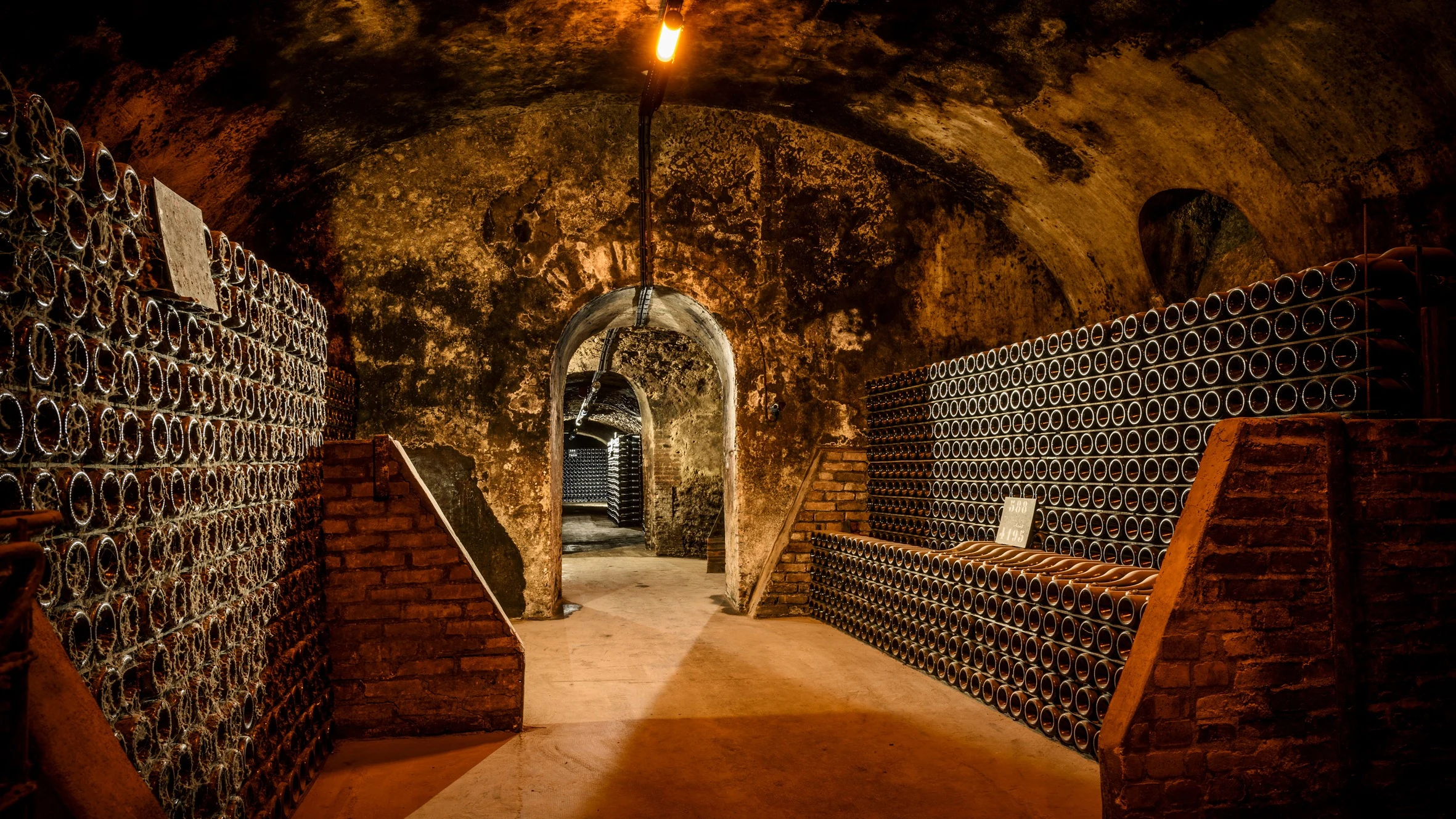
| Billecart-Salmon | Aÿ | World's 50 Best |
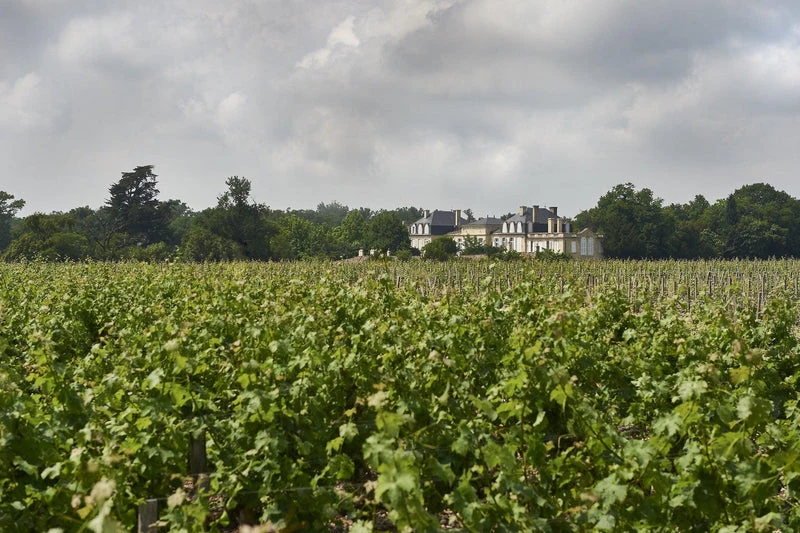
| Château Léoville Barton | Saint-Julien-Beychevelle | · |
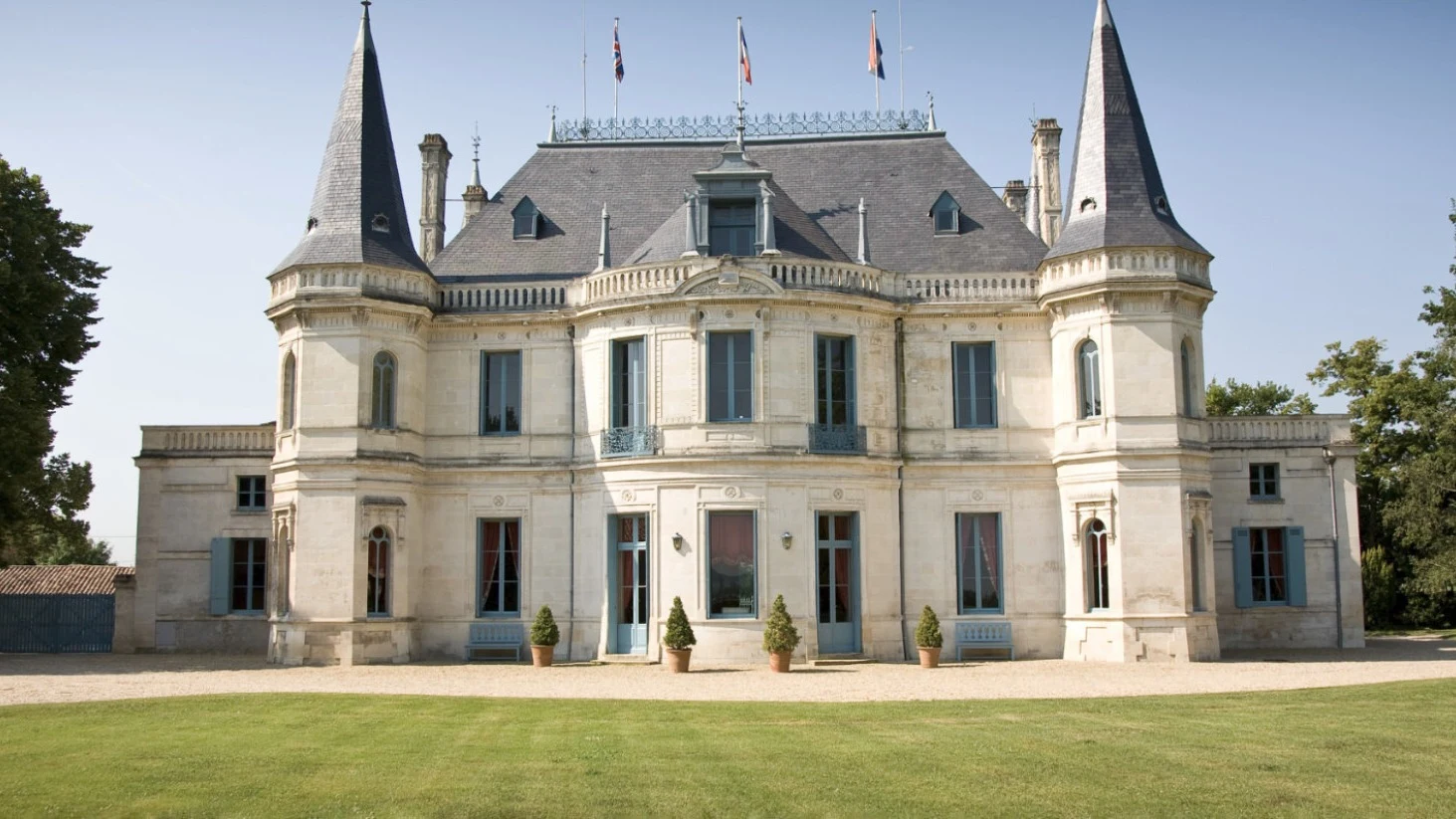
| Château Palmer | Margaux | · |
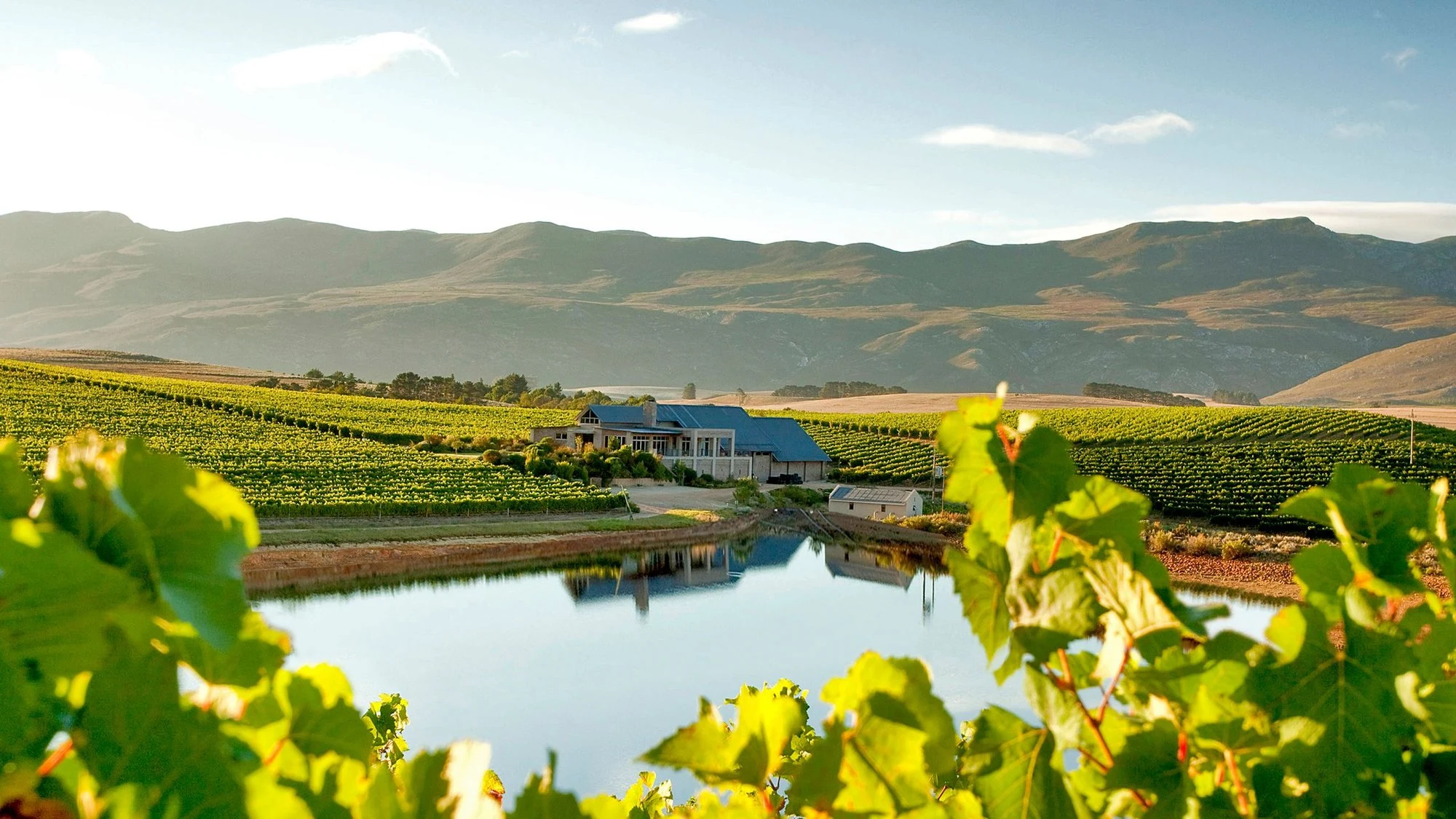
| Creation Wines | Hermanus | World's 50 Best |
| Domaine des Comtes Lafon | Meursault | · |
| Masseto | Castagneto Carducci | · |