Domaine de Saje
- 01CityChâteauneuf-du-Pape, France
- Falstaff Winery - Listed · 2026
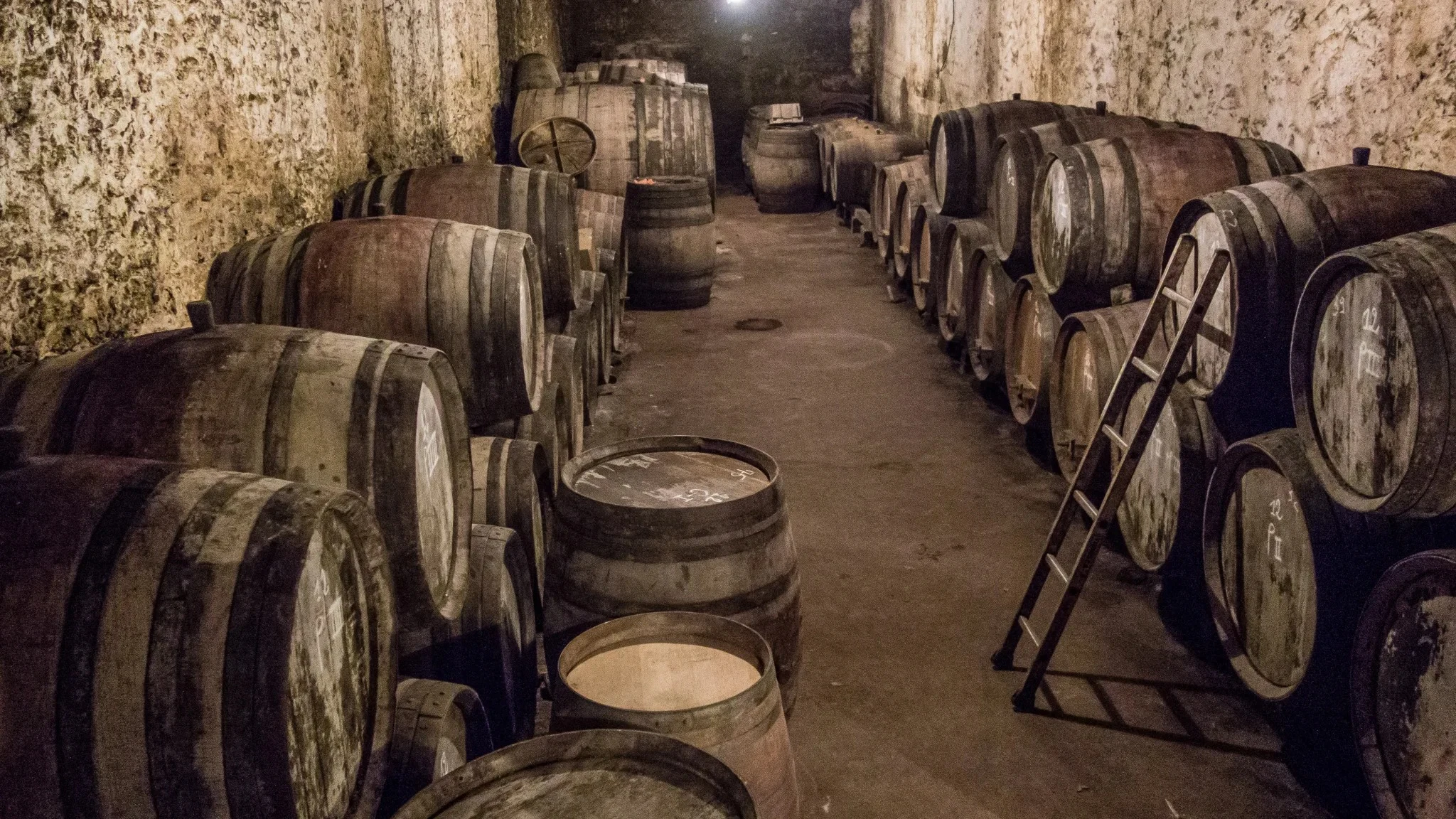
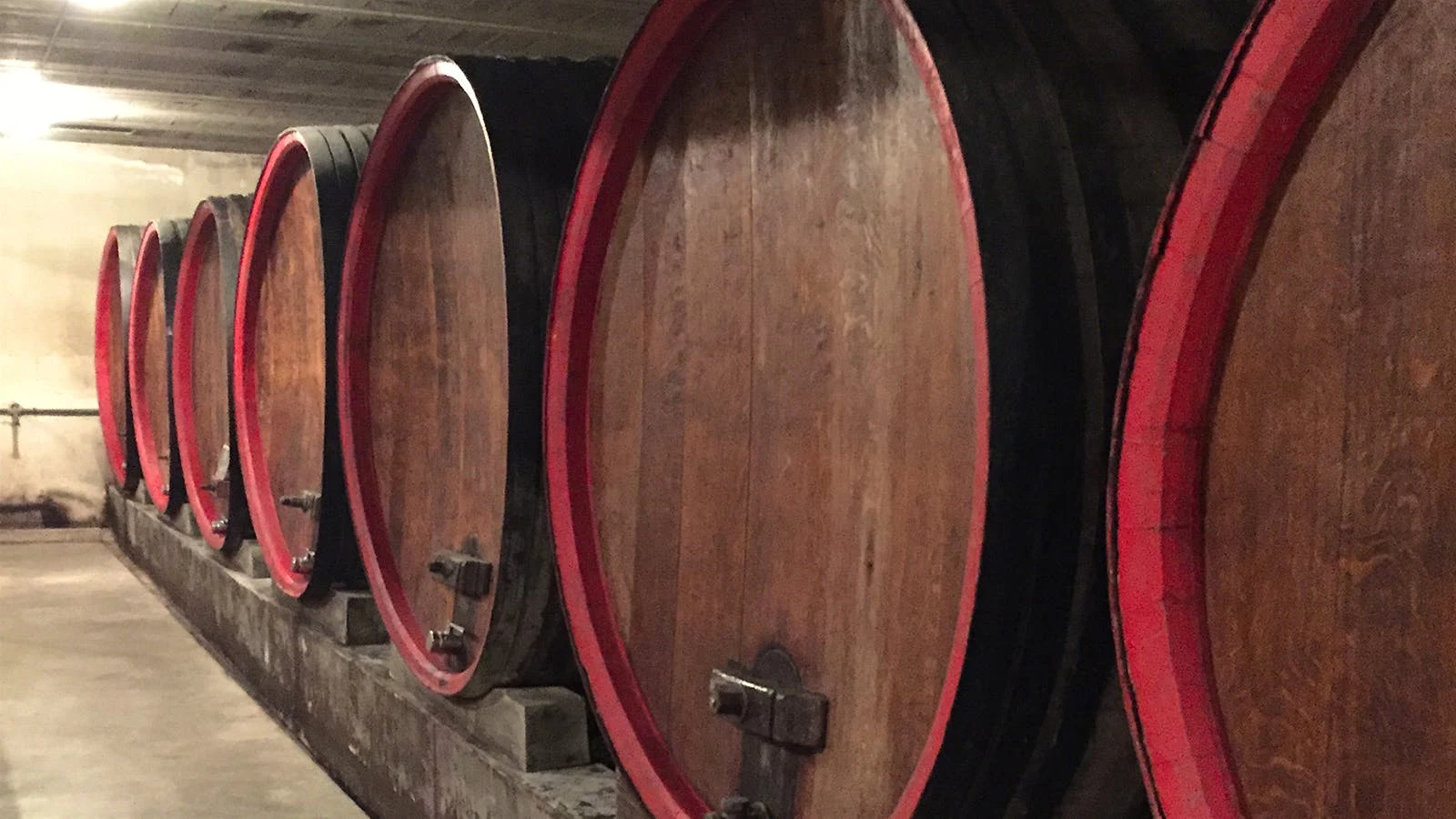
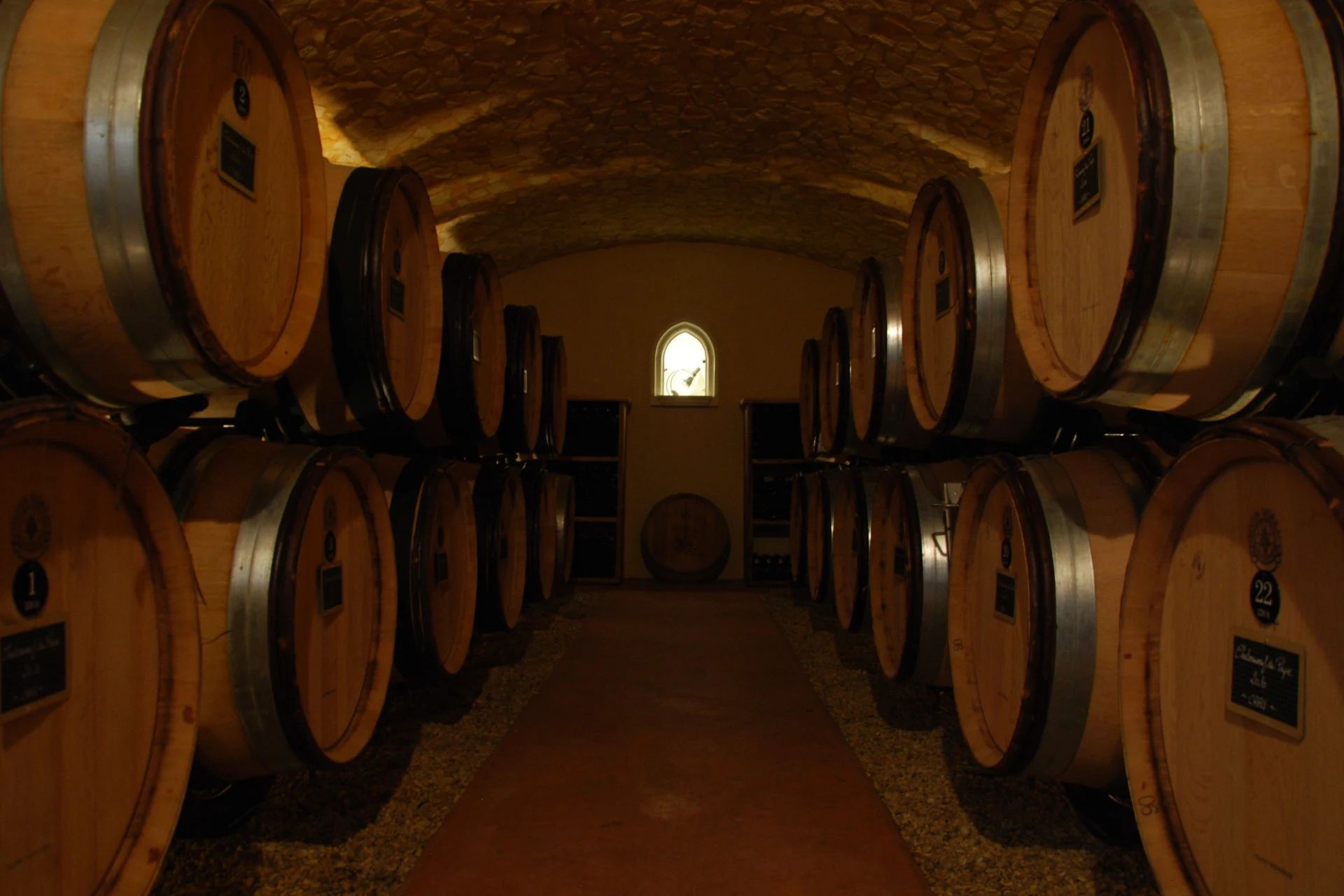
Domaine de Saje is a traditional, small family-run Rhône estate in Châteauneuf-du-Pape, with an old cellar in the village center. The atmosphere is classic and unpretentious rather than design-led, and the focus is on presenting terroir-driven Châteauneuf-du-Pape with a sense of history. For visitors looking for a polished modern tasting-room concept, the appeal here is different: the setting is rooted in the village and in the estate’s traditional character. It is the kind of address to understand through place, continuity, and restraint rather than through spectacle. The point is not to arrive expecting a highly staged hospitality experience, but to read the estate in the language of a long-established Rhône wine village: a cellar, a family scale, and a direct relationship to Châteauneuf-du-Pape itself.
A traditional Châteauneuf-du-Pape estate
The most reliable way to frame Domaine de Saje is as a small, family-run Rhône estate rather than as a large hospitality venue. Its identity centers on Châteauneuf-du-Pape, an old village-center cellar, and a classic, unpretentious atmosphere. Specific production details, grape compositions, parcel counts, cuvées, scores, and vintage claims are not confirmed here, so they should not be treated as fixed facts for planning a visit. That restraint matters, because Châteauneuf-du-Pape addresses are often surrounded by a great deal of technical language. In this case, the safest and most useful description stays close to what is known: a traditional estate, grounded in the village and in a Rhône sensibility.
What can be said with confidence is that Domaine de Saje presents itself around terroir-driven Châteauneuf-du-Pape. That makes it a fit for travelers who want the village’s traditional Rhône character without expecting a modern design focus. The experience should be understood through the estate’s history-minded, cellar-based setting rather than through claims about formats, menus, ratings, or named bottlings. In practical terms, this means the value of the visit lies less in a checklist of extras and more in the atmosphere of the place itself. The old-cellar context gives the estate a grounded feel, and the family-run scale keeps the emphasis on wine, place, and continuity rather than on a broader lifestyle concept.
Terroir is the argument, not the decoration
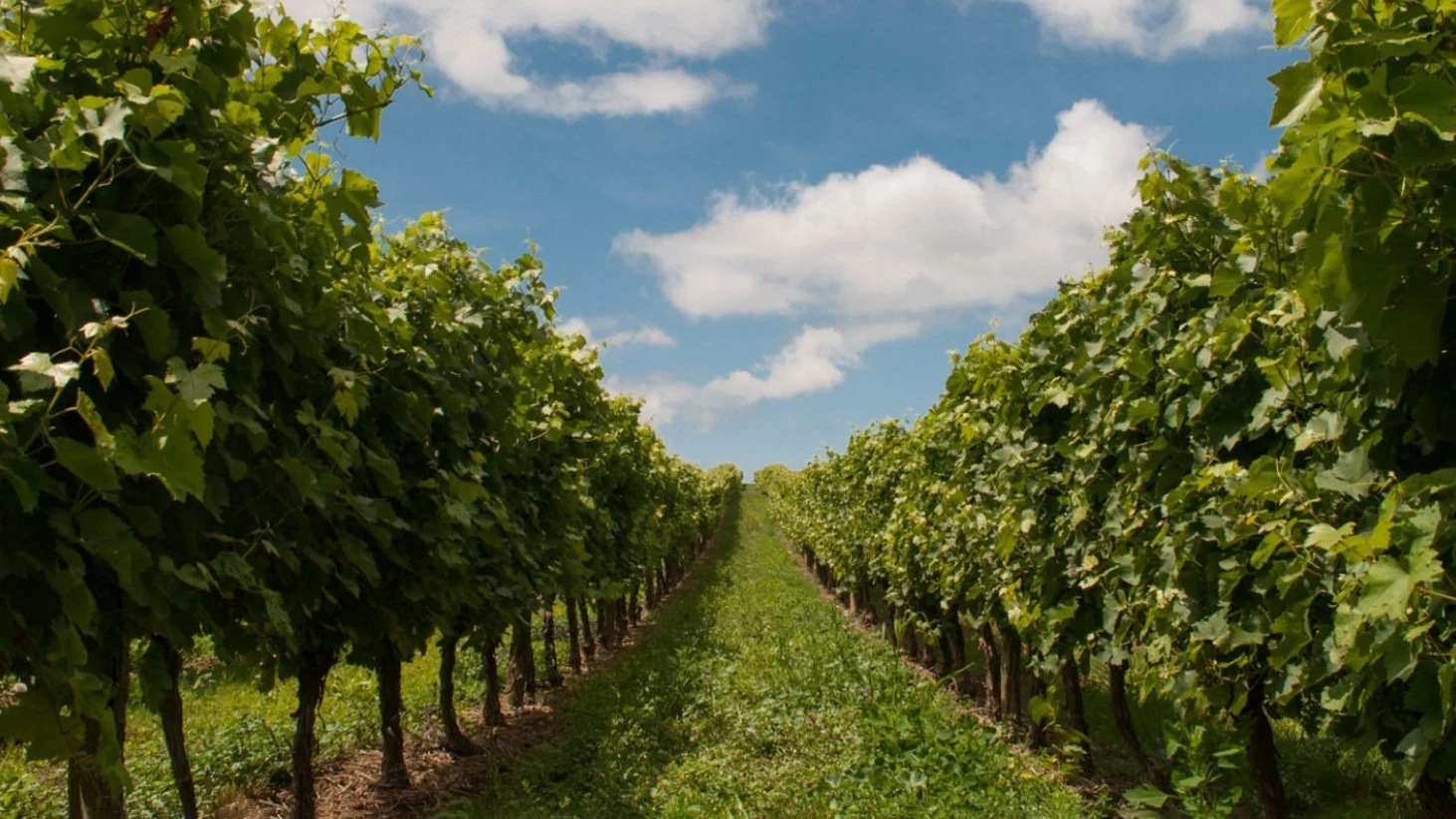
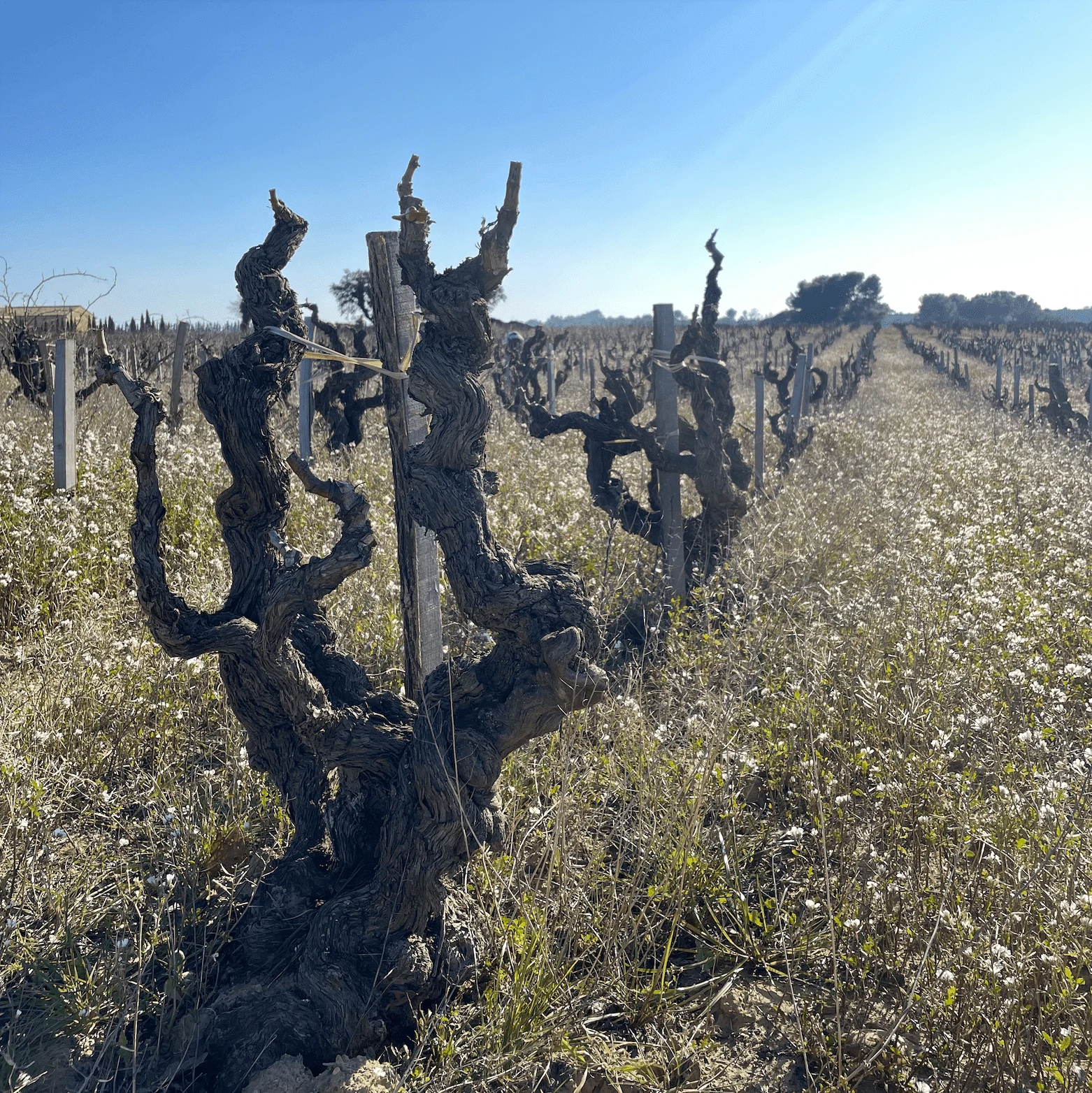
Châteauneuf-du-Pape is a place where the village, the cellars, and the surrounding vineyard identity are closely linked. Domaine de Saje’s appeal sits within that context: a family-run estate in the village center, focused on terroir-driven wines and a classic atmosphere. The page should not overstate unconfirmed technical details about soils, vineyard holdings, grape varieties, cellar vessels, or production volumes. Those may be the kinds of details serious wine travelers naturally look for, but unless they are confirmed, they should not be used to define the estate. The clearer reading is simpler: Domaine de Saje belongs to the traditional side of the Châteauneuf-du-Pape experience, where terroir is presented as the core subject rather than as decorative language around a more elaborate visitor offer.
Instead, the useful distinction is stylistic and experiential. Domaine de Saje is best approached as a traditional Rhône estate with an old cellar and a restrained, practical feel. That restraint is part of its character. It suggests a visit shaped by the village setting and the estate’s own sense of continuity, rather than by architectural drama or hospitality polish. For travelers who already understand Châteauneuf-du-Pape as a destination built around history, appellation identity, and cellar culture, this positioning will make sense. For those seeking a highly contemporary or heavily curated tasting-room environment, the tone here may feel more modest, but that modesty is also the point.
How to read it within a Châteauneuf-du-Pape itinerary
Domaine de Saje suits visitors who want a classic, small family-run estate in Châteauneuf-du-Pape. The price category is $$$, and the setting is described as traditional and unpretentious. Beyond that, specific claims about tasting formats, languages, parking, food pairings, opening arrangements, or service details are not confirmed here and should be checked directly before planning around them. This is especially important for travelers building a day in the village around timed appointments or multiple stops. The confirmed appeal is the estate’s traditional character and its old cellar in the village center, not a guaranteed list of visitor services.
For a wider view of the area, compare Domaine de Saje with other dining, drinking, lodging, winery, and experience options in Châteauneuf-du-Pape generically, while keeping the focus here on the estate’s confirmed character: a traditional family-run Rhône estate with an old cellar in the village center and a terroir-driven Châteauneuf-du-Pape identity. In an itinerary, it is best used as a counterpoint to more polished or contemporary settings, offering a clearer sense of the village’s classic register. Its role is not to stand for every possible version of Châteauneuf-du-Pape hospitality, but to represent a quieter, more traditional way into the appellation’s atmosphere.
Questions
Frequently asked
How expensive is Domaine de Saje?
Domaine de Saje is listed at a price level of $$$.
The field
How it compares
| Place | Notes |
|---|---|
| Domaine de Saje | village center, $$$ |
| Château Rayas | Châteauneuf-du-Pape |
| Clos des Papes | Châteauneuf-du-Pape |
| Domaine du Vieux Donjon | Châteauneuf-du-Pape |
| Domaine La Barroche | Châteauneuf-du-Pape |
| Domaine Pierre Usseglio | Châteauneuf-du-Pape |
| Domaine Saint Préfert | Châteauneuf-du-Pape |