- Falstaff Winery - Listed · 2026
Domaine des Muttes is a rural organic wine estate in Aurel, with a relaxed, welcoming atmosphere and a setting that feels scenic, rustic and quiet. Rather than presenting itself as a polished hospitality complex, it is best understood as a simple tasting-room visit built around the work of the vineyard and explanations in the cellar. That distinction matters, because the appeal here comes less from theatrical presentation and more from the sense of being close to the land, the vines and the practical decisions that shape the wine.
Because the public details are limited, the most reliable way to frame Domaine des Muttes is as a low-key countryside wine stop in Aurel. The appeal is not an elaborate dining program, a luxury tasting salon or a long list of confirmed accolades; it is the chance to spend time at an organic estate where the visit is informal and focused on how vineyard work connects to cellar practice. For travellers who enjoy small-scale, grounded experiences, that restraint can be part of the charm: the visit is not defined by spectacle, but by a quiet introduction to a working rural place.
Organic vineyard setting in Aurel
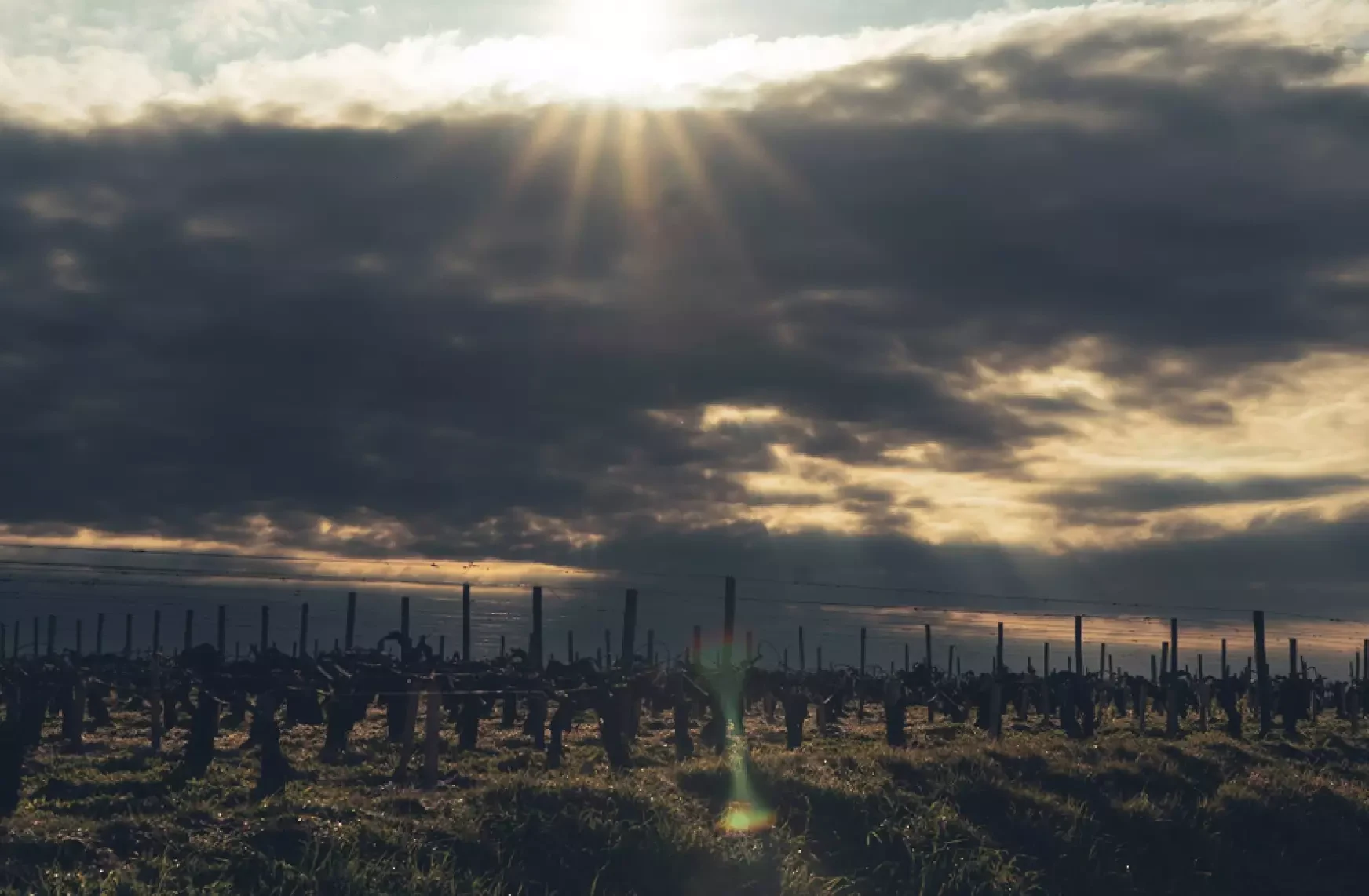
The strongest reason to consider Domaine des Muttes is its setting and tone. It is described as scenic, rustic, cozy and quiet, with the feel of a rural estate rather than a high-production visitor attraction. The tasting room is simple, and the atmosphere is relaxed and welcoming, which suggests a visit shaped by ease and conversation rather than formality. In that sense, the estate’s character is closely tied to its countryside context: it sounds like somewhere to slow down, look around and understand the environment in which the wines are made.
Visitors should expect a rural wine-estate experience rather than a restaurant-style format. Specific details such as grape varieties, cuvées, vineyard size, production methods, awards, tour length and seasonal programming are not confirmed here, so they should be checked directly with the estate before planning around them. That caution is important, especially for anyone building a tightly scheduled itinerary or hoping for a particular style of tasting. The available information supports a general picture of the estate, but not a precise promise of what will be poured, how long the visit will take or what additional services is offered.
What is confirmed is the broad character: an organic wine estate in Aurel, oriented around vineyard work and cellar explanation. That makes it most suitable for travellers who prefer grounded, agricultural context over spectacle. Instead of treating the tasting room as a standalone attraction, the experience place the vineyard and the cellar at the centre of the visit. The result is a stop that should appeal most to people who are curious about process, place and the practical rhythms of wine production.
A tasting format for people who want the work explained
Domaine des Muttes is described as offering informal guided visits focused on vineyard work and cellar explanations. That gives the visit an educational structure without implying a formal or luxury service style. The word informal is useful here: it points to a visit that can still be guided and informative, while remaining relaxed in tone. Guests should expect explanation and orientation, not a highly choreographed tasting performance.
The experience appears well suited to guests who want a direct introduction to the estate and its working environment. The tone is relaxed, welcoming and rural, with a simple tasting room rather than a highly staged hospitality setting. That makes it a good fit for travellers who are comfortable with understatement and who value the chance to connect the glass with the vineyard and cellar behind it. The emphasis is not on excess or polish, but on the basic relationship between place, cultivation and winemaking practice.
For travellers building time in Aurel, Domaine des Muttes can sit naturally alongside other local food, drink and countryside plans. It reads best as one part of a wider rural day rather than as a full-service destination designed to occupy an entire itinerary on its own. Because the confirmed public details remain limited, visitors should treat it as a flexible, low-key wine stop and make direct contact if they need to confirm practical arrangements.
Where it fits in a France wine itinerary
Domaine des Muttes makes the most sense as a quiet Aurel stop for travellers interested in an organic wine estate with a rustic, intimate feel. Its value is in the setting, the informal guided format and the connection between vineyard and cellar explanation. Within a broader France wine itinerary, it is the kind of place that can add texture precisely because it is modest: a counterpoint to more formal tastings, more polished venues or more heavily documented wine destinations.
It should not be oversold as a destination with confirmed awards, a named cuisine, a food-pairing program, a specific vineyard scale or a documented menu of wines. On the information available, it is a relaxed countryside estate in Aurel with a simple tasting room and a visitor experience centered on the vineyard and cellar. That is enough to make it appealing for the right traveller, provided expectations remain grounded in what is actually known. Approach it as a scenic, rustic and welcoming organic estate visit, and its strengths become clear without needing to add claims that are not supported by the available details.
Questions
Frequently asked
Who works at Domaine des Muttes?
Made By profiles Claire Pelissier (Co-owner and Commercial Director) at Domaine des Muttes.
How expensive is Domaine des Muttes?
Domaine des Muttes is listed at a price level of $$.
The field
How it compares
| Place | Notes |
|---|---|
| Domaine des Muttes | Aurel, $$ |
| Champagne Salon | Le Mesnil-sur-Oger |
| Chateau Lafite Rothschild | Pauillac |
| Château Pichon-Longueville-Comtesse-de-Lalande | Pauillac |
| Domaine François Raveneau | Chablis |
| Domaines Barons de Rothschild (Lafite) | Bordeaux |
| Krug | Reims |