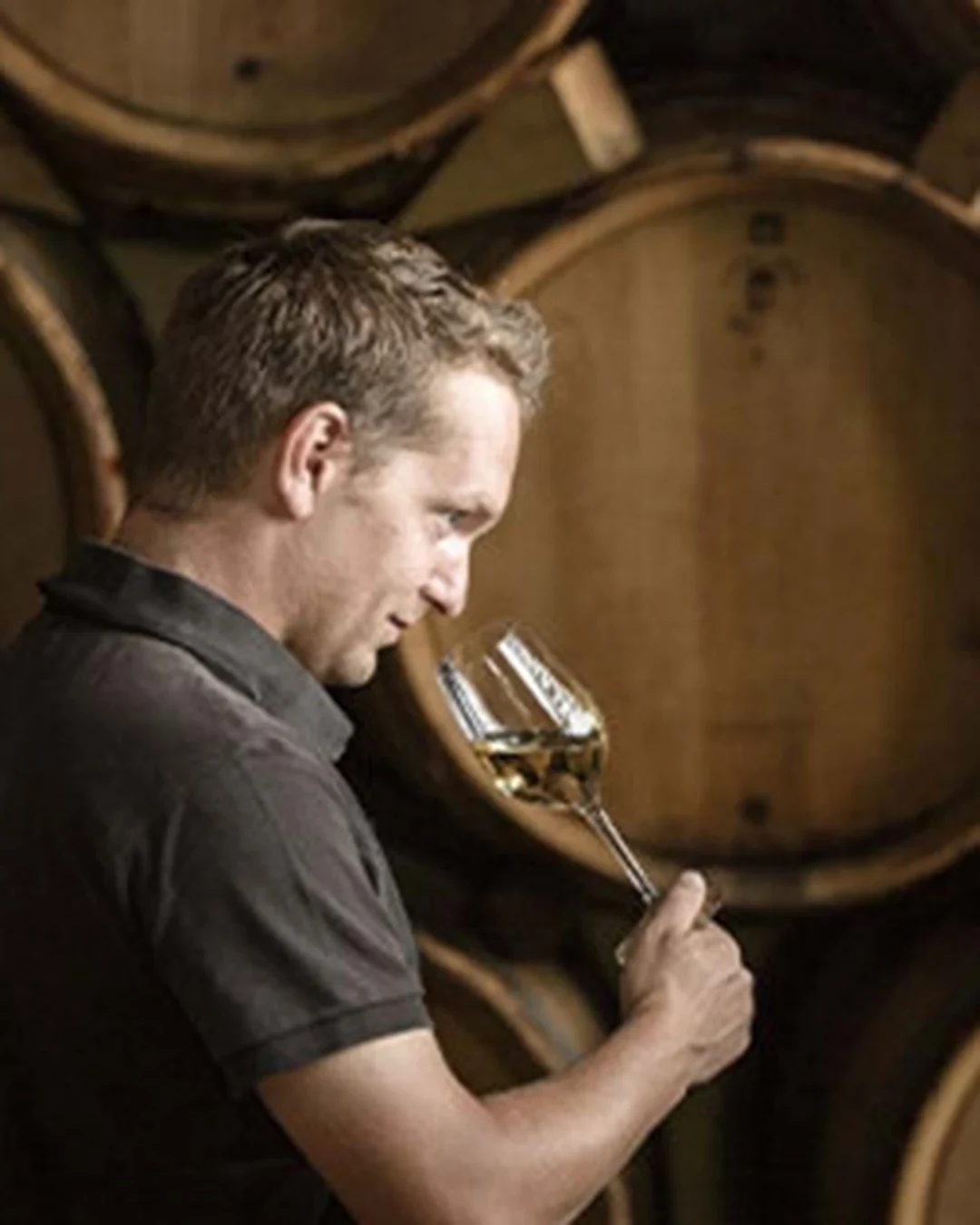
Olivier Giroux, winemaker at Domaine du Clos des Rocs in Loche, carefully works organic Chardonnay from limestone parcels.
Parcel by parcel, Olivier Giroux works as owner and winemaker at Domaine du Clos des Rocs in Loché, Loche, France, keeping Chardonnay close to the soil that gave it shape. He has held both the ownership and the cellar work here since 2002, after returning to his native Mâcon from time in the northern Rhône Valley. The estate carries a family viticultural lineage of seven generations, but Giroux’s tenure reads less as inheritance than as a decision made at the bench, repeated through farming, élevage, and bottling. The property sits in Loché, within the Mâconnais, and its work is centered on Pouilly-Loché, with vines also in Pouilly-Fuissé, Mâcon-Loché, and Mâcon-Fuissé. Across 13 hectares, the domaine is small enough for the parcels to remain legible. Six hectares lie in Pouilly-Loché. Giroux’s signature wines, including Pouilly-Loché Les Barres and Pouilly-Loché Les Mûres, come from that close reading of place rather than from a broad regional blend. The house’s discipline is organic, low-intervention, and site-specific, with each parcel vinified separately so alluvial ground and Jurassic limestone do not become the same wine by convenience.
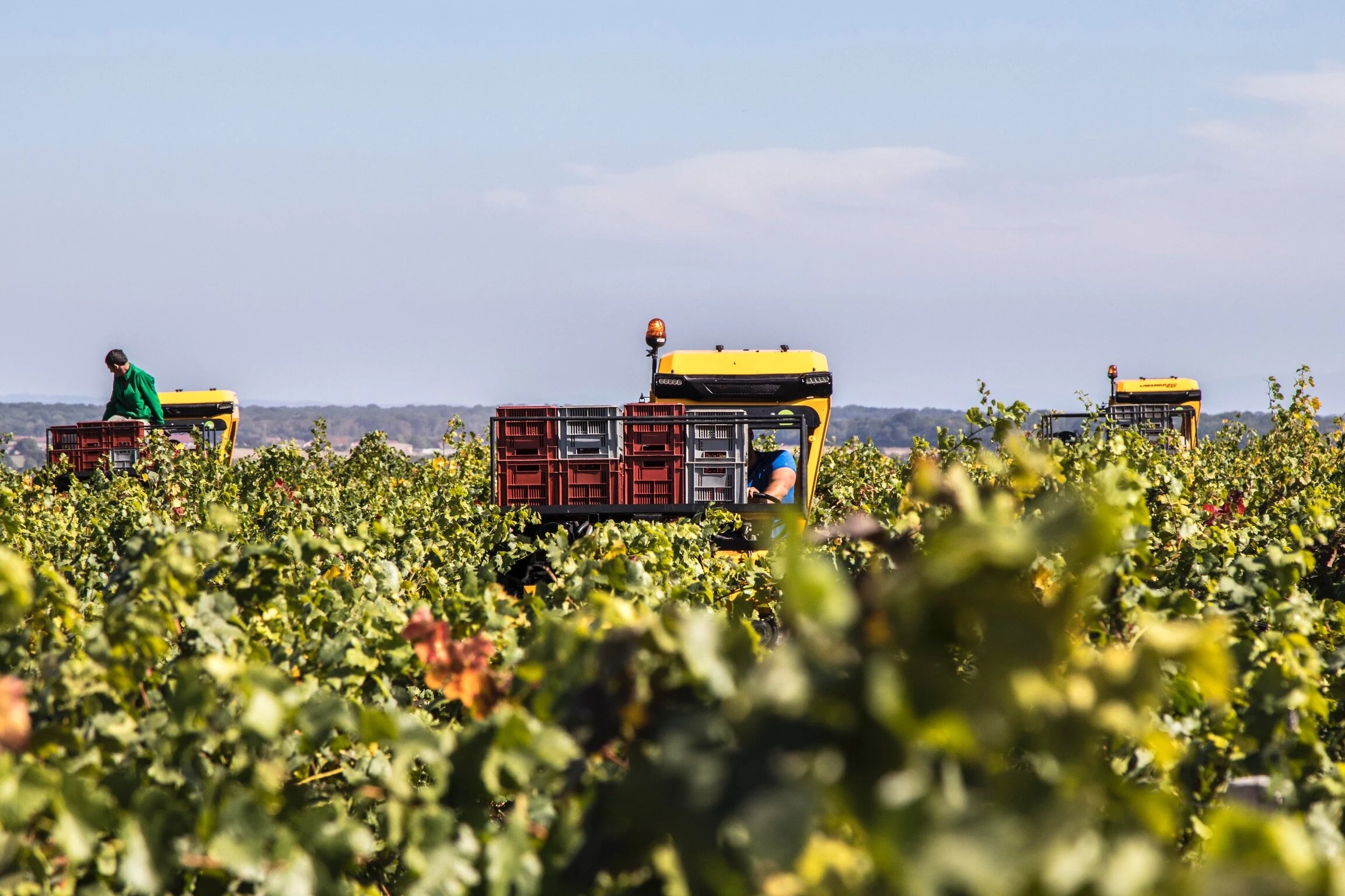
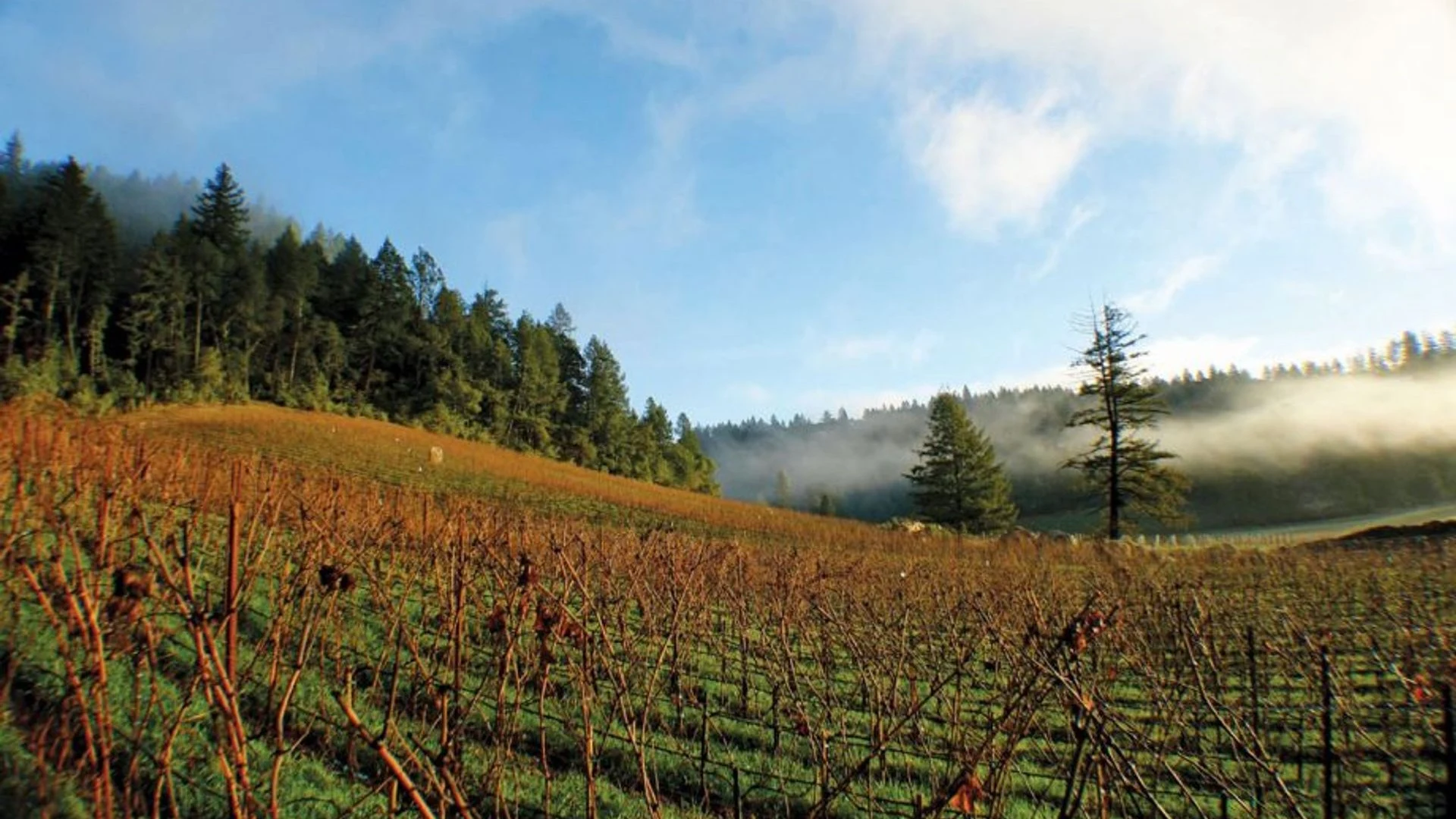
The center of the domaine is Clos des Rocs, a 3-hectare monopole in the lieu-dit Les Mûres, planted to 85-year-old Chardonnay vines in an ancient limestone quarry. The name is not decorative. The topsoil runs only 30 centimeters before the roots meet limestone mother-rock, with iron-rich clay and calcareous ground giving the fruit its line. A geological fault cuts the property into two working languages: alluvial soils for the 4 Seasons cuvée, Jurassic limestone for Les Mûres and Clos des Rocs Monopole. Giroux began formal conversion to organic farming in 2006 and works with biodynamic principles in the vineyard, including lunar timing, sulfur and copper preparations, and soil work for aeration and weed control. In the cellar, native yeasts carry fermentation. Clos des Rocs Monopole ages 13 months in 500-liter used casks, with minimal sulfur, then goes to bottle unfined and unfiltered. The point is not absence of technique. It is technique kept close enough that the vineyard remains the loudest instrument.
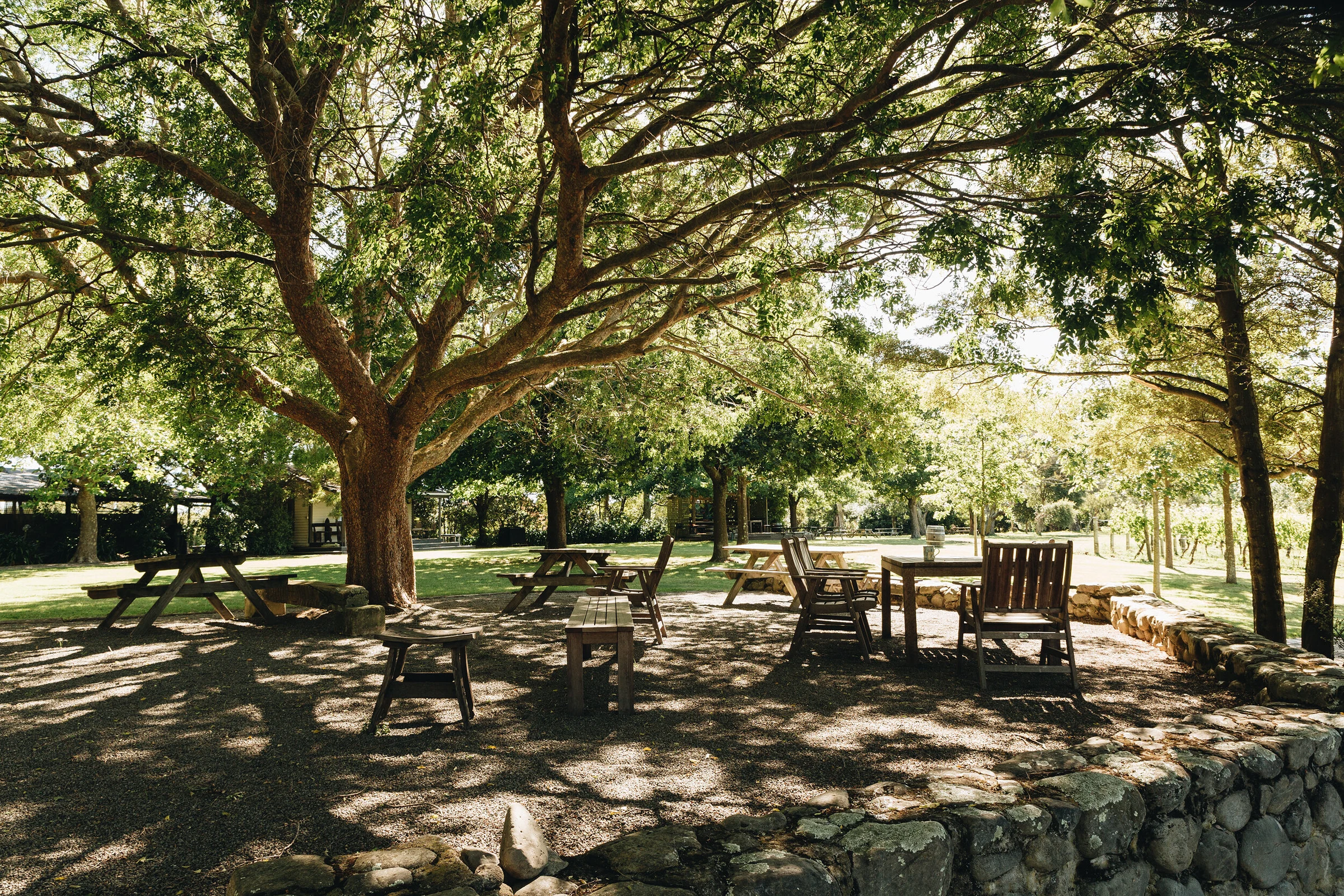
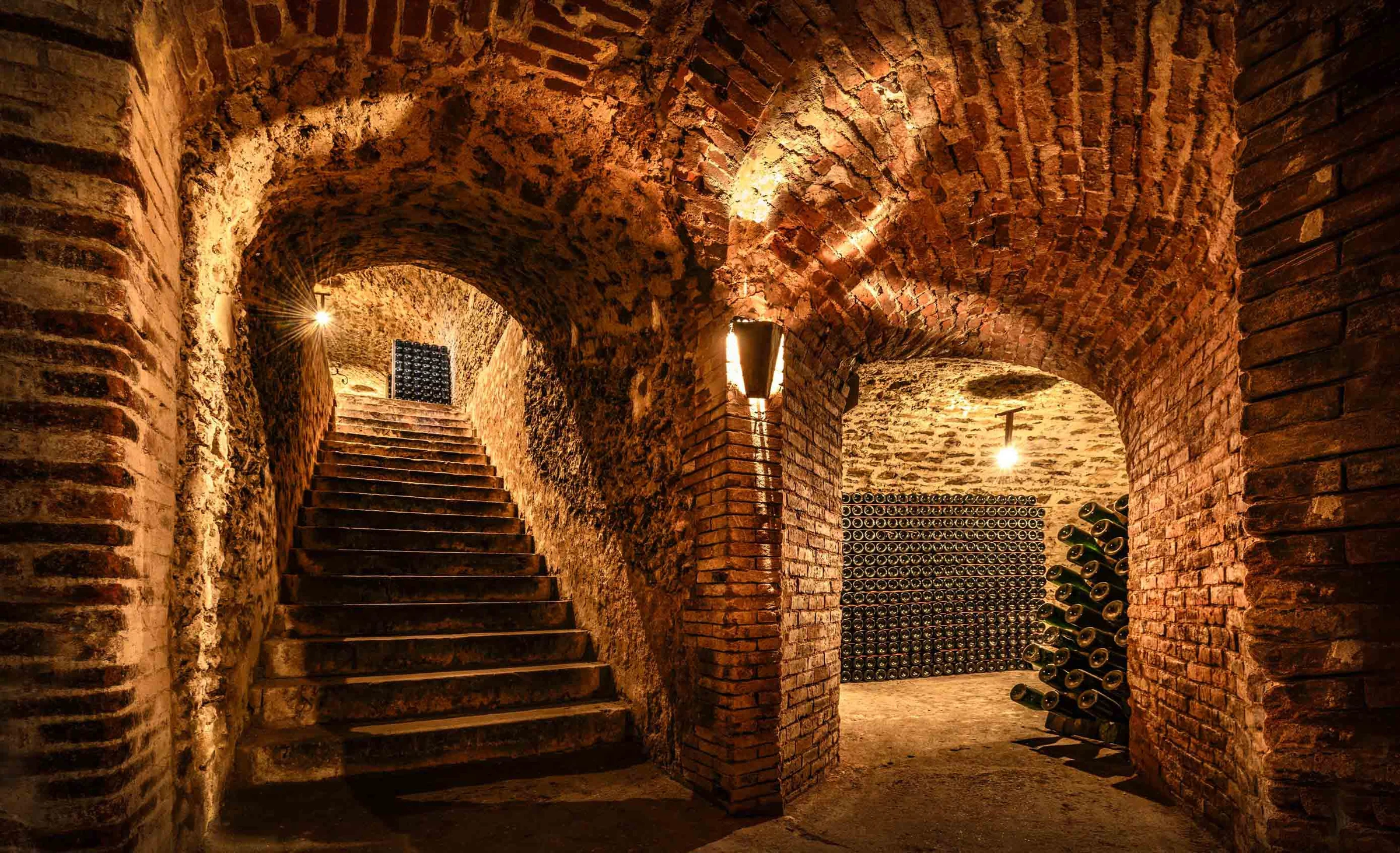
The room around this work is quiet, rural, and held by limestone rather than ceremony. This is a vineyard estate before it is a tasting address, with the cellar, the vines, and the small appellation all pressing against one another. Pouilly-Loché itself covers just 32 hectares, and Giroux is the largest owner in it, a fact that gives the domaine’s choices more weight than its scale might suggest. Chardonnay is the language throughout, but it does not repeat itself. The alluvial side of the fault line gives one register; the quarry and its old vines give another. In the cellar, the useful details are practical: separate parcels, used casks, native fermentation, no fining, no filtration. Nothing needs to be made theatrical. The limestone is already doing its work.
The domaine produces a focused range of roughly 15 cuvées, each tied to a parcel or appellation rather than to a house style imposed from above. Its annual production is 15,000 bottles, which leaves little room for anonymity and less for correction after the fact. The next measure here is the same one Giroux has set since taking the estate on: whether Les Mûres, Les Barres, 4 Seasons, and Clos des Rocs Monopole continue to make Loché readable in Chardonnay.
Loché, Bourgogne-Franche-Comté, Frankreich
Loché