- Falstaff Winery - Listed · 2026
Domaine Etienne Simonis is a family estate in Ammerschwihr with a warm, authentic Alsatian atmosphere. The picture is simple rather than overstated: a traditional cellar setting, sincere interaction, education and respect for nature are central to the experience. Rather than presenting itself as a glossy destination concept, the appeal rests in the feeling of being in a working estate environment, where the materials, the setting and the welcome all point back to Alsace and to family-scale wine culture. The cellar character is part of the appeal, mixing 1950s oak tuns, stainless steel vats and Burgundy barrels in a scenic, rustic and cozy setting. That combination gives the visit texture: old wood, practical steel and barrel tradition sit together as part of one cellar landscape, making the place feel grounded and lived-in rather than decorative.
Ammerschwihr context, without overclaiming
The estate is in Ammerschwihr, and the confirmed impression is classic and family-estate oriented, with an Alsatian sense of warmth and a cellar environment that feels traditional rather than staged. This is an important distinction, because the available description supports a modest, rooted experience more than it supports sweeping claims about destination status, tourism infrastructure or a fixed tasting format. The strongest context is local and atmospheric: Ammerschwihr provides the village setting, while the estate presents itself through its cellar, its family character and its emphasis on sincere exchange.
Those may be worth checking directly with the estate before planning, but they should not be treated as confirmed here. In practical terms, that means visitors should avoid building assumptions from the atmosphere alone. A warm cellar setting suggests hospitality, but it does not confirm specific arrangements, schedules, tour formats or services. The right approach is to treat the estate as promising for a classic Alsatian wine encounter, while leaving operational details to be directly.
What can be said with confidence is that the experience is built around a cellar and estate setting: oak tuns from the 1950s, stainless steel vats and Burgundy barrels create a practical working backdrop, while the tone is described as warm, rustic, cozy and classic. Those details matter because they anchor the venue in tangible features rather than vague romance. The 1950s oak tuns bring a sense of age and continuity; the stainless steel vats add the direct practicality of a functioning cellar; the Burgundy barrels add another traditional element to the scene. Together, they form the confirmed visual and atmospheric core of the visit.
A cellar visit for visitors who value direct context
Domaine Etienne Simonis is best understood as a place for a grounded estate encounter in Ammerschwihr. The atmosphere emphasizes sincere interaction and education, so the draw is not spectacle or a highly polished venue concept. It is the combination of family-estate character, traditional cellar materials and an approach that foregrounds respect for nature. For visitors who like to understand where they are, rather than simply pass through a tasting room, that combination can be especially appealing. The experience described here is about context: the cellar as setting, the family estate as framework and the exchange around wine as part of the visit.
The available facts do not establish opening hours, reservation requirements, tasting structure, group capacity, specific wines, food service, allergy accommodations, take-out or delivery. That absence should be read carefully. It does not make the estate less interesting, but it does mean the page should not imply services that are not confirmed. Anyone planning around a tight schedule, a large group, dietary needs or a specific tasting expectation should confirm those details before going. The safest reading is that the venue’s appeal is atmospheric and educational, not logistical.
The editorial case is strongest for travelers who prefer a scenic, rustic and cozy Alsatian estate environment over a more formal setting. The confirmed price indicator is $$, which gives a general sense of positioning without implying a specific menu, tasting fee or bottle price. In other words, the price marker is useful only as a broad guide. It should not be stretched into assumptions about what is included, how a visit is structured or what a purchase might cost. The clearer point is qualitative: Domaine Etienne Simonis suits people who respond to authenticity, cellar texture and a direct family-estate atmosphere.
How to place it within an Ammerschwihr wine day
Ammerschwihr can support a focused local itinerary, and Domaine Etienne Simonis fits that plan as a classic family estate stop. Keep the schedule flexible and verify visit details in advance, especially if timing, tastings or cellar access matter to the day. Its role in an itinerary is best understood as a slower, context-rich pause rather than a stop to over-script. Allowing some flexibility leaves room for the kind of sincere interaction and educational tone that define the confirmed character of the estate.
For comparison, look to other dining, wine and hospitality options in Ammerschwihr generically rather than assuming they share the same format. Domaine Etienne Simonis stands on the strengths of its own atmosphere: warm, authentic Alsatian estate character, a traditional cellar and a scenic rustic setting. That is enough to make it distinct without adding unsupported detail. The most accurate expectation is a family-estate environment where the charm comes from the cellar itself, the classic Alsatian warmth and the sense that the place remains close to its working roots.
Questions
Frequently asked
Who works at Domaine Etienne Simonis?
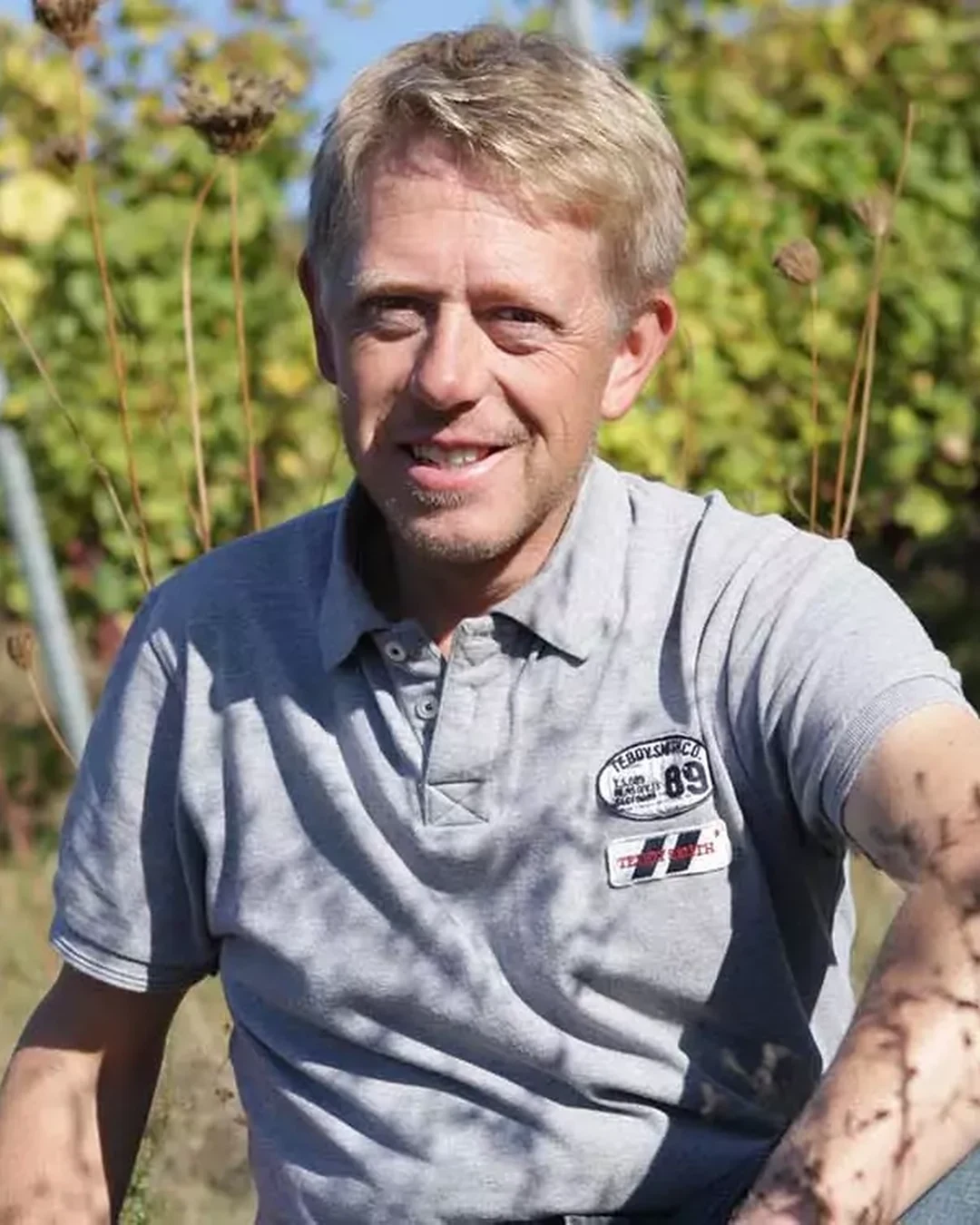
Made By profiles Etienne Simonis (Winemaker) at Domaine Etienne Simonis.
How expensive is Domaine Etienne Simonis?
Domaine Etienne Simonis is listed at a price level of $$.
The field
How it compares
| Place | Notes | Awards |
|---|---|---|
| Domaine Etienne Simonis | Route des Vins d'Alsace, $$ | · |
| BOND Winery | Napa | · |
| Domaine Comte Georges de Vogüé | Chambolle-Musigny | · |
| Domaine Kuehn | Ammerschwihr | · |
| Kumeu River Wines | Kumeu | World's 50 Best |
| Vins d'Alsace Jean-Baptiste Adam | Ammerschwihr | · |
| Yamazaki (Suntory) | Shimamoto | · |