Domaine Kuehn
- 01CityAmmerschwihr, France

- Falstaff Winery - Listed · 2026
Approach Ammerschwihr and the wine story is immediately tied to the landscape: vines rise on the surrounding slopes, and the village setting keeps the experience close to the cellars and the land that shapes the wines. Domaine Kuehn fits that tradition as a historic Alsatian winery rooted in Ammerschwihr, with traditional cellars and the famed “Caves de l’Enfer” giving the visit a strong sense of place.
This is not a page for inflated claims about menus, scores, rankings, or named bottles. The appeal is more direct: Domaine Kuehn is a classic, scenic, rustic winery focused on terroir-driven wines made with respect for nature and sustainable viticulture. For travelers who want an Alsace cellar experience rather than a restaurant-style production, that is the useful frame.
Kaefferkopf gives the visit its serious Alsace reference point
Public information does not verify a specific Grand Cru claim, vineyard composition, bottling blend, parcel size, grape list, or production figure for Domaine Kuehn. Those details are often the kind of specifics travelers look for in Alsace, but they should not be treated as confirmed here unless checked directly with the domaine.
What is is the broader context: Domaine Kuehn is set on the slopes around Ammerschwihr and presents its wines through a terroir-driven lens. That matters in Alsace, where the conversation around wine often turns on site, exposure, cellar tradition, and the relationship between village identity and vineyard expression. The domaine’s setting supports that kind of visit without needing to overstate technical details.
The “Caves de l’Enfer” are the clearest anchor for the experience. Historic cellars can be a cliché in wine tourism when they are used only as atmosphere, but here they are part of the identity of the venue. They help position Domaine Kuehn as a classic Alsatian winery where rustic architecture, cellar heritage, and the surrounding slopes all contribute to the sense of place.
The guide can also confirm that the domaine’s wine approach is described as respectful of nature and tied to sustainable viticulture. That is a meaningful part of the profile, but it should be kept at that level unless the estate itself confirms more precise practices, certifications, vineyard methods, or farming details for the date of a visit.
The cellar format is about wine education, not performance
Domaine Kuehn is best understood as a cellar-led Alsace wine stop rather than a dining venue with a documented cuisine, chef, tasting menu, or service format. Travelers should therefore confirm practical arrangements directly before planning around a specific format.
What can be said confidently is that the venue’s appeal comes from its historic winery setting in Ammerschwihr. The traditional cellars and the famed “Caves de l’Enfer” give the experience a physical and cultural frame, while the wines are presented as terroir-driven and connected to sustainable viticulture. That is enough to make the domaine relevant for visitors who want an Alsace stop grounded in place rather than spectacle.
The tone suggested by the profile is classic, scenic, and rustic. Those are useful expectations: this is not positioned as a luxury dining room, a cocktail bar, or a high-design urban tasting lounge. It is a historic Alsatian winery on the slopes around Ammerschwihr, and its strengths should be read through that lens.
Ammerschwihr is the right scale for this kind of visit. The surrounding slopes, cellar heritage, and village setting make the wine experience feel connected rather than abstract. Travelers can build a day around Domaine Kuehn and other unnamed Ammerschwihr options, but any specific hours, tasting formats, or reservation requirements should be before arrival.
How it fits into a wider wine itinerary
Within Ammerschwihr, Domaine Kuehn’s identity is especially useful for travelers who want a historic cellar stop with a strong local setting. Rather than comparing it through scores, production numbers, or named cuvées, it is better to place it in a simple itinerary role: a classic Alsatian winery where the slope-side location, traditional cellars, and “Caves de l’Enfer” are central to the experience.
For a wider wine route, Domaine Kuehn can serve as an Alsace reference point. The region is often associated with wines that make site and grape expression feel closely connected, and this domaine’s stated focus on terroir-driven wines fits that broader pattern. Still, this guide does not verify a specific grape range, appellation list, or bottle recommendation, so the safest approach is to ask the domaine what is currently available when visiting.
The price level is listed as $$, which places Domaine Kuehn in an accessible middle range. Treat the $$ marker as a general planning cue rather than a quote.
The strongest reason to include Domaine Kuehn in an Ammerschwihr itinerary is the combination of place and continuity: a historic Alsatian winery, traditional cellars, the famed “Caves de l’Enfer,” a scenic slope-side setting, and a wine approach described as terroir-driven and respectful of nature. That is a grounded enough case without adding unsupported claims.
Questions
Frequently asked
How expensive is Domaine Kuehn?
Domaine Kuehn is listed at a price level of $$.
The field
How it compares
| Place | Notes | Awards |
|---|---|---|
| Domaine Kuehn | Ammerschwihr, $$ | · |
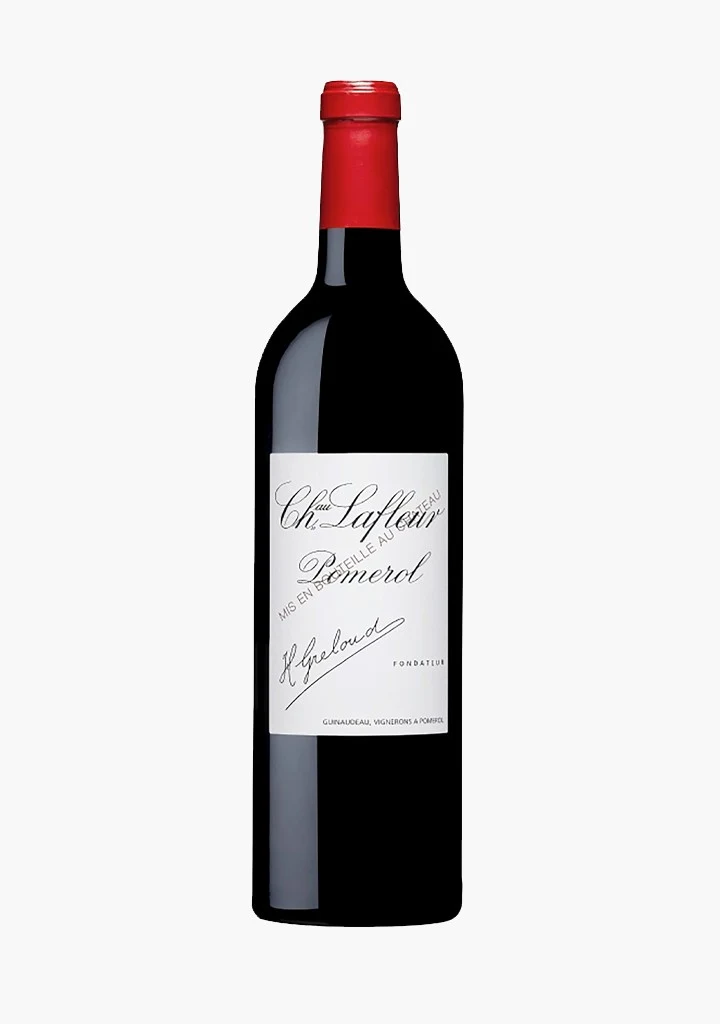
| Château Lafleur | Pomerol | · |
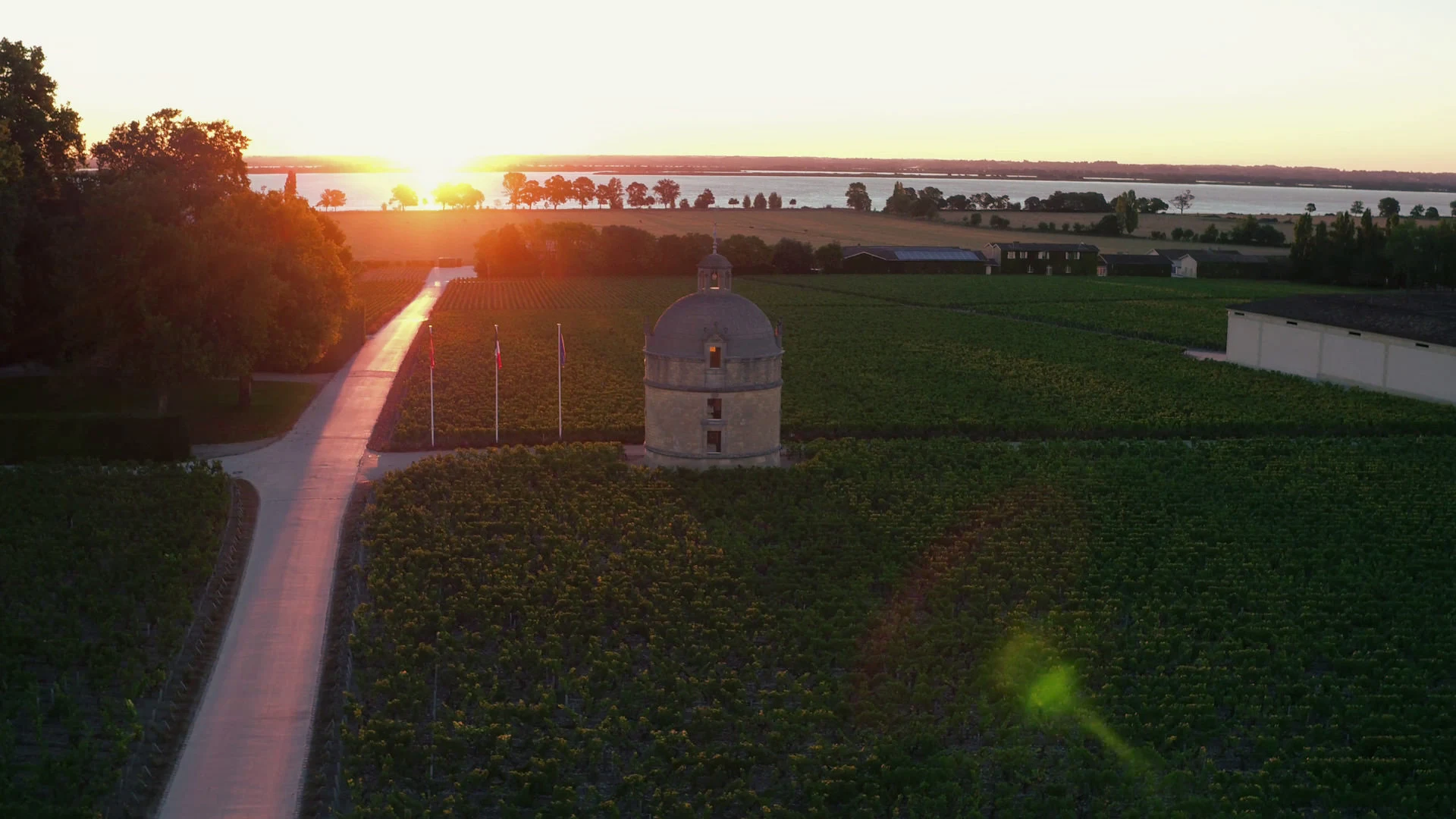
| Château Latour | Pauillac | · |
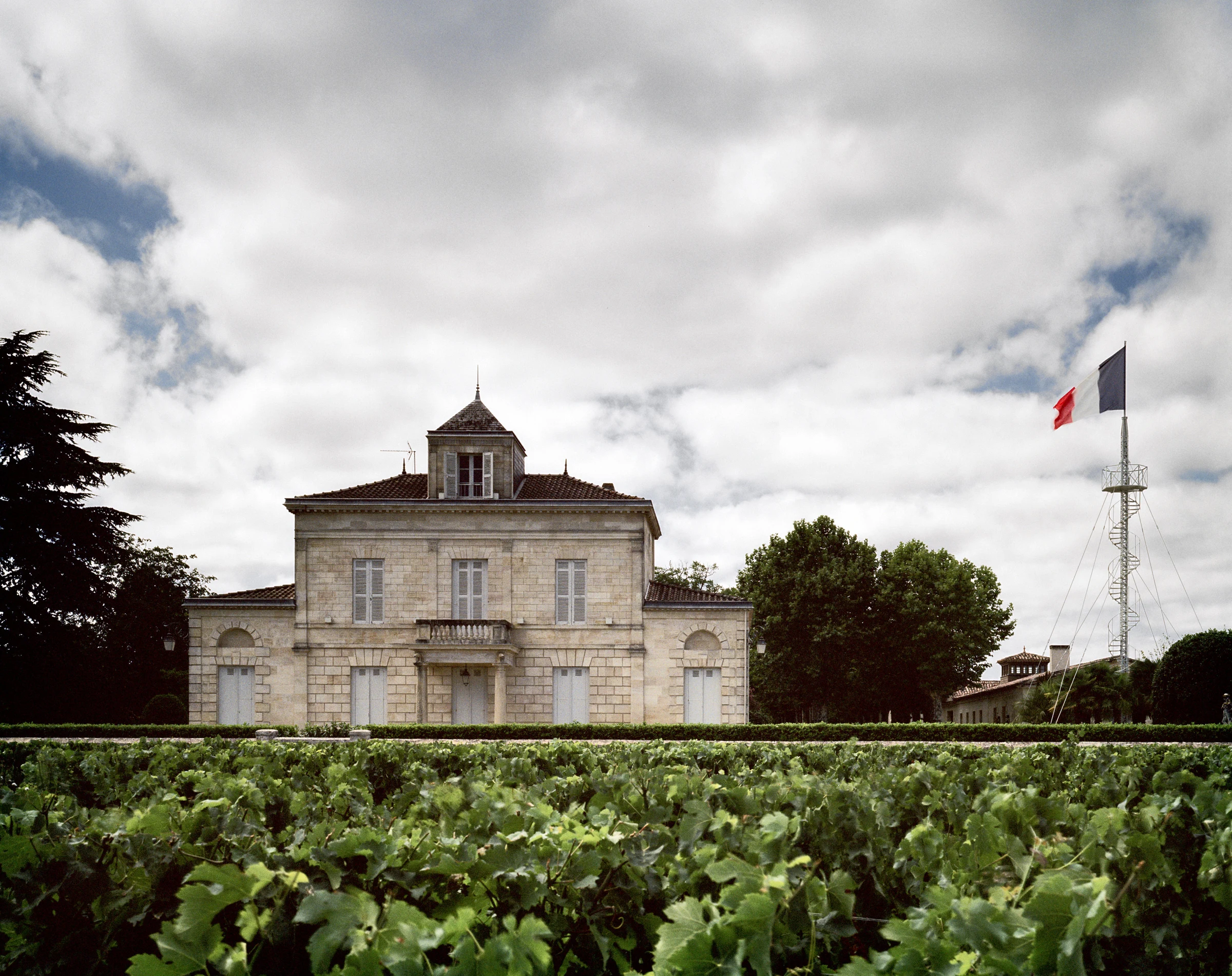
| Château Montrose | Saint-Estèphe | · |
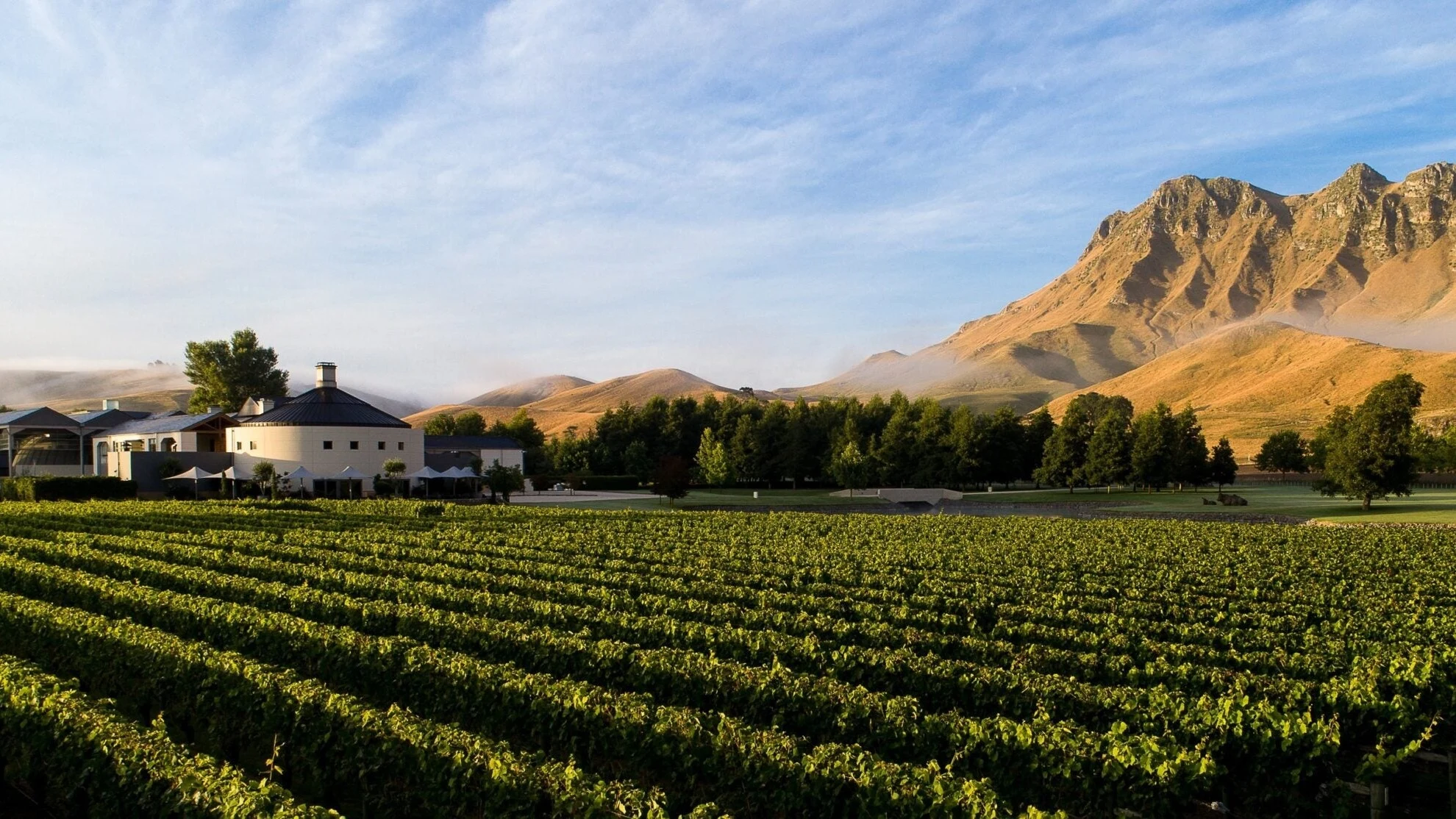
| Craggy Range | Hastings | World's 50 Best |
| Domaine Etienne Simonis | Ammerschwihr | · |
| Vins d'Alsace Jean-Baptiste Adam | Ammerschwihr | · |