Domaine Francois Mikulski
- 01CityMeursault, France
- Falstaff Winery - 3 Stars · 2026
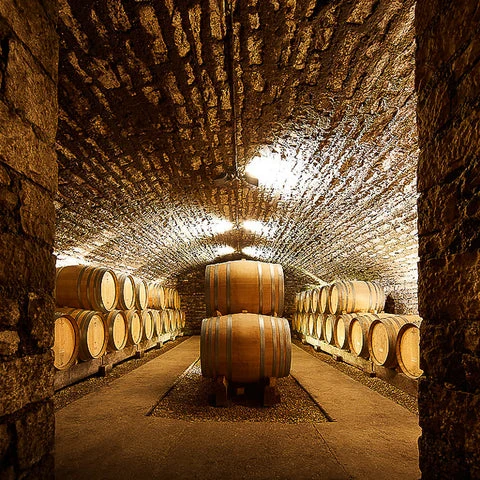
Meursault does not announce itself with spectacle. The village works in limestone, low walls, cellar doors and the quiet grammar of Burgundy viticulture. Domaine Francois Mikulski belongs to that quieter register: a small, quality-focused Burgundy domaine in Meursault, presented around authenticity, purity and elegance rather than showy hospitality. It is a name that makes most sense when read through the village itself: through the discipline of place, the value placed on nuance, and the expectation that a serious domaine should let its wines speak with clarity rather than decoration.
Meursault through limestone, restraint and cellar discipline
The picture of Domaine Francois Mikulski is deliberately narrow but useful. It is a traditional, terroir-driven estate in Meursault, with an identity shaped by careful organic-leaning farming and a restrained use of new oak. Those details matter because they point to a domaine where vineyard expression and balance are central to the style. In Burgundy, especially in a village as closely watched as Meursault, that kind of restraint is not a minor technical note; it is part of how a producer’s character is understood.
Rather than treating Meursault as a synonym for excess richness, the domaine is best understood through restraint. The emphasis is on authenticity, purity and elegance: a Burgundy vocabulary that suggests wines intended to show place clearly, without being dominated by overt cellar technique. The restrained use of new oak is especially important in that reading, because it implies a preference for proportion, texture and transparency over a louder, more polished signature.
For travellers or collectors researching the village, that makes Domaine Francois Mikulski a useful name to place within the broader Meursault context. It offers a way to think about Meursault not only as a prestigious address, but as a set of choices: how the land is farmed, how much influence the cellar should have, and how directly a wine can express its origin while still carrying the elegance expected of the appellation.
A small domaine rather than a hospitality machine
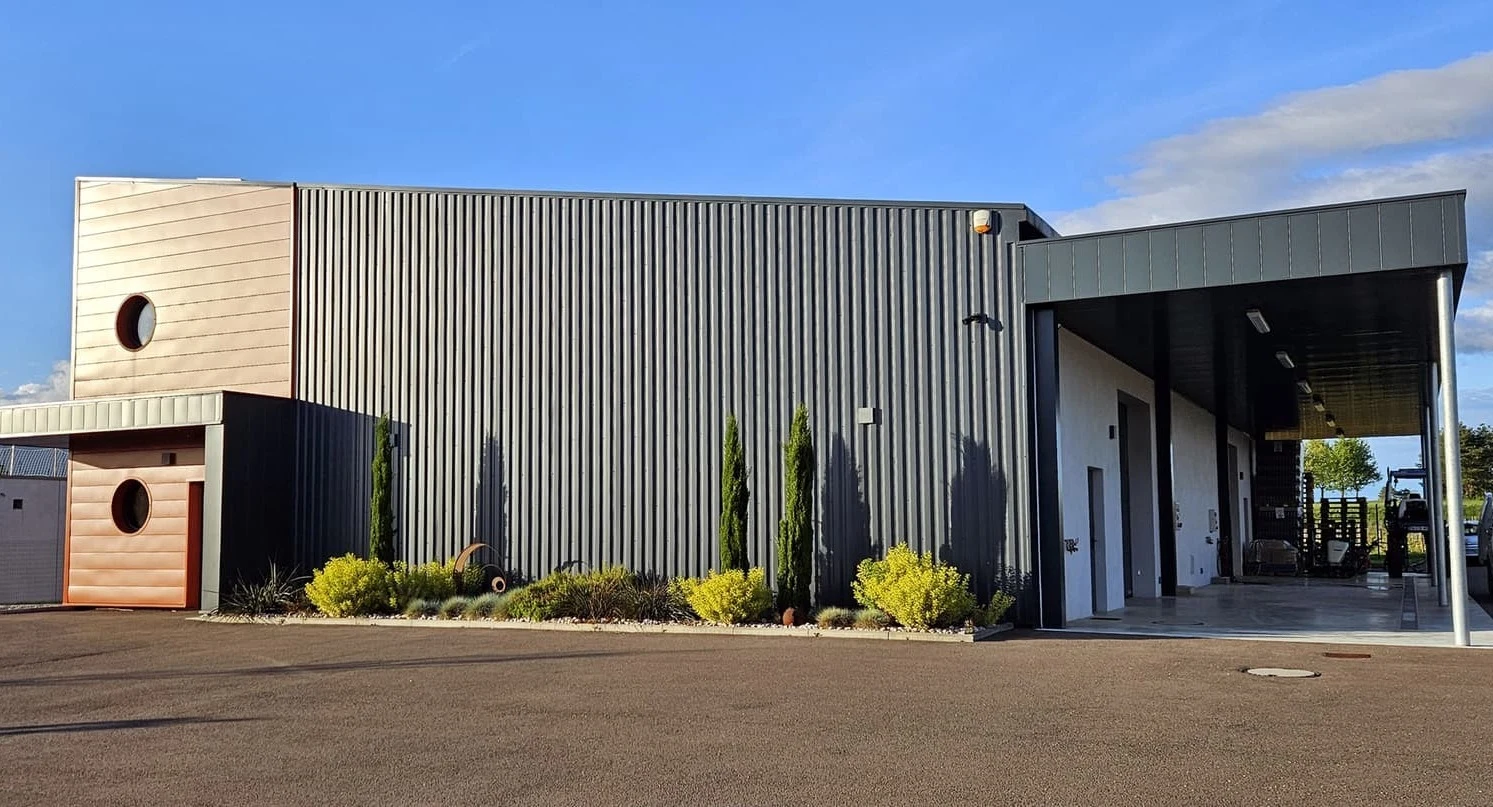
Domaine Francois Mikulski should not be framed as a large visitor complex. The confirmed description is closer to a traditional Burgundy estate: focused, small in scale and defined by its Meursault setting. Its atmosphere is best described as quiet and quality-minded, with the emphasis on the wines and the domaine’s sense of place. That is a different proposition from a destination built around expansive visitor programming, and it should be understood on its own terms.
That distinction is increasingly relevant in Burgundy, where reputation can be shaped as much by access and scarcity as by what is actually documented. Here, the reliable signals are simple: Meursault, premium pricing, organic-leaning farming, restrained new-oak use, and a stated pursuit of authenticity, purity and elegance. Those are not decorative descriptors; together, they form a coherent profile of a domaine that values precision and identity over spectacle.
Those points are enough to position the domaine without inventing extra detail. The editorial case rests on the confirmed identity of a small, terroir-driven Burgundy domaine in Meursault. In practical terms, that means the domaine is best described with restraint as well: not inflated into something it is not, but placed clearly within the Burgundy tradition of estates whose meaning comes from vineyard, cellar judgment and a disciplined sense of style.
How to place it in a Meursault itinerary
For travellers building a Burgundy itinerary, the smarter frame is not a single claim about access or service, but a village-level study of style. Meursault rewards comparison across producer scale, farming posture and oak signature, and Domaine Francois Mikulski fits that discussion as a restrained, quality-focused estate. Seen this way, it becomes part of a broader exercise in reading the village: not just asking what is famous, but asking how different domaines interpret balance, purity and terroir expression.
Other dining and wine experiences in Meursault can provide useful context, but the domaine itself should be approached through the facts that are actually confirmed. It is in Meursault, it sits in the $$$$ price tier, and its identity is tied to careful organic-leaning farming, restrained new oak and a traditional estate atmosphere. Those facts are sufficient to shape expectations without pretending to know more than is stated.
The editorial case for Domaine Francois Mikulski is strongest for drinkers who want a grounded Meursault reference without excess gloss: a small Burgundy domaine where authenticity, purity, elegance and terroir expression are the central ideas. Its appeal lies in that focused vocabulary. For anyone trying to understand Meursault with a little more patience, the domaine belongs in the conversation as an example of quiet confidence, careful framing and Burgundy values expressed without unnecessary amplification.
Questions
Frequently asked
How expensive is Domaine Francois Mikulski?
Domaine Francois Mikulski is listed at a price level of $$$$.
The field
How it compares
| Place | Notes |
|---|---|
| Domaine Francois Mikulski | Meursault, $$$$ |
| Domaine Arnaud Ente | Meursault |
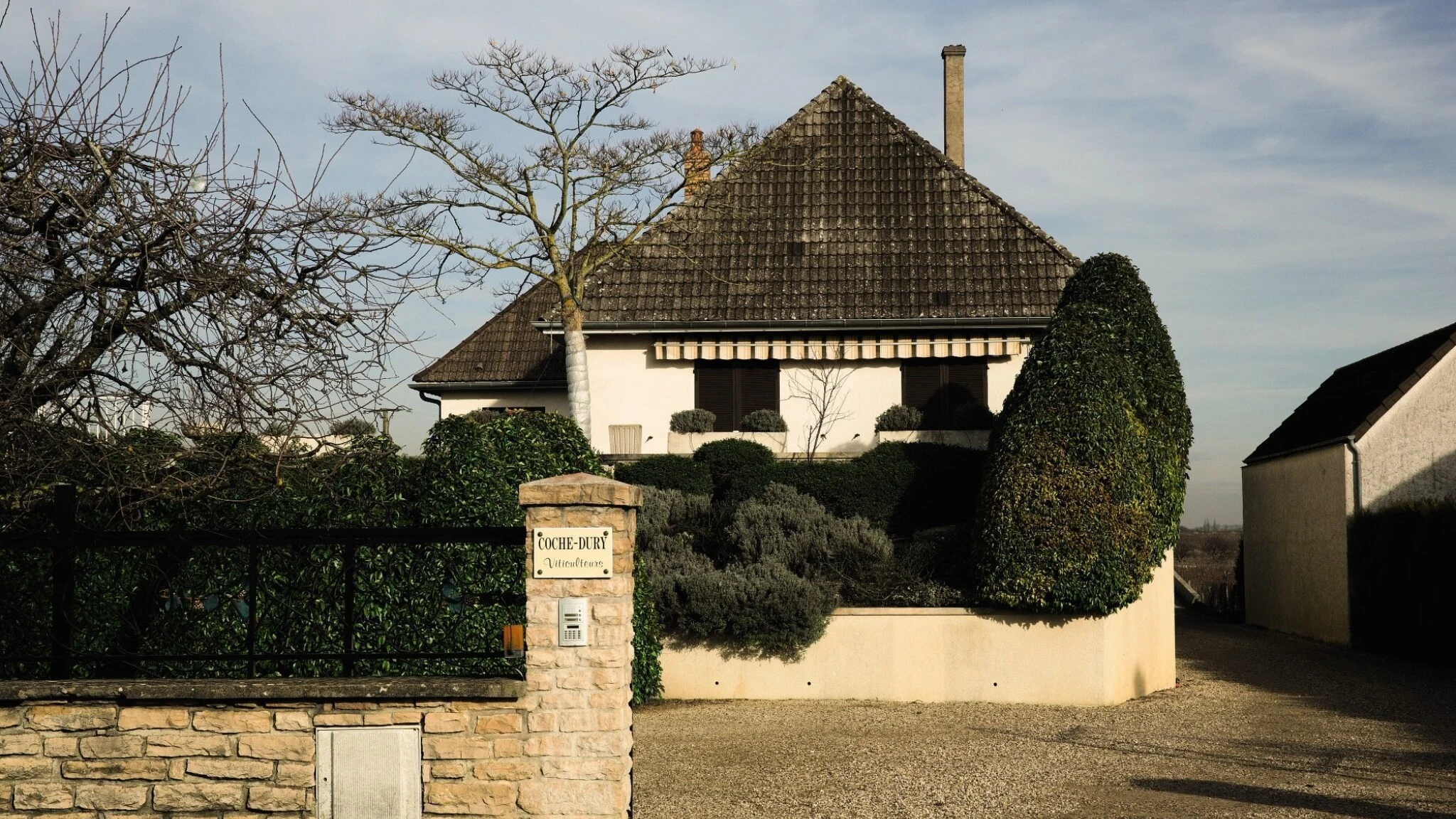
| Domaine Coche-Dury | Meursault |
| Domaine des Comtes Lafon | Meursault |
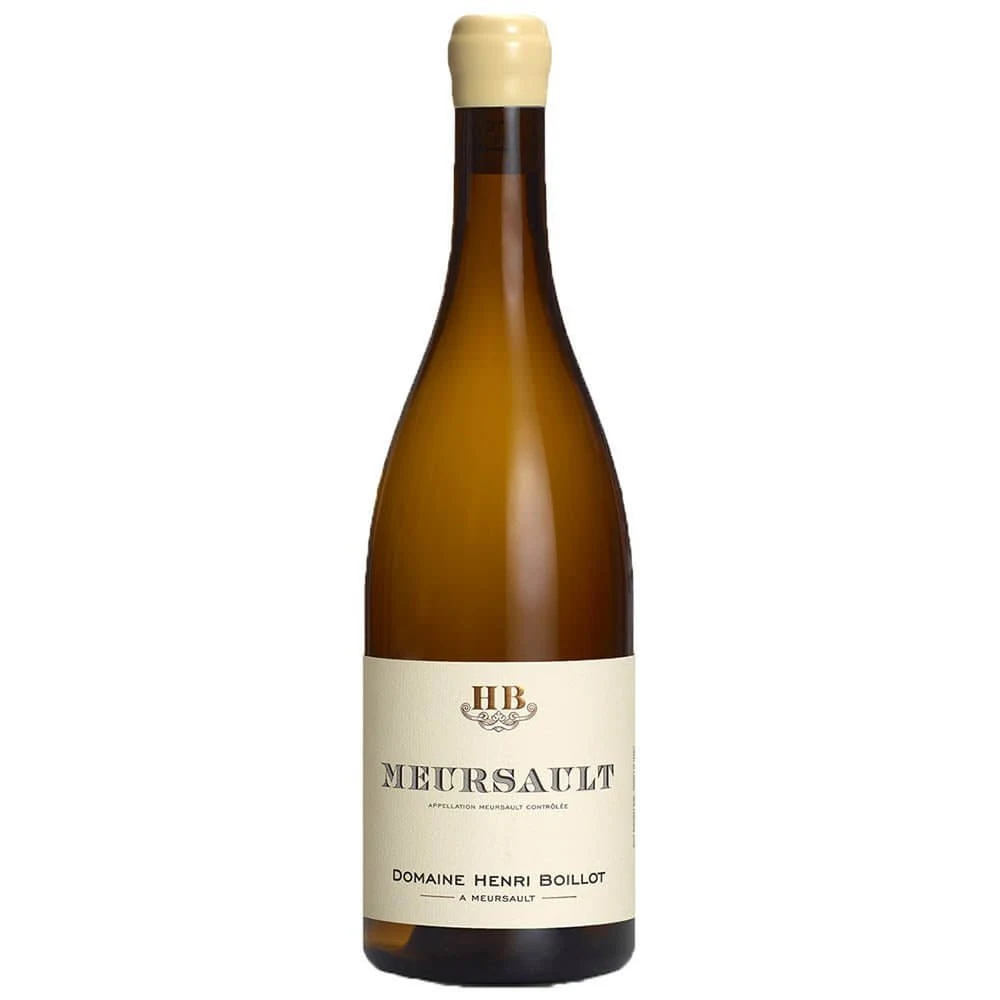
| Domaine Henri Boillot | Meursault |
| Domaine Jacques Prieur | Meursault |
| Domaine Roulot | Meursault |